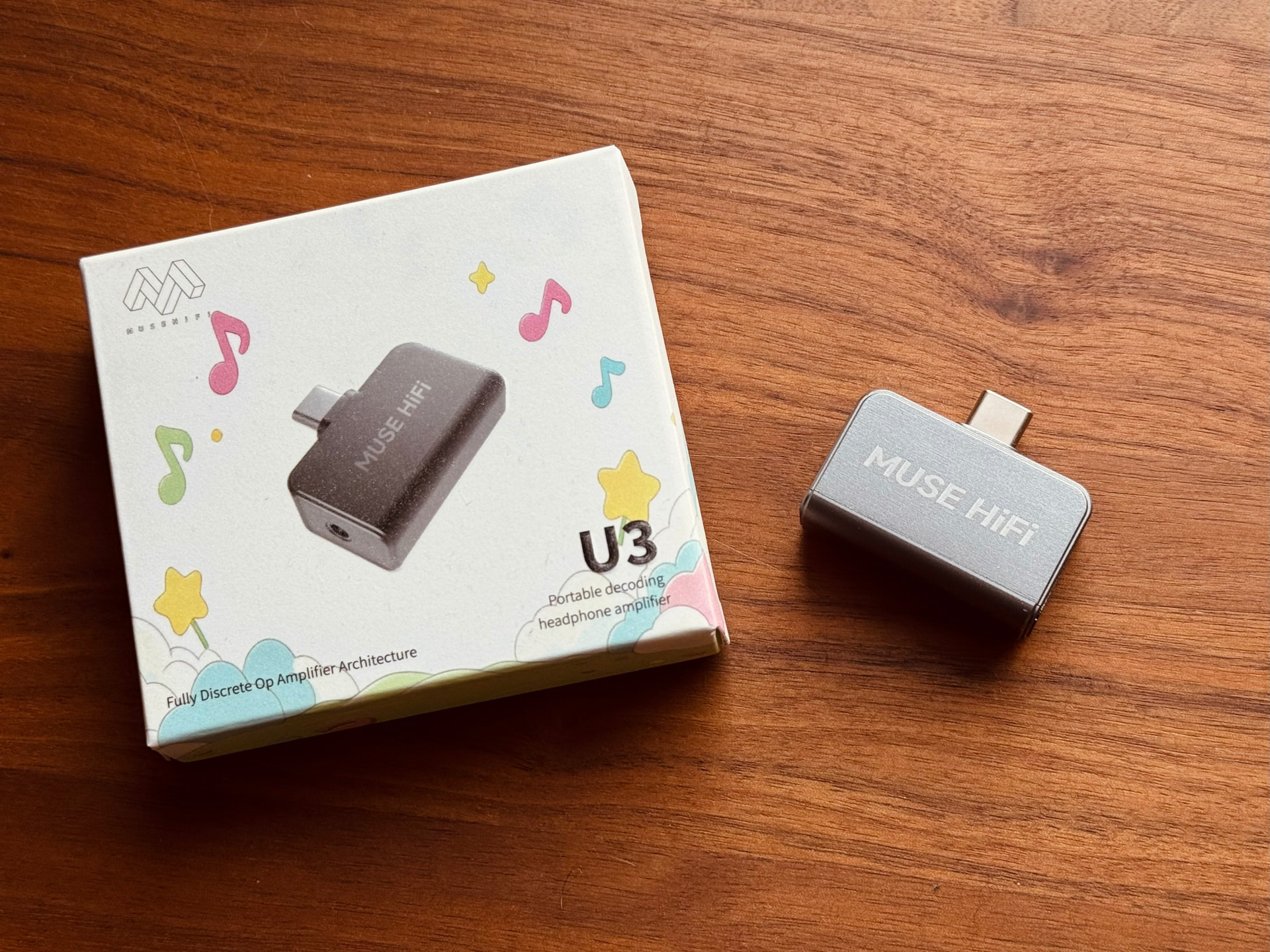
Greetings, fellow listeners! Today, I’ll be reviewing the latest 30$ “dongle” DAC/amp from MUSEHIFI, the so-called U3 . Let’s dive deeper!
Disclaimer: This DAC was kindly sent over by HiFiGo for review, but all thoughts and opinions are, as always my own. No one had any influence over this review.
TL;DR: Well built, quite compact, powers most iems out there, quiet- no/little noise. 5 band parametric EQ, neutral, transparent sound, recommended
3.5mm output: 105mW @ 32Ω
4.4mm balanced output: 125mW @ 32Ω
I’ve been super busy with work and got sick in the meantime, so I took an additional week to properly evaluate this little feller. Is it a perfect travel companion for your IEMs and easy-to-drive headphones, or just another thing with holes in it, huh? I’ll try to keep this review short and simple, since this is a product tailored towards newcomers or budget-oriented folks looking for simple answers to what are most likely many questions flowing through their minds.
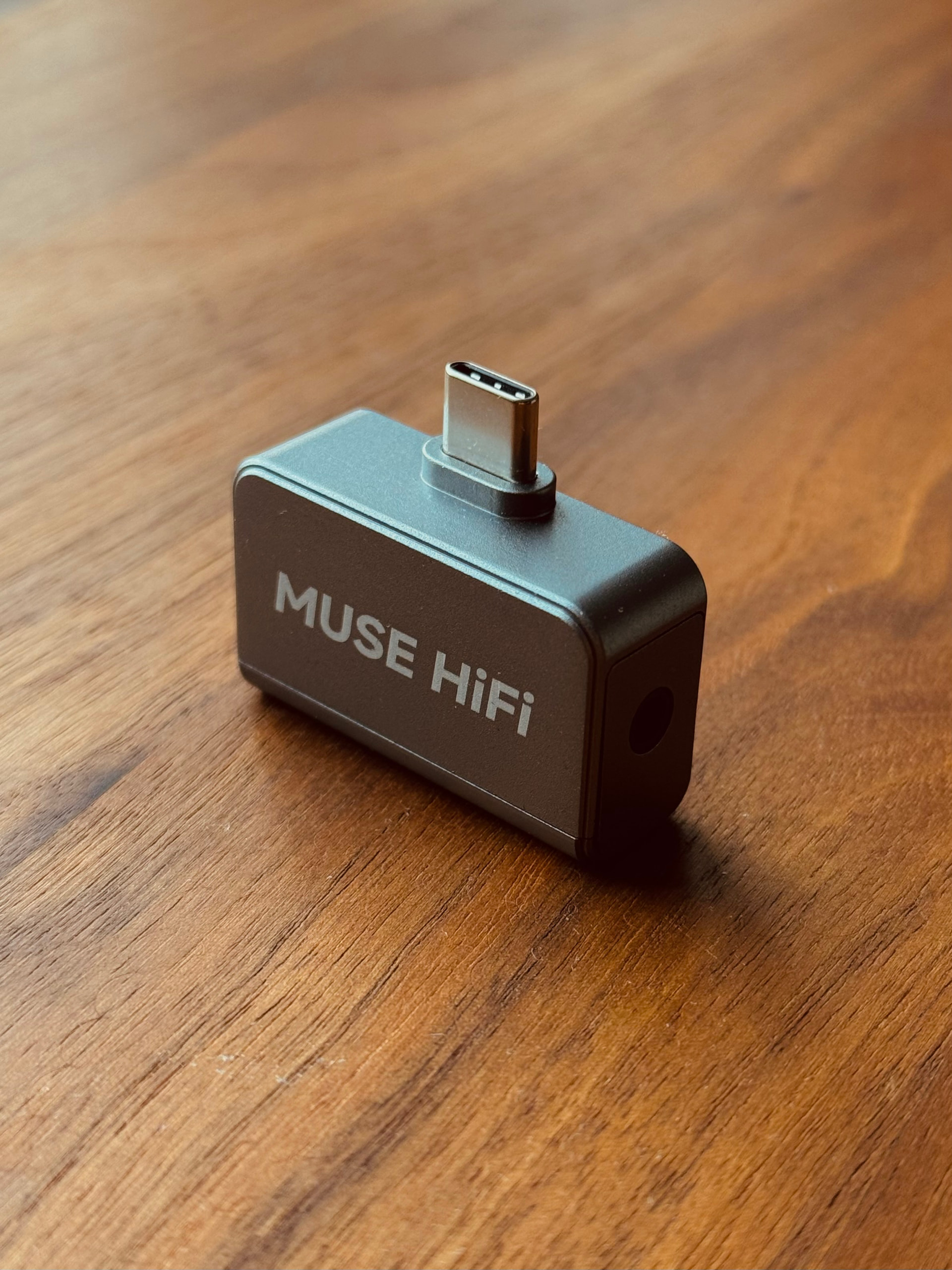
The MUSEHIFI U3 is a portable DAC/amp that uses a desktop-grade, fully discrete OPAMP filter architecture with dual SGM8262 operational amplifiers. It has an output power of up to 125 mW at 32 Ohms, which, in theory, is perfectly fine for 99% of IEMs out there. It also supports a 5-band parametric EQ that helps shape the sound of your device. A great and welcome addition!
Build & Design
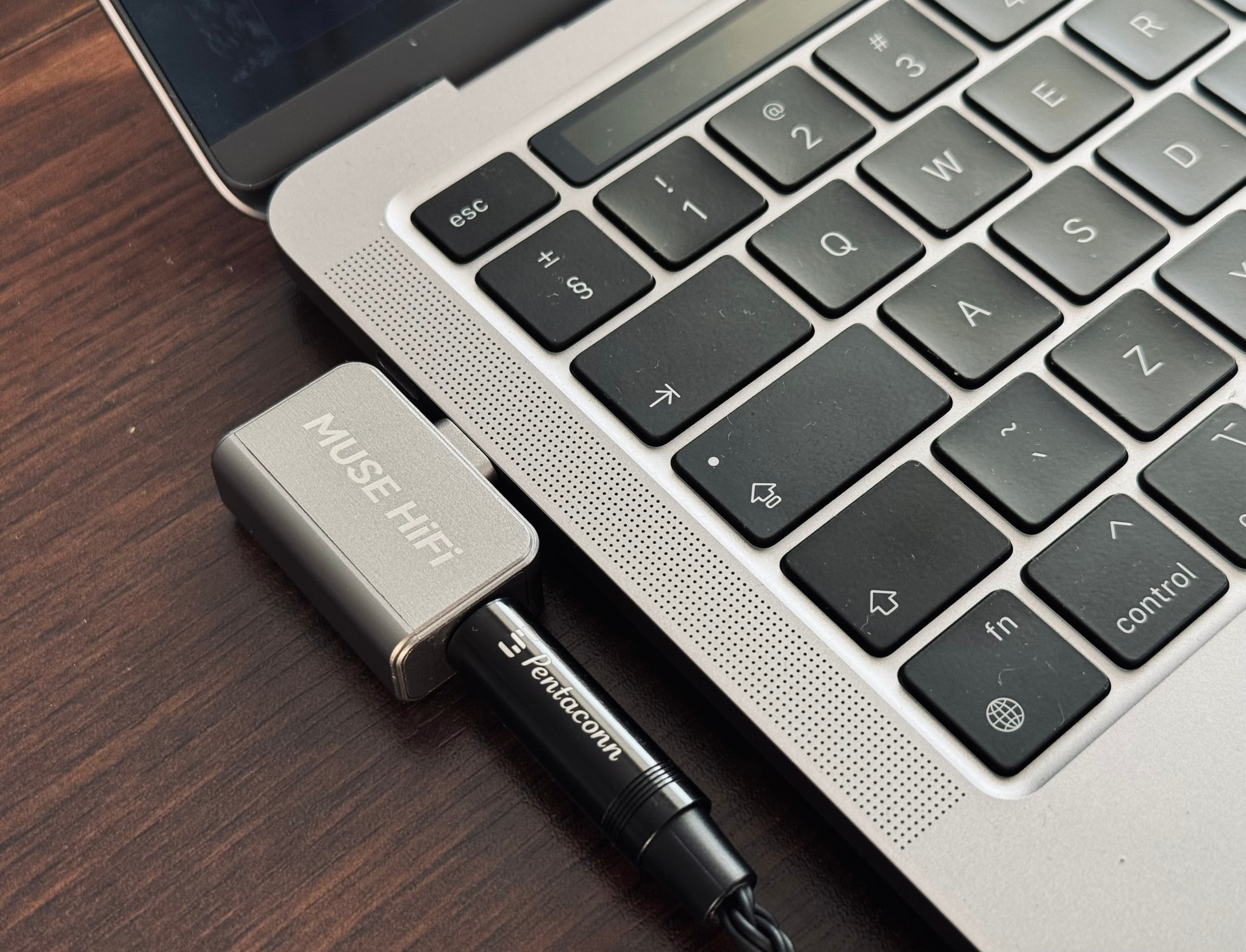
This is an all-metal build with a solidly put-together casing and a properly tight-fitting USB-C connector that ensures stability during use. Throughout my testing, I never encountered any weird behaviour, overheating, or audio artefacts due to RF interference when used with my phone.
It supports both 3.5 mm and 4.4 mm balanced connections.
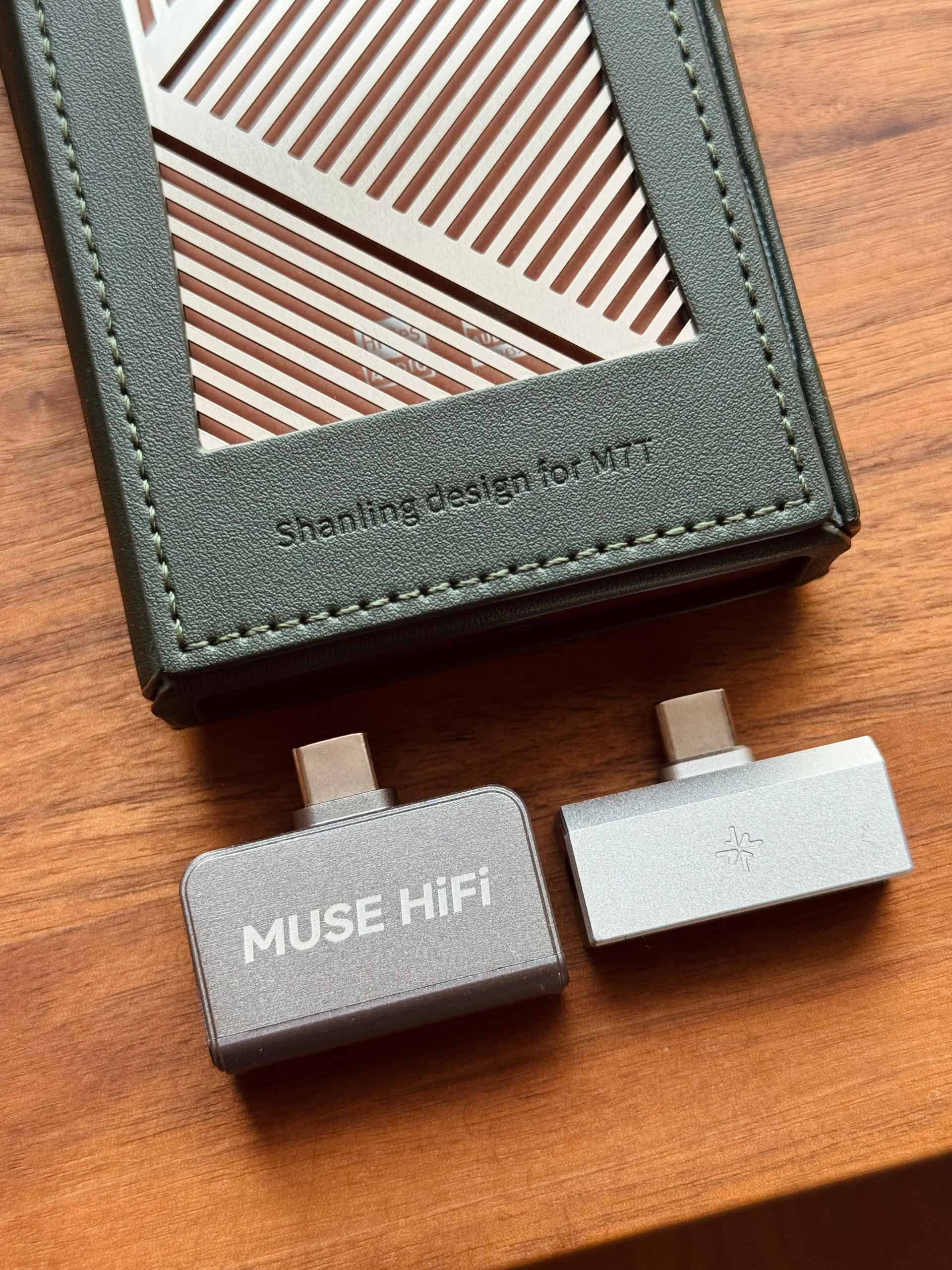
It’s not the smallest among its peers, but the quality is certainly there. A simple, plug-and-play design with no fuss, just as it should be. There’s no indicator light and no physical controls. Industrial minimalism is what we’re getting here. All volume adjustments will have to be made on your source device, be it a phone, tablet, PC, or whatever else you use.
The Use
MUSEHIFI designed this portable DAC as a pocketable hi-fi device, but what does that actually mean?
It means a silent background, with minimal to no noise depending on your IEMs or headphones.
I tested it with many IEMs over the past few weeks, and it was almost silent or perfectly silent with most of them. Only my hiss detector, the single-DD marvel called the Pentagon Sloflo MS001GM, exposed minimal hiss. To be perfectly honest, it does so with the much more expensive Shanling UA3 as well. Only my DAP, the $1,200 Shanling M7T, remains perfectly silent with this IEM.
Once the music is on, you won’t be able to hear any of that, and during a commute, you won’t notice it at all, even when nothing is playing. A WIN in my book!
Especially since its peer, the FiiO Snowsky Tiny B, which I’ll be comparing it with, has a noticeably higher noise floor that stays with you even when music is playing through more sensitive IEMs.
I’m in the Apple ecosystem, using both a Mac and an iPhone, so to use the EQ functionality, I had to rely on the web app. You connect your device through the app and can play around with a 5-band parametric EQ. While 5 bands are fewer than what FiiO offers (10 in total), it’s usually enough to fix most, if not all, of the issues found in cheaper IEMs. Learning their weak spots and how to EQ using a parametric EQ is a very powerful tool. I advise everyone in this hobby to learn and use it, as it will give you more benefits than swapping cables, tips, or sources. And the best part is that once you have the option to do so, it’s free! 
You can also update the firmware, share and use other people’s EQ profiles, and save your own presets. The downside is that it’s yet another site that requires an account. I’d prefer this to be optional.
What do You think of the inclusion of parametric EQ, do You believe ( like yours truly ) that it should become a standard, or is it something you care little about?
As a side note, I tried the U3 with a MacBook Pro, Mac Mini, iPhone, and an Android DAP, and it worked perfectly fine with all of them. I also used it with many IEMs and headphones, such as the FiiO FT1. I didn’t notice any major battery drain. It sips power very slowly, allowing you to simply listen without worrying about it too much, or at all.
The Sound
Now, I’m sure there are those among you who are die-hard believers that there is absolutely no difference between how different source gear sounds. While that may be true for some examples, the two decades in this hobby and my own experience have taught me otherwise. The differences, while not always obvious, are certainly there. Some people can’t hear or perceive them. That’s fine.
If you disagree, I kindly ask you to hold your opinion on this subject for now and focus on everything else that might interest you about this DAC. Thank you!
This DAC is tuned to sound clean, transparent, and certainly more hi-fi than your regular CX-based peers. When compared to the FiiO Tiny B, it sounds airier, more spacious, and a bit more resolving. Higher fidelity, hi-fi for you on the go! The Tiny B, by comparison, sounds warmer (less bright, with less prominent treble) and more midrange-focused. It also has a narrower soundstage presentation.
It’s always a matter of preference. If you opt for a gentler, calmer, less resolving, and less airy sound, then you might actually prefer the FiiO. I however prefer the MUSEHIFI U3. It is slightly more resolving and transparent, making my IEMs sound more like they’re supposed to, while leaving the sound coloration to the IEMs and headphones themselves.
That being said, both devices offer parametric EQ, with FiiO supporting five additional bands (10 in total). You’ll be able to shape the sound the way you like with this tool, but having a more neutral starting point is better in my honest opinion. You can make either one sound warm or bright, bassy or lean depending on your taste anyway.
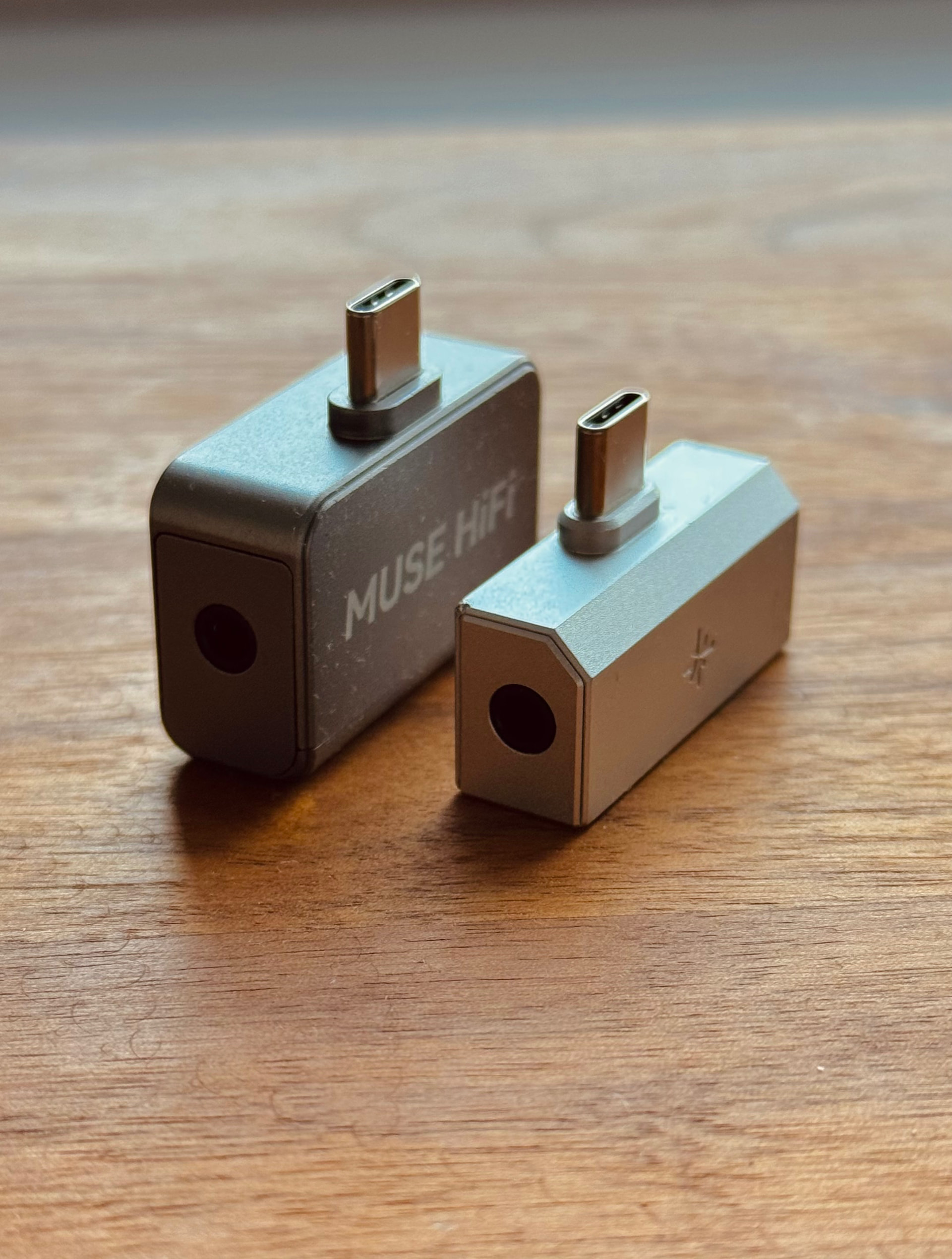
What is your taste, do you prefer a colored source, or would always like it to stay as neutral as possible?
Final Thoughts
This is a well-made, practical portable DAC/amp that serves its purpose well. It offers enough power for most IEMs and easy-to-drive headphones. It’s compact enough and doesn’t drain your device’s battery much.
Are there any caveats? Well, yes. This little thing can simply be too loud for some of your gear.
With more sensitive IEMs, I was hovering at around 2–3% volume for comfortable listening. At night, or when trying to focus at work I sometimes prefer even lower volumes, which isn’t possible with some gear. I’d like the volume curve to be slightly adjusted via firmware so that the volume picks up a little more gradually.
There is a workaround, though. You can use the EQ app to set a negative preamp, lowering the overall level and making it a bit quieter.
As this is also an entry-level device, it won’t be perfect in the sound department. It won’t have as natural a timbre for voices and instruments as my reference Shanling M7T, or even the Shanling UA3, but it’s not very far behind. You’ll simply get a slightly more “digital” presentation than with higher-end devices - The upper midrange exhibits slight brightness/thinness/graininess. Given its price point, that’s perfectly acceptable. And you’ll notice that only in direct comparison with more expensive gear.
Would I recommend this? Yes, definitely. It’s a much safer bet than the FiiO Tiny B due to the U3 being silent or almost silent with most of the gear I tried, while the Tiny B often has audible noise. It’s small and lightweight enough to be an everyday carry. It simply works, and it does so well. It’s also a great option for us stuck in the apple bubble, to use parametric EQ! 
