Binary Acoustics 1900: More Than Just 1s and 0s

TL;DR

$235 hybrid. Light on the ears, punchy mid-bass, clean mids and soundstage depth above its price tag. Sub-bass rolls off early, but the instrument layering is great.
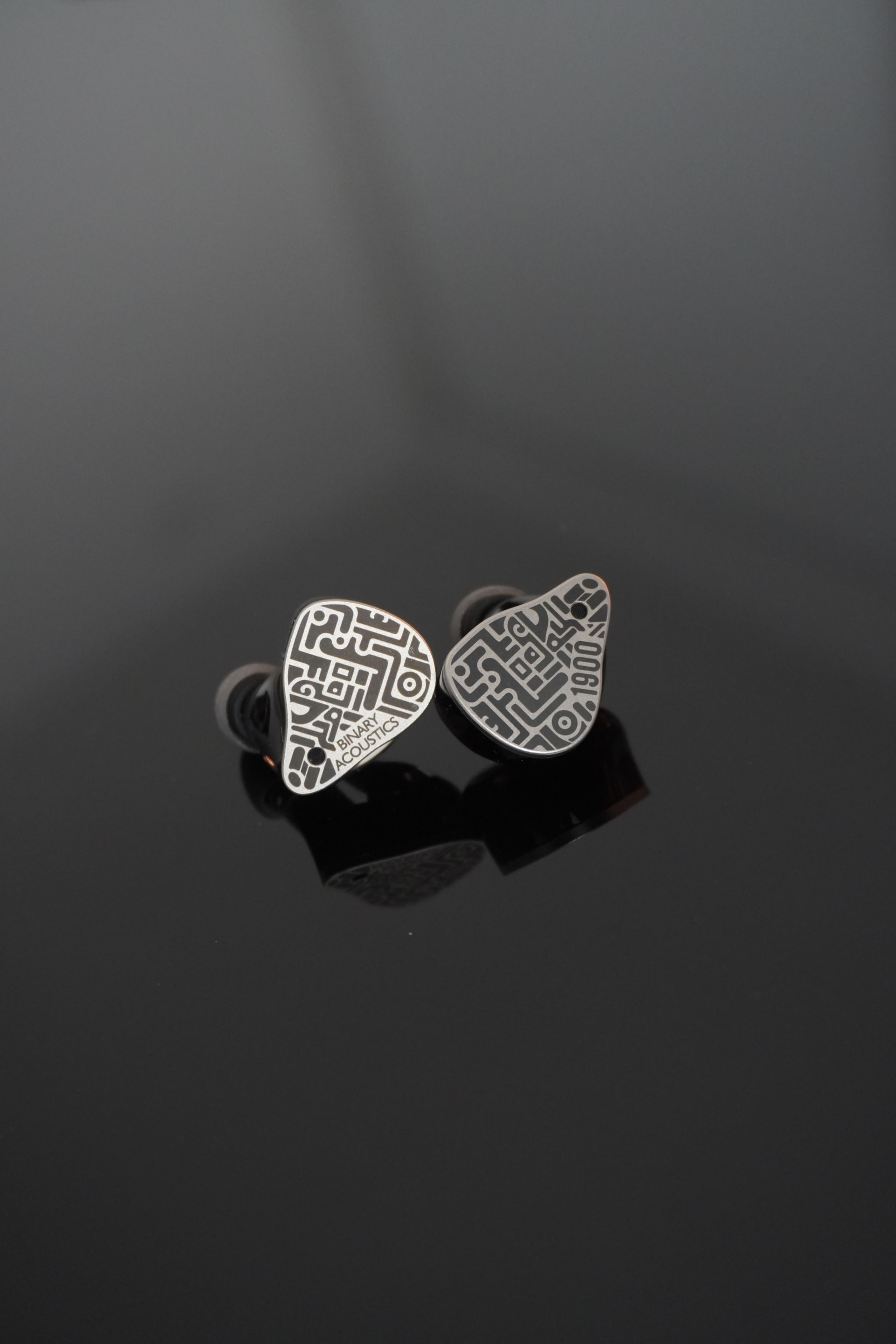
The Binary 1900 has been in my rotation for about three weeks now. Passive radiator in with four BAs and a dynamic driver felt like a gimmick, so I wasn’t expecting much. But in practice, it works. It skips the usual trick of boosting the treble to fake detail, and it doesn’t try to drown you in sub-bass rumble either. You just get a clean, engaging sound with

tight mid-bass impact, smooth vocals and depth that keeps busy tracks feeling uncluttered.

Contents

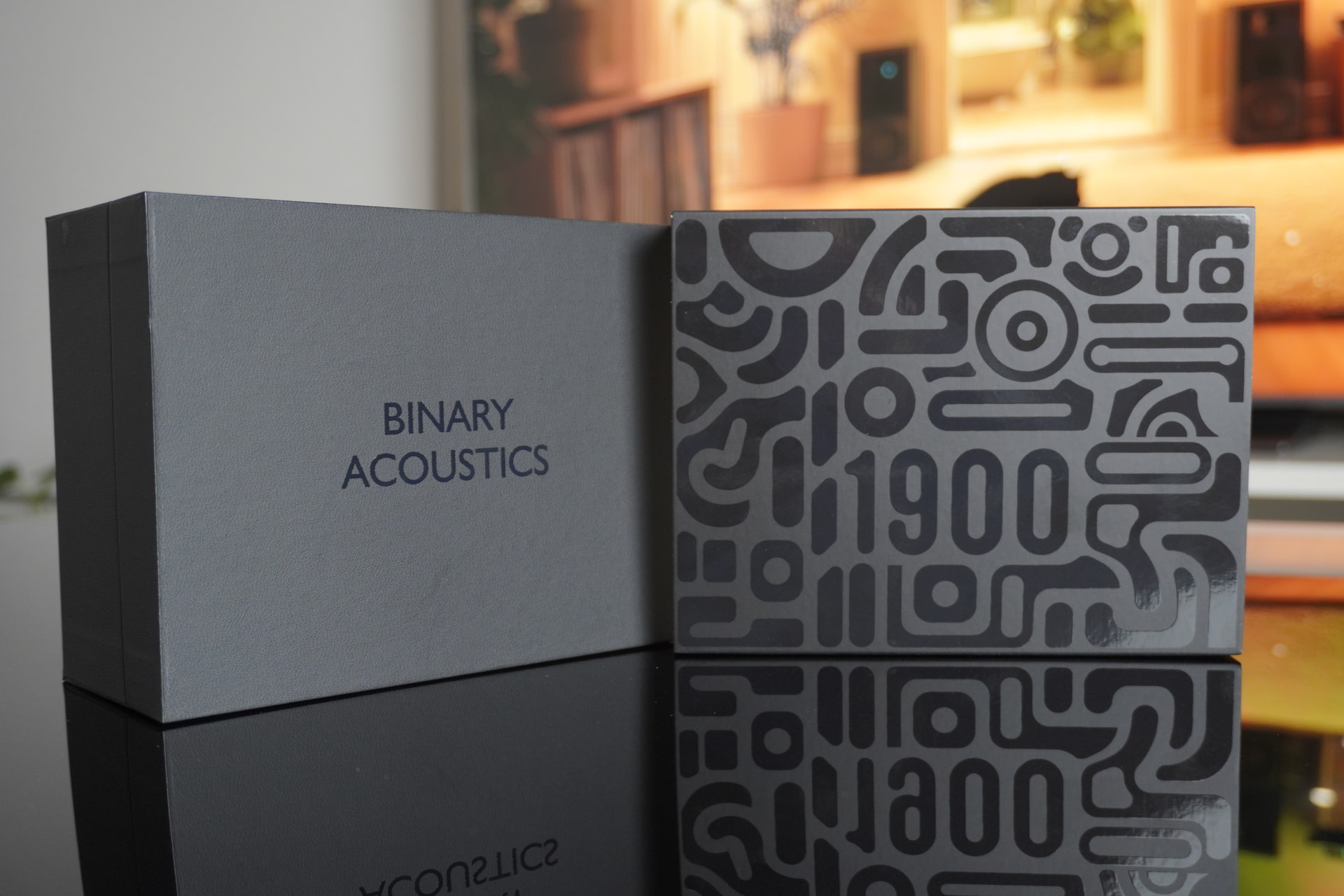
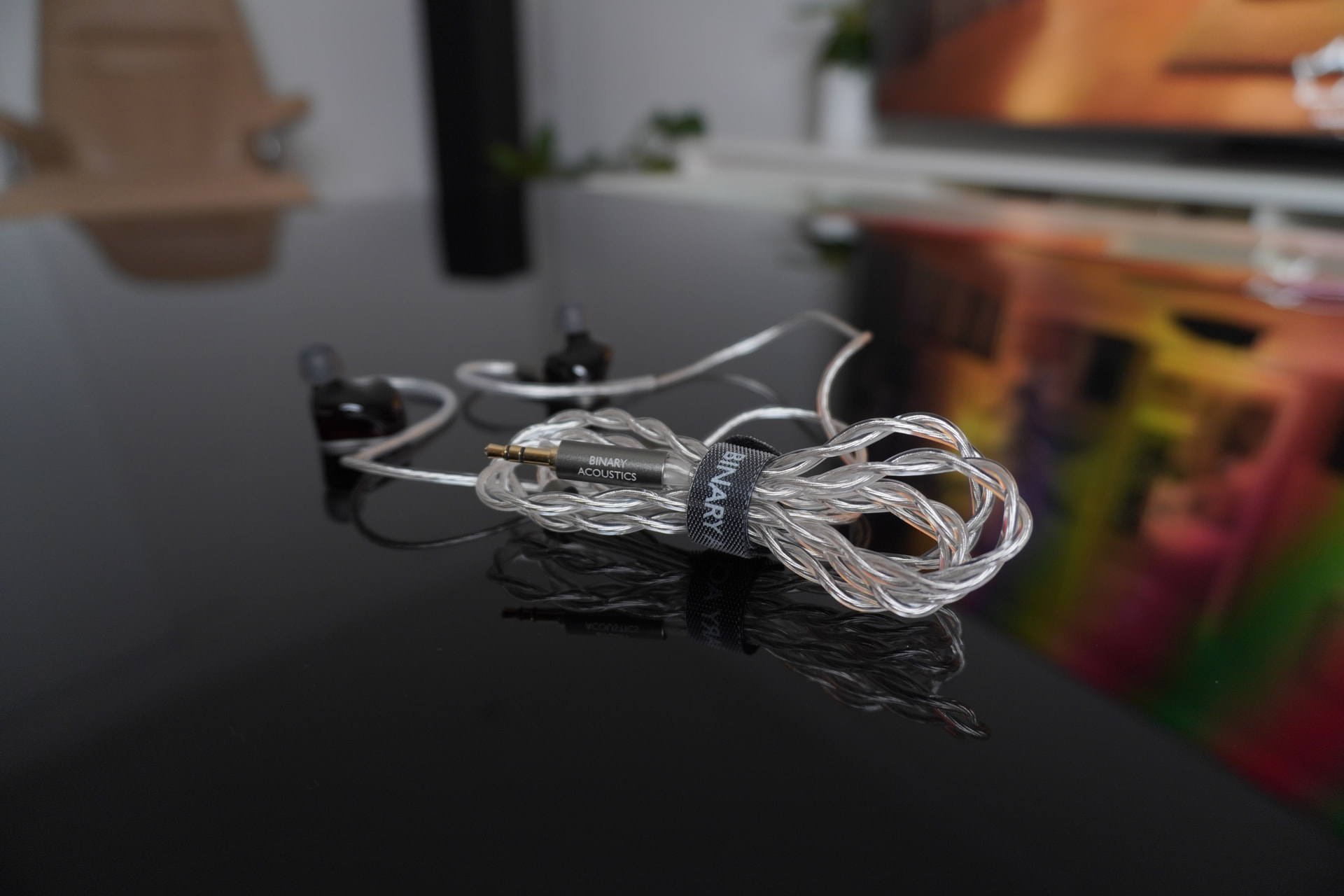
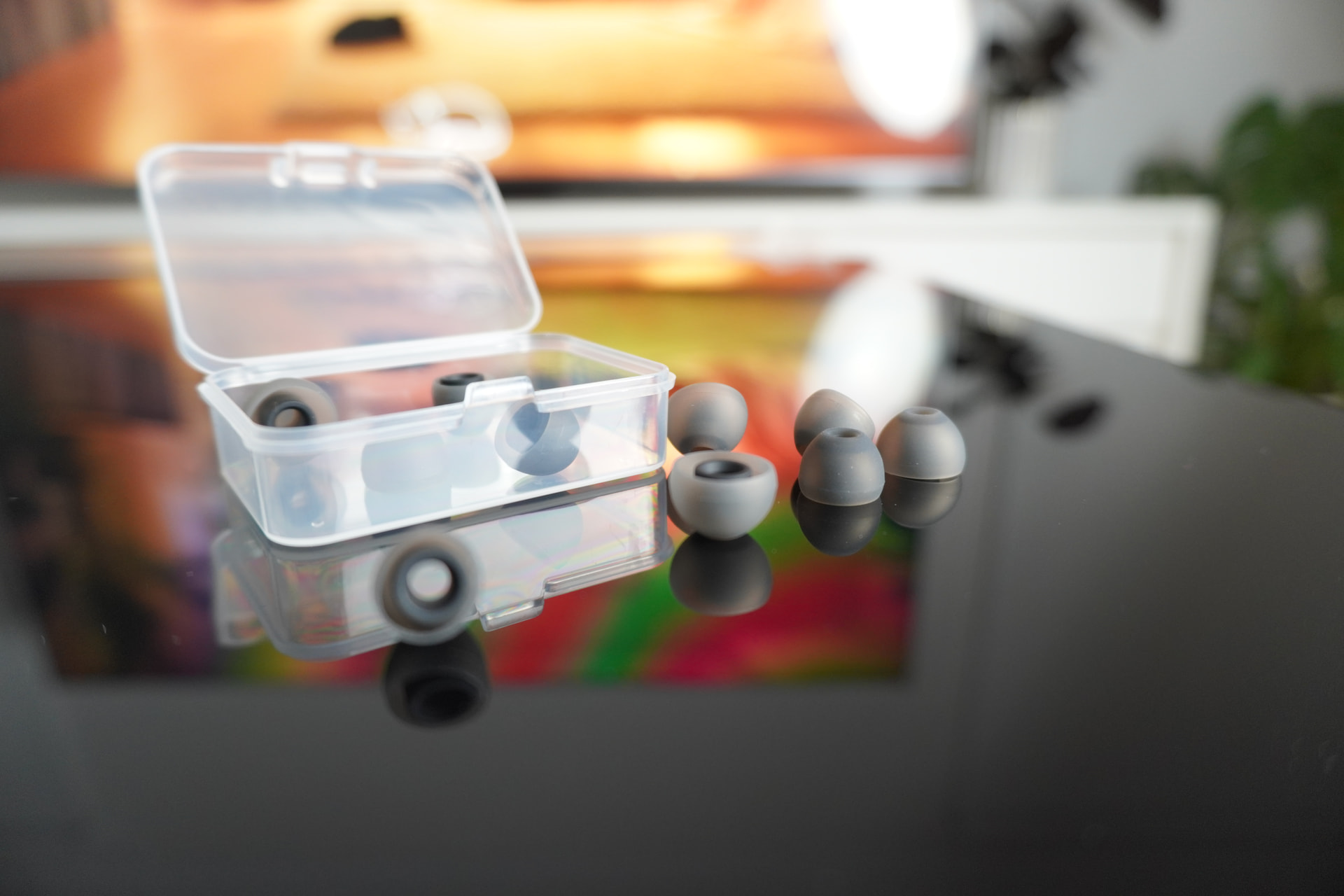
The IEMs, a 2-pin silver-plated cable (3.5mm or 4.4mm), six pairs of silicone eartips (two bore styles), a zippered hard case, a cleaning tool, and the paperwork.

Build

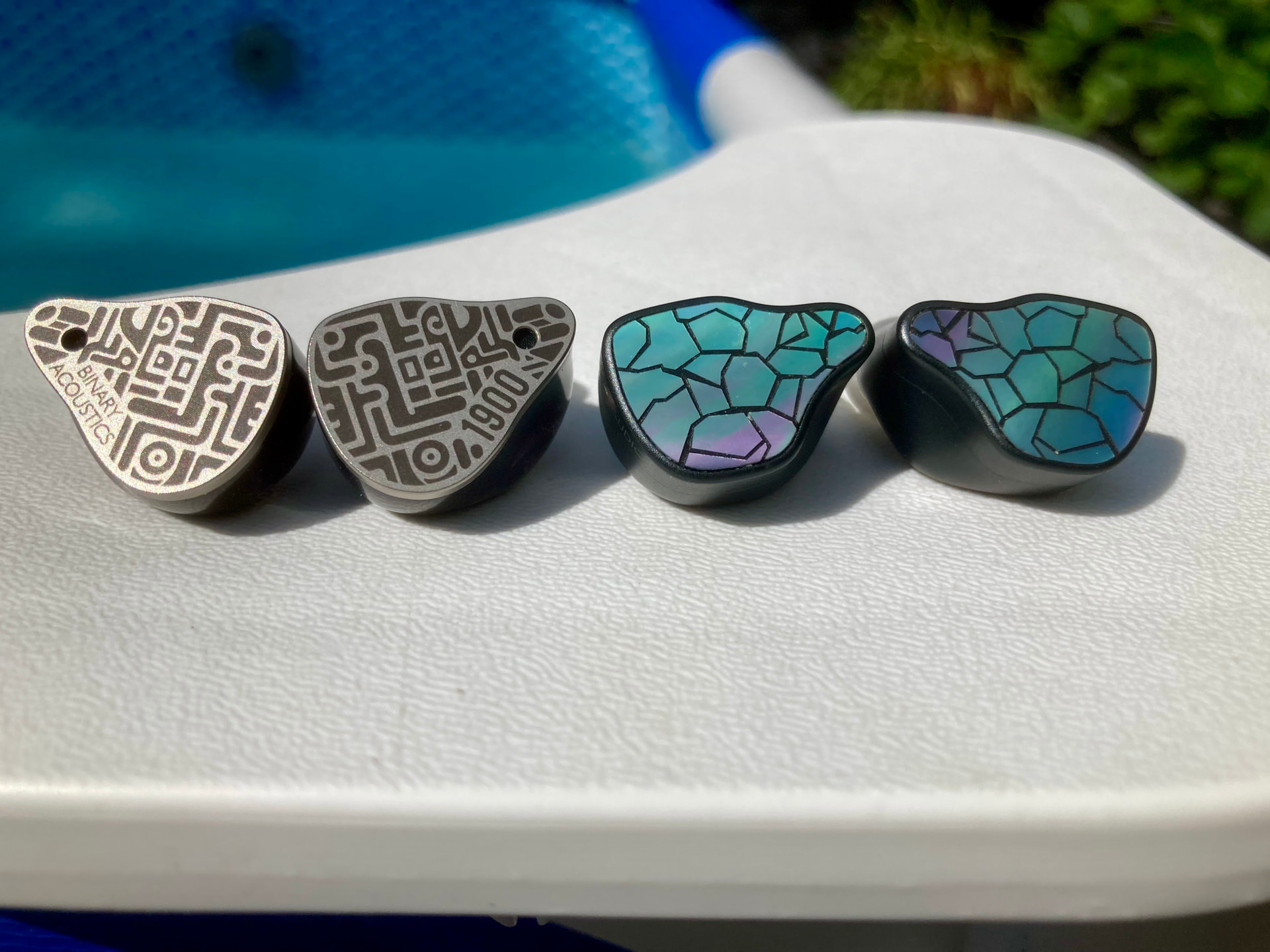
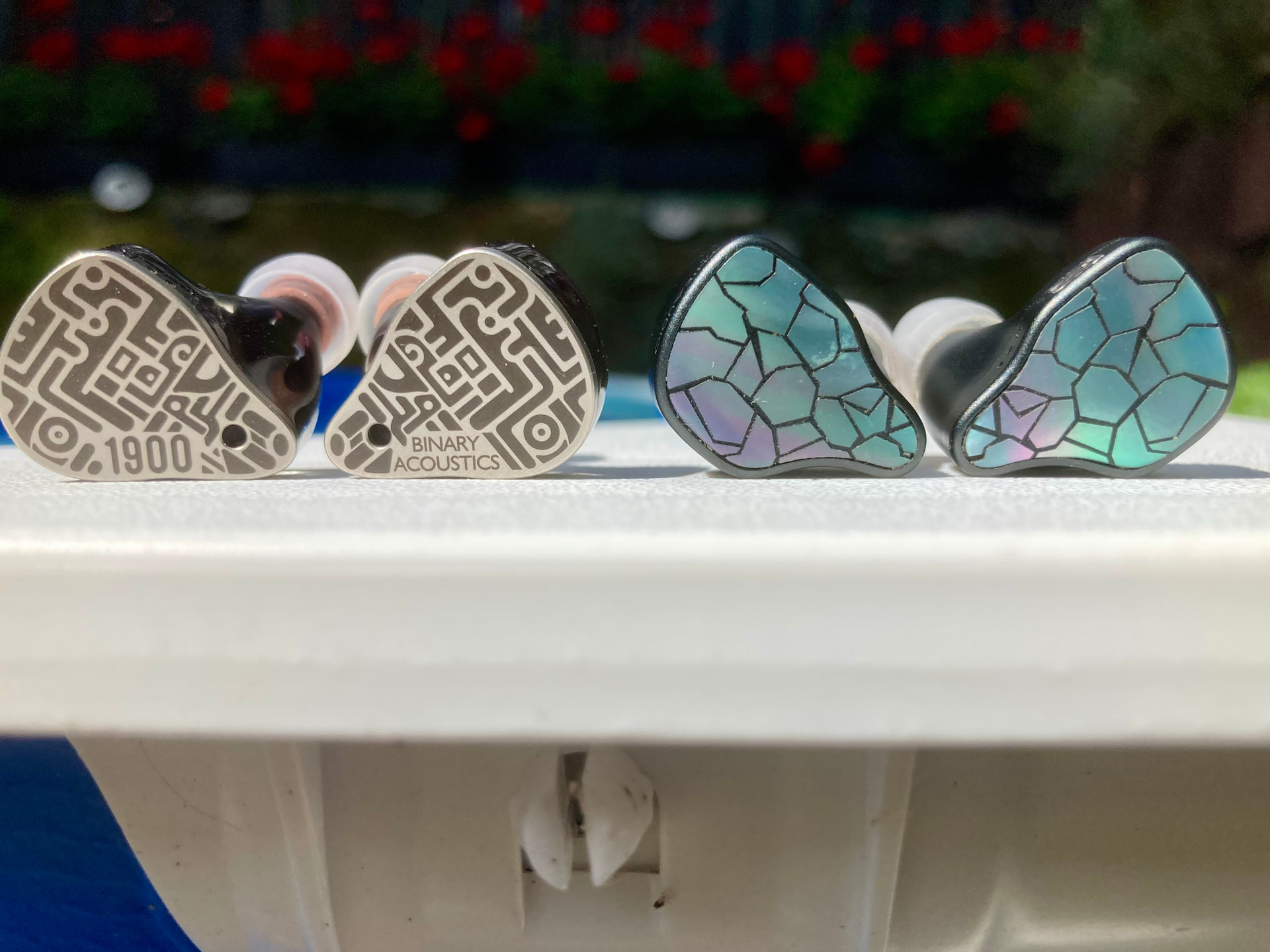
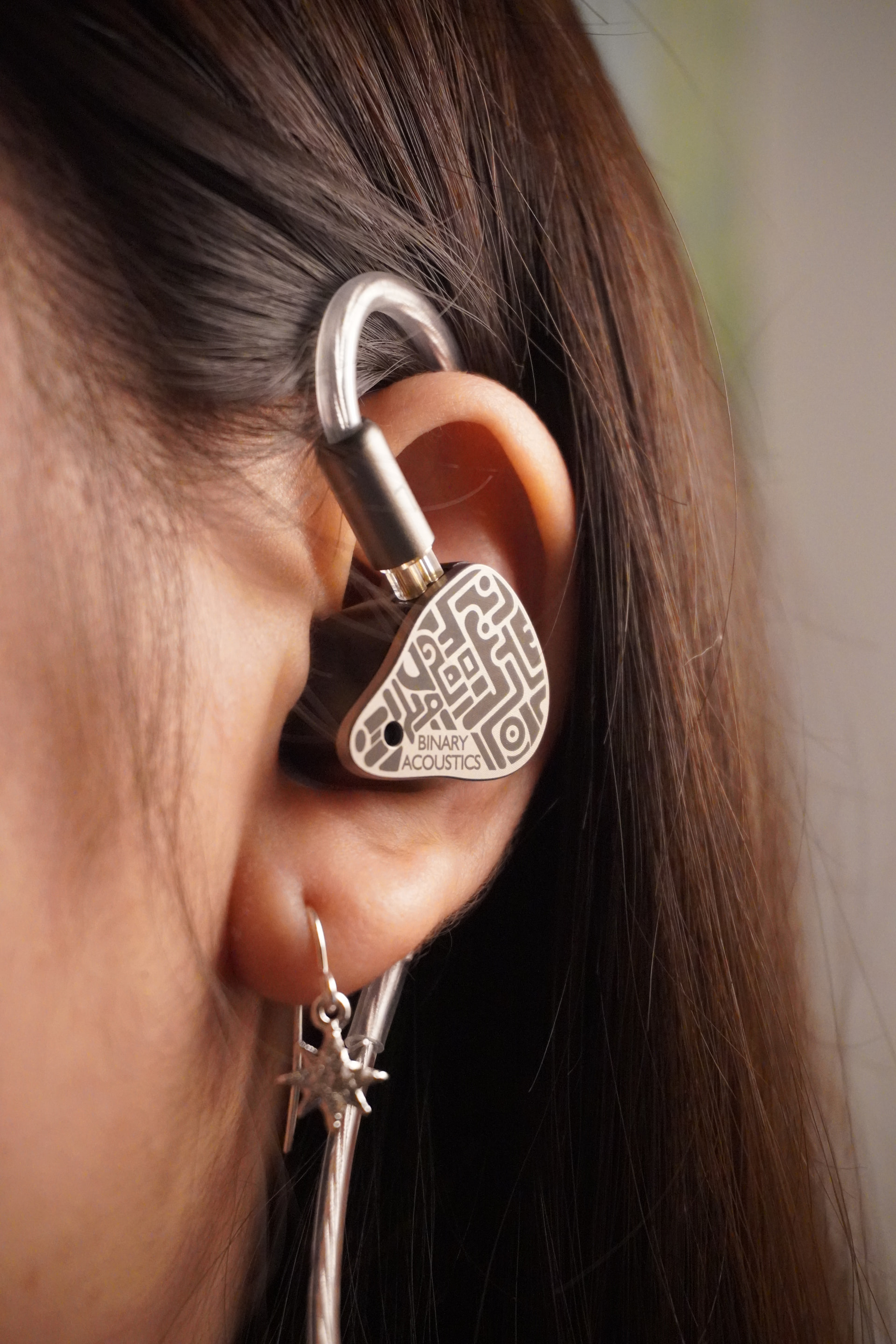
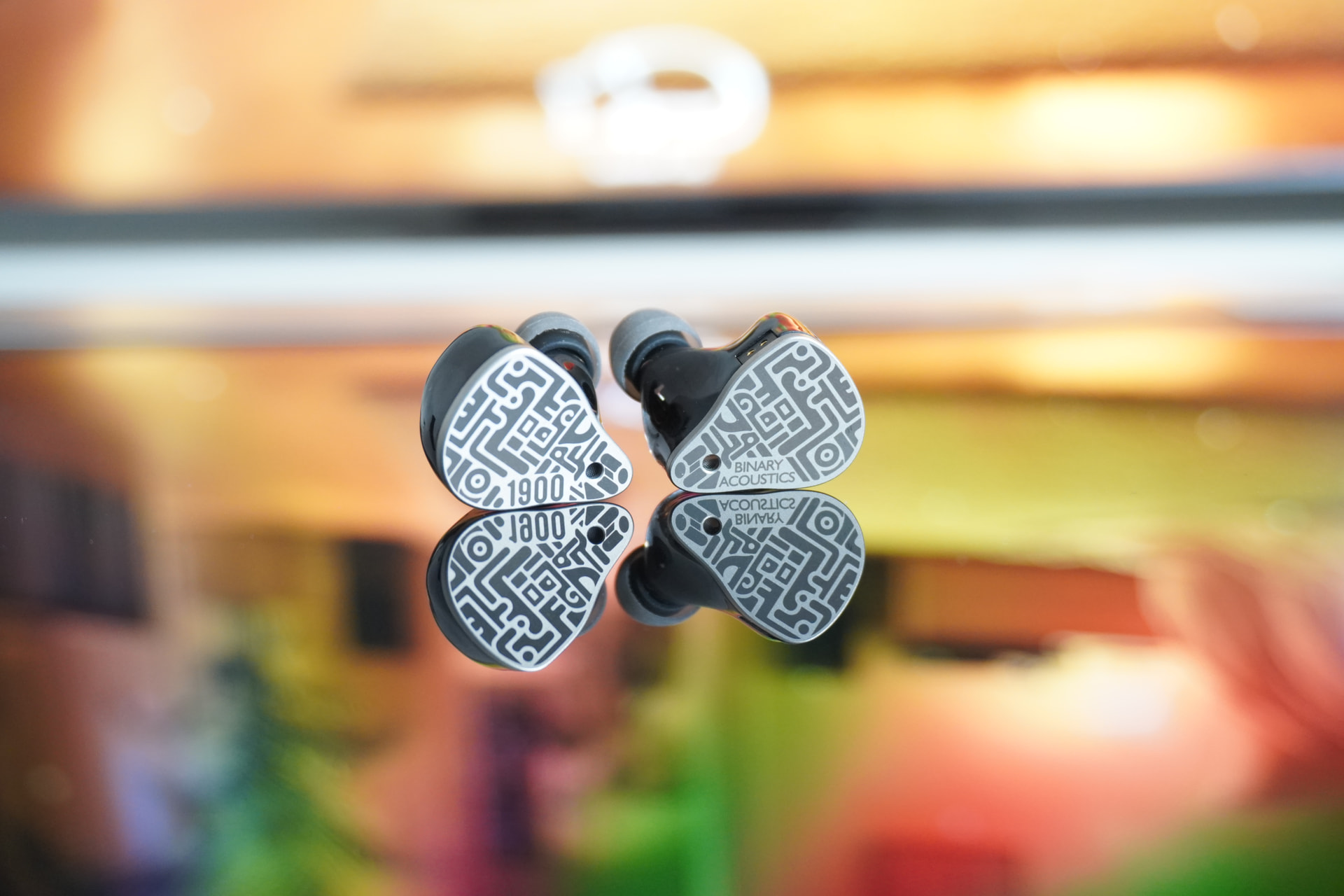
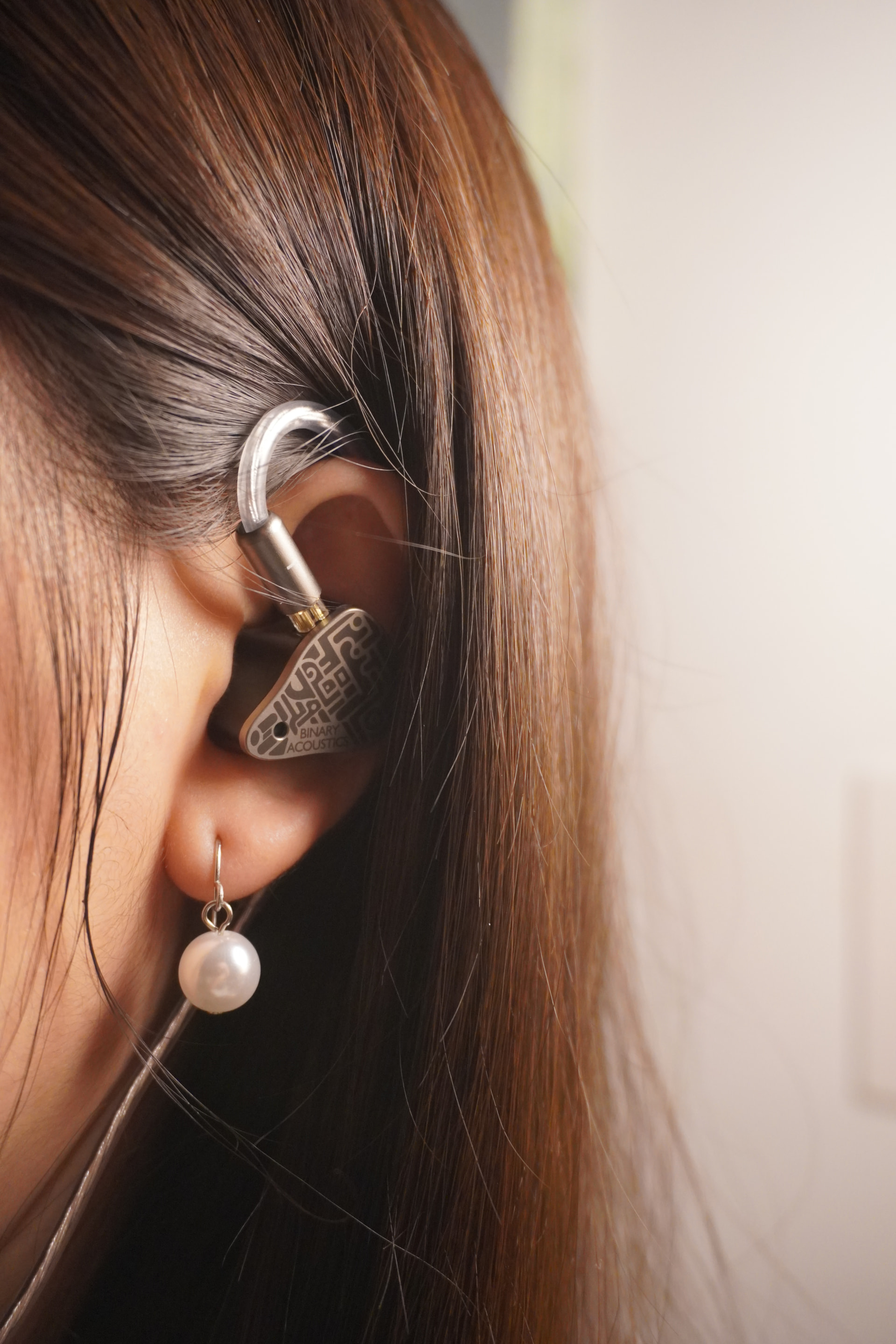
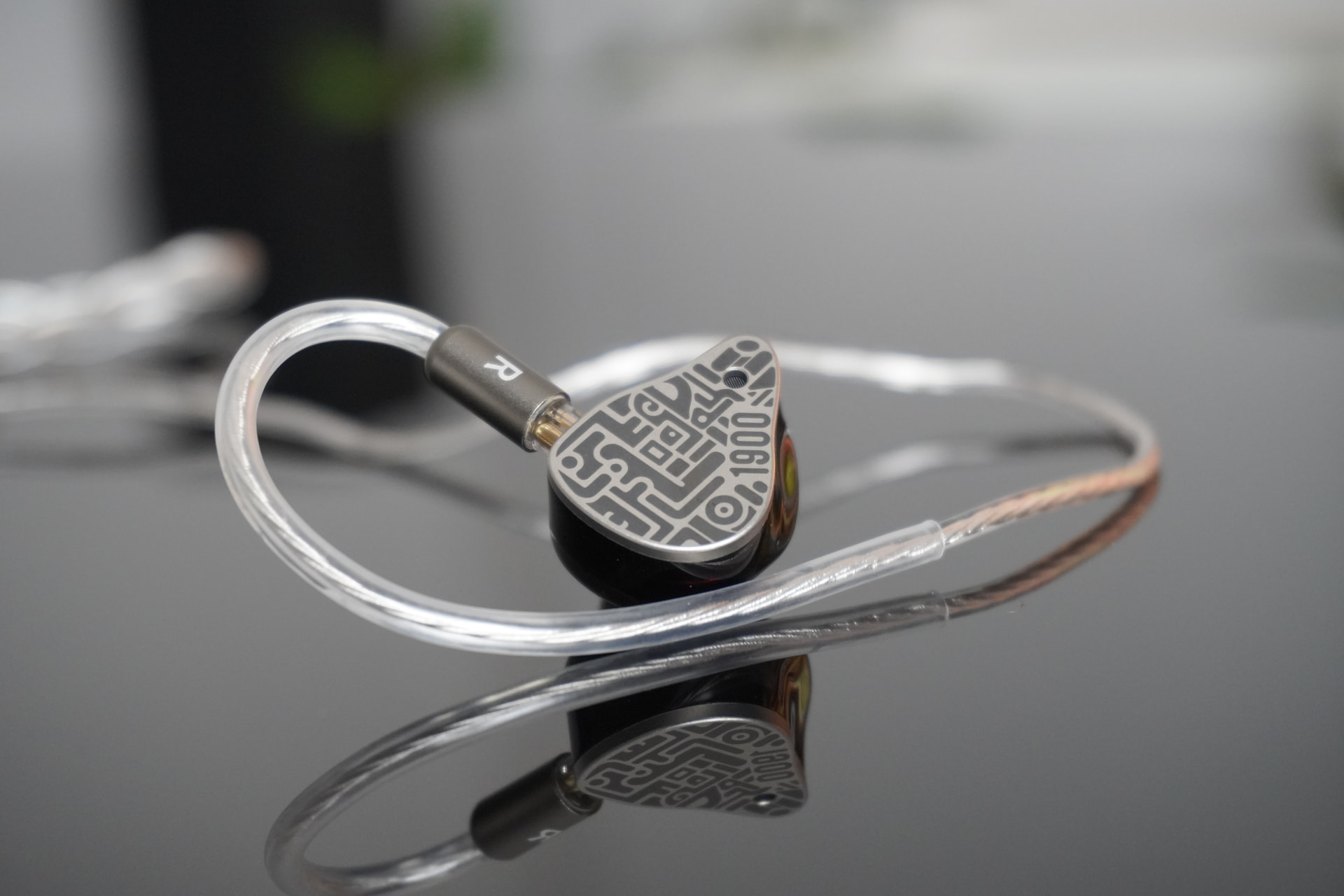
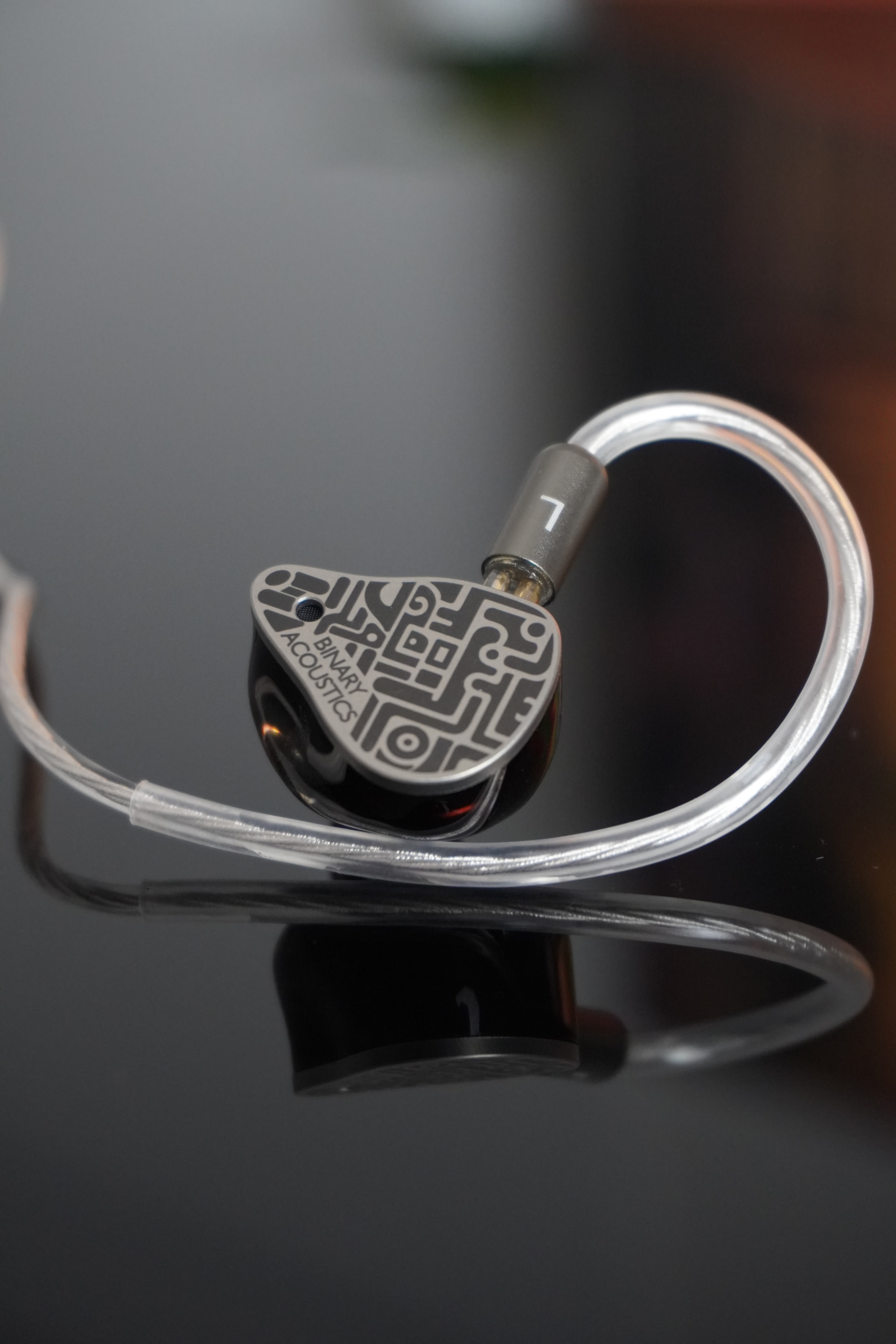
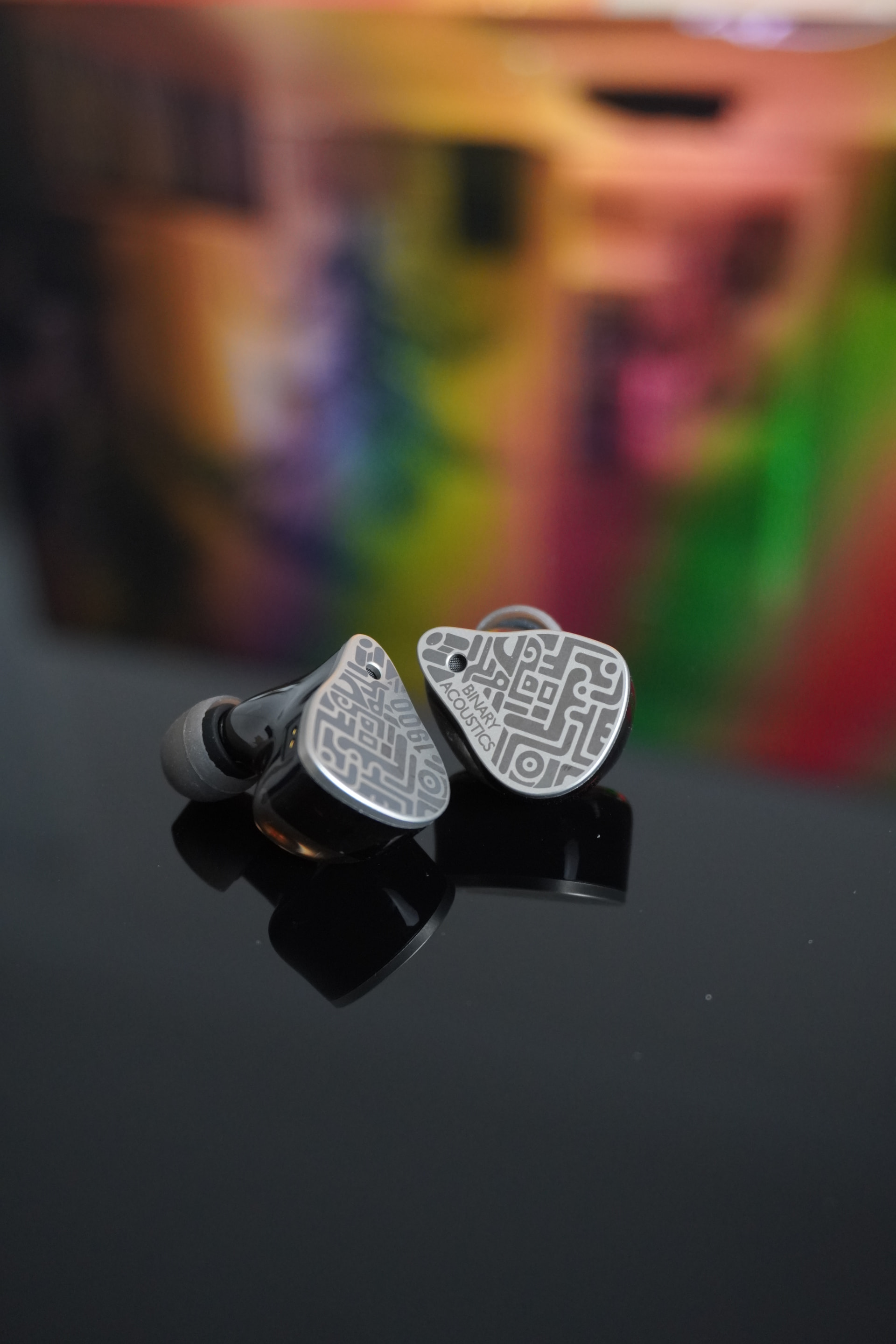
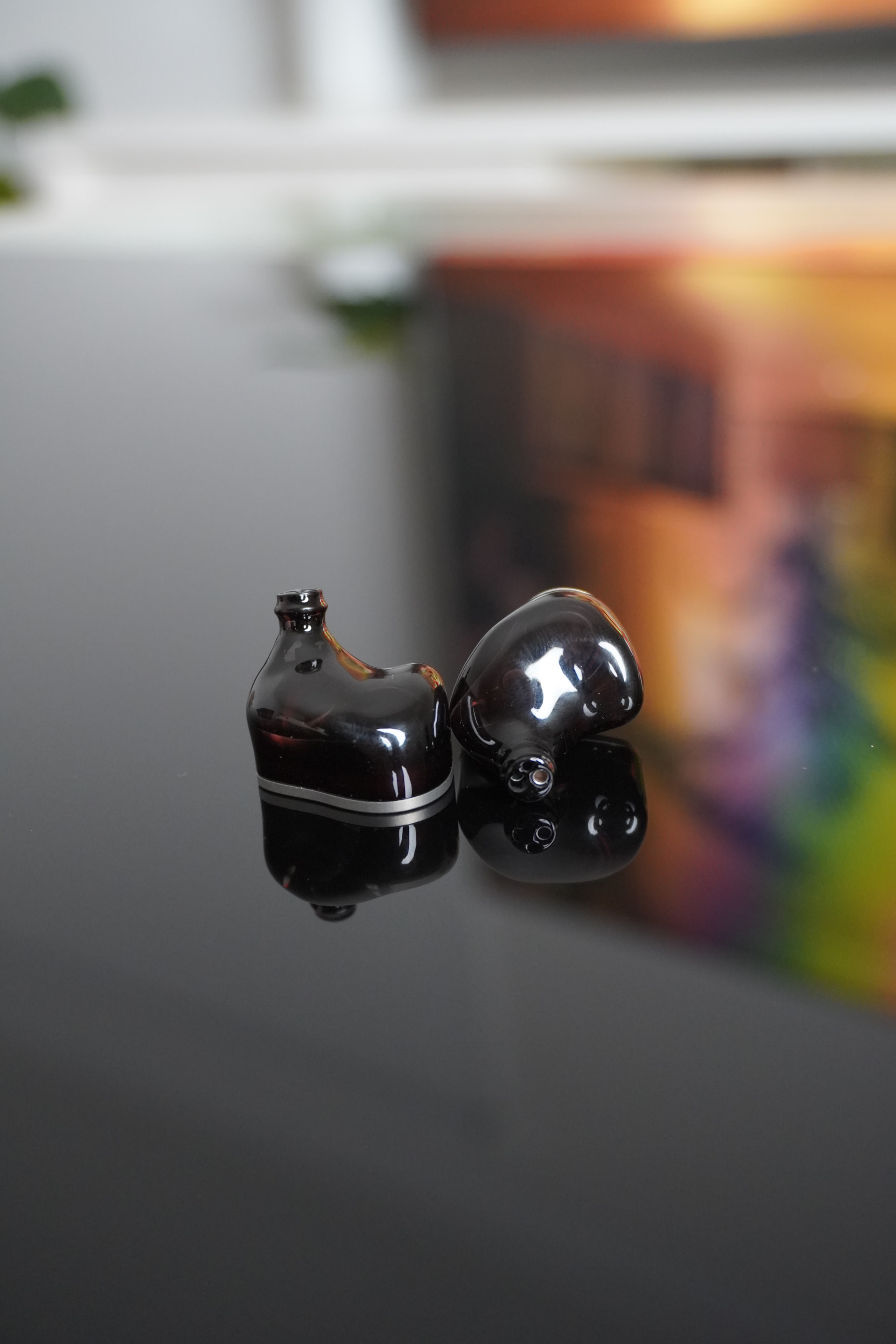
Fit is great: lightweight resin body, steel faceplate and an easy seal with zero ear pressure or driver flex thanks to the vent. The laser-engraved 316L stainless steel faceplate is a homage to the film The Legend of 1900.

Stock tips are on the thick side, I swapped them for SpinFit. My main annoyance is the cable itself: it’s stiff out of the box, keeps kinks below the splitter, and lacks modular plugs. At $235, you really should be getting a modular cable in the box.

Power

You don’t need a heavy-duty amp setup for these. They run easily off a basic dongle or headphone jack with tons of volume headroom to spare.

Isolation is solid too. Since the shells sit flush and seal well, they cut out background noise and typing clack without needing active noise cancellation.

Sound
Bass

Mid-bass is the highlight of the low end here. Kick drums and basslines have a tight, snappy punch that gives tracks plenty of energy without bleeding into the lower mids. On rock tracks like Dire Straits’ “Money for Nothing”, the drum opening hits with speed and tactile impact without lingering bloat. Sub-bass drops off pretty quickly under 50Hz, though. On heavy sub-bass tracks like Hans Zimmer’s “Why So Serious?”, you miss out on that deep, physical sub-30Hz rumble unless you add a bass shelf with EQ
Midrange

The mids are where this tuning really shines. You get a nice natural weight to vocals that keeps them sounding full but never congested. Male vocals have solid chest weight, while female vocals sit right where they should without getting shouty at higher volumes. Instrument timbre, especially piano and acoustic guitar on tracks like Fleetwood Mac’s “Landslide”, is spot on. Resolution is easily above average for the price, presenting detail smoothly rather than forcing artificial sharpness at you.

Highs

The high end strikes a nice balance. It gives you enough sparkle and detail to keep cymbals and percussion sounding crisp, but stops well short of being sharp or metallic. It’s clean, non-fatiguing, and handles bright recordings without throwing harsh peaks at your ears.
Soundstage

The soundstage isn’t insanely wide, but the instrument separation and depth are outstanding for $235. Everything feels spaced out logically in 3D rather than squashed into a single line. Even on complex, cluttered mixes like Yosi Horikawa’s “Bubbles”, you can easily isolate individual background instruments, bouncing textures, and vocal harmonies.

Tradeoffs

Main downsides? Sub-bass rolls off pretty early under 50Hz, the stock tips are too rigid, the cable is stiff and non-modular, and soundstage width is fairly average compared to its depth.
Verdict

If you’re after a comfortable daily set with natural vocals, snappy mid-bass, and awesome 3D depth, the 1900 is well worth $235. Hardcore bassheads needing deep sub-bass vibration or cable purists who want swappable plugs should look elsewhere. But for clean, easygoing listening across most genres, it’s a really solid set.

If you made it this far, thank you for reading and catch you on the next drop.

4 Likes

Thank you, this was a good read. Not sure this is the set for me, but I enjoyed the report. :+1:

Very nice review! You mentioned that the bass is tight with snappy punch. I suspect that the 1900, like the Kima 2, has bass which hits a bit harder than the squig graphs would suggest.

For vocal lovers 2.0

Pros:

Flawless craftsmanship: The IEM shell feels extremely sturdy, well-sealed, and high-quality. The stainless steel faceplates with a vintage piano finish look elegant (themed by the 1998 movie “The Legend of 1900”)

Easy to drive. Thanks to an impedance of just 10 ohms, these IEMs can be easily powered by any smartphone or common dongle DACs

Great, physical bass foundation: The bass sounds present and powerful without making the sound muddy. By using a passive radiator the 1900 delivers very full, immersive, and palpable sub- and mid-bass (leaning slightly more into sub)

Lovely midrange: Vocal reproduction is a great strenght of these IEMs. Voices especially females sound intimate, organic, and have great “note weight,” which really shines in jazz, pop, and acoustic music.

Cons:

Only essential accessories included: The included case serves its purpose for the pragmatic user and the selection of included ear tips is quite limited.

Larger shell design: The resin shell is on the slightly thicker (not chonky) side. People with very small ears may feel pressure points after extended use (for me it was comfy though)

No modular cable system: In the price range above $200, a modular cable (with interchangeable 3.5mm and 4.4mm plugs) is practically standard. You have the option between both terminations and lose flexibility if needed.

Those who are very sensitive to sharp sibilants or listen to music at higher volumes might find the IEM tiring over time due to noticeable boost in the 8 to 11 kHz range. I tend to like good amount of treble so I was perfectly fine with it’s tonality.

Disclaimer:

Thank’s to HifiGo for this review sample. I’m not affiliated with HifiGo or Binary Acoustics and all impressions for this compact review are my own and unaltered.

Source and test gear

Tidal (Windows PC)

Luxsin X8 (Desktop usage)

FiiO KA 17 (portable option)

Comparison

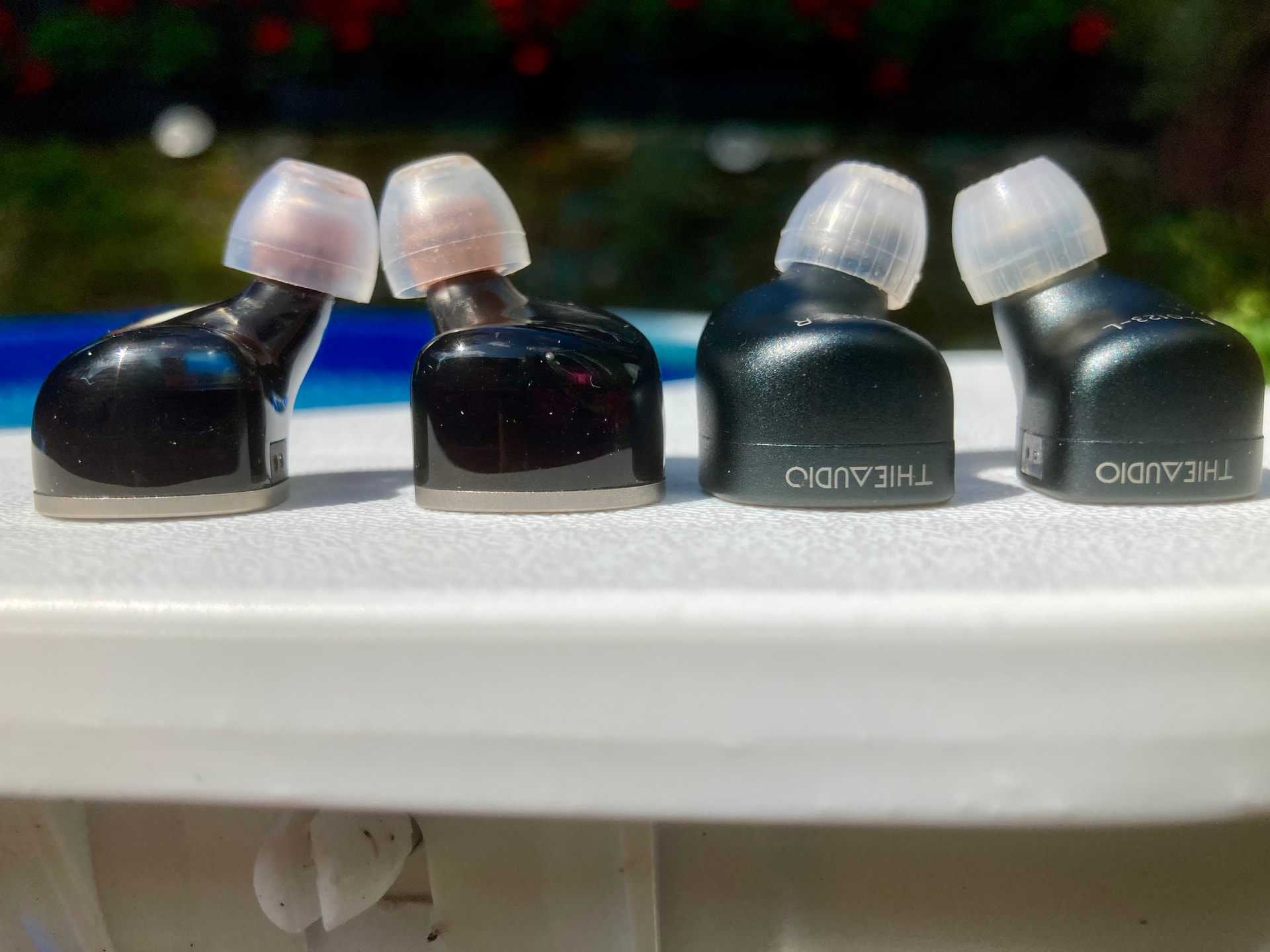
Binary Acoustics 1900 (3.5 mm single-ended) vs. ThieAudio Hype 4 MkII

Both hybrid IEMs offer phenomenal value for the money, but differ noticeably in terms of tuning, driver technology, and price range. Some might consider ThieAudio’s current model as a great upgrade in the popular 200-500 pricepoint.

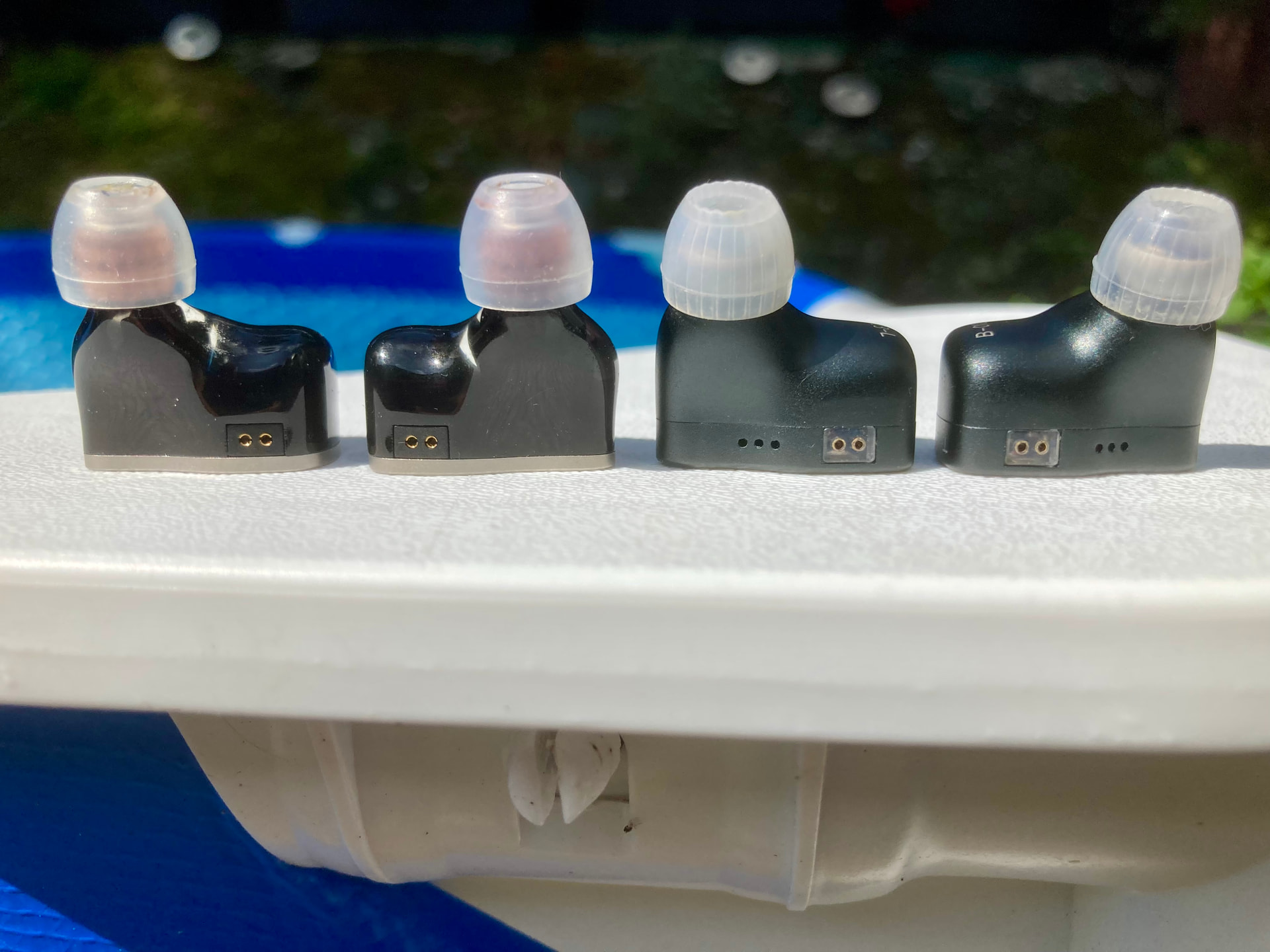
The 1900 consists of one 10mm Dynamic Driver + 6mm Passive Radiator + 4 Balanced Armature Drivers in 3-way crossover implementation.

ThieAudio’s current model consists of two 8mm Dynamic Driver (isobaric design) + 4 Balanced Armatures Drivers (branded ones) in 4-way crossover implementation.

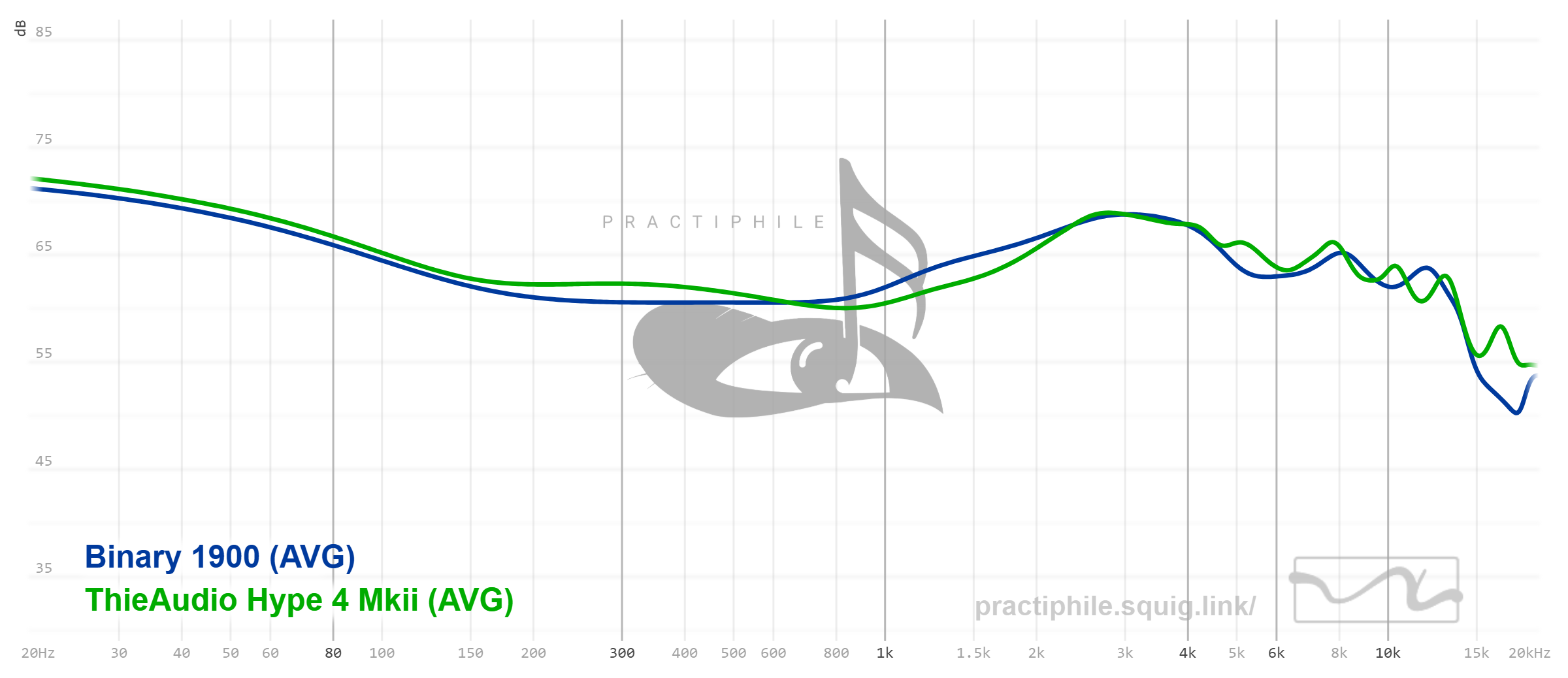
Binary 1900 has a coherent tonality. It’s sounds organic and musical and is suitable for long-term listening. Yet it doesn’t lack technicalites. It has airy but controlable treble. As you can see on the measurement the treble extension is almost on par with Hype 4 MkII.

Hype 4 MkII has a more neutral studio like tonality. The lower mids are fuller which is inspired of the New Meta aka (JM-1 target). However it lacks some excitement for both male and female vocal presentation. As expected seperation is a little better compared to Binary’s IEM. However it doesn’t fall short.

The soundstage on 1900 is above average in it’s price class. For example the Shuoer S12 which is famous for it’s technicalities has indeed a smaller soundstage.


Final thoughts

As mentioned before the biggest strength for Binary 1900 is the vocal reproduction. I would dare to say: If you find Harman tuned IEMs too shouty this IEM is the perfect model in your collection. It’s still vocal forward but overall more mature tuned so you can crank up the volume a little bit louder :wink:

3 Likes