Enjoy the weekend, everyone.
Binary EP321 MEMS — Elevated Acoustics, Accessible Excellence
Premium performance, community‑friendly cost of entry
Pros & Cons
Pros
Complete set: even the ear tips are keepers.
Excellent value proposition: strong performance for the money.
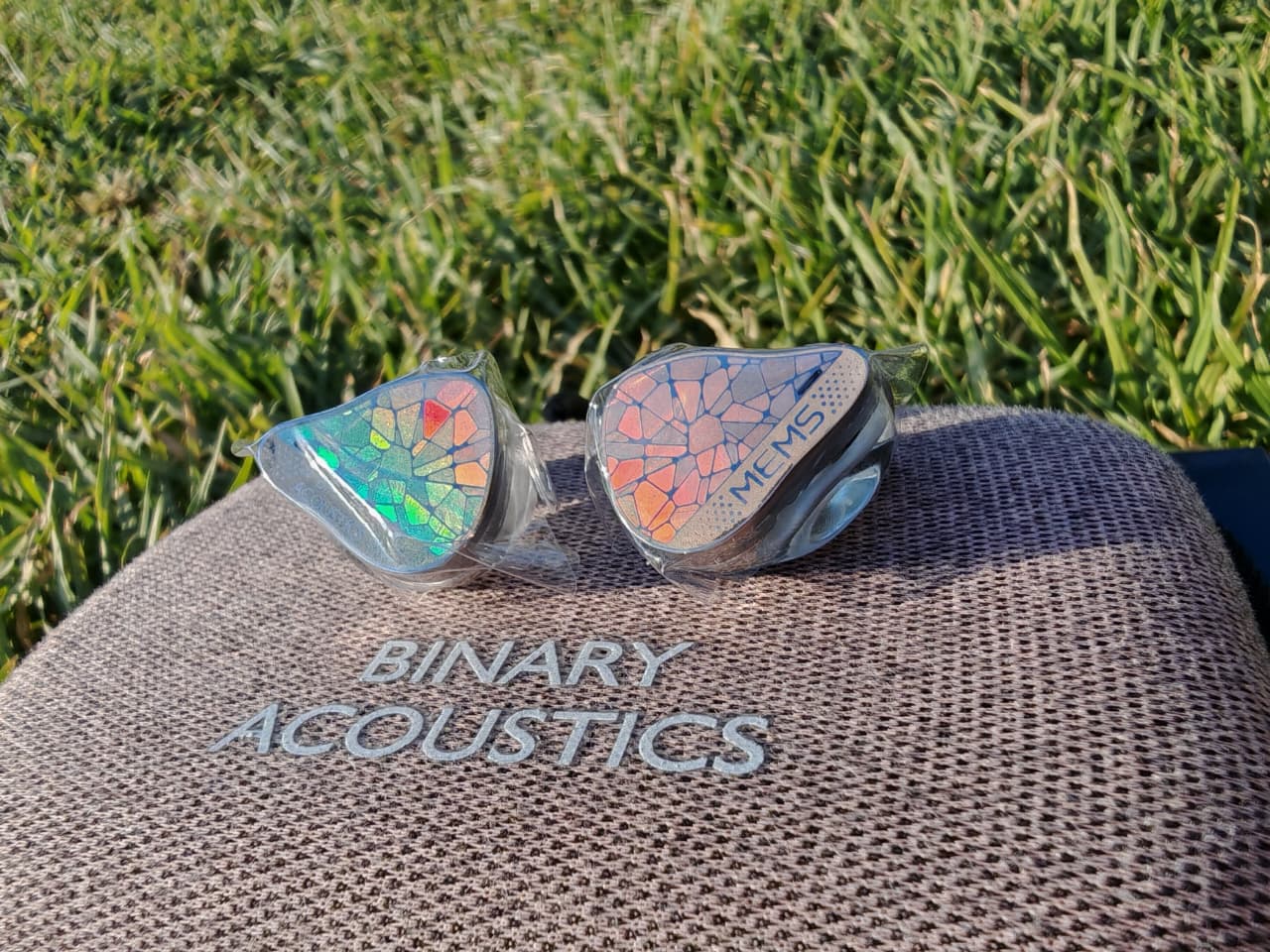
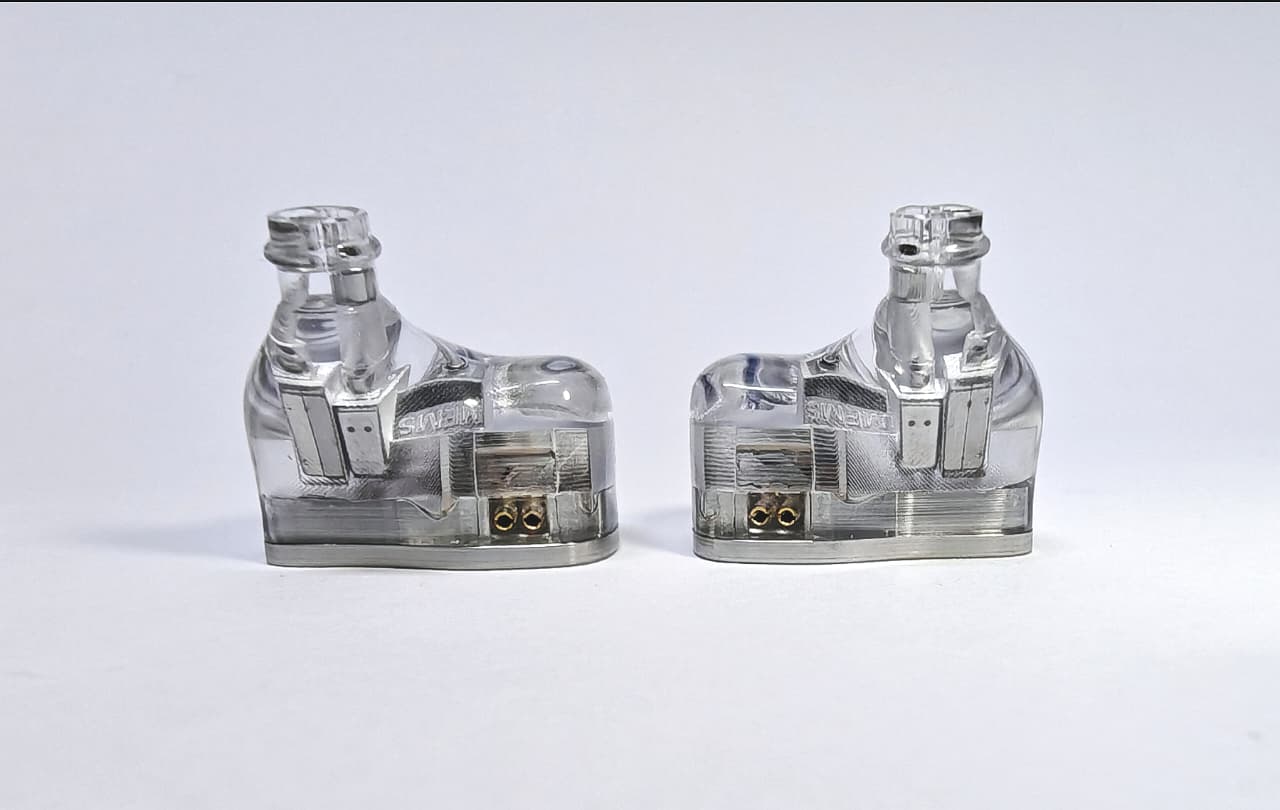
Design: lovely clear shells paired with fantastic metal faceplates.
Detailheads unite! Exceptional resolution across the range.
Trebleheads unite! MEMS drivers deliver sparkling clarity.
Bass resolution: bloat‑free, accurate, and textured.
Immersive experience: wide W‑shaped sound signature designed for long listening sessions.
Comfort: easy on the ears, lightweight shells optimized for extended wear.
Midrange & treble resolution: excellent for the price tier.
Natural timbre: lifelike tonal qualities across instruments and vocals.
Soundstage: expansive, out‑of‑head staging with convincing depth and height.
Coherence: impressive for a tribrid design, maintaining unison across drivers.
Detail retrieval & technicalities: strong micro and macro performance.
3D effects: holographic imaging enhances realism.
Efficiency: moderately efficient — a dongle is enough to portray musician‑style staging.
Cons
Not for bassheads: sub‑bass focused neutrality may feel restrained.
Not for treble sensitive listeners: bright but controlled treble can still be too much for some.
Source dependence: requires a better‑than‑average source player to unlock full potential.
Album quality dependence: poor recordings will sound poor — transparency cuts both ways.
Introduction
The greatest challenge in any endeavour is not to create the ultimate when resources are limitless — an open world of everything, including cost, makes that path almost too easy.
The genuine test lies in crafting excellence within constraints. To achieve balance, precision, and artistry when boundaries are real — that is where true innovation emerges.
In my world outside this hobby, we call it value engineering: the discipline of extracting maximum performance, clarity, and purpose.
The Binary EP321 embodies this principle, translating it into an absolute high quality, high performance of sound.
Specifications
Name: EP321-MEMS
Impedance: 13Ω @1kHz(±15%)
Sensitivity: 122dB/Vrms @ 1kHZ
Effective frequency response: 20-20kHz (IEC60318-4)
Frequency range: 8-40KHz
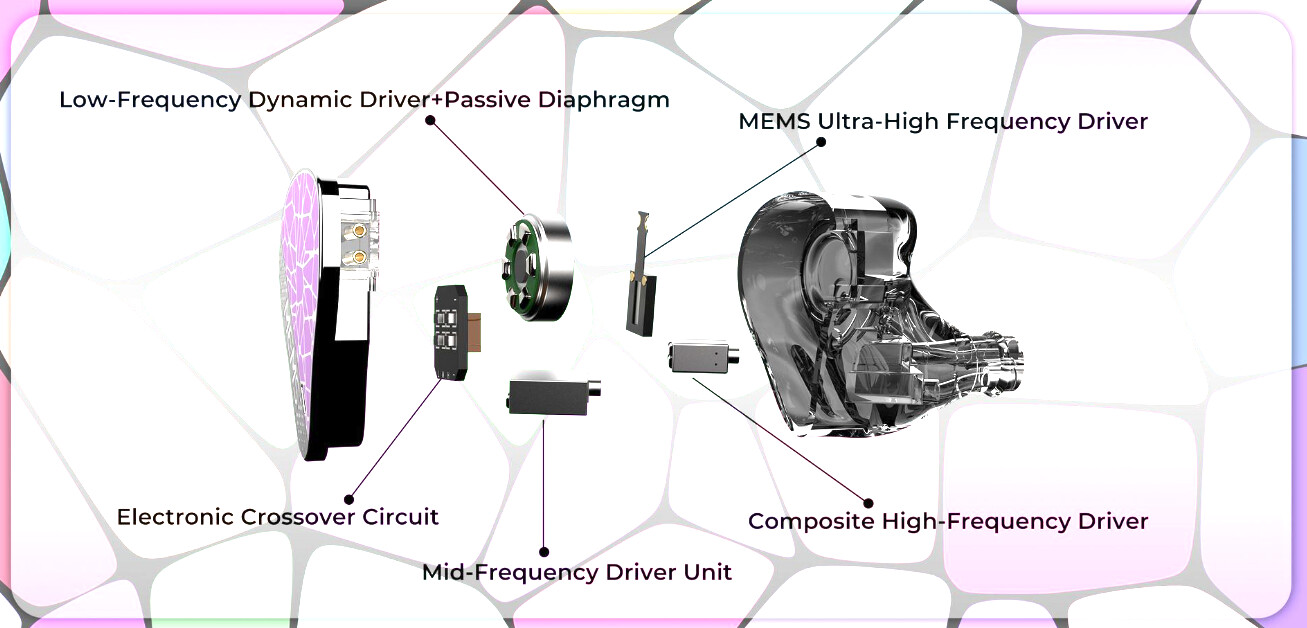
Speaker Configuration: Six-Driver Tribrid Setup with an electronic crossover each side
Drivers/receivers: 10mm silicone suspension dynamic driver and 6mm passive diaphragm, 3 balanced armature units and a directly driven MEMS micro speaker unit
Cable: Oxygen free copper, silver plated; No microphonics, soft
Packaging
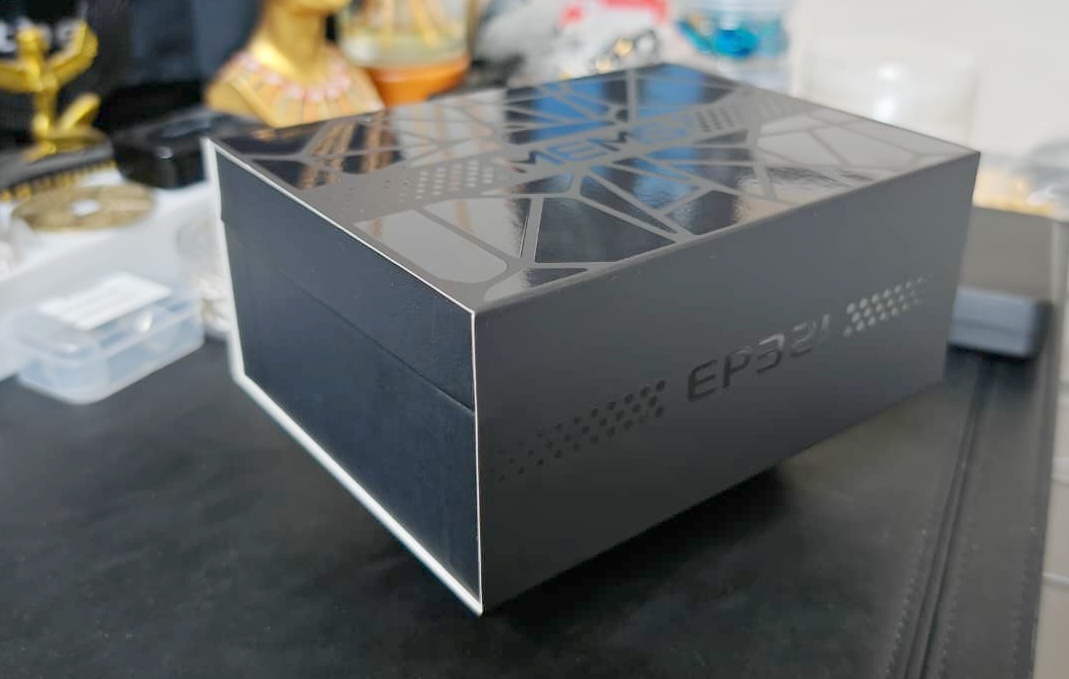
The Binary EP321 MEMS arrives in an Armani Exchange‑inspired glossy black box, setting the tone with mystery and refinement. The presentation is carefully laid out:
Faceplates are protected by laminated clear soft plastics, ensuring they remain pristine out of the box.
A dedicated compartment houses the 2 sets of ear tips coming in size S,M,L, with their own frosted transparent case.
The cable is Velcro‑tied for tidiness, avoiding tangles and reinforcing attention to detail.
Beneath the foam compartment for the IEMs lies a generously sized carrying case, offering ample space for storage and travel.
Overall, the layout feels generous and stress‑free, with no signs of compromise. The unboxing experience reflects Binary Acoustics’ intent: premium presentation that matches the elevated performance inside.
Quality
The EP321’s build reflects Binary Acoustics’ commitment to precision and artistry.
3D‑Printed Shells: Designed in collaboration with HeyGears, the shells are produced using highly precise 3D printing technology with a pre‑calculated frequency division structure. Lightweight yet robust, the transparent interiors remain visually captivating — a design that never gets old to admire.
Faceplates: The stainless‑steel faceplates employ high‑precision photolithography reflective grating technology, creating a dazzling, colour‑shifting effect under different lighting conditions. This adds a premium aesthetic without compromising ergonomics.
Weight & Comfort: Despite the use of stainless steel, each unit weighs only about 7.5g per side. The profile sits comfortably in the concha, allowing hours of fatigue‑free wear. Extended workday testing confirms the shells remain secure and comfortable throughout.
Overall Impression: The combination of advanced 3D printing, reflective grating faceplates, and ergonomic design makes the EP321 both visually striking and practically effortless to use. It balances engineering precision, sophistication with everyday comfort.
Detailed Sound Impressions 
Bass; The EP321 MEMS presents a sub‑bass focused response within a neutral tone, striking a balance between accuracy and musicality.
Control & Detail: Notes are delivered with precision, showcasing excellent control, texture, and decay. Extension is decent, ensuring the low end feels complete without exaggeration.
Visceral Impact: Despite its neutral nature, the bass can be throbbing and visceral when called upon. Listening to “Under the Influence” by The Chemical Brothers highlights this quality — the EP321 defines visceral bass through natural weight and authority.
Foundation of the Track: The bass response feels organic, serving as the ideal foundation for complex arrangements. It supports rather than overwhelms, allowing mids and treble to breathe while still anchoring the music with authority.
The EP321’s bass is disciplined yet engaging — textured, accurate, and capable of visceral impact when the track demands it. It avoids bloat, instead offering a natural foundation that enhances the overall coherence of the presentation.
Auditioning the EP321 MEMS after an hour and returning to the same track confirms its natural timbre in the bass region. This design clearly favours long listening sessions, where the bass remains authoritative yet fatigue‑free.
Mids; The EP321 MEMS midrange is its sonic playground, where neutrality meets richness.
Neutral Character: Like the bass, the mids carry a neutral tonality — but not in the sense of being thin or sterile. Instead, they present a neutral high definition that feels natural and balanced.
Detail Retrieval: The midrange is rich in both low‑level microdetails and macro dynamics, ensuring subtle textures and larger musical swings are equally well represented.
Vocal Projection: Male and female vocals alike are projected with confidence and clarity. The EP321 captures timbre faithfully, giving voices a lifelike presence without artificial warmth or coloration.
Engagement: The mids remain lively and open, supporting instruments and vocals with coherence. They avoid congestion, allowing the listener to appreciate separation while still feeling the performance as a unified whole.
The EP321’s midrange is where its musicality and discipline converge, offering a presentation that is both engaging and orderly.
Vocal Projection: On “Sinnerman” by Nina Simone, the High Priestess of Soul, the EP321 captures her vocal range with absolute clarity. The performance projects powerfully yet naturally, with the added bonus of revealing microphone capture nuances that bring the studio atmosphere to life.
Engagement & Order: Despite the highly engaging nature of the track, the EP321 maintains structure. Instruments and vocals are presented with separation and balance, ensuring the energy never tips into chaos.
Instrumental Detail: The piano is rendered with remarkable precision — from the plucking of keys to the subtle pedal indentations, every nuance is faithfully reproduced. This level of detail enhances realism and immerses the listener in the performance.
Timbre & Coherence: The midrange remains neutral in tone, rich in both micro and macro detail. Vocals and instruments sound lifelike, with timbre that supports long listening sessions without fatigue.
The EP321’s midrange is neutral yet richly detailed, projecting vocals with clarity and instruments with realism. It balances engagement with discipline, making complex performances like Nina Simone’s Sinnerman both emotionally powerful and technically ordered.
Upper Midrange; The EP321 MEMS demonstrates its high‑quality, high‑performance nature most vividly in the upper midrange.
Instrumental Coherence: Violins are rendered with remarkable clarity and natural timbre, seamlessly blending with piano and upright bass. The EP321 maintains coherence across instruments, ensuring no single element dominates the mix.
Classical Performance: On Beethoven for Three: Symphony No. 6 in F Major, Op. 68 “Pastorale” featuring Emanuel Ax, Leonidas Kavakos, and Yo‑Yo Ma, the EP321 captures the collaboration with unison. Each instrument is distinct yet harmonized, reflecting the ensemble’s synergy.
Detail & Texture: The upper midrange reveals fine textures — bowing on strings, resonance of piano keys, and the body of the upright bass — all delivered with precision and balance.
Engagement: The presentation is highly engaging without becoming forward or fatiguing. The EP321’s tuning ensures the upper mids remain musical, supporting long listening sessions with ease.
The EP321’s upper midrange excels in clarity, coherence, and natural timbre, making classical ensembles a joy to experience. Violins, piano, and upright bass are faithfully reproduced, with unison and order that highlight the artistry of collaboration.
Treble; is the raison d’être of the EP321 MEMS — its defining strength and signature.
Living HD Colour: Presented in full living high‑definition colour, the treble offers sparkling clarity with a realism that approaches home hi‑fi class.
Neutral Yet High Definition: The tuning remains neutral, but not thin. Instead, it embodies high definition neutrality, where detail and extension are delivered without harshness.
Hypnotic Presentation: From the opening notes through to the closing of “Do It Again” by Steely Dan, the treble is nothing short of hypnotic. It draws the listener in with effortless brilliance.
Air & Extension: The EP321 excels in treble air, clarity, and decay. Extension is sublime, giving cymbals, strings, and upper harmonics a natural shimmer that enhances the sense of space.
Realism & Control: Despite its sparkle, the treble remains controlled, avoiding sibilance or fatigue. It balances technical precision with musical engagement.
Technicalities
The EP321 MEMS delivers technical performance that feels far beyond its price tier, approaching the scale and realism of full‑size headphones.
ADSR / PRaT: On “Take Five” by The Dave Brubeck Quartet, attack, decay, sustain, and release are spot on. Pace, rhythm, and timing are natural and precise, keeping the performance lively and coherent.
Stage Depth & Reflection: Percussion reflections against studio walls are rendered with exceptional depth, creating a convincing sense of space.
Stage Height & Width: Height extends above the head, while left‑right width approaches shoulder edges. The result is an expansive, immersive stage that feels larger than expected for an IEM.
Imaging Scale: Imaging carries a scale akin to full‑size headphones, with instruments placed convincingly in three‑dimensional space.
Dynamics: Both low‑level microdetails and macro swings are handled with finesse. Dynamic contrast is aces, ensuring quiet passages and explosive peaks are equally well represented.
Timbral Qualities: The timbre is hi‑fi in nature, with a high degree of realism across instruments and vocals.
Holographic Imaging: Imaging is absolutely clear as day, with holographic precision that enhances immersion and realism.
The EP321’s technicalities are exceptional for its tier — precise ADSR, expansive staging, dynamic contrast, hi‑fi timbre, and holographic imaging combine to deliver a presentation that feels far larger than its form factor.
Select Comparison
Detail Heads / Treble Heads Fight!!
Versus the iBasso IT07 ($900) Configuration: 1 × Tesla Dynamic Driver + 6 × Knowles Balanced Armature drivers per side, silver nozzle filter used.
Bass: Both sets present neutral bass. Detail retrieval is on par, though the EP321 bears more weight and offers a larger scale.
Midrange: The IT07 leans further into neutrality, while the EP321 carries a touch of warmth. Separation is a toss‑up — the EP321’s Siamese twin BA receiver shows its high‑performance traits despite the different tuning approach.
Treble: The IT07 is expertly tuned, with fantastic resolving power and some of the best treble parameters for the money. It is the brighter set, whereas the EP321 offers a bright but controlled attitude, balancing sparkle with restraint.
Technicalities: Sound field depth favours the former iBasso flagship, though the EP321 is not far behind. Width is more or less equal, while stage height goes to the EP321.
Detail Retrieval: The IT07’s brighter tuning gives the impression of an upper hand in microdetail, though margins are small.
3D Effects: A tie — both sets deliver convincing spatial cues.
Summary
The EP321 overall is the more natural‑sounding set, despite bearing bright properties. The IT07, by contrast, leans toward the analytical side, with razor‑sharp treble resolution and depth. Both cater to detail and treble enthusiasts, but the EP321 tempers brightness with musicality, while the IT07 pursues precision with neutrality.
Final Words
The Binary EP321 MEMS is more than just another entry in the mid‑tier IEM market — it feels like a statement piece. From its Armani Exchange‑inspired packaging to its HeyGears‑engineered shells and dazzling photolithography faceplates, the presentation sets the tone for what lies inside: a performance that blends technical precision with musical engagement.
Across the frequency range, the EP321 demonstrates discipline and coherence. Sub‑bass is textured and visceral without bloat, mids are neutral yet richly detailed, upper mids deliver lifelike timbre and instrumental unison, and treble is hypnotic — airy, sparkling, and fatigue‑free.
Technicalities seal the deal: expansive staging, holographic imaging, hi‑fi timbre, and dynamic contrast that rival full‑size headphones.
Comparisons with respected upper class like the iBasso IT07 show the EP321’s character clearly. The EP321 refines neutrality into something more musical and spacious. Against the IT07, the EP321 tempers brightness with natural realism, offering a sound that feels less clinical and more immersive.
Verdict
The EP321 MEMS is a gateway to high‑end technicalities at a competitive price point. It respects neutrality but adds scale, air, and musicality, making it equally suited for detail heads and long‑session listeners. Binary Acoustics has delivered a set that doesn’t just perform — it defines its own identity in a crowded field.
Should we value clarity, coherence, and fatigue‑free brilliance, the Binary EP321 MEMS deserves a place on anyone’s shortlist.
 An IEM brand since 2017, already carving its identity.
 What we know so far: The EP321 marks a return with fresh engineering after a deliberate pause.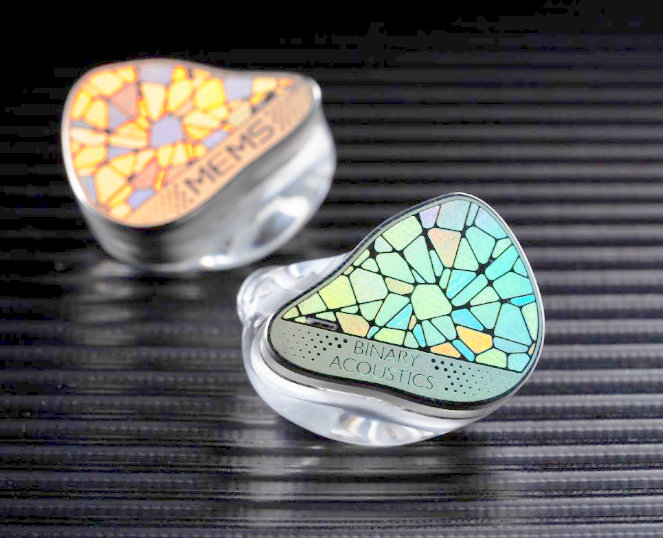
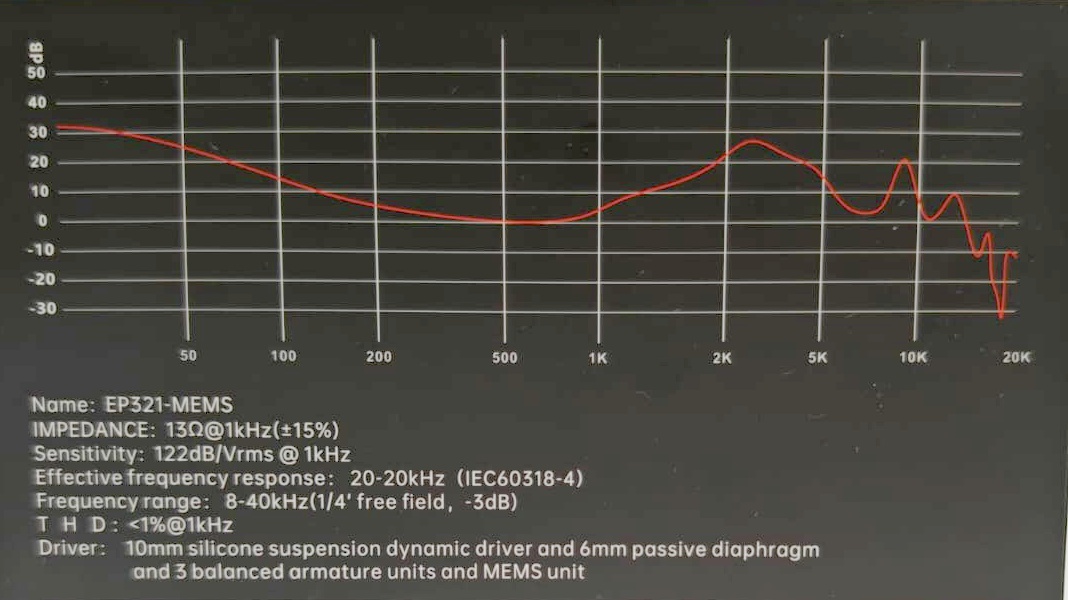

 Tuning: In line with the graph, the EP321 leans into a W‑shaped signature, paired with a higher‑than‑usual headstage. Vocals are projected slightly away from the listener, enhancing spatial realism.
 Soundstage: significantly wide with convincing depth, creating an immersive listening field. This set can and will holograph given the right source.
 I don’t think so.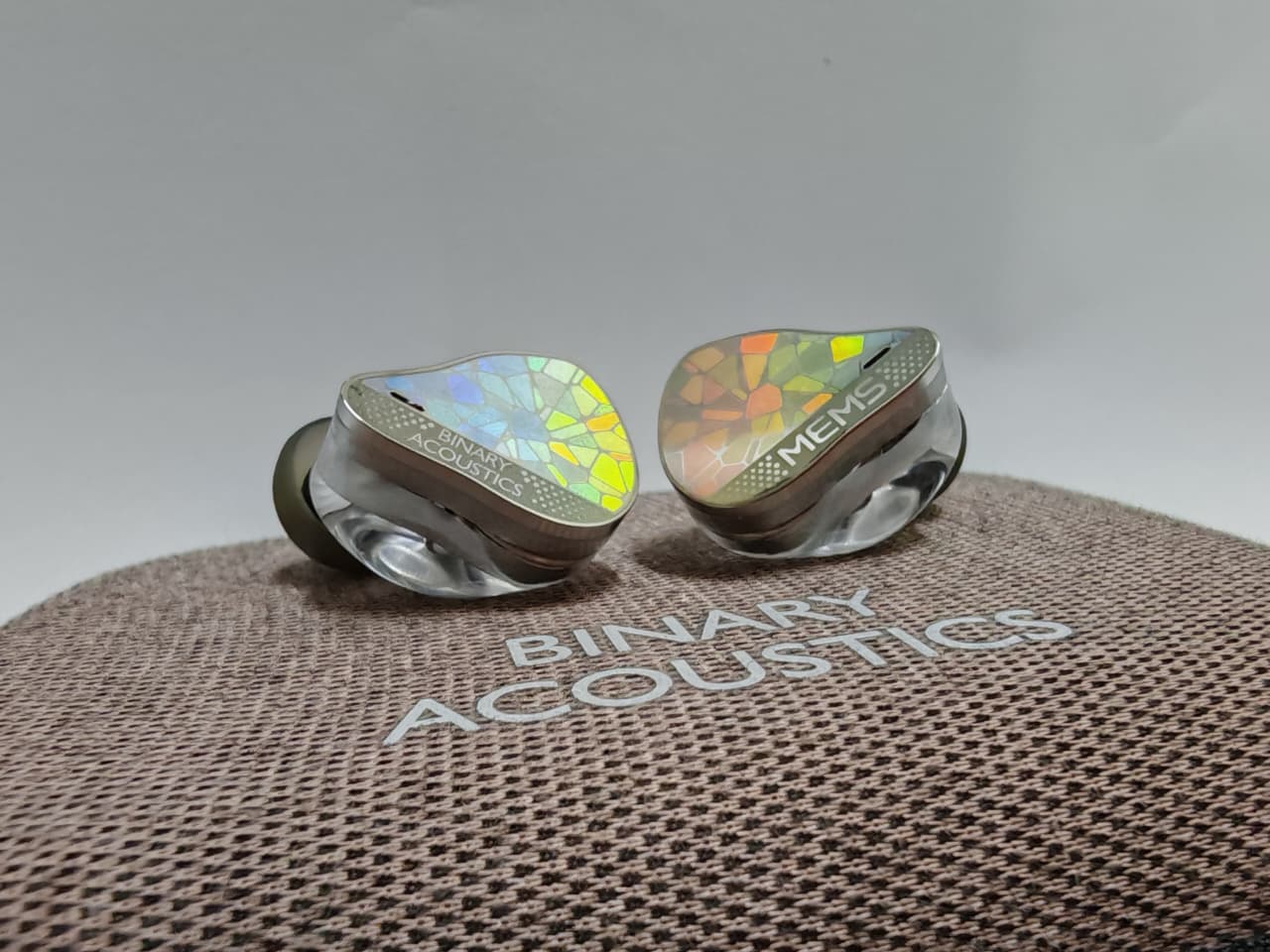






 but don’t care for deep insertion.
 im sure the IEM is great tho.