Greetings to you.
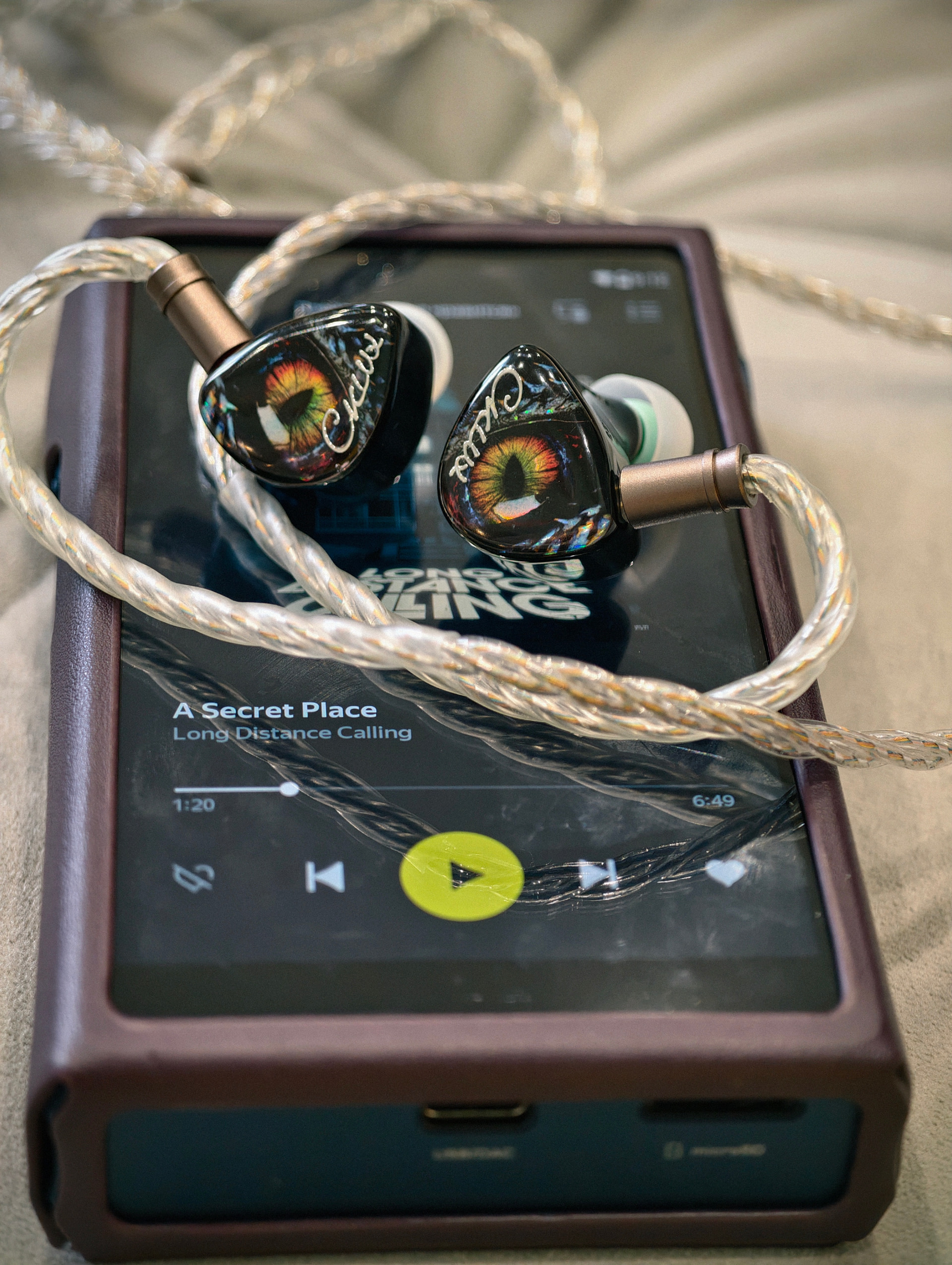
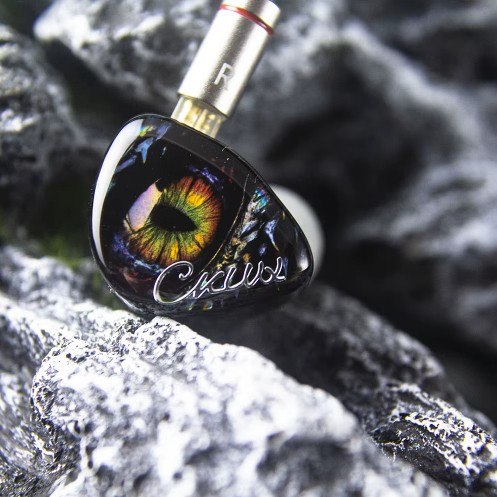
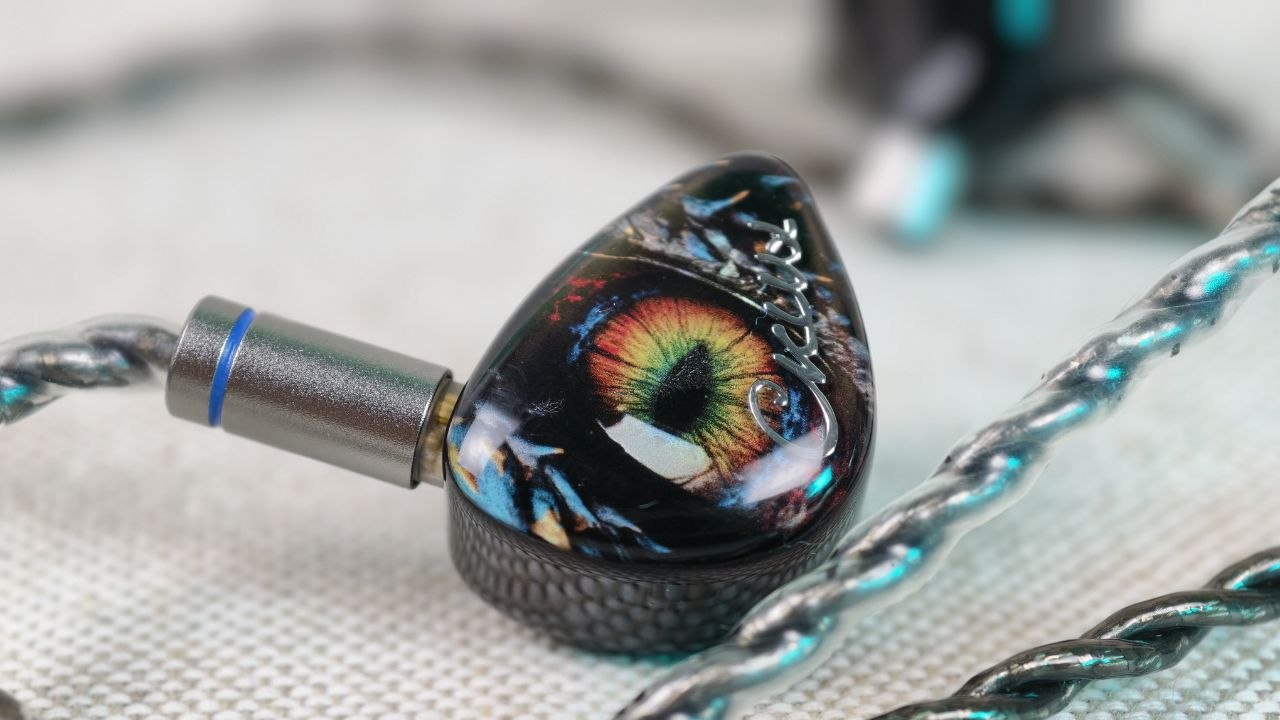
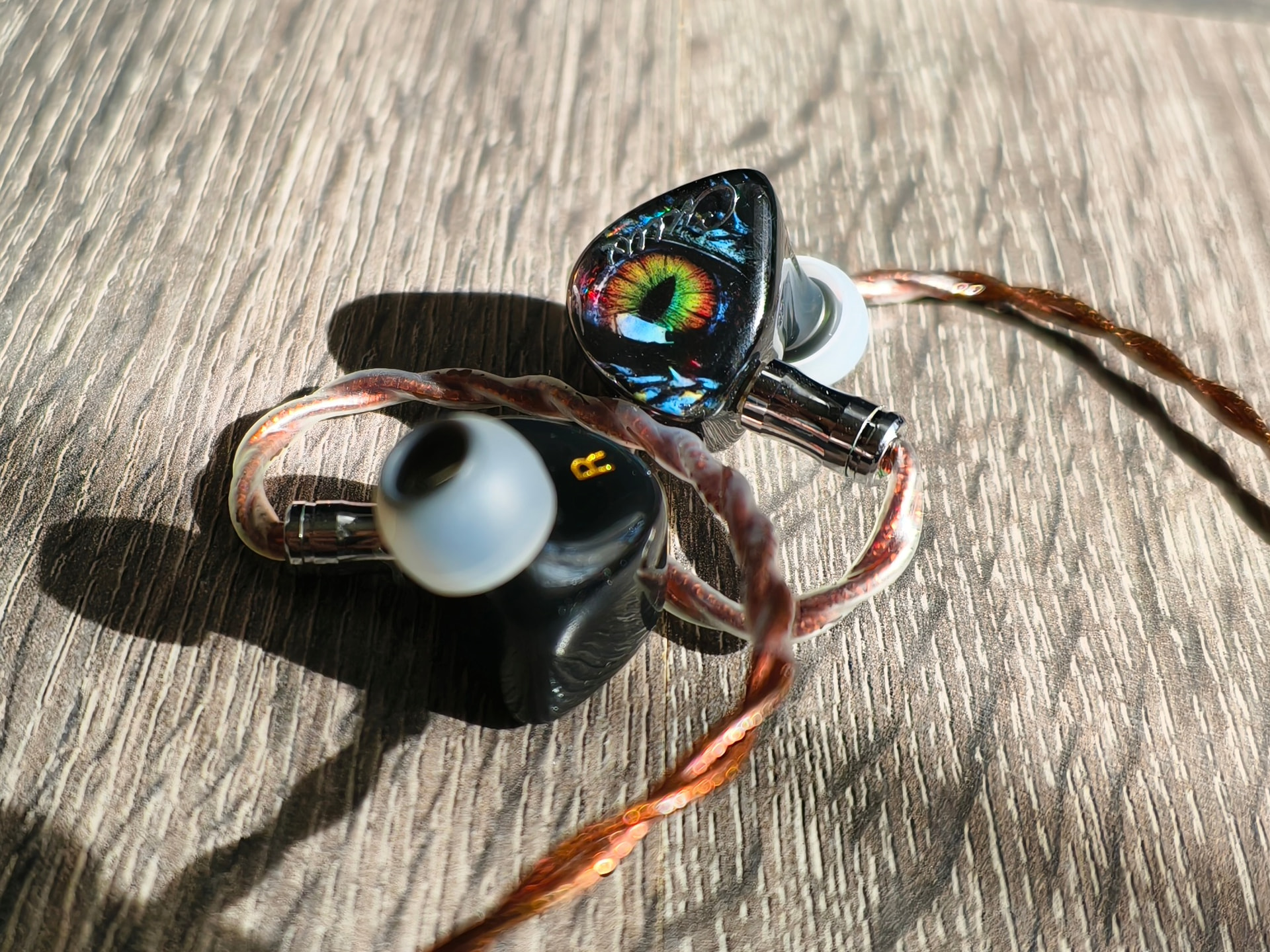
My new purchase arrived today. CKLVX Hydra. I was really intrigued by the design of the iem, so I got in touch with the seller to find out more. I’m sharing this information with you in case anyone’s interested. They’re 1DD 6BA 2MPL hybrids. A collaboration with the audio blogger soundcheck39. They took two years to develop. I’ve only just started listening to my new little gem, so for now here are a few photos; I’ll share my audio impressions a bit later once I’ve formed my first impressions
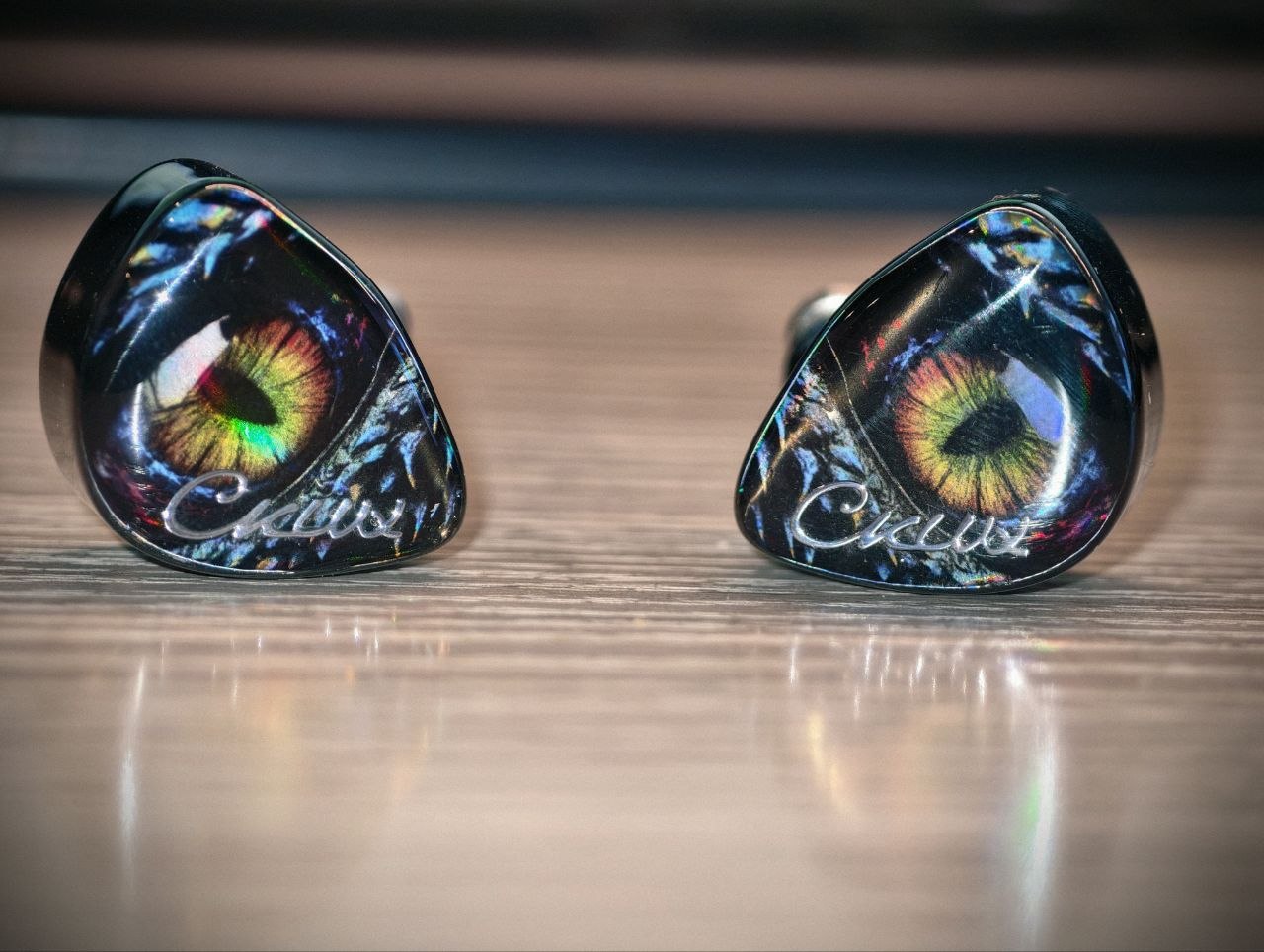
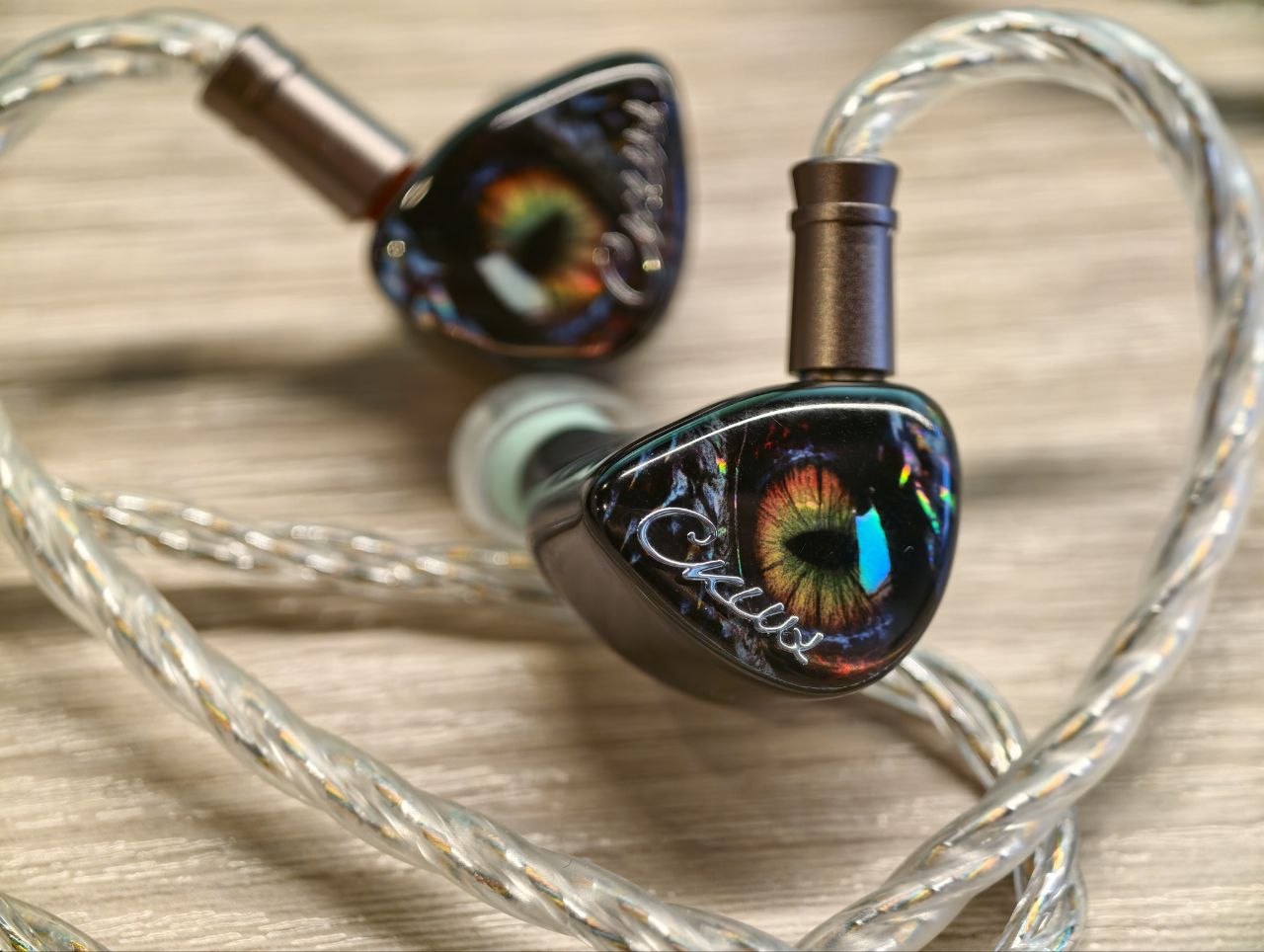
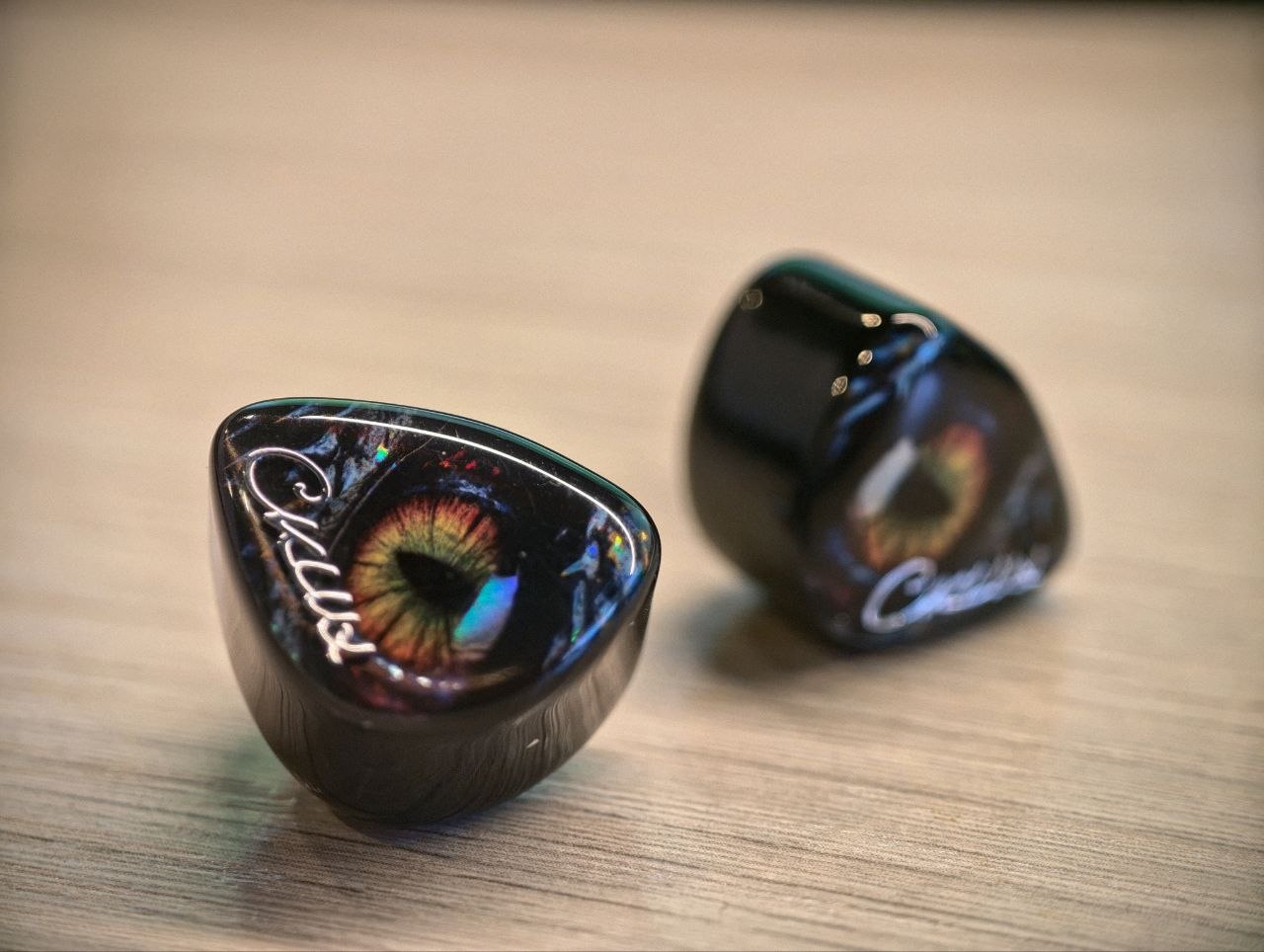
.
Hi! As promised, I’m sharing my impressions of the CKLVX×Soundcheck39 Hydra headphones.
For the past two days, since I’ve received it, I’ve simply been listening to the music.
All 3,500 tracks on the memory card, randomly selected. No deep analysis or detailed frequency range assessment was made.
No matter the genre, no matter the track quality, everything brought immense pleasure and engagement. Seriously.
You eagerly await what track the random playback mode will be chosen and how the Hydra will handle it. And in the vast majority of cases, you’ll face a truly WOW experience.
The IEM reveal everything magnificently, with great detail, and the sound is captivating!
You know, I’ll try to get the point across…the headphones deliver a wealth of information across all frequency ranges. And what’s most impressive is the excellent tonality balance. There’s no excess, for example, oversaturated bass or excessive, toxic brightness in the treble/upper mids.
No frequency range dominates the other; instead, the balance is very organically maintained. And there’s a great deal of gut-wrenching energy and expression.
A concentrated emotional experience. But at the same time, it’s not overly tiring. There’s no feeling of fatigue from listening to music. This is the quintessence of what I personally love about sound.
TREBLE
I really liked the HF. Just how I like them. They’re distinctly fresh in the higher octaves (the so-called far highs). They’re airy, extended, and add a pleasant sound coolness.
There’s plenty of information in the main range. Clicks on drums, hats and cymbals, and high vocal notes sound amazing.
MIDS
The midrange is aggressive on guitars or extreme vocals and detailed in various instrumental sections or vocal compositions.
BASS
The bass is outstanding! Sometimes, it creates such a powerful, visceral pressure from deep within that it’s almost frightening with its power, unexpected impact, focus, and clarity.
Electronic music sounds stunning. The synthetic bass is superb. The dynamic driver’s pressure and attack are among the best I’ve heard in other IEMs. The bass is layered and detailed, with pleasant decay tails. The sub-bass is very deep and easily extends into the infra-sonic region.
I’d especially like to note the Hydra’s ability to create a very wide, expansive, and voluminous virtual soundstage. Channel and plane separation are excellent.
Excellent frequency coverage, stunning overall resolution. Lots of detail.
I can directly compare them to my still-favorite Juzear Defiant.
The sound character, roughly speaking, is generally similar at the opposite edges. I’m talking about the sub-bass and upper octaves. I love these two extremes of frequency response when it comes to emphasis. But the Hydra takes these parts to the absolute extreme in terms of quality and performance. The highs are more extended, covering the main part of the high frequency range in more detail. And the bass has significantly improved performance thanks to a high-quality dynamic driver and its tuning.
By the way, I met up with my friends and brought this IEM. It was a blind test. I didn’t tell them the price or the configuration, but simply handed them the headphones and said, “Hey guys, listen and judge this.”
All six people categorically declared the sound very interesting and expensive.
And everyone wanted to buy them.
In the end, I can say that I liked everything overall. On overtly bright or low-quality recordings, they can cause discomfort. But that’s expected. On the tracks I’m talking about, I faced the same in the most of the IEM I’ve previously tested.
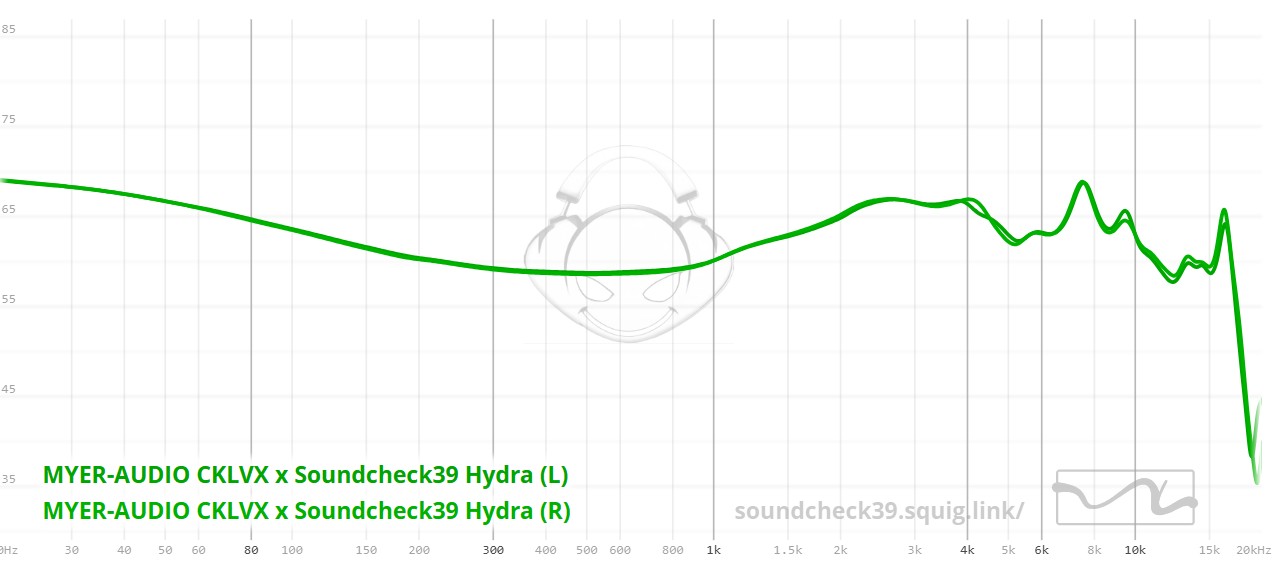
Yes, the highs are quite impressive, but through this seemingly light tone, such a low-frequency foundation breaks through that it literally knocks out all the dust, such powerful attacks that it’s simply astounding. And you wouldn’t expect it. At first glance, there’s a lot of information on the right side of the graph, creating a deceptive impression of an excess of brightness.
But then the contrasting bass and lower midrange accents bring everything into focus, and a perfect frequency balance emerges.
This is what captivates. You feel the dynamic driver power and the expert driver coordination level.
I REALLY like these hybrids. Fireflies with a sledgehammer  And big eyes
This is illegal. I didn’t even think that could be possible.
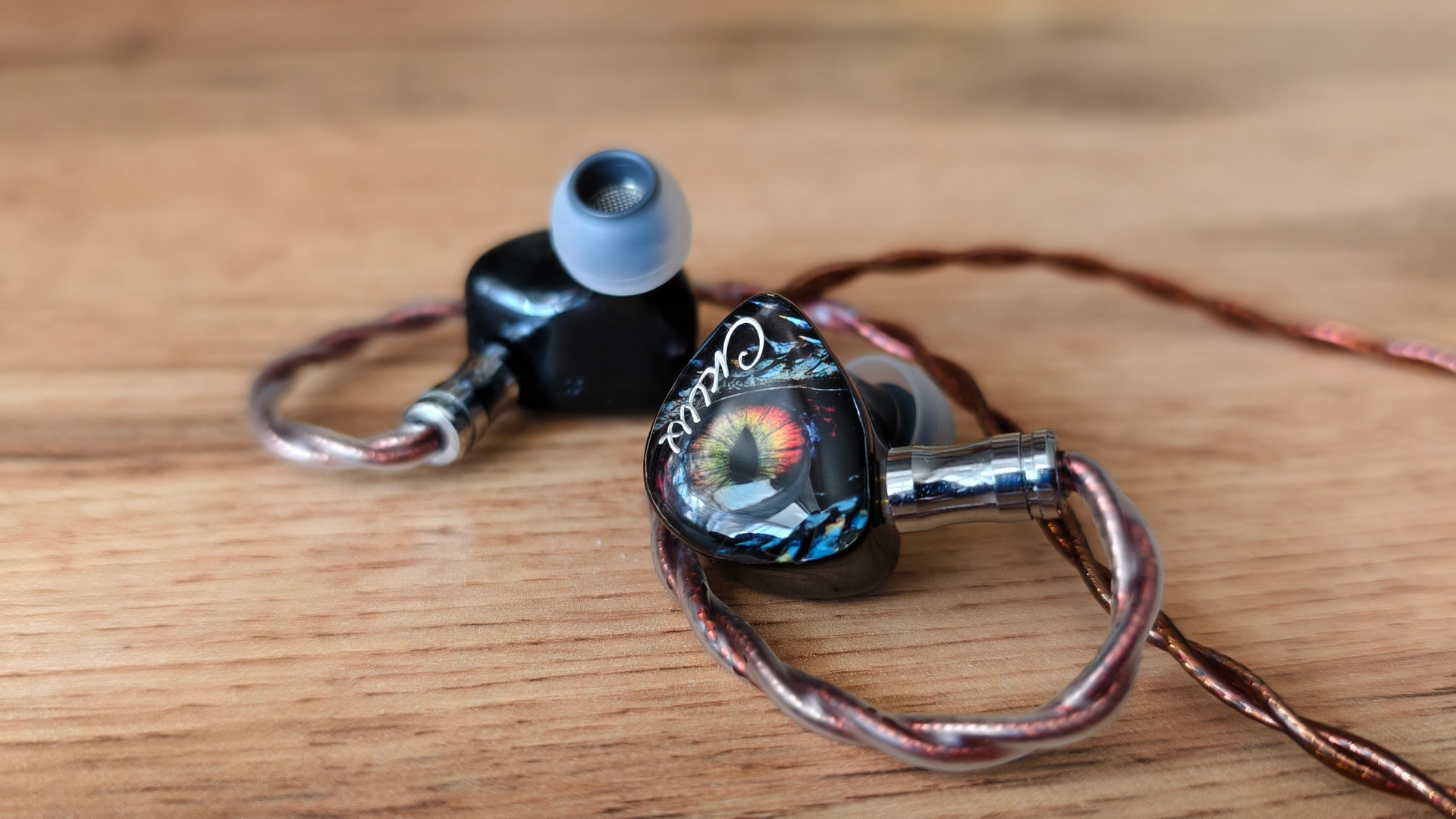
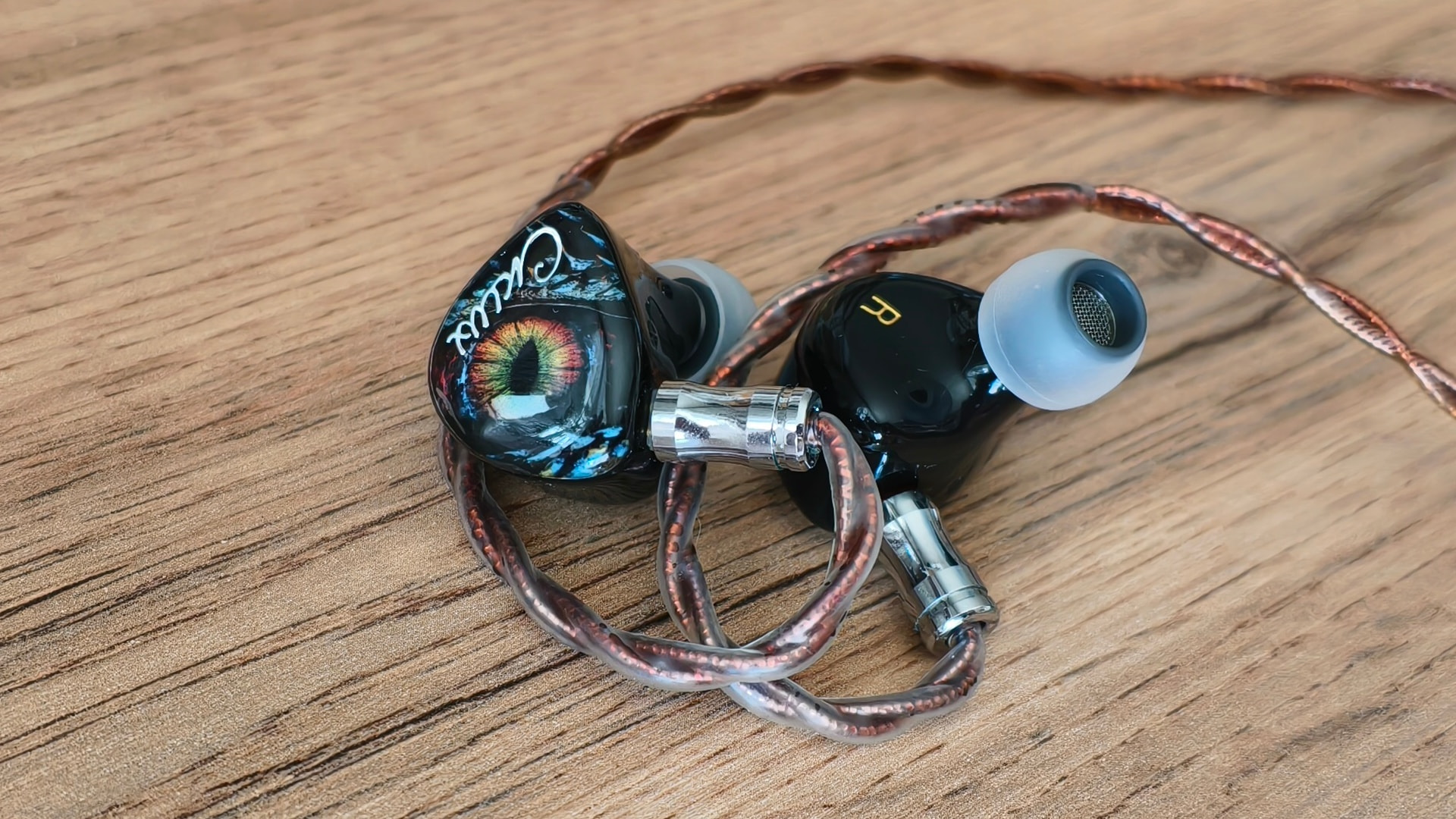
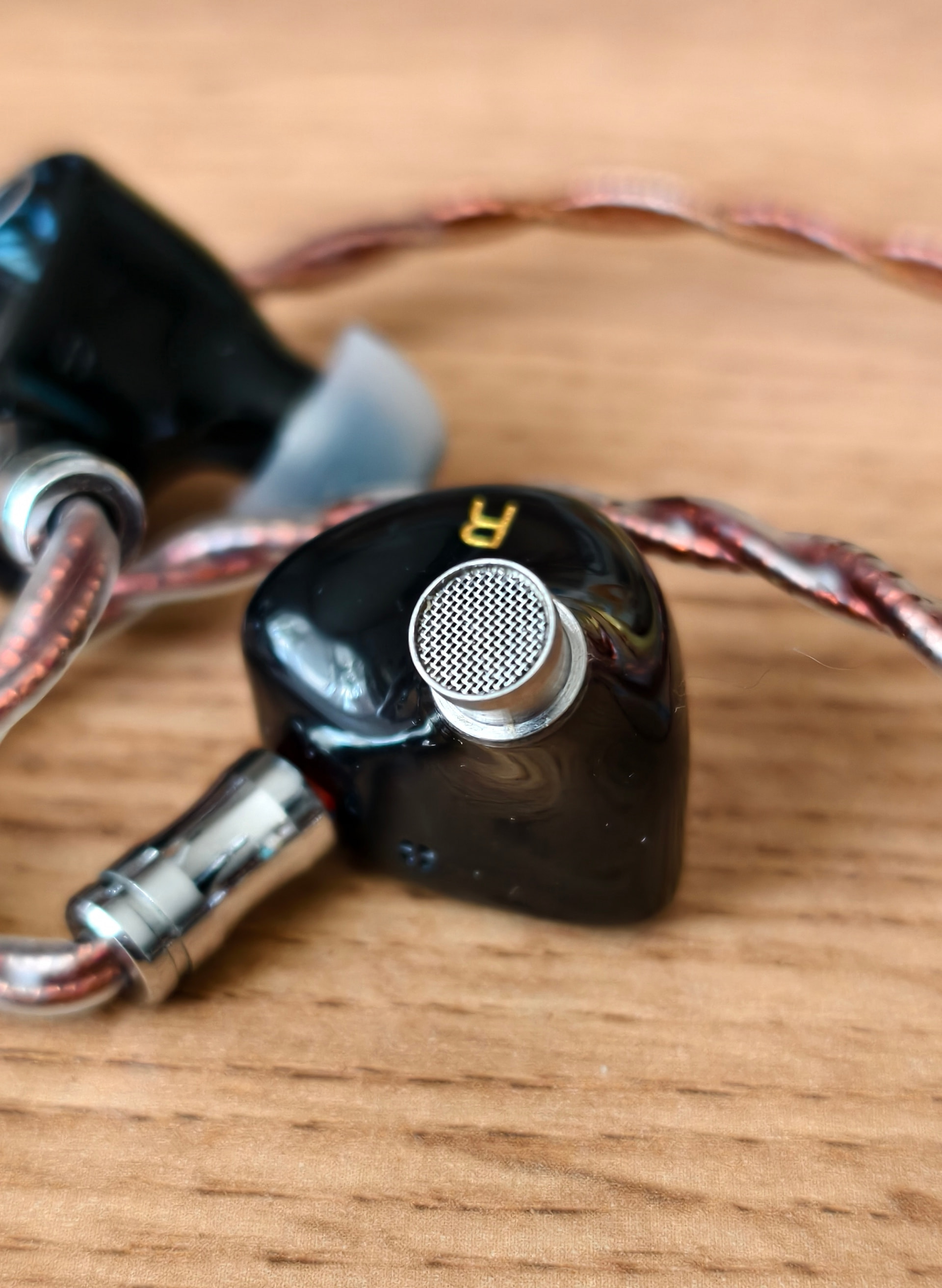
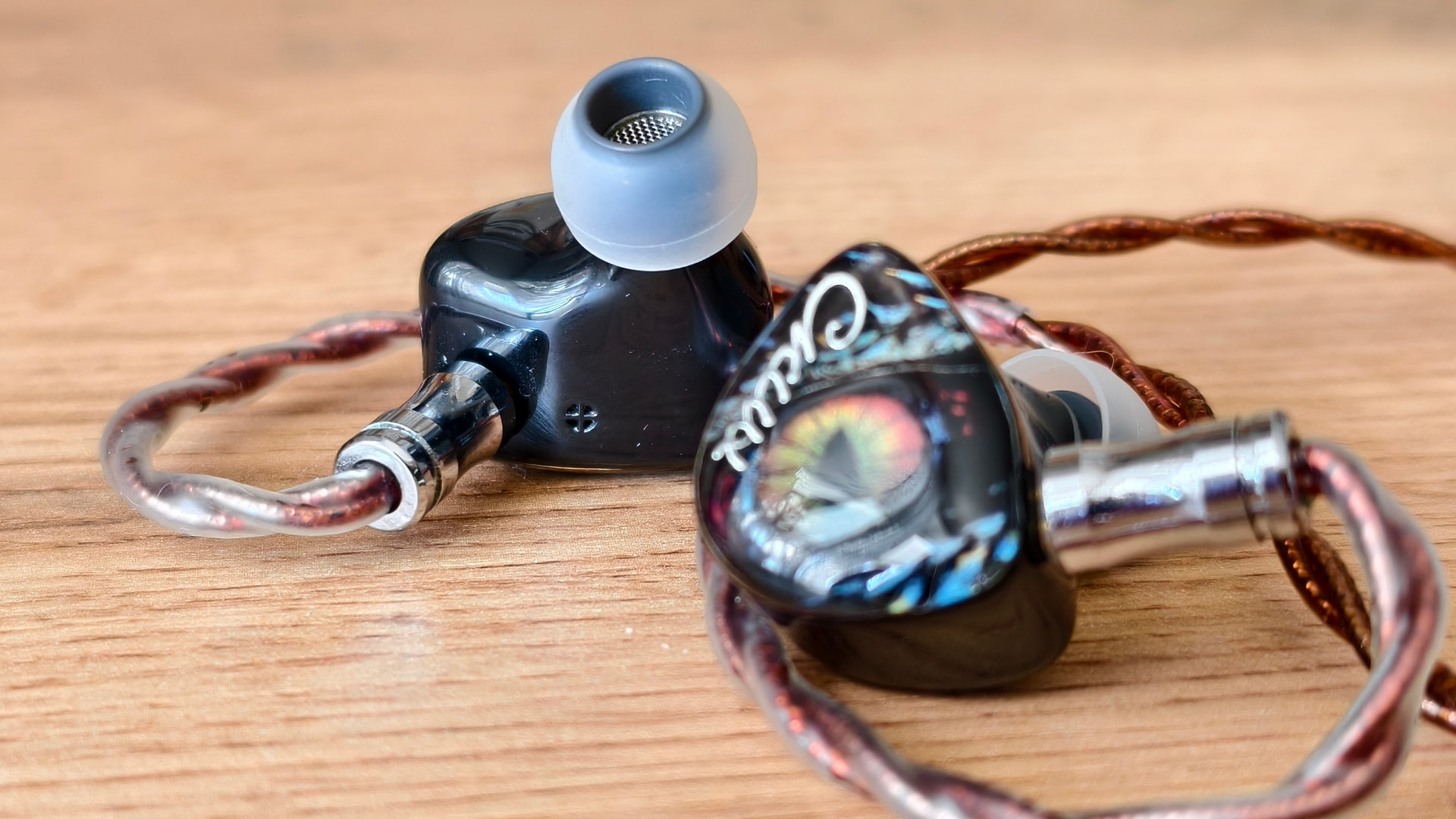
Hi there!
First review:
I have a set of Hydra’s on the way , look forward to hearing them.
I am one of the creators of this model. If you have any questions, I would be happy to answer them. I really loved the result of our collaboration, so we are proud to present the model to the world.
I will be very interested to hear your opinion on the sound once you receive them
Nice! I am looking forward to seeing additional squig graphs for the Hydra. Looking at the squigs, the Hydra looks like a much improved version of the Myer-Audio CKLVX CK-D41. I remember watching the AWSMDanny review of the D41 and I ordered it from Myer-audio right away for a discount. The people at Myer-Audio are fantastic since one of them personally took care of fixing my ordering mistake in which I had selected the 4.4 cable instead of the desired 3.5 cable. That was a pretty big deal since my order was fixed on the day that it would ship and since Aliexpress does not permit seller substitutions. This is why I am a big fan of Myer-Audio.
Most people know that the “shouty” region is between 1 kHz to 3 kHz. A slightly too fast or slightly too slow rise in the simulated pinna gain is in this region. Most people also people know that the “presence region” is the area between 4 to 6 kHz. The Hydra looks nice in both the “shouty” and “presence” regions. Yet many people do not realize that there is an additional “mini presence” region which makes music noticeably more “alive” in a thin region around 10 kHz. Or basically between 9 kHz to 11 kHz. I call this tiny region the “alive” region since it is the final tweak for the presence region.
The squig graph suggests that you all have nicely covered the upper midrange “presence” region and my mid treble “alive” region for a much better “I am there” sound. The Hydra’s overall tuning appears to be very similar to the Aful Performer 5 which is one of my favorite IEMs. The older CK-D41 missed its mark since it was too shouty due to the too early rise for the simulated pinna gain and since the D41’s DD was a bit muddy.
I would LOVE to have the chance to review your new IEM!
When creating the Hydra, we weren’t inspired by past Myer Audio models, including the D41. As a result, its sound signature turned out to be quite unique. Regarding the various segments of the frequency response, I described them in quite a bit of detail in the review. But in short, I generally agree with you. In my opinion, the dd in the Hydra surpasses everything you’ve seen in the Myer Audio lineup prior to this in terms of sound quality. The low frequencies are simply excellent. I can’t stand muddiness and sluggishness. Therefore, this was a separate, important point for us.
It is very nice to hear that the Hydra’s DD is superior over the DD in the D41. It is also neat to hear that you all focused, among other things, on having a controlled and textured yet non-muddy bass. I like that the overall sound signature is very similar to the Performer 5 which was my first really decent mid-tier IEM in terms of tuning and technicalities. Can you describe the Hydra’s overall performance versus the Performer 5?
Yes, of course. I actually had the Performer 5+2 and the Hydra at the same time recently. I already did this in a YouTube review, but I’ll write it out here.
The Hydra are slightly more fun-sounding earphones, while the 5+2 are more neutral and detached. At the same time, I liked the treble on the Hydra a lot more. On the Performer 5+2, the highs are more unforgiving of the recording, they pull out more flaws from bad tracks, and are generally less comfortable. Another important difference is that the midrange on the 5+2 is more recessed, whereas on the Hydras it is thicker and warmer. You could say the Hydra sound more lively and more versatile
Thank you for your quick written comparison between the Hydra and the P7. When will the Hydra be available on the US Aliexpress Myer-Audio store?
This IEM looks like it was designed for kids 
We are all children at heart 
They are working to solve this problem
It is nice that Myer-Audio is working to get the Hydra as a listed product on the Aliexpress US website. I finally figured out that you are Russian? Do you know SyncerTech? I find that his reviews and his measuring techniques are very accurate. I am simply curious.
Yes, that is correct, I am from Russia. I know Syncertech. He has good measurements. But if you pay attention to his reviews, you will see only praise. Plus, there are many contradictory points within the same review, which shows that the person doesn’t quite understand what he is talking about. Personally, if a reviewer doesn’t talk about the downsides and gets mixed up in terminology, it’s a red flag for me. My humble opinion
A brief comparison between CKLVX Hydra and Lava.
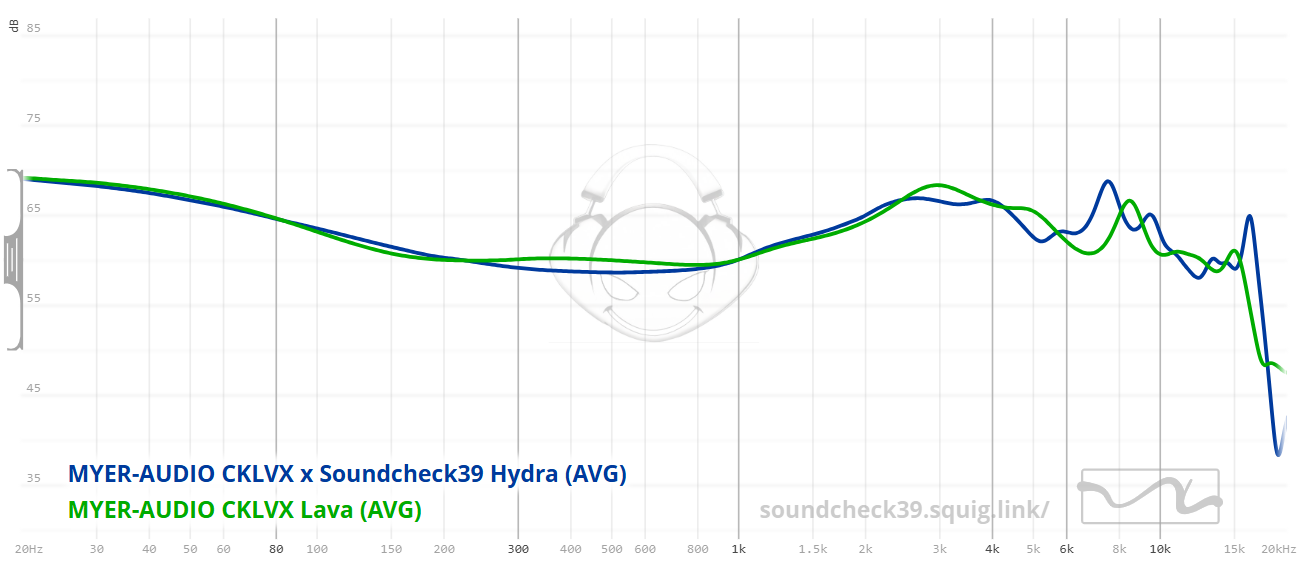
The Lava are excellent earphones for their budget—I would even call them uncompromising. However, the Hydra fully justifies its higher price tag. In my opinion, it holds the advantage across the board. The bass is significantly better. On the Hydra, it is tighter, faster, more textured and not so sub oriented like in Lava. The midrange is fuller, clearer, and tonally more accurate. The treble on the Lava is much more unforgiving of recording quality. This won’t be a deciding factor regarding the treble for everyone, especially if you listen to well-recorded music. Otherwise, it could become an issue for you.
I spent half the day yesterday listening to Manowar on the Hydra + Shanling M7t. Let me tell you, it’s pure bliss. It’s freaking amazing how well the Shanling unleashes the Hydra’s dynamic driver. There is just massive body surging from the lows. The punch is so tactile and airy. It also improved the highs—they’ve become more full-bodied and a bit smoother. Overall, the synergy is just mind-blowing