ROSESELSA Ceramics Ultra — Weight, warmth and a few everyday compromises
The Ceramics Ultra give bass notes enough substance to make a simple groove enjoyable. That familiar, full-bass tuning works well for me, and the sound is excellent for the money. For a music-first pair, I can live with manual pausing and occasional reconnection. I used firmware 38 and had no problems with calls in my use.
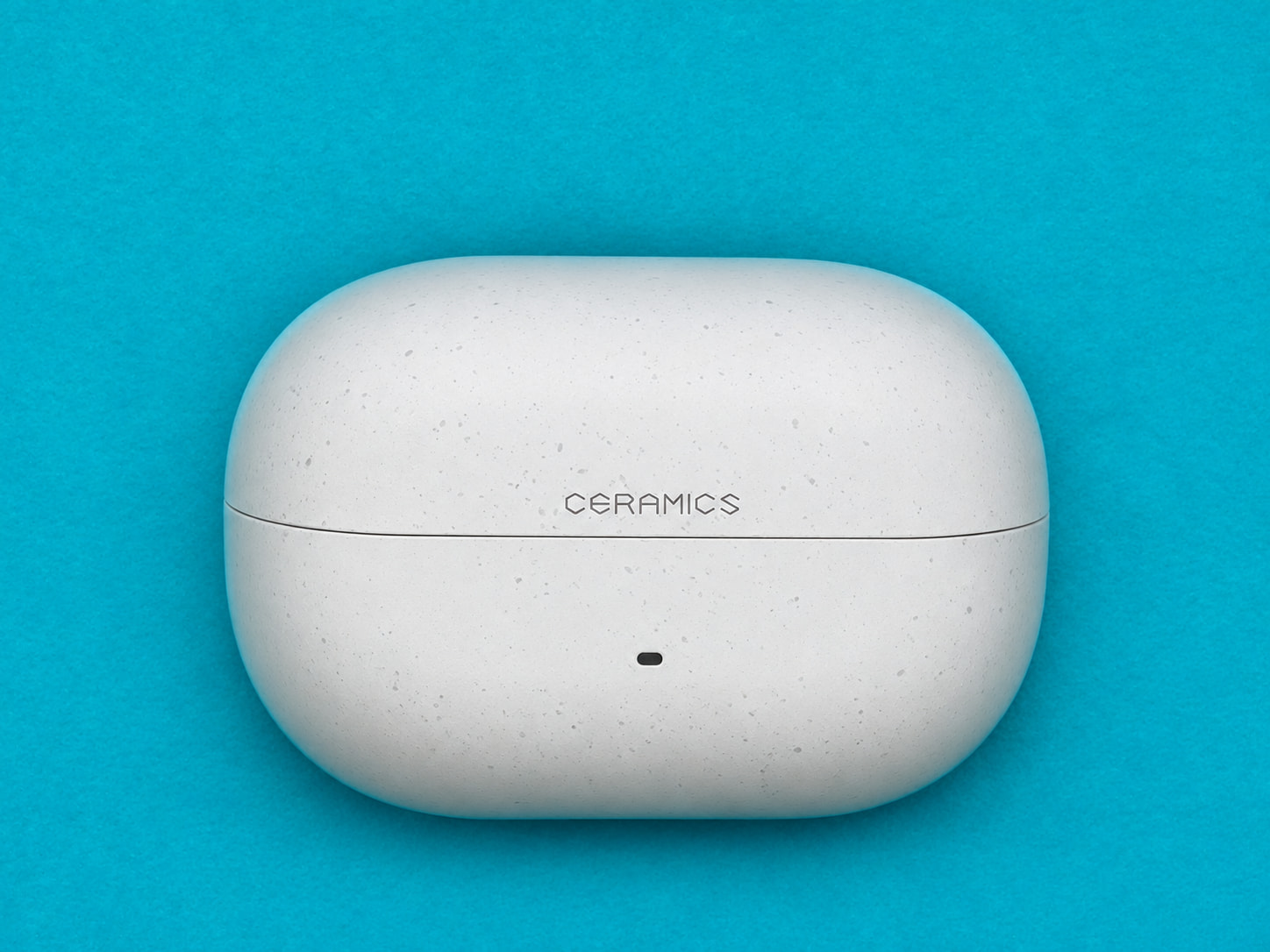
Type: Sealed true wireless earbuds with active noise cancellation (ANC); one 10 mm dynamic driver per earbud.
Price checked, 28 October 2026: Direct listing US$46.99 (regular US$49.99), before any destination-specific charges.
Firmware used: 38.
Rating: 4.5/5.
Character: Warm, substantial and rhythmically engaging; Classic preset is the reference here.
Disclosure
ROSESELSA provided a free review sample directly. No positive coverage or manufacturer approval of the review was promised.
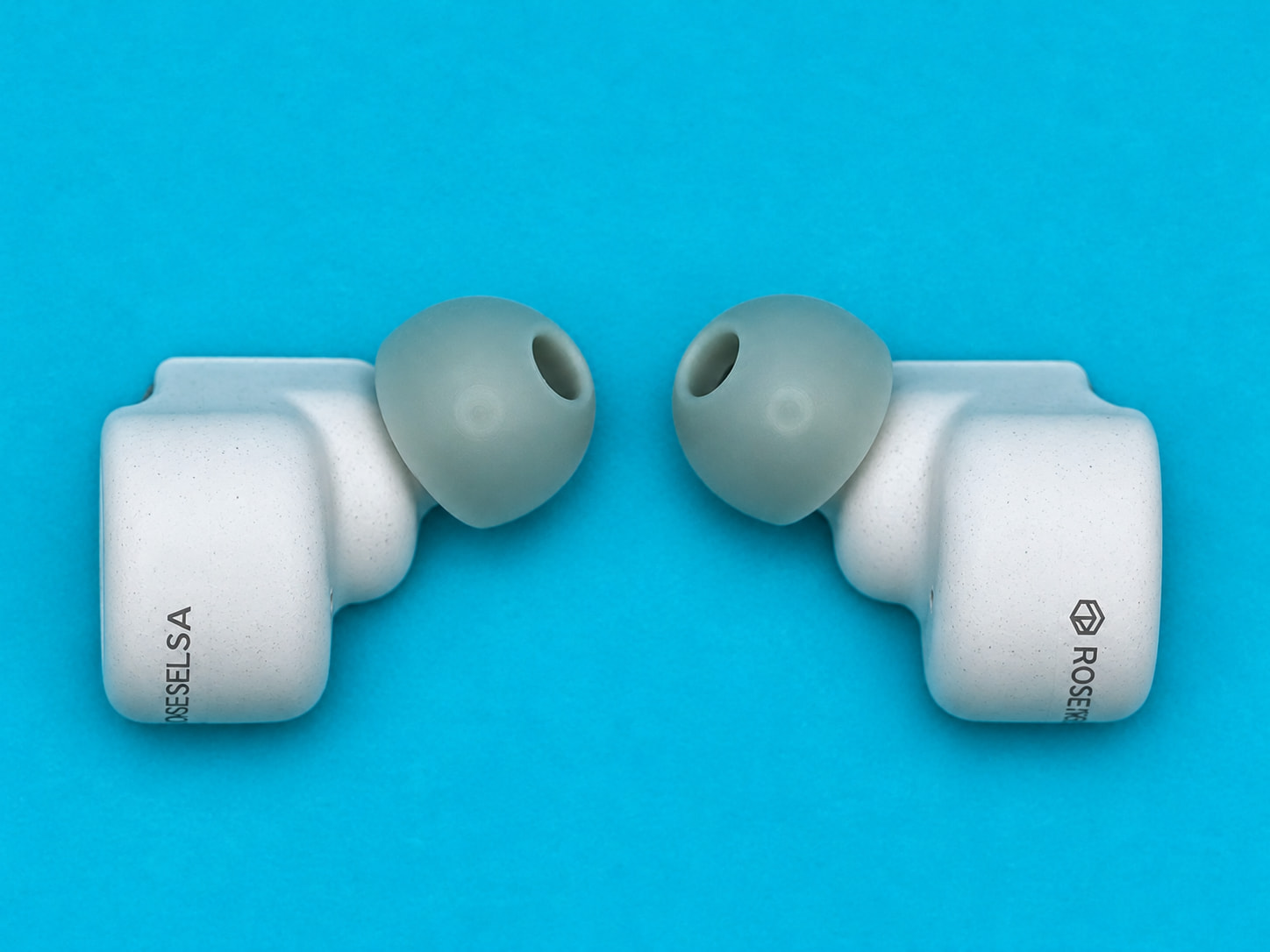
Small shells, important fit
I like the understated, speckled finish. The shells and case are plastic; the Ceramics name describes their appearance. Each earbud weighs roughly 6 g, but the fairly deep nozzle matters more to comfort than the low weight suggests. A good seal is essential for both bass and noise reduction, and foam is not automatically the best fit for every ear.
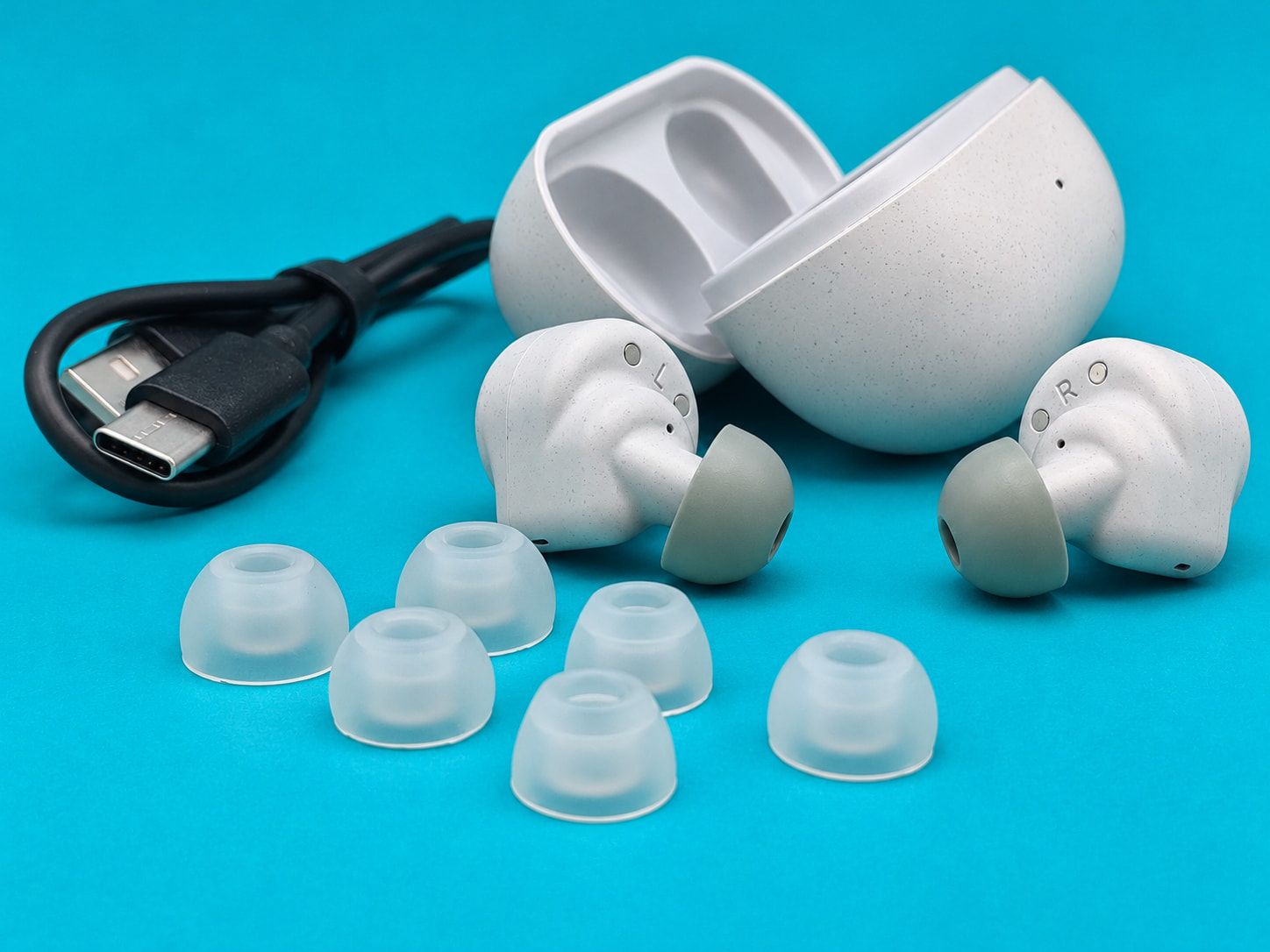
The supplied set includes three pairs of silicone tips, a pair of foam tips and a USB-A-to-C cable. The case charges by USB-C and lacks wireless charging.
Bass gives the music its substance
My preference is the Classic preset, and the sound described here follows that balance with a proper seal. The low end reaches down convincingly and gives kick drums physical weight. I can follow the bass line beneath the singer. When kick and bass notes overlap, their edges spread into each other a little, adding fullness but softening the distinction between the two.
That warmth continues into voices and lower instruments. Male vocals have chest and weight; guitars sound substantial. Female voices retain their character, but their breath and upper harmonics receive less emphasis. I enjoy the resulting intimacy, especially where a leaner presentation would leave the performance feeling slight.
Classic keeps the upper range comparatively forgiving. Cymbals retain a metallic character without making their initial strike the centre of attention. Their finest shimmer and distant decay are less exposed. The other presets can bring more upper-mid and treble energy, so I would not describe every configuration as equally gentle.
The stage has useful left-to-right placement and a stable centre. Depth is less developed, and busy arrangements bring instruments closer together. Big drum hits still have impact; the limitation is following several small, simultaneous events with equal clarity.
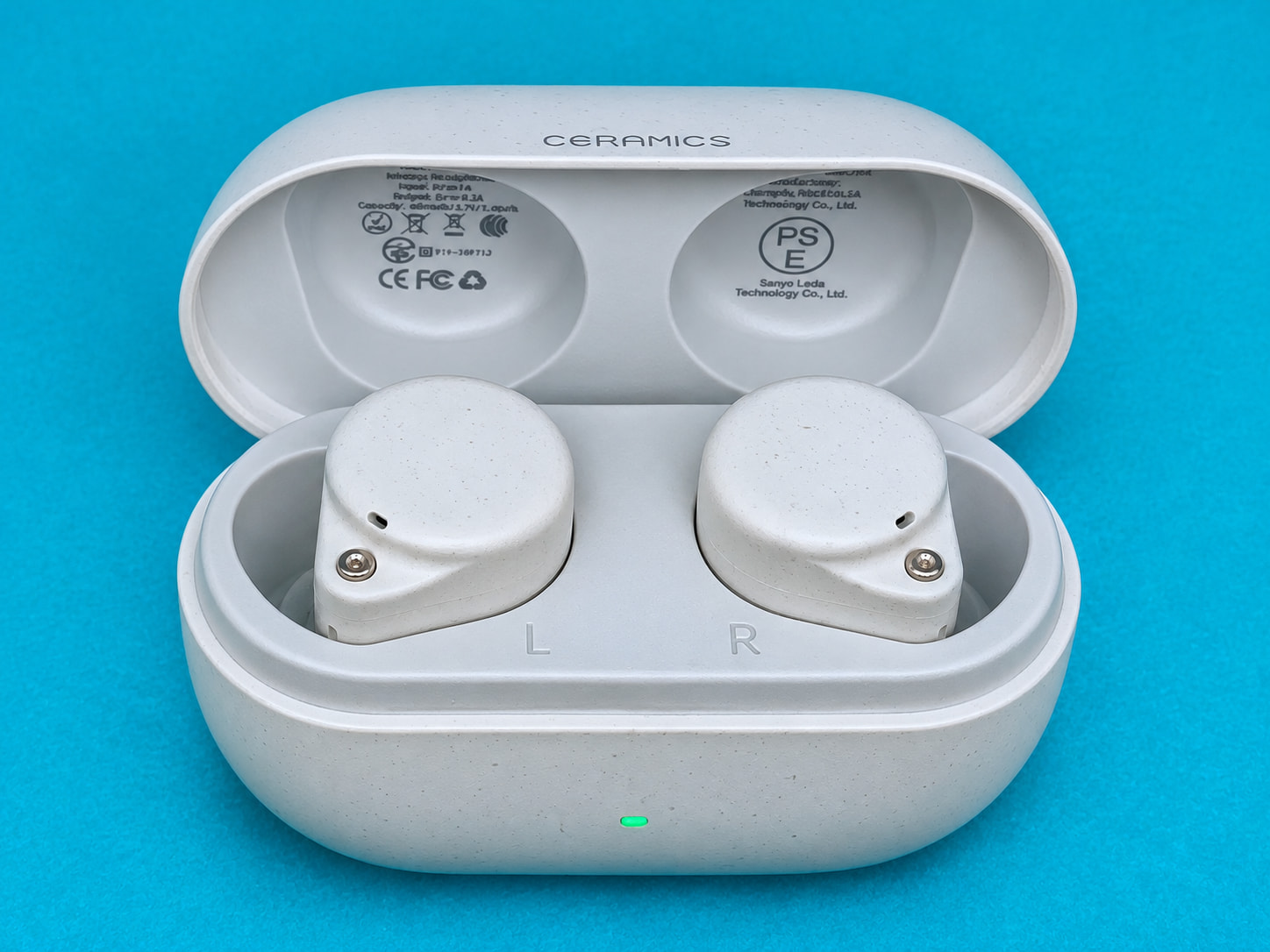
Wireless features and their cost
SBC, AAC, LDAC and LHDC 5.0 provide a flexible codec selection. LDAC and LHDC need a compatible source; an iPhone uses AAC. I would give seal and tonal balance priority over the high-resolution logo. Higher-bitrate transmission also costs battery life.
ROSELINK offers presets, a ten-band graphic equaliser (EQ), firmware updates and customisable touch controls. A new custom EQ with flat sliders does not necessarily reproduce a stock preset. I would assign frequent commands to taps, since the long hold is slow to activate. Removing an earbud does not pause playback automatically.
Multipoint connects two devices, but reconnection after leaving one device’s range may require manual attention. Game Mode targets lower delay; the advertised 54 ms is not a guaranteed end-to-end delay on every phone or application. LDAC can add delay, so I would give timing priority over bitrate for games.
ROSESELSA quotes up to 11 hours per charge and 40 hours including the case. Those are maximum claims, with ANC and higher-bitrate codecs reducing endurance.
Noise control and calls
Deep ANC is most convincing against steady, low background noise. Voices and irregular higher sounds remain more noticeable. Wind Reduction can reduce buffeting, but gives up some of the deeper noise suppression. Transparency is adequate for brief awareness; its less natural sound and wind pickup make it a weaker part of the package.
With firmware 38, I had no problems with calls. I have no call-related complaint about this pair.

Twelve musical references
1. Drake — Nonstop · Scorpion
Test focus: Sub-bass rumble, 808 control, kick/vocal separation.
The sustained low notes have satisfying weight beneath the vocal. I hear the kick distinctly enough to keep the pulse, though its leading edge is slightly rounded against the bass. Drake’s delivery remains readable, so the low end adds involvement without reducing the track to rumble.
2. Kendrick Lamar — DNA. · DAMN.
Test focus: Attack, dynamic contrast, dense production.
The heavier sections arrive with convincing impact, and Kendrick retains his force over them. I find the main change in intensity easy to follow. Smaller background elements become less distinct as the production thickens, which limits the sense of contrast between individual layers more than the overall energy.
3. OutKast — B.O.B. · Stankonia
Test focus: Rapid transients, layering, congestion resistance.
The quick rhythm keeps its drive, with the lead delivery easy to follow. Smaller percussion accents merge around that central pattern when everything plays together, so I get the rush of the arrangement with less of its internal rhythmic separation.
4. Lana Del Rey — West Coast · Ultraviolence
Test focus: Female vocal body, atmosphere, bass-to-mid transition.
Lana’s lower register benefits from the warmth, giving the vocal a close, substantial presence. The bass supports the atmosphere while her phrasing remains easy to follow above it. I like the way the voice anchors the hazier surrounding instruments: the presentation holds together as an intimate whole.
5. Led Zeppelin — When the Levee Breaks · Led Zeppelin IV
Test focus: Drum body, decay, room scale, dynamics.
The drums carry the weight I want from this recording. Their initial impact develops into a full body, with room sound still audible behind the hits. I get more physical drum presence than a huge reconstructed space; the ambience does not extend particularly far behind the band.
6. Led Zeppelin — Dazed and Confused · Led Zeppelin
Test focus: Guitar texture, psychedelic layering, stage depth.
The bass gives the arrangement a suitably heavy foundation, while the guitar retains its rough character. As parts overlap, I hear less distance between the lead guitar and the quieter material behind it. The tension survives, but the more distant layers occupy a flatter space.
7. Vivaldi — The Four Seasons: Winter I. Allegro non molto — Anne-Sophie Mutter / Herbert von Karajan
Test focus: String attack, treble behaviour, orchestral separation.
The solo violin remains easy to distinguish from the supporting strings. I hear enough attack to follow the phrasing, with a rounded bow edge that favours string body over bite. The ensemble has warmth, though fine differences between neighbouring string lines are less exposed.
8. Vivaldi — The Four Seasons: Summer III. Presto — Anne-Sophie Mutter / Herbert von Karajan
Test focus: Transient stress, speed, complex layering.
The rapid runs retain momentum and the force of the ensemble. As the strings overlap, their individual outlines become less distinct. I can follow the leading phrase, while the accompanying figures gather into a broader sweep, trading some articulation for orchestral weight.
9. Depeche Mode — Enjoy the Silence · Violator
Test focus: Synth layering, centre imaging, treble cleanliness.
The vocal holds a stable central position while the synthesizers spread to either side. Their different positions let me follow the main layers as the bass continues underneath. Classic keeps the brighter electronic sounds in proportion, so the repeated upper accents add movement without dominating the arrangement.
10. Michael Jackson — Billie Jean · Thriller
Test focus: Bass timing, kick, percussion, tonal balance.
I can follow the changing pitch of the bass line while the kick retains a distinct impact. Percussion sits clearly above that low foundation, and Jackson’s vocal keeps enough presence for the groove to feel balanced.
11. Santana — Soul Sacrifice · Woodstock
Test focus: Percussion separation, guitar texture, dynamics.
The different percussion tones remain recognisable, with convincing body behind the hand drums. Shorter accents stand apart from the fuller drum notes, keeping the overlapping rhythms engaging. I enjoy the guitar’s rounded tone above that foundation, and the stronger drum accents give the performance a satisfying rise in intensity.
12. Joe Cocker — With a Little Help from My Friends · Woodstock
Test focus: Vocal rasp, upper mids, ensemble density.
Cocker’s rasp remains recognisable, though the finest roughness is smoothed. I still get the force and rising intensity of his delivery, without an abrasive upper-mid edge in Classic. As the ensemble fills out, the backing parts gather closer together, but the lead remains identifiable.
A complement to my wired references
My AFUL Performer 5+2 makes overlapping instruments easier to follow and reveals more of their decay. The Ceramics Ultra give me ample rhythmic substance alongside wireless convenience, but I would keep the AFUL for concentrated listening.
The 7Hz Legato takes bass quantity and the surrounding sense of low-end weight further. I prefer the Ceramics Ultra when I want the singer and rhythm section in a less bass-dominated proportion.
Verdict
Rating: 4.5/5.
At the direct price of US$46.99, I find the sound excellent for the money: bass has substance, voices have body, and Classic gives that weight a comfortable upper balance. The modest depth and reduced precision in dense passages are compromises I can accept for this role.
I would choose them as an affordable wireless complement for music and calls. If natural transparency and effortless device reconnection were my main priorities, I would weigh those remaining limitations more heavily.
SteveListens | Personal Audio Review | Germany