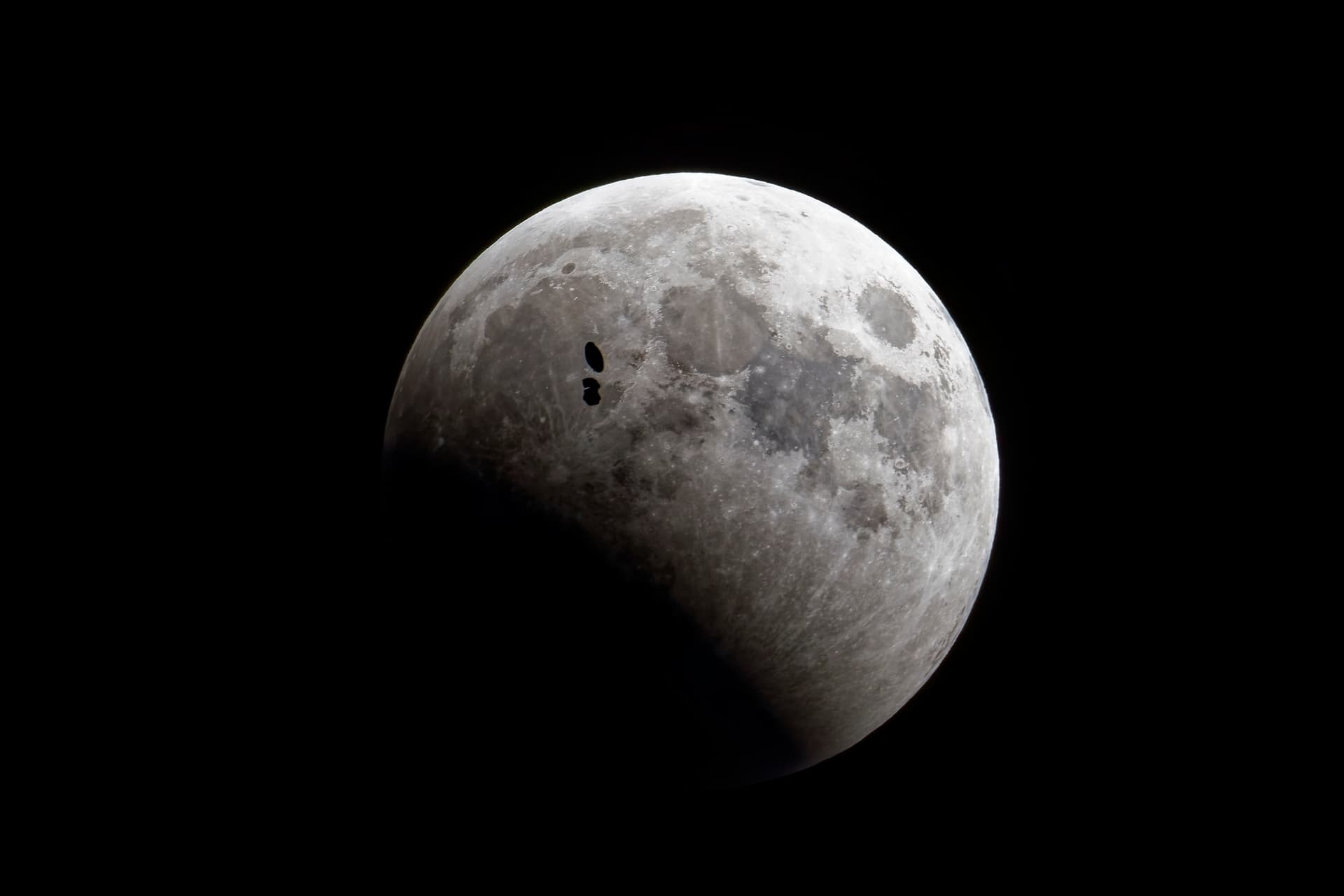
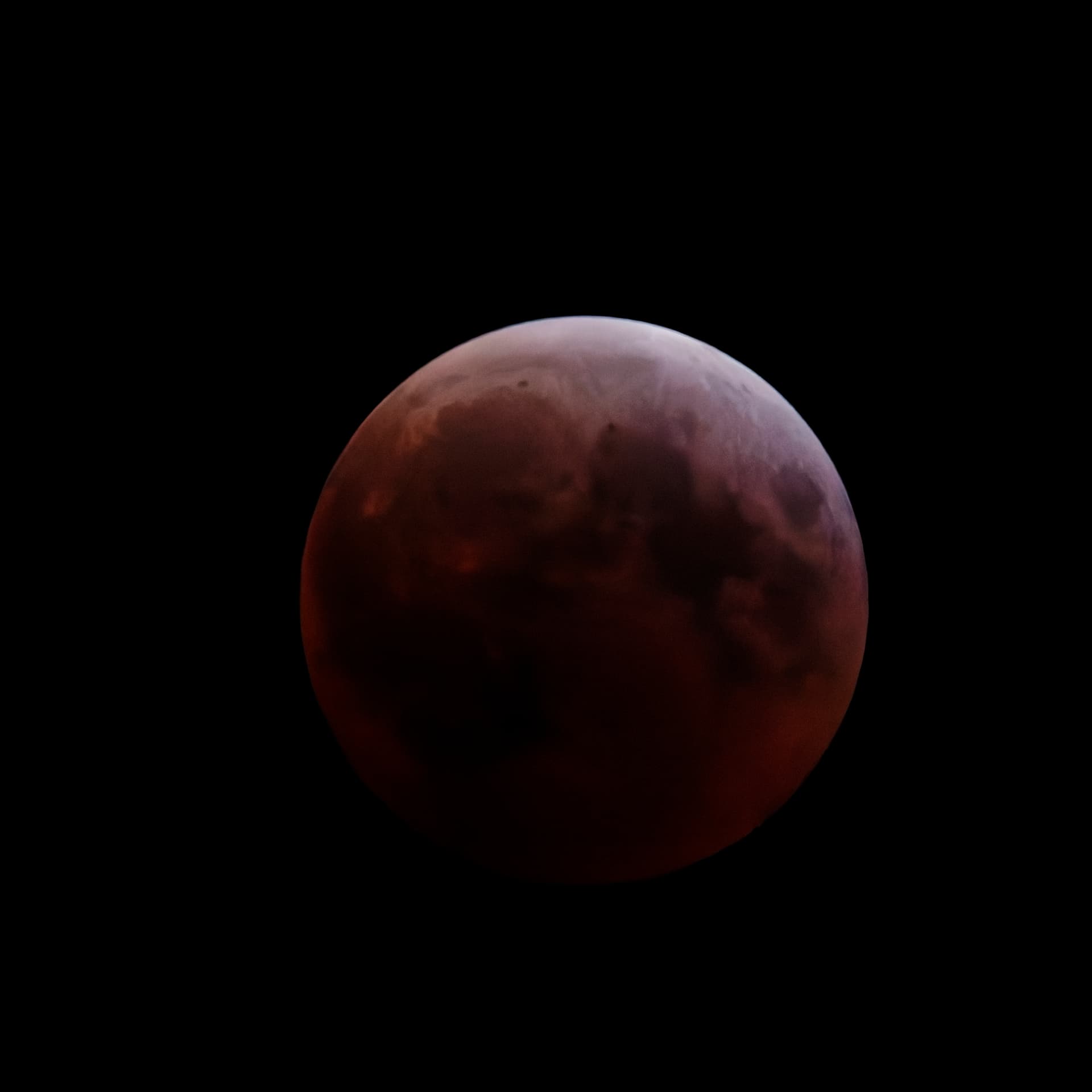
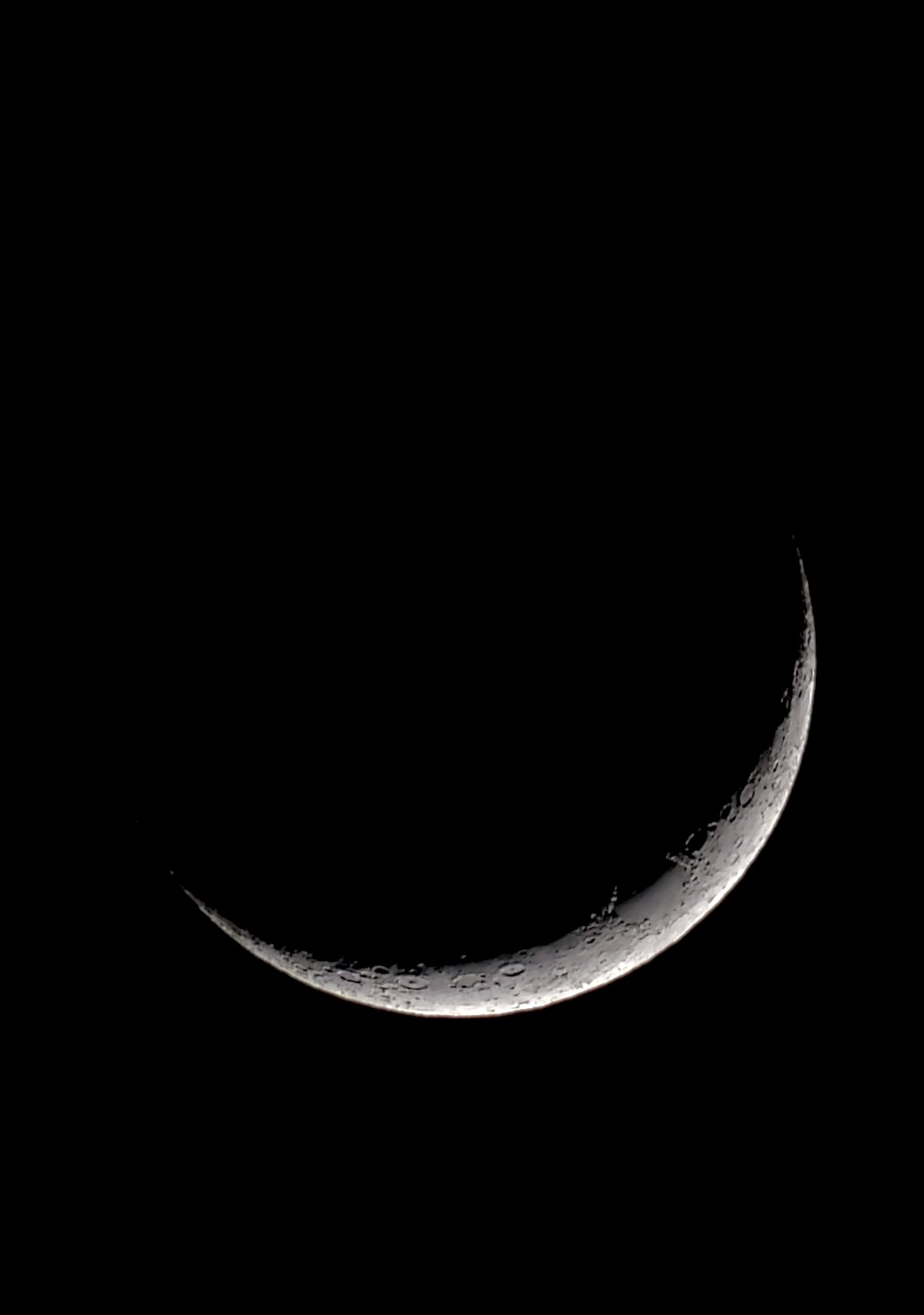
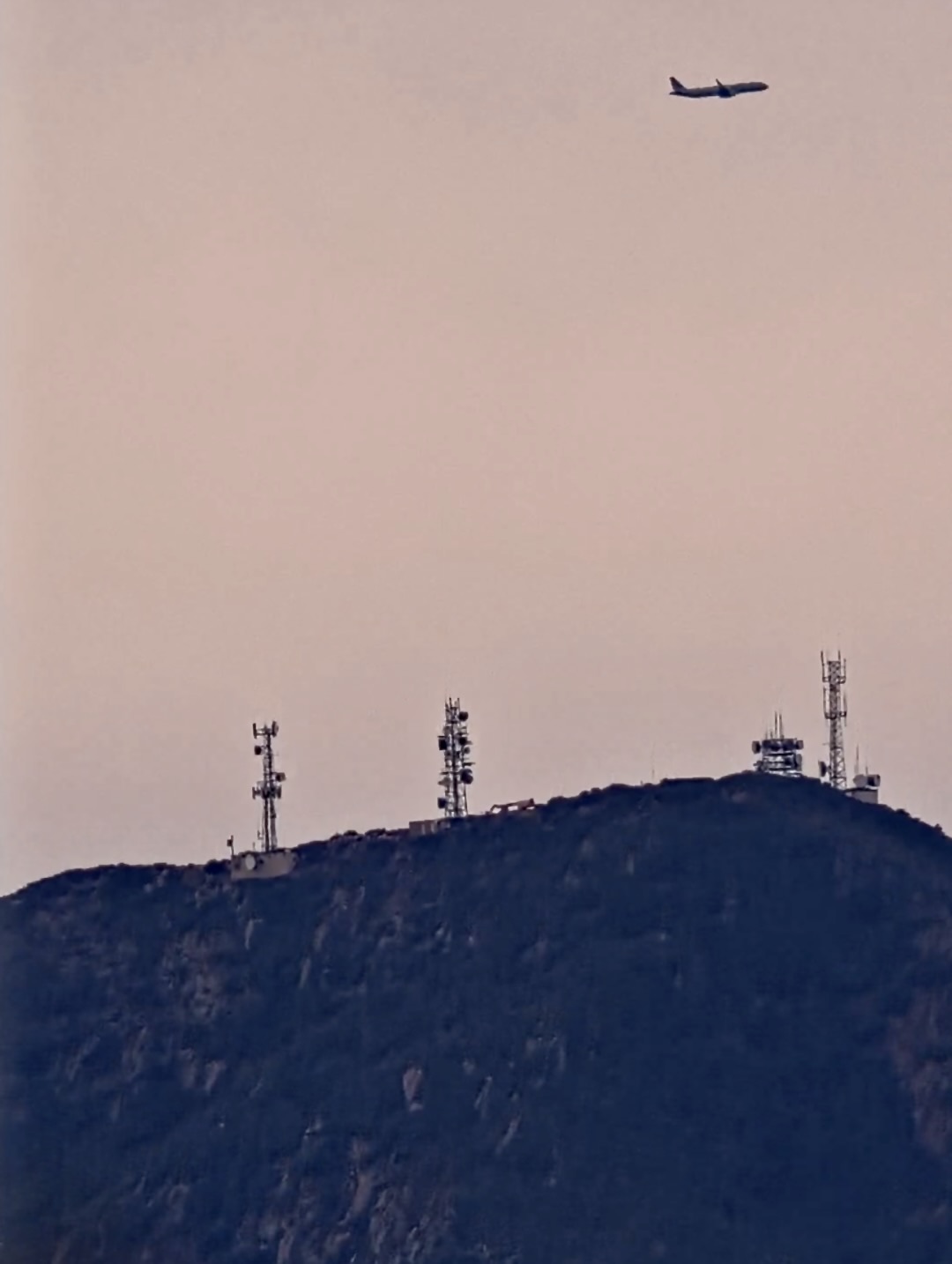
I don’t know if I posted these photos from the night of the Blood Moon…I was out about a half hour before the Blood Moon eclipse had started in earnest…
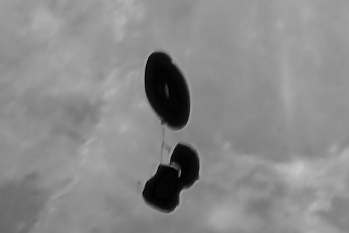
I looked up and saw these 2 rectangular shaped boxes hanging from what appeared to be cables suspended from a large doughnut shaped ballon or somthing slowly cruise in front of the moon… I zoomed in on it in DxO Photolab 8 processing as much as I could…
Looks pretty weird to me… Like a set of Rock band PA speakers hanging from a doughnut…
I suspect someone nearby had a party. I think they are 3 mylar-metallic coated balloons tied together…the donut has the most lift remaining dragging the other two along for the ride
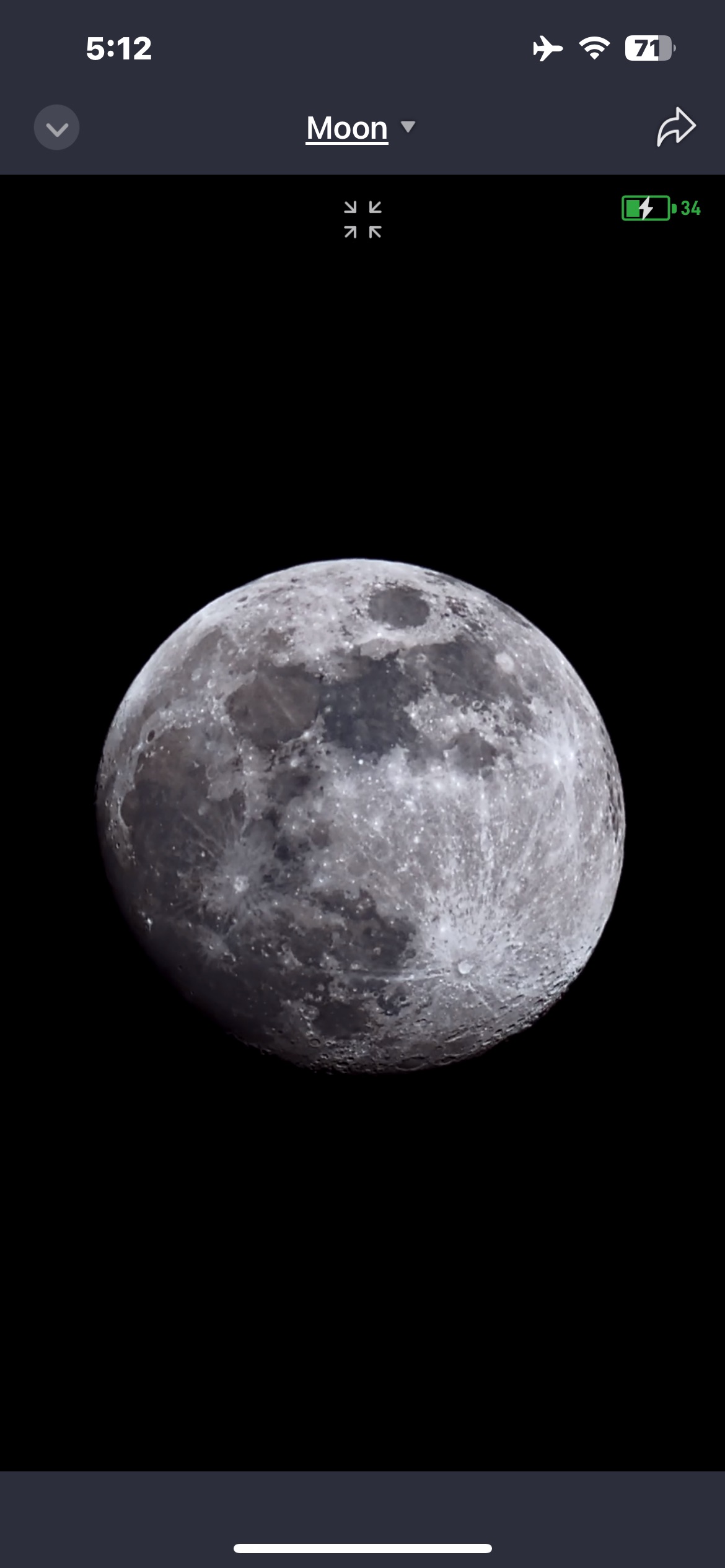
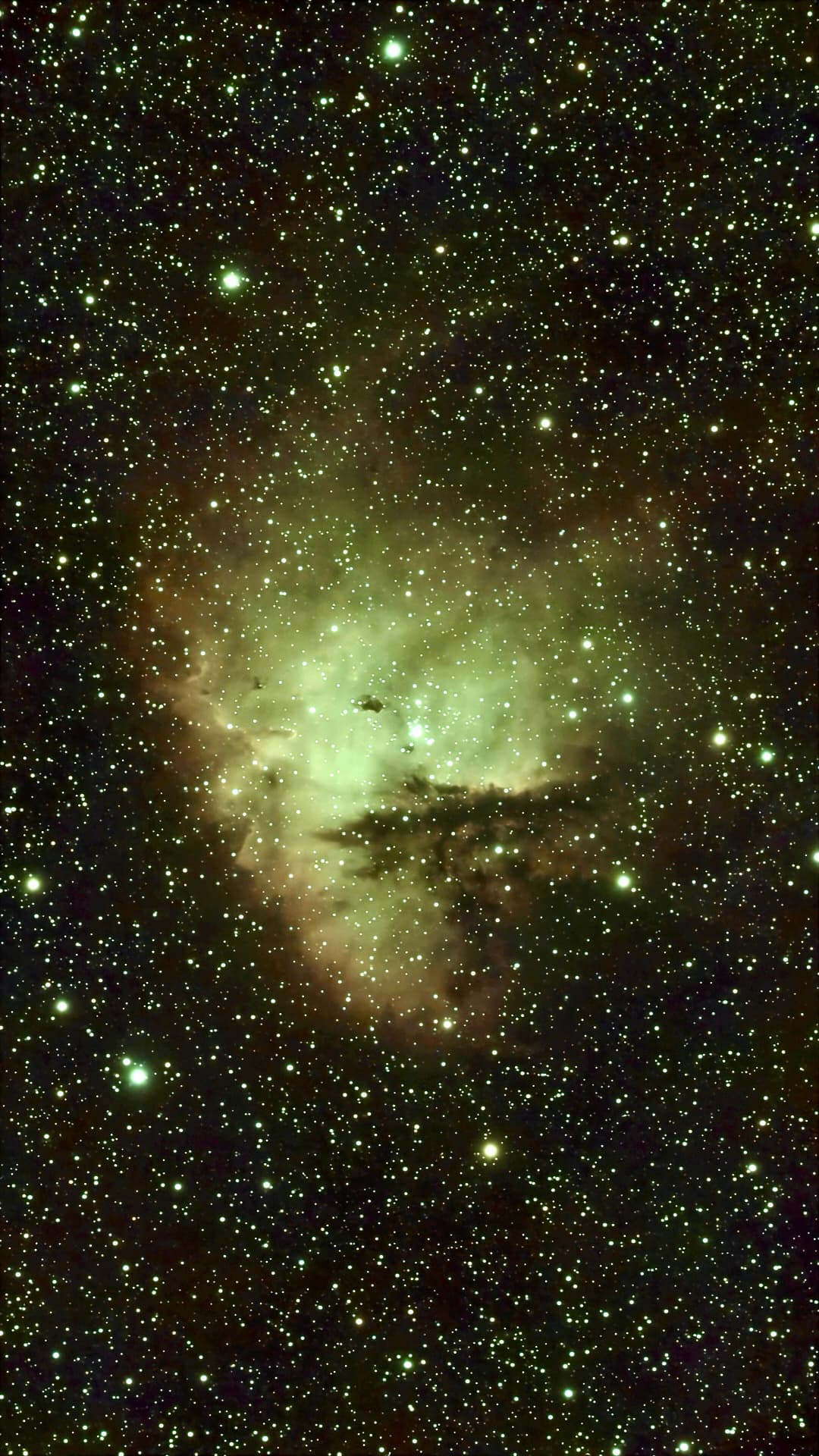
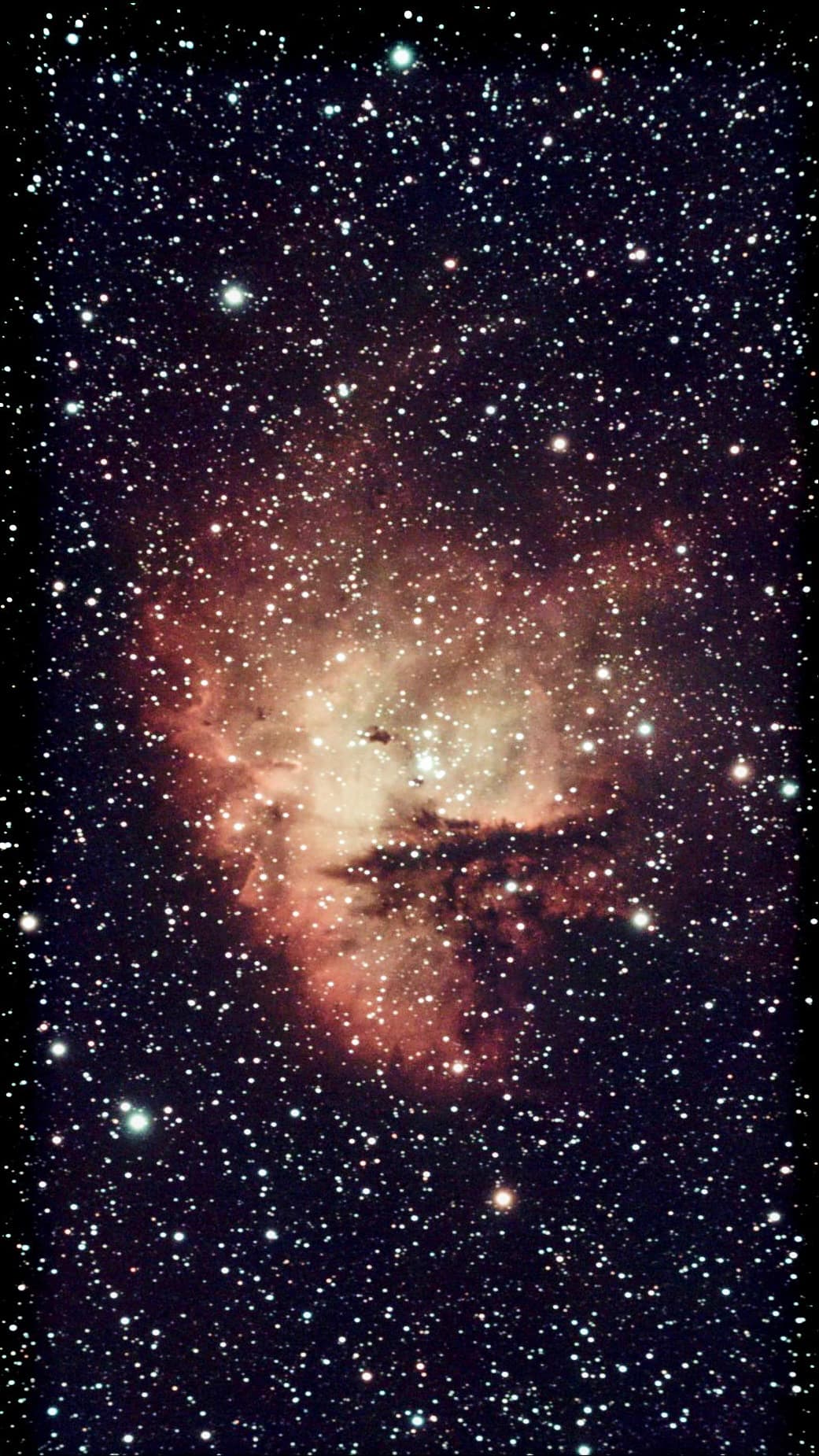
I’m getting excited to try a recent firmware update on the Seestar50 that allows for equatorial mode allowing for much better and longer captures with no field rotation and errors from alt-az mode.
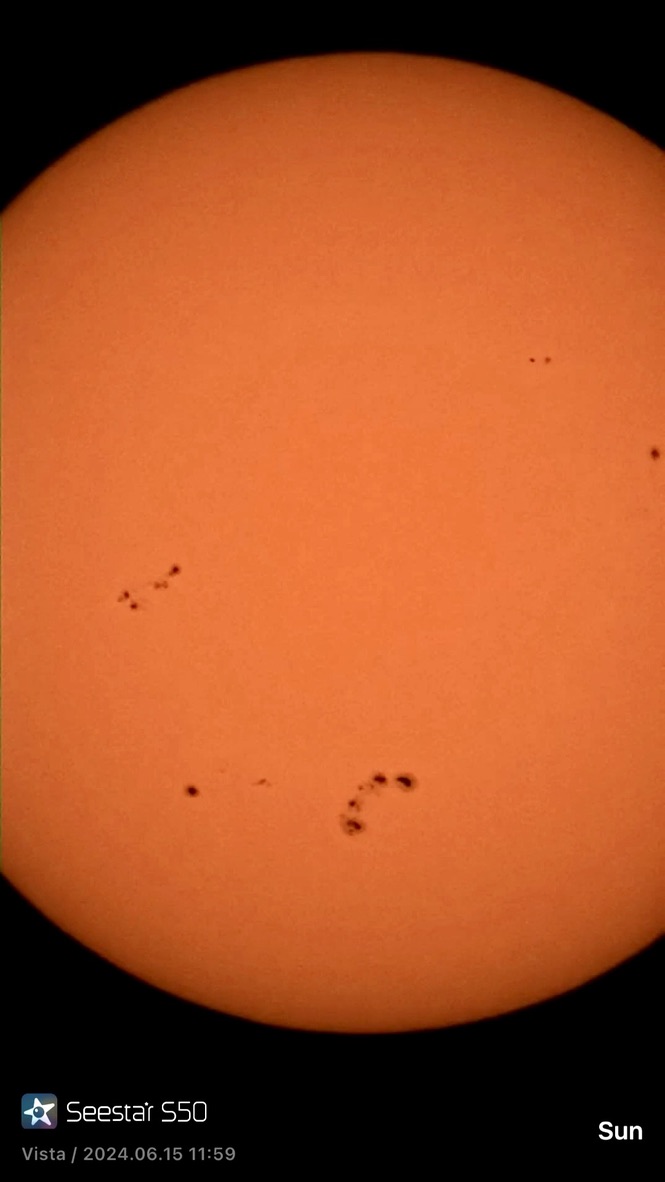
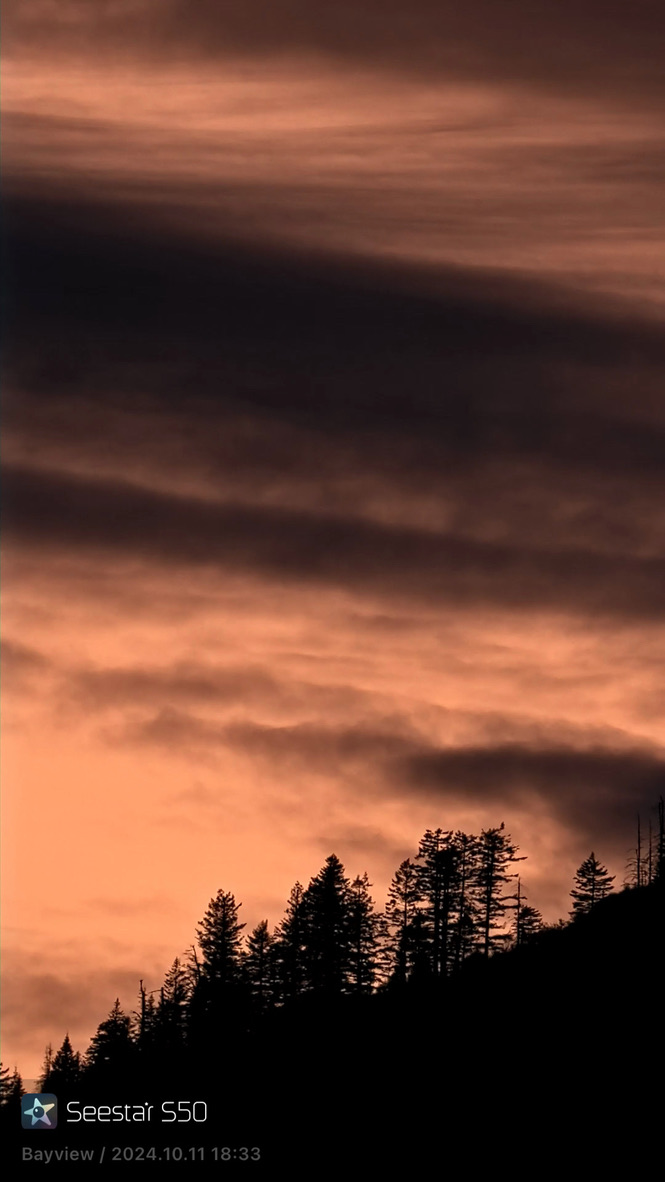
Here’s a screenshot of the live image on my phone. The images are auto-stacked astro objects and the raw files are stored as well for offline processing.
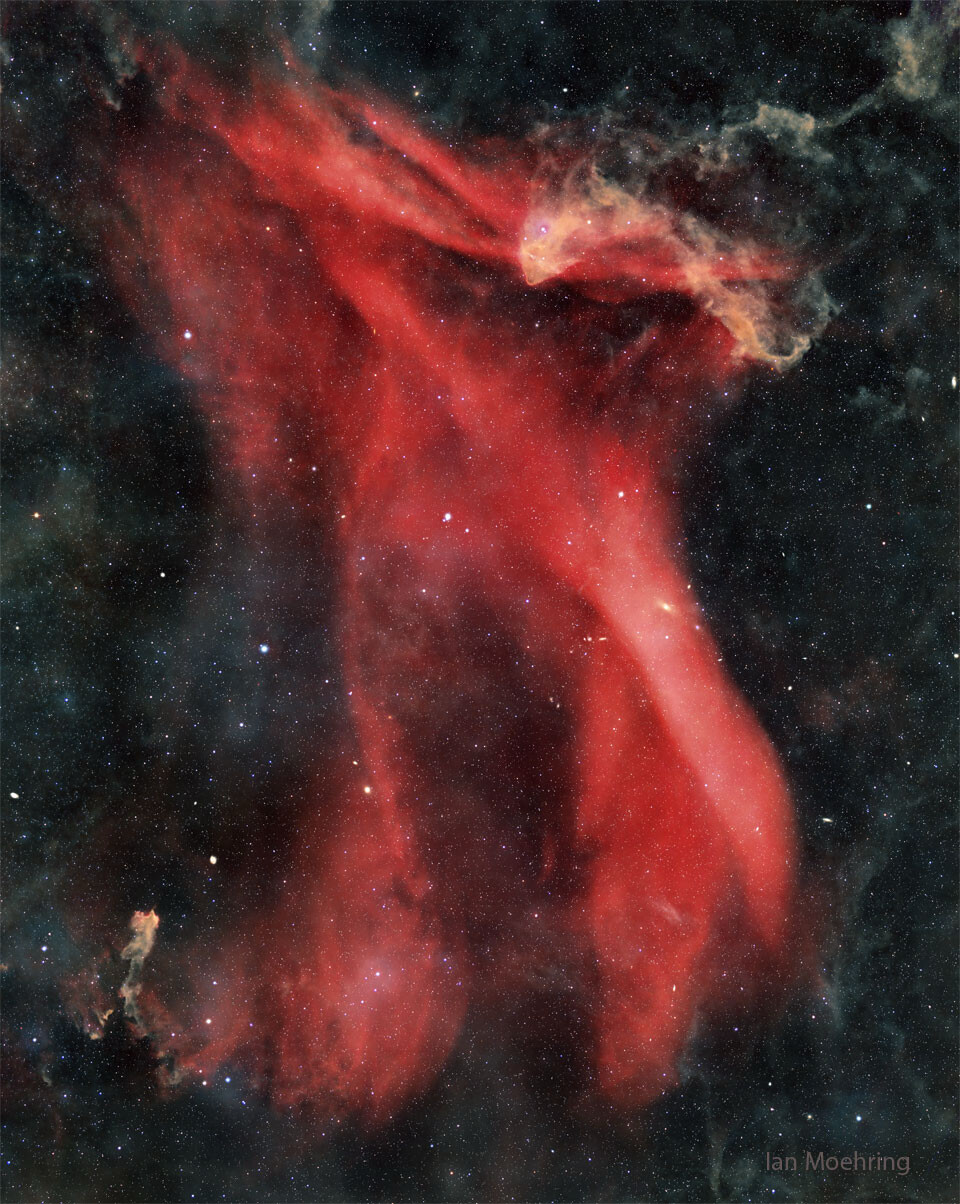
The Great Lacerta Nebula Image Credit & Copyright:Ian Moehring & Kevin Roylance
Explanation: It is one of the largest nebulas on the sky – why isn’t it better known? Roughly the same angular size as the Andromeda Galaxy, the Great Lacerta Nebula can be found toward the constellation of the Lizard (Lacerta). The emission nebulais difficult to see with wide-field binoculars because it is so faint, but also usually difficult to see with a large telescope because it is so great in angle – spanning about three degrees. The depth, breadth, waves, and beauty of the nebula – cataloged as Sharpless 126 (Sh2-126) – can best be seen and appreciated with a long duration camera exposure. The featured image is one such combined exposure – in this case taken over three nights in August through dark skies in Moses Lake, Washington, USA. The hydrogen gas in the Great Lacerta Nebula glows red because it is excited by light from the bright star 10 Lacertae, one of the bright blue stars just to the left of the red-glowing nebula’s center. Most of the stars and nebula are about 1,200 light yearsdistant.
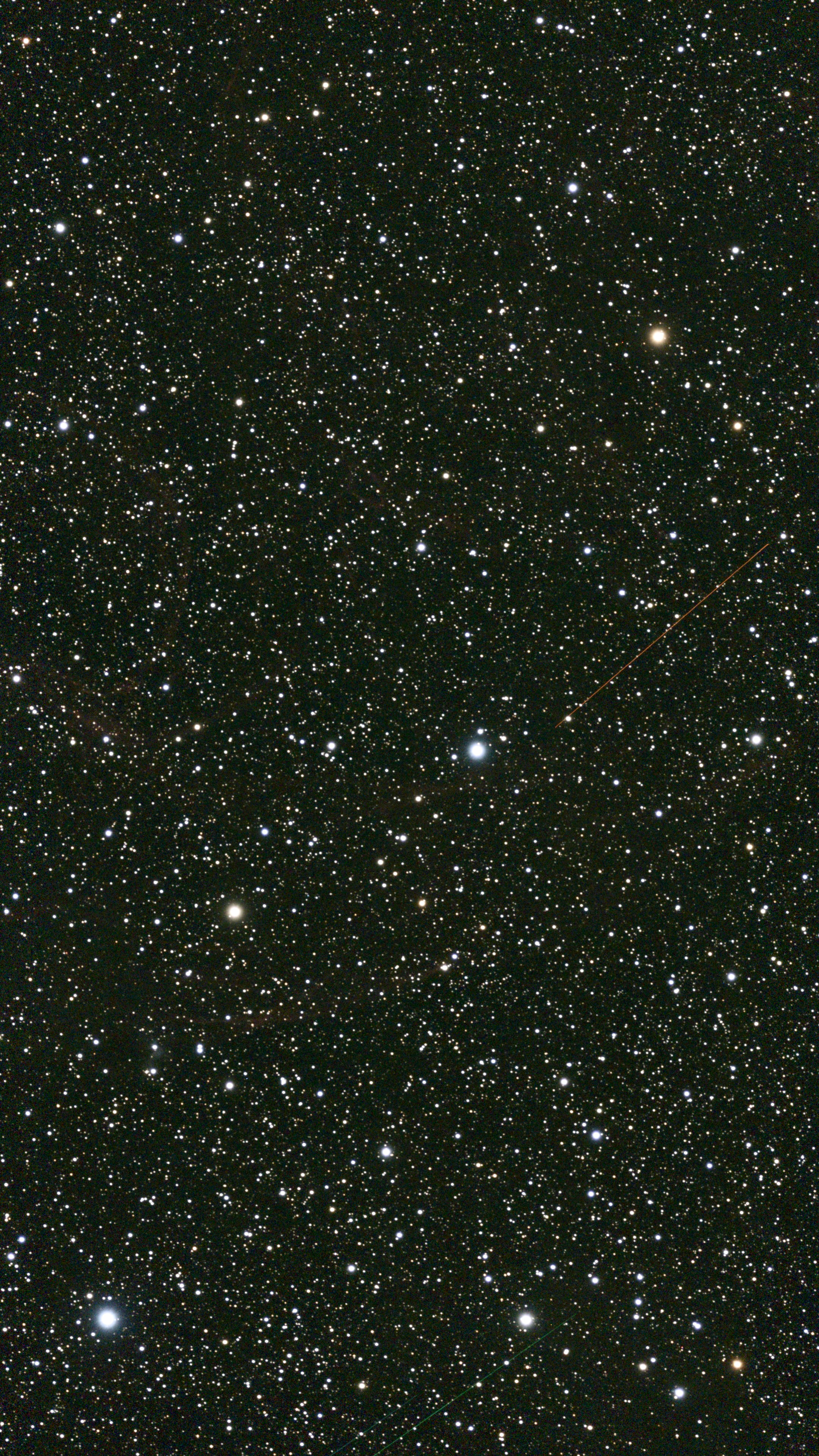
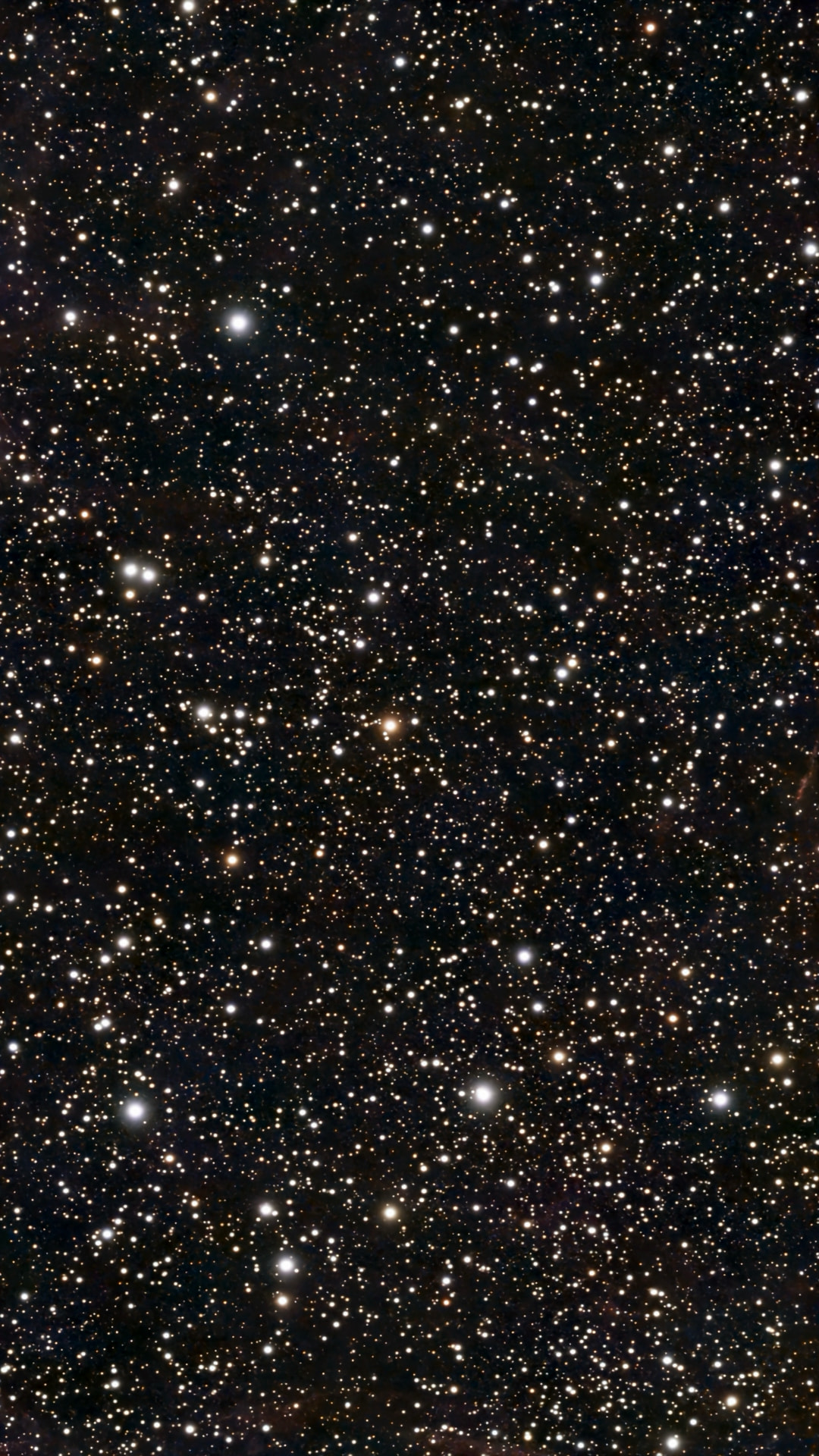
This is 6 hours of data stacked. I was searching for a very dim super nova remnant called Simeis 147. Its very low surface brightness makes it not visible in telescopes and has to be imaged. Unfortunately, this makes it hard to precisely locate and I missed. Oh well, got a nice deep star field with a stray spec shooting through the atmosphere by chance and another very small green pair in the bottom right…
I spent some time comparing another image I made the night before and have matched a couple star patterns. I was on target but probably need 20+ hours of data for the remnant to be visible. Dang tough one! In the far right field of this one there’s just a hint of a red filament. I only had two nights to image so clearly not enough time for this one.
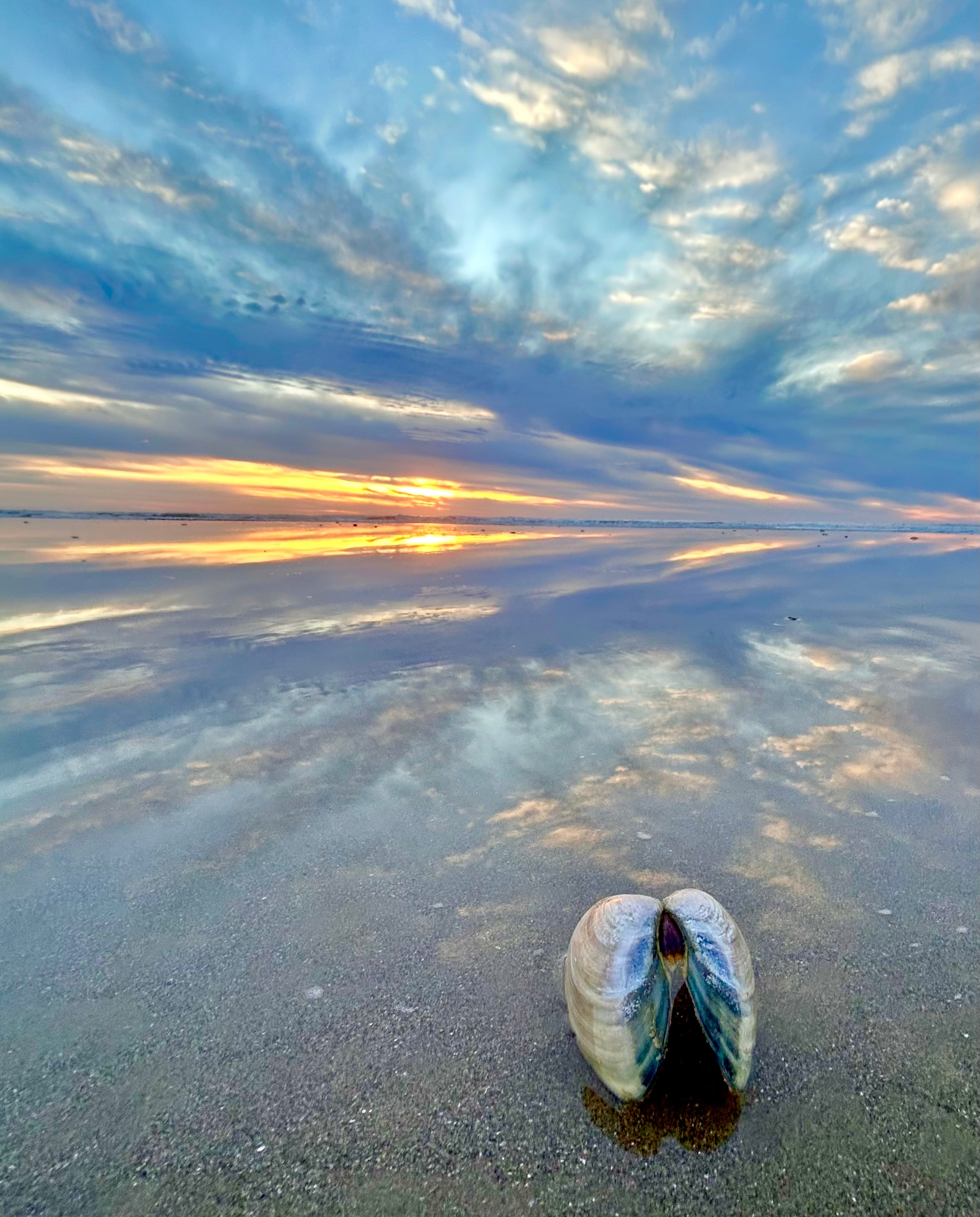
Went up to Pismo Beach for 3 days hoping to catch a Falcon 9 launch from Vandenburg…it was delayed 3 hours and then only made a glow in the cloud deck. Oh well.
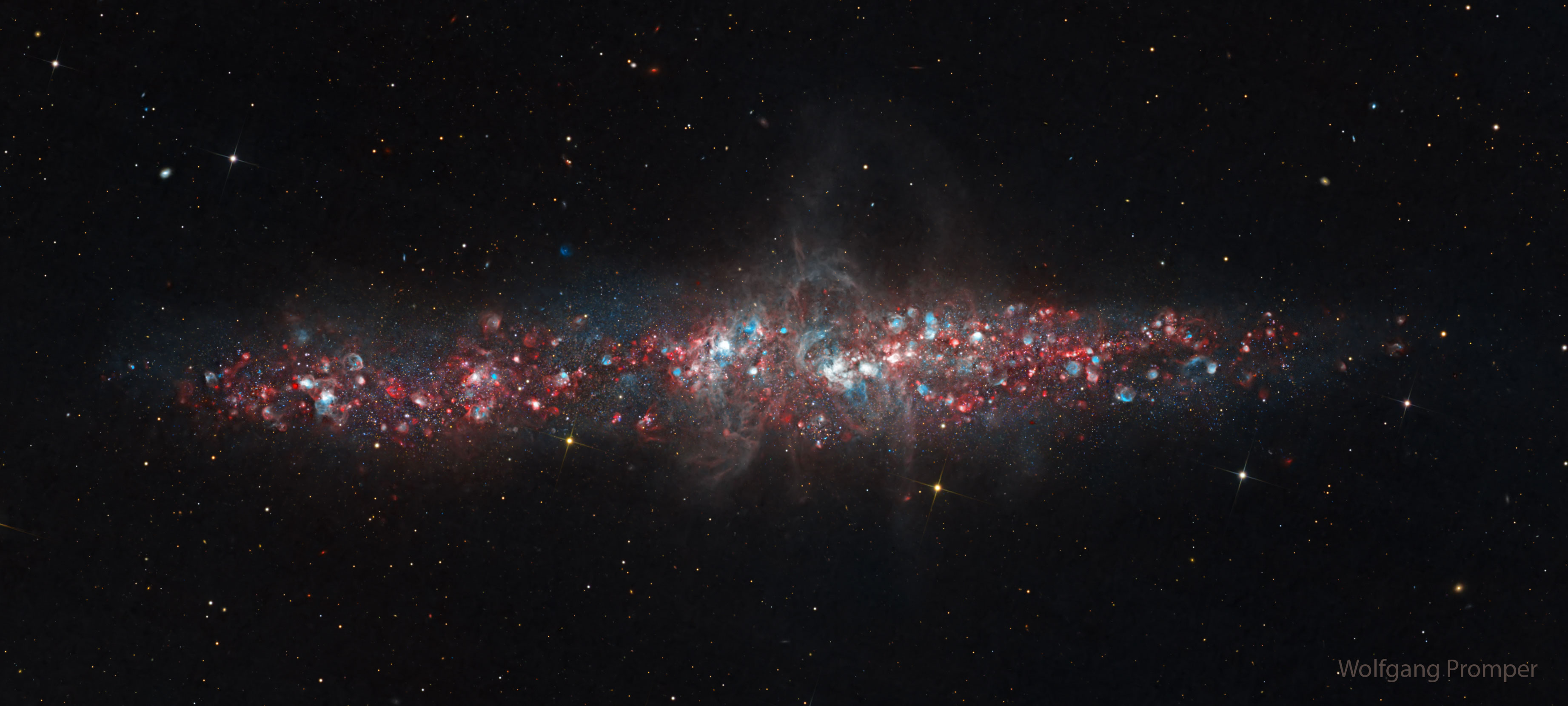
Image Credit & Copyright: Wolfgang Promper; Text: Ogetay Kayali (MTU)
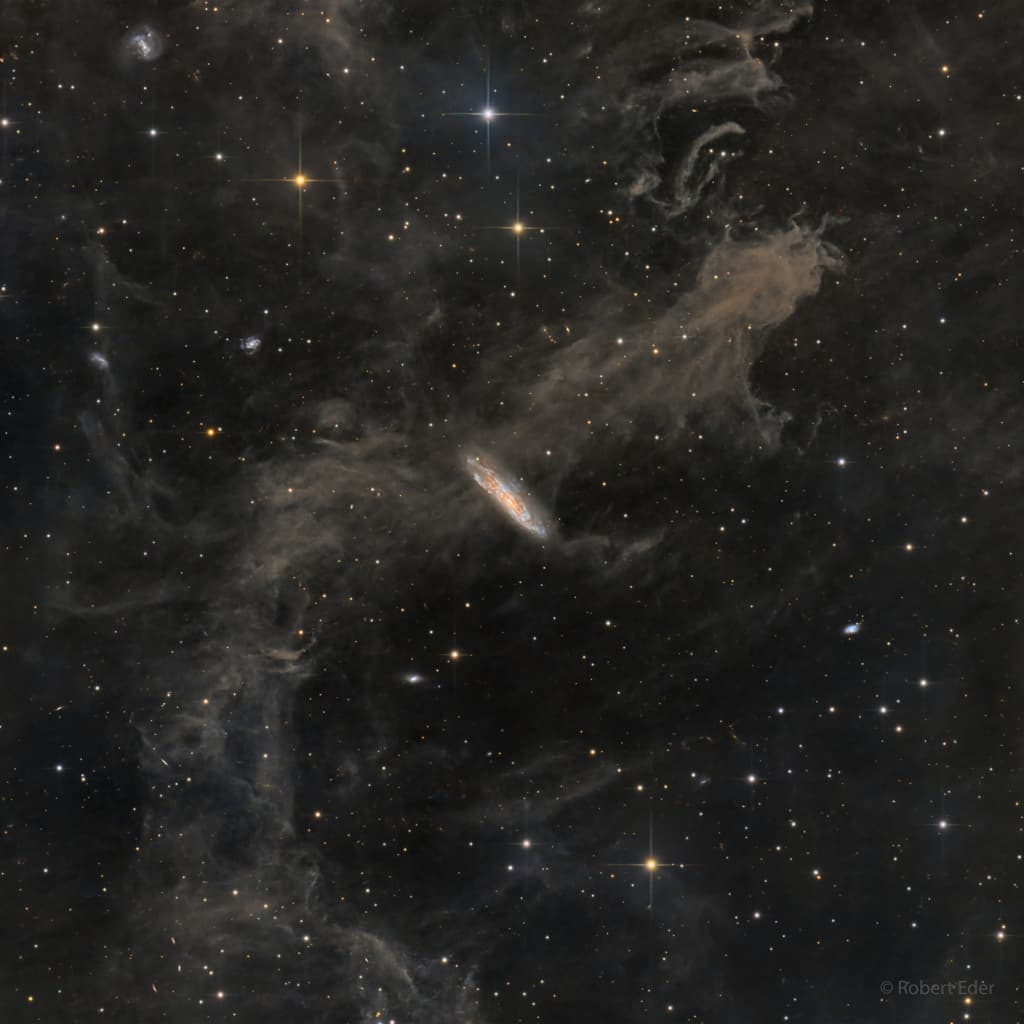
Explanation: Can you see nebulas in other galaxies? Yes, some nebulas shine brightly enough – if you know how to look. Clouds of hydrogen and oxygen emit light at very specific colors, and by isolating them, astronomers and astrophotographers can reveal structures that would otherwise be too faint to notice. This deep, 50-hour exposurehighlights glowing hydrogen (red) and oxygen (blue) across galaxy NGC 55, viewed nearly edge-on. Also known as the String of Pearls Galaxy, NGC 55 is often compared to our Milky Way’s satellite galaxy the Large Magellanic Cloud (LMC), although NGC 55 lies much farther away at about 6.5 million light-years. The resulting image uncovers a sprinkling of emission nebulas within and sometimes above the galaxy’s dusty disk, offering a detailed look at distant star-forming regions.
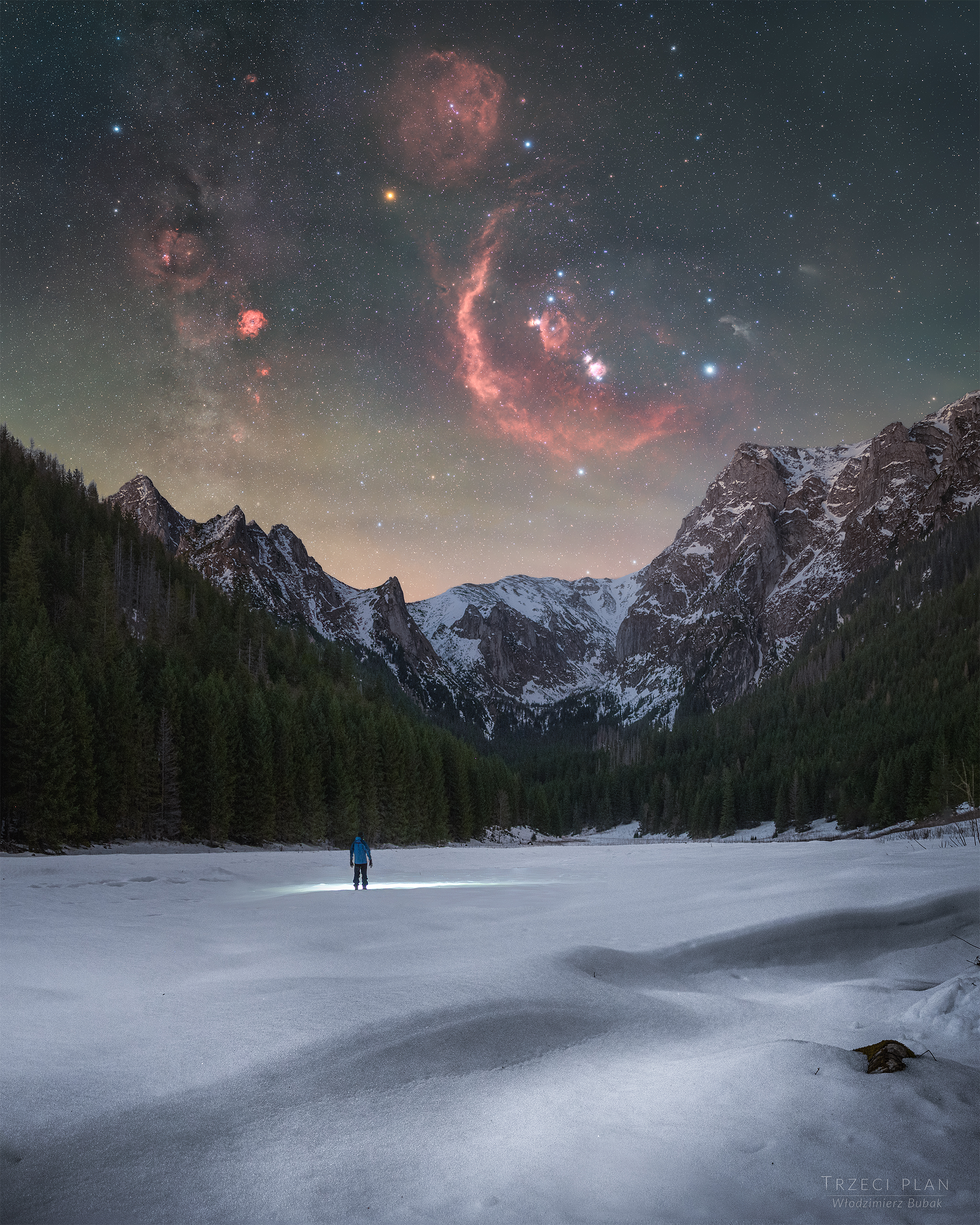
Explanation: Rising over a frozen valley in the Tatra Mountains, the familiar stars and nebulas of Orion dominatethis wide-field nightscape. The featured deep photo was taken in southern Poland’s highest mountain range last month, where dark skies and alpine terrain combined to reveal both Earth’s rugged beauty and the structure of our galaxy. Above the snowy mountains, Orion’s bright belt stars anchor a region of glowing interstellar clouds. The Great Orion Nebula, a vast stellar nursery visible even to the unaided eye, shines near the center of the scene. Surrounding it is the enormous arc of Barnard’s Loop, a faint shell of ionized hydrogen gas spanning much of the constellation. To the left, the round Rosette Nebula glows softly, while the grayish Witch Head Nebula hovers to the right, illuminated by nearby starlight. Near the top, the orange supergiant Betelgeuse marks the hunter’s shoulder.