Preamble:
Those with their ear, pun intended, in the audio space are familiar with ddHiFi. They are manufacturers of quality audio accessories and earphones. From my perspective, ddHiFi have always produced excellent quality products, going a step or two beyond the efforts of your typical company both in form and function.
While I’ve had the opportunity to both try out and own many of their accessories such as cables, adapters, ect, the Memory is only my second exposure to one of their IEM offerings, the first which was the Surface which I both love and own personally.
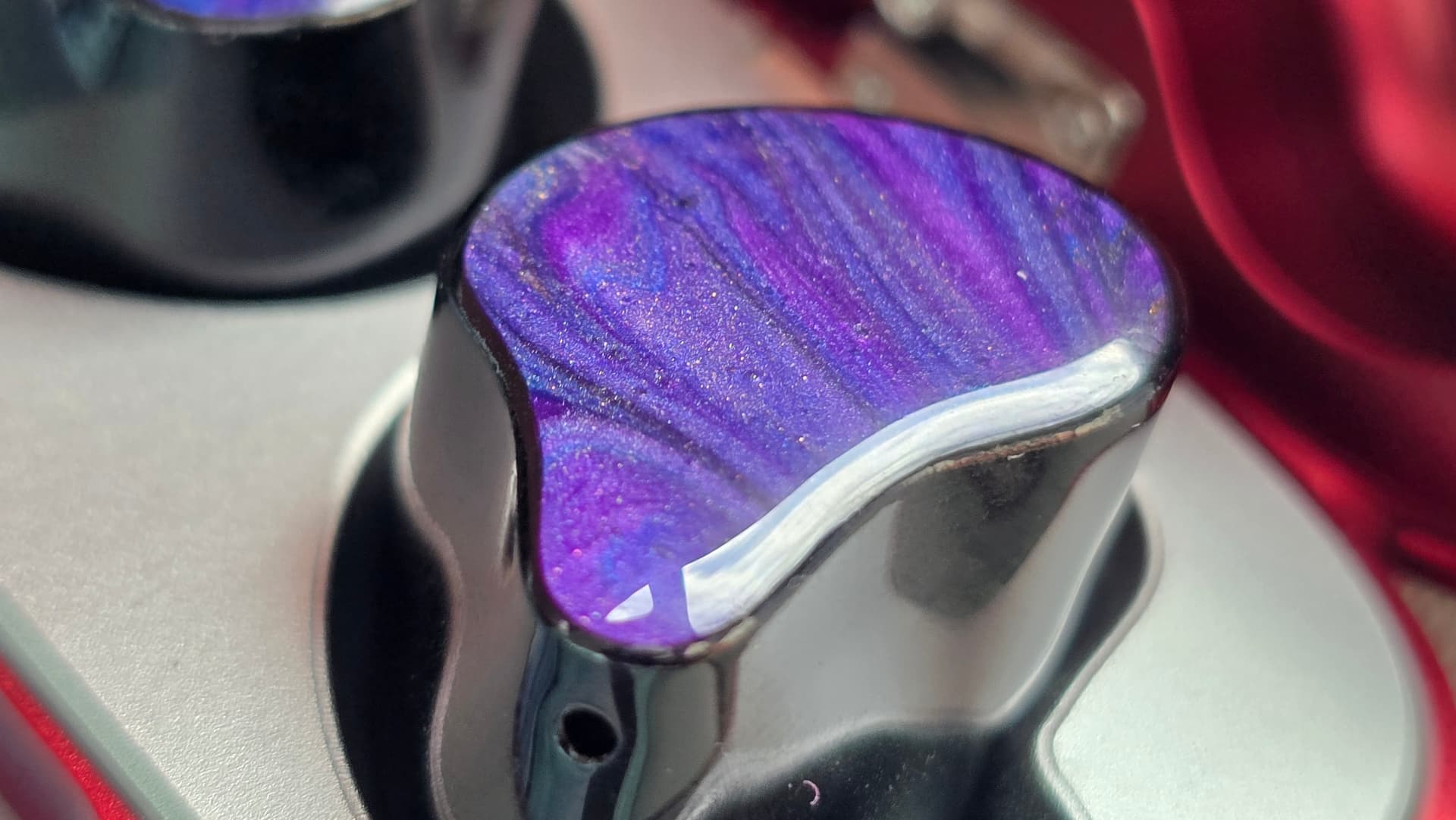
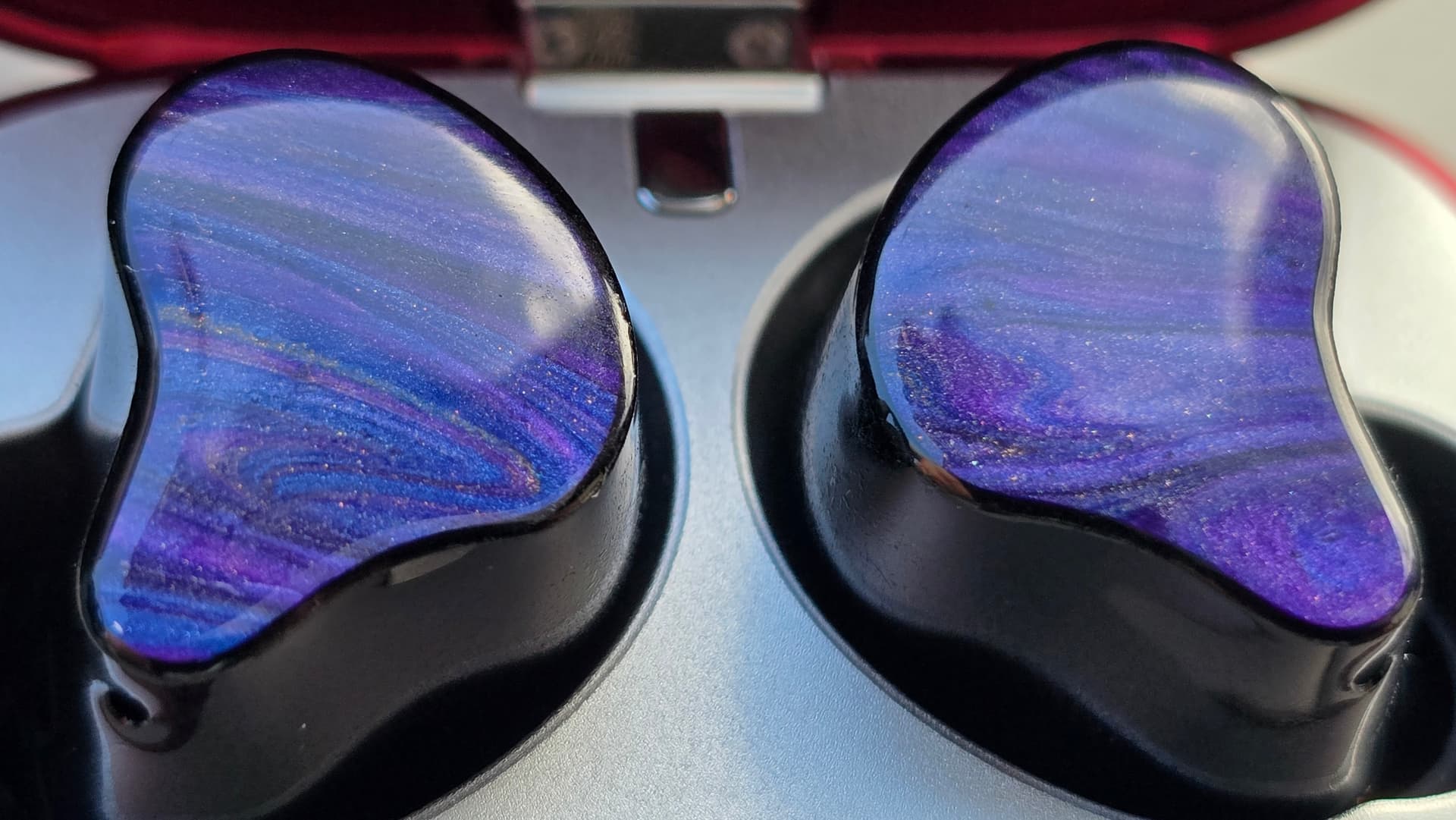
The $170 ddHiFi Memory is what the company calls a “Semi-In-Ear Planar Earphone”. The Memory, which has a pronounced nozzle for earphone tips, is packaged in an unassuming shell and appears to be a hybrid between an earbud and a traditional IEM, and it incorporates a single 13mm planar driver that was made in collaboration with Moondrop.
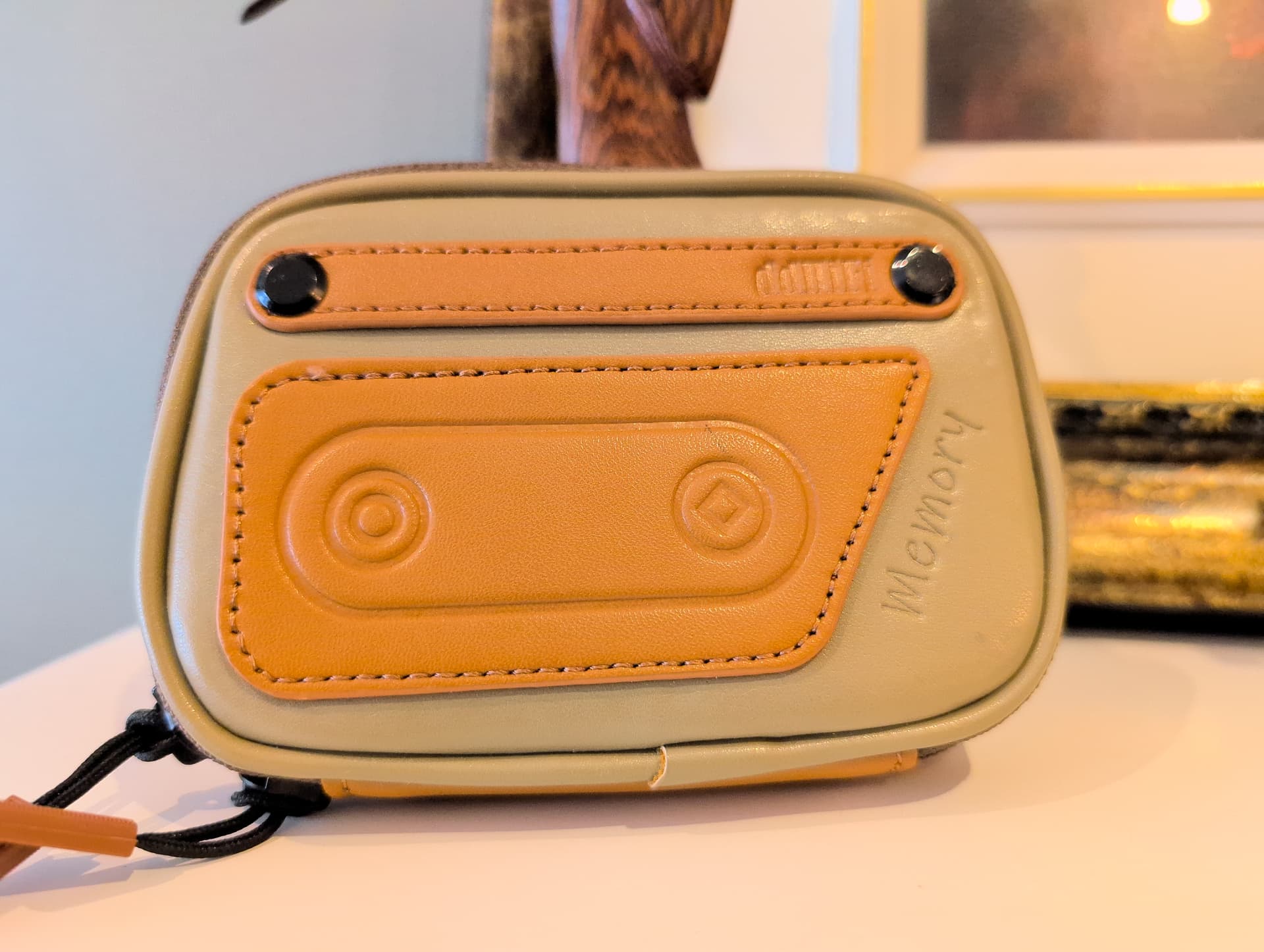
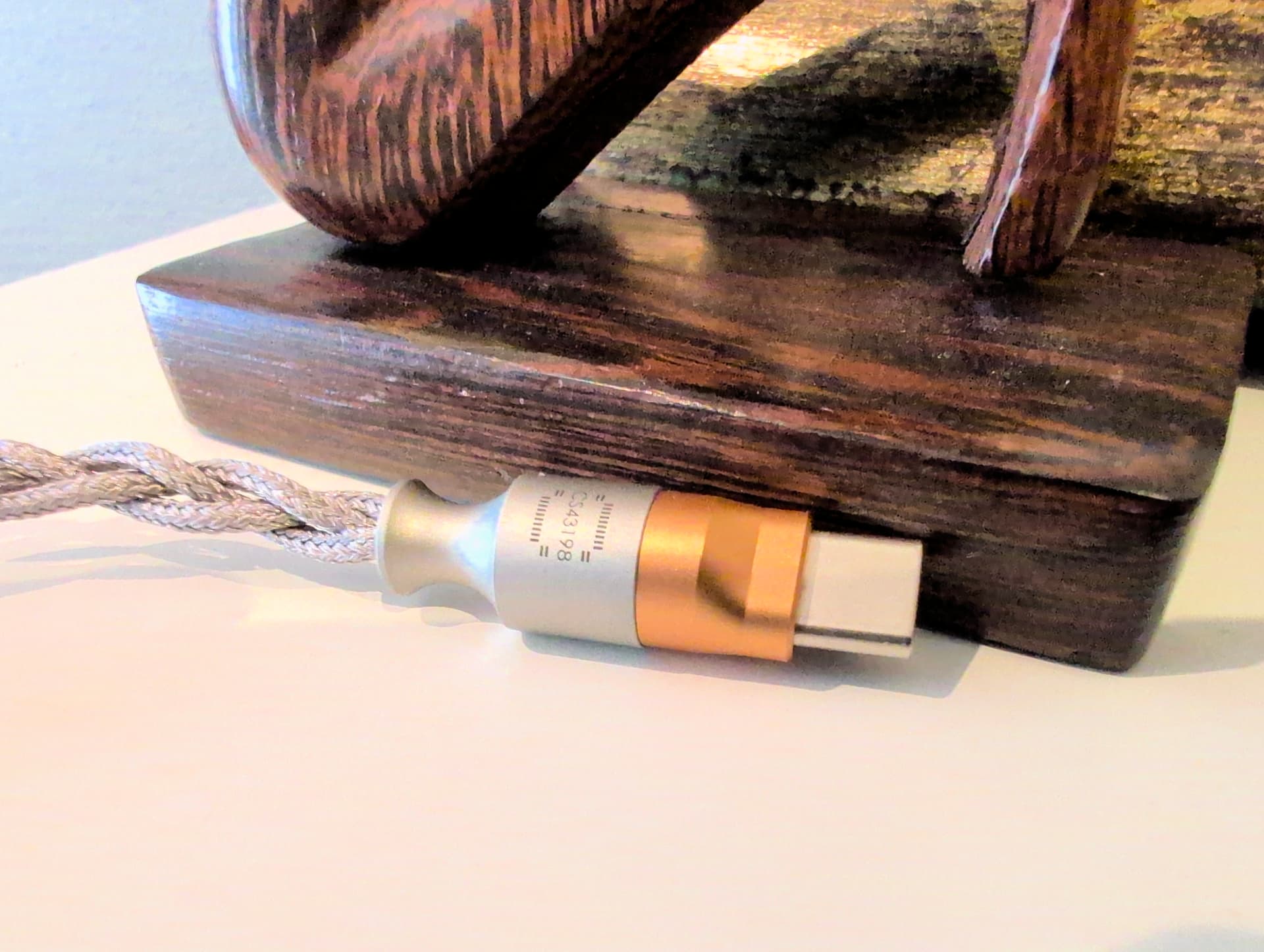
The captive braided cable ends in an USB-C connector with an integrated dac/amp boasting the CS43189 chip, which supports up to 32bit/384kHz decoding. While some may take acception with a $170 earphone having a captive cable and forcing the user to use the provided dac/amp, ddHiFi IMHO, has masterfully brought everything together is a musically entertaining and cohesive package.
Tunng wise, we have a smooth frequency presentation with a pleasing balance between detail and being musical. Driving the Memory isn’t an issue as its integrated dac/amp just needs a usb-c port from, say, a cellphone to operate. The playback can get uncomfortably loud but remains clean.
Specs:
Driver Configuration: 13mm Planar Driver
Plug: USB-C (compatible with USB-C smartphones and devices)
DAC Chips: CS43198 independent decoding
PCM decoding capability: Up to 32-bit/384kHz
DSD decoding capability : Supports up to DSD256
Effective Frequency Response Range: 20Hz-20kHz
In-line Controls: Calls, recording, music play/pause
Shell Craftsmanship: CNC AL6063 aerospace aluminum
Main Cable: Reinforced braided 5N OCC wire
Build & Fit:
Attractive earphones taken as a complete package. Unassuming shells.
Build quality is very good and feels sturdy enough.
Comfort and fit depends on tip selection. Proper insertion depth and stability for full bass.
The Cable is of typical high ddHiFi quality standards in both looks and haptics.
The bass has excellent control, is tight, clean, and has decent extension.
Deepest sub-bass is present but may not be authoritative enough for some.
The mid-bass is notably clean. Great speed and snap.
The overall bass a balanced presentation.
Bass detail is notable and does not bleed into the midrange.
The bass texturing is also notable.
Midrange:
Balanced midrange sonics with notable vocal clarity.
Detail retrieval is good with a mix of macro and micro details heard.
The midrange presentation has pleasing energy without harshness.
Vocals are just slightly forward in the mix, both male and female.
Pleasing timbre and texture.
There is moderate, well-controlled pinna gain.
Note-weight and density are good, but not class-leading.
Layering and separation are good.
Transients exhibit a sharp, rapid attack with natural decay.
Overall midrange clarity is very good, again in particular for vocals.
Layering and separation are excellent.
Treble:
The treble extends moderately well,
Smooth treble presentation with nuanced highs.
Detail retrieval is good, while sparkle and air are adequate.
The tuning makes the treble inoffensive yet lively, without the common excessive brightness.
The treble adds spaciousness to tracks.
The treble presentation lends itself well to long listening sessions. Treble sensitive rejoice.
The ddHiFi Memory does something that pretty much every other single planar driver equipped earphone has never accomplished until now, at least those I have heard. It is the most un-Planar Planar earphone I have heard. TBH, the Memory sounds like a very high-quality dynamic driver-based iem, and this is the impression I had when I first listened prior to looking at the specs. This is praise, by the way, as the articulate speed of the 13mm planar does come through in spades. Here we have an earphone that finally marries the best qualities of dynamic and planar drivers.
The sound is one of balance, with a level of articulate delivery that belies its price and integrated package. The only issue here is tip selection. This is absolutely critical to extract the most performance out of the Memory.
The midrange is arguably the crown jewel of the Memory, which has standout vocal clarity and a clean, smooth sound that delivers a pleasurable listening experience, even for longer listening sessions.
The only negative I observed was that the cable, in particular after the L/R split, exhibited some audible microphonics. I would have also preferred a touch more note density, but that is a subjective preference.
IMAGING & SOUNDSTAGE:
A moderate sized soundatsge. More intimate than expansive.
Instrument placement is accurate.
Good width with pleasing height and depth present as well.
CONCLUSION:
ddHiFi went out on a limb with the Memory. At its price point, releasing an integrated package, which some may construe as limiting, could have fallen flat. I though, can confidently confirm that the Memory is a triumph in the integration of both form and function.
I also understand the design rationale as the Memory serves the needs of those who may not appreciate the added bulk of carrying around an additional dac/amp, yet will not compromise on quality or sound.
From its smooth, musical playback to its obvious quality of manufacture and pleasing looks, ddHiFi has a clear winner with the Memory.
Sincere appreciation and thanks go to Intuaura for providing the Canuck Audioholics review Group the opportunity to experience, and review, the Intuaura Balance.
Tone Deaf Monk
Kingnubian
Krusty’olBastid
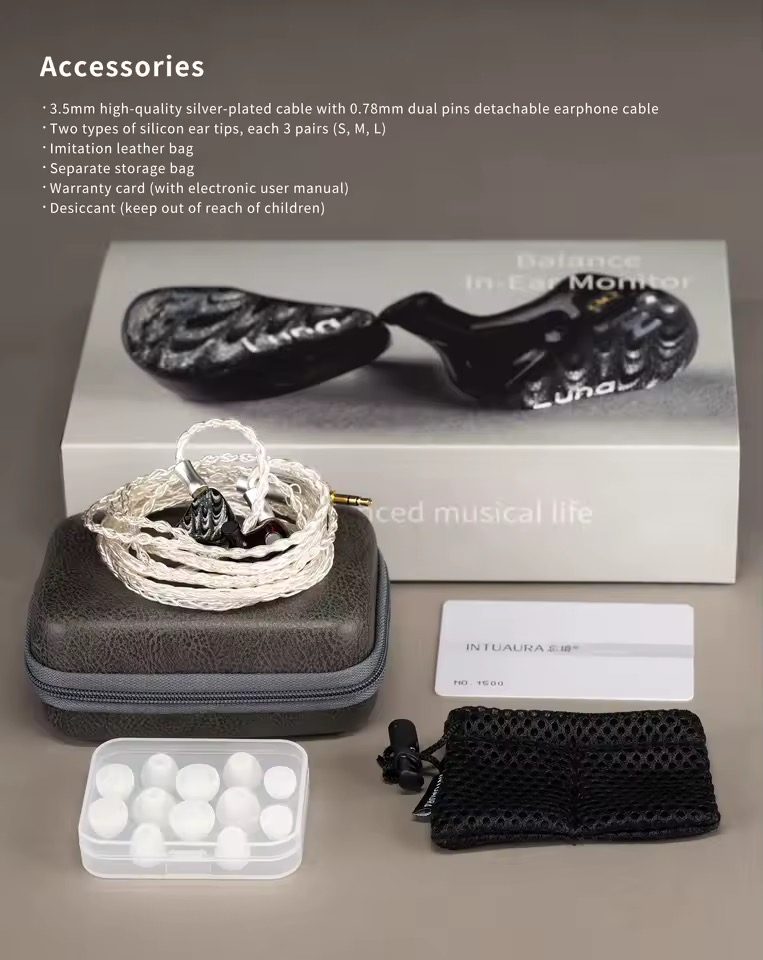
I did not receive the retail packaging, but have included a contents photo from Intuaura’s site.
Looks like a nice packaging, pretty much what one would expect to find in the box.
Pros and Cons:
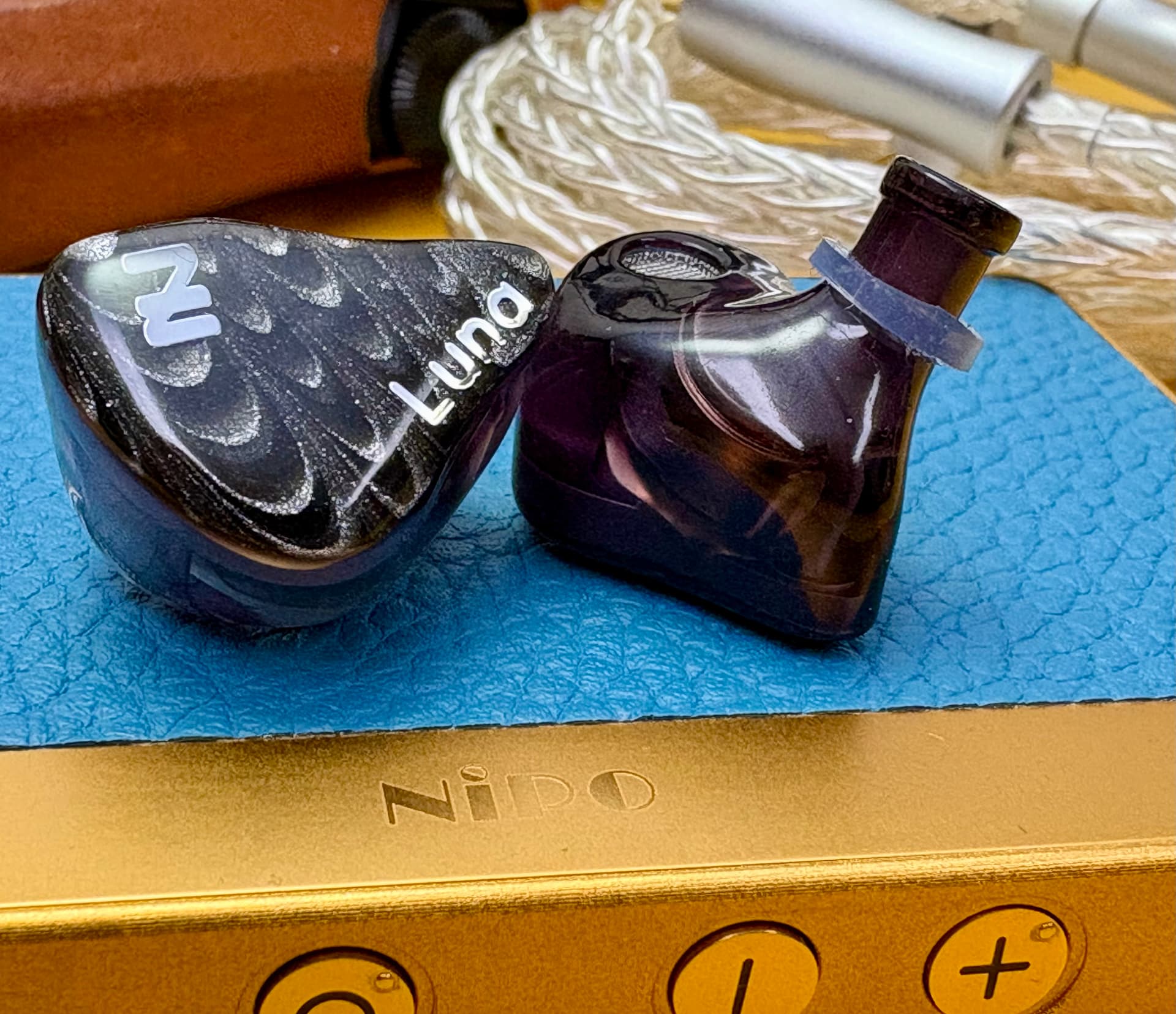
Seamless 3D printed shells are compact sized and should fit the vast majority of ears without problem.
On the inner face, the shells feature a large vent that Intuaura refers to as their Air Pressure Equilibrium System.
Nozzles are long enough most ears will achieve approximately a mid point insertion depth.
But, the ear tips can slide all the way down the nozzle to the bass of the shell resulting in a shallower insertion depth, and present challenges getting a good seal and anchor. (my personal experience )
I fell back on a trick I learned early on in my IEM journey and slipped a spacer on the nozzle to prevent the tips sliding on too far. (Visible in photo).
These are cut from some rubber tubing I had on hand. But cutting a suitable length from the barrel of ear tips you don’t use will also work well.
The stated advantages of the Air Pressure Equilibrium System are:
Expanded Soundstage.
More Detailed Articulation.
Natural Bass Response.
I’m not sure how much credit goes to the A.P.E System, and how much goes to tuning and the dexterity of the dynamic driver. But….
IMHO, Intuaura has achieved their intended goal.
The stock silver plated copper cable is a nice offering. Supple, doesn’t tangle easily, metal encased hardware.
Only offered in 3.5mm termination. No option to choose 4.4mm at checkout.
More or less balanced sound signature with a moderate mids/vocals lift.
The Balance sounded good on all, but I found brighter sources like the Activo P1, and, oddly, the warmer JM21, leaned out the mids and vocals a bit. Not enough to be harsh or unpleasant, but not to my preference.
Overall, a source that added some warmth to the mids was my preference.
The Astell and Kern SP2000T added that touch of warmth while maintaining the clarity and articulation of the mids.
Equipment:
Intuaura Balance single DD IEM, aged 100+ hours.
AK SP2000T DAP, 3.5mm out.
Stock silver plated copper cable, terminated 3.5.
Sedna Xelastec wide bore tips.
Sound:
Bass is textured with good dynamics.
Good balance and definition between sub and mid bass.
Intuaura Balance serves up a respectable deep and rumbly sub bass when called upon.
Bass is well mannered, with enough carry over into the mids to add some warmth, without over shadowing.
There is no “enhancement” in the bass tuning. If it’s not in the recorded source, it’s not in the playback.
Mids and vocals are clean, clear, and articulate.
Depending on source device, they can lean either toward “technical” and a bit lean, or, with some added warmth, present more “musical” while retaining their clarity and articulation.
Vocals, both male and female, are clear, accurate, and natural.
Highs are rolled off and carried primarily by the upper mids. There is a boost around 8K that adds sparkle and air.
Staging is very good.
Overall presentation has a perceived outside “around the head” spaciousness.
Left to right stereo imaging, and top to bottom layering, is precise and accurate.
Front to rear depth, while a touch shy of truly holographic, has a good sense of “depth of stage”.
Summary:
Another impressive single DD offering from Intuaura.
The Air Pressure Equilibrium System vent on the inner face of the shell does allow a noticeable amount of sound to escape.
I can’t help but wonder if this results in some ambient sound entering the ears, adding to the perceived “outside” the head staging experience.
This is just me surmising, I came across nothing in Intuaura’s info that suggests this is the case.
This is an IEM for enthusiasts that enjoy a detailed and articulate sound that faithfully plays back the source file very close to how it was recorded.
Treble heads may not be fully satisfied with the rolled off high end.
And bass enthusiasts that like an enhanced bass presence may likely also be left wanting.
The Intuaura Balance is worthy of consideration by those who enjoy a mostly balanced sound with well expressed mids and vocals.
My music sources:
Qobuz, and, FLAC and DSD files stored on the SD cards of my daps.
My music genre are primarily Rock, Blues, Jazz, Symphonic, Country, Rap, R&B, Pop, Electronic.
Preamble:
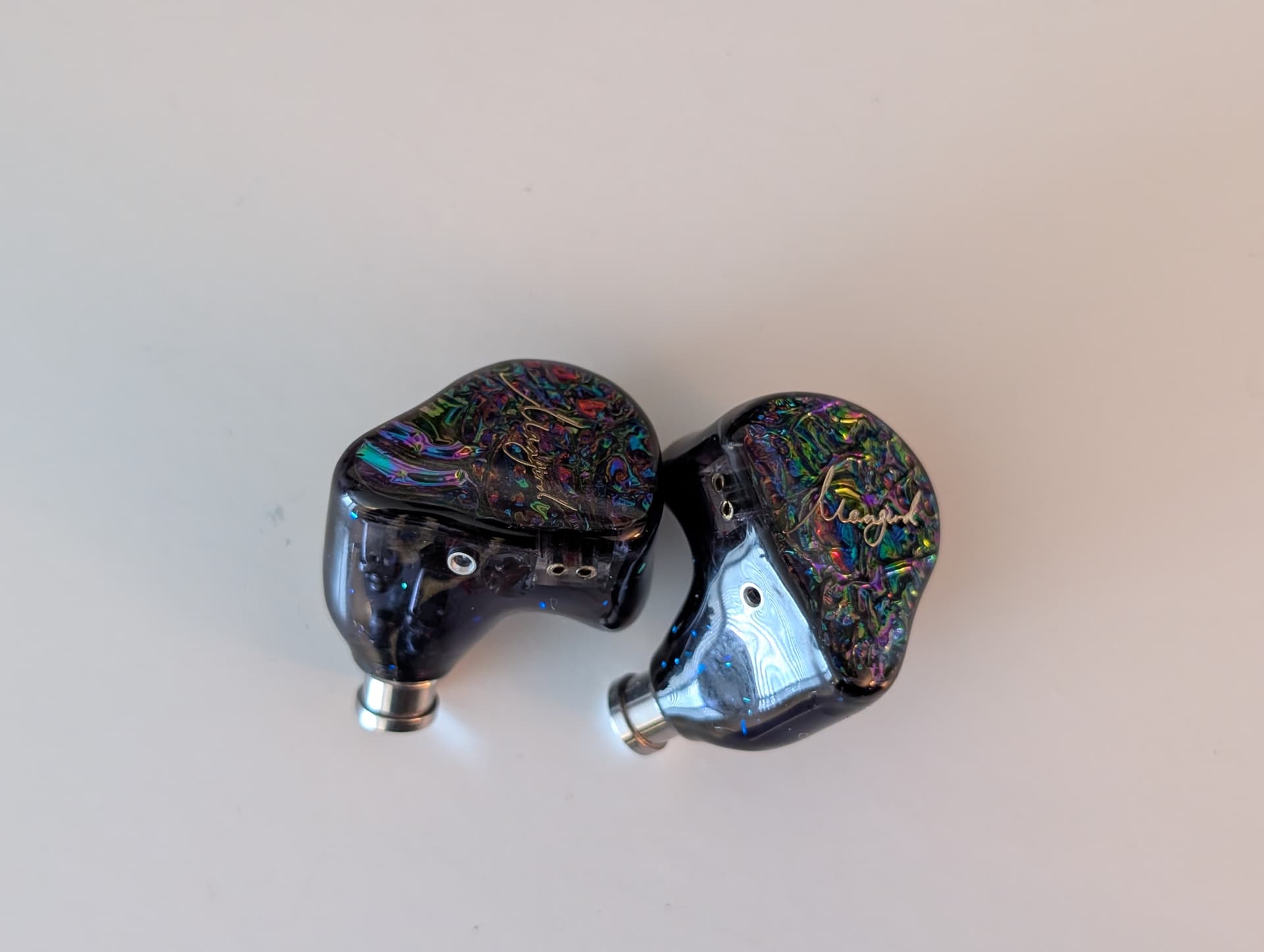
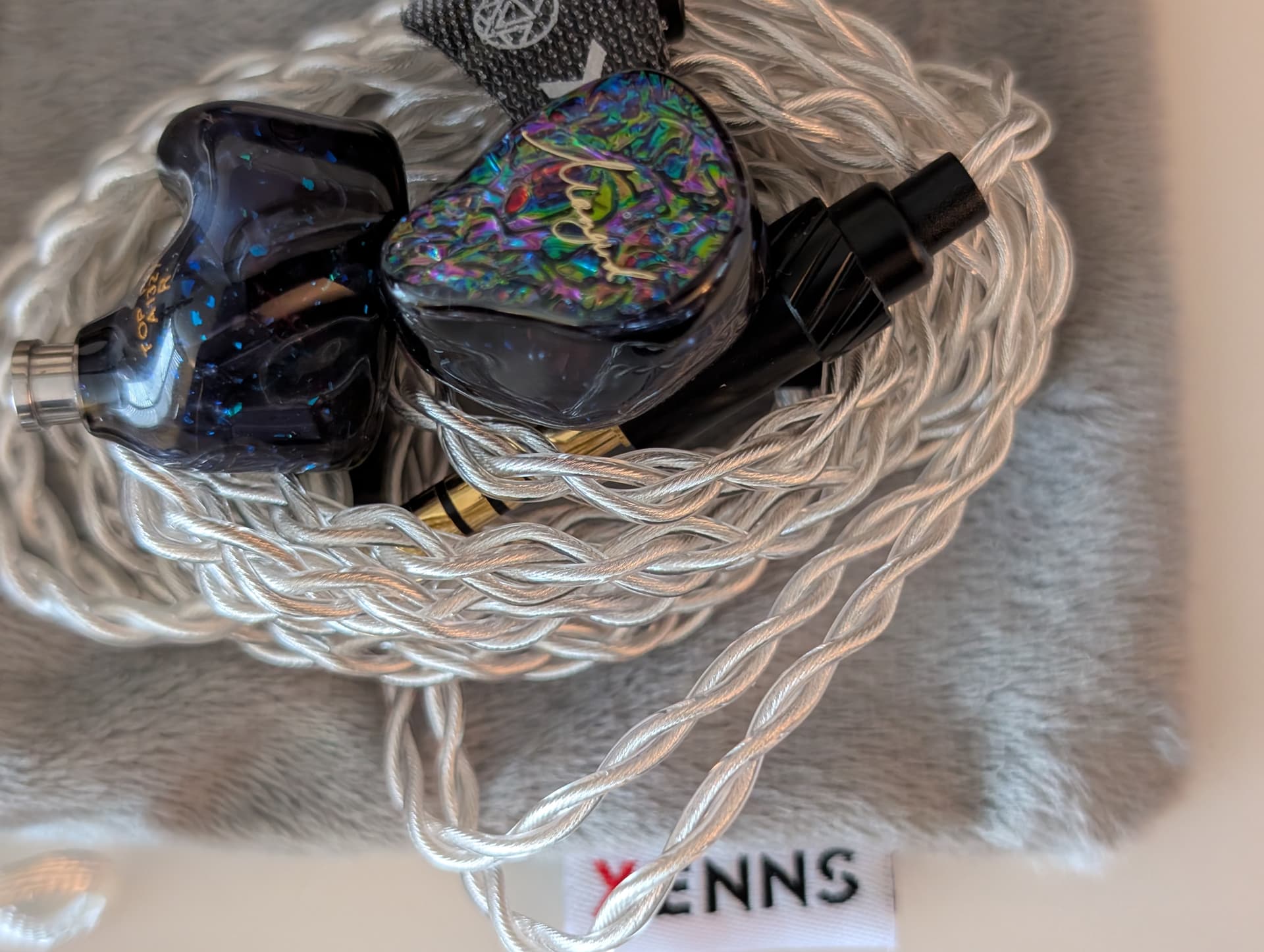
Xenns Mangrid is a celebrated brand that makes quality iems. My previous experience with one of their products was with the Xenns Mangrid Up. That experience was positive, and as such, I had some high expectations prior to listening to the Top Pro.
The $715 Top Pro is an ambitious release, being a 10-driver hybrid iem. The manufacturer is not shy about detailing the origin of the individual driver components, all being of high-quality Knowles and Sonion components except for the dynamic drivers, which are described as custom.
The tuning is one of great technicalities, while still keeping a high level of musicality. I would classify the overall sound signature as a w-shaped, leaning twords neutral-bright, but that is an oversimplification. I am sometimes uncomfortable with classifying the sound signature using just a few words, but I understand the reader wants at least some point of reference.
The Top Pro is easy to drive, and I would recommend a high-quality source that is neutral to slightly warm in order to achieve the best synergy. The Top Pro is a resolving iem and deserves to be driven by a capable source, yet can still sound good with most quality dongles.
One must not overlook tip selection with such a resolving set. I opted for a short-stemmed, wide-bore tip.
Specs:
• Driver
o Dual custom dynamic drivers with NdFeB magnets
o (2x) Custom Knowles balanced armature drivers
o (2x) Sonion E50D balanced armature drivers
o (1x) Knowles super tweeter
• Frequency Response: 20Hz-33kHz
• Impedance: 16Ω
• Sensitivity: 103dB ± 1dB
• Connector: 0.78mm 2-Pin
• Cable: 4-Strand 196-core single-crystal copper + silver hybrid, 1.2m
• Termination: 2-in-1 (3.5mm SE + 4.4mm BAL)
Build & Fit:
Beautiful design with a flawless finish of the rein shells.
Build quality is exemplary.
Comfort and fit is excellent. Tip selection makes a big difference.
The cable is of high quality with great haptics.
The included carrying case is also of notable quality.
The bass has excellent control and is tight, clean, with deep extension.
There is a sub-bass over mid-bass prominence, but not enough to spoil the balance.
The mid-bass is notably clean. Great speed and snap, though slightly thinner than the deepest bass.
The sub-bass is very present when called for in the music. Powerful when called upon.
Bass detail is notable and does not bleed into the midrange.
The bass texturing is also notable.
Midrange:
Exceptionally clear and detailed midrange.
Detail retrieval is notable with a mix of macro and micro details heard.
The midrange has a touch of warmth. Vocals are super clear.
Lively midrange presentation but no harshness. Does better on well-recorded tracks.
Pleasing timbre and texture with an overall richness of sound.
There is an audible but well-controlled pinna gain.
Note-weight and density are good, but not class-leading.
Layering and separation are excellent.
Transients exhibit a sharp, rapid attack with natural decay.
Overall midrange clarity is outstanding, again in particular for vocals.
Layering and separation are excellent.
Treble:
The treble has great extension.
Boosted yet smooth treble presentation with ample sparkle and air.
Detail retrieval is quite good.
There is a liveliness to the treble, yet it never gets irritating.
The treble adds lots of spaciousness to tracks.
Treble sensitive folks may take exception, but the high end sings.
The relaying of treble nuances and texturing is standout.
The Xenns Mangrid Top Pro is an exceptional performer. From its deceptively powerful bass to its beautifully detailed midrange and treble, the Top Pro satisfies. For example, while listening to some of my pristinely recorded DSD’s such as “Exchange” by Frederic Alarie on the album titled “Mega Bass”, I was more than impressed with how complete the sound was, as replayed by the Xenns Mangrid Top Pro. The bass notes, with all their harmonics and texture, were right there to enjoy. The artist’s low humming was also clearly audible, including the sound of their fingers sliding on the strings. Intoxicating to say the least, and involving.
The Top Pro makes it all too easy to just fall into the music, making being critical almost an act of defiance, needing some good level of personal control to accomplish. While being an unarguably technically adept iem, the Top Pro still projects a level of musicality that is more than pleasing. Music just sounds like music. You will not only hear the vocalist breathing but also experience the emotional delivery of that vocalist. Such is the allure of the Top Pro. It strives to give the listener everything in an unabridged but organic way. In that regard, it succeeds very well.
If I were to nitpick, and believe me these are small things, I would have preferred a touch more mid-bass and lower midrange density. The overall performance of the Top Pro, though, seemed to diminish the impact of those tiny nitpicks.
IMAGING & SOUNDSTAGE:
A moderate sized soundstage. More intimate than expansive.
Instrument placement is precise.
Well-balanced between dimensions, leading to a natural presentation of space.
The Top Pro offers greater density and richness of sound, in particular in the midrange. Bass response is good on both, but superior is drive and organics with the Top Pro. In the treble it is a toss-up, each blessed with clarity and detailing. I prefer the sonics of the Top Pro, in particular because of its added note density and improved richness of sound.
CONCLUSION:
Xenns Mangrid has a clear winner with the Top Pro. On offer is a highly resolving sound with a heavy dose of musicality. The Top Pro is proof that you can have your cake and eat it too.
From the exemplary build quality to a wonderfully enticing sound, the Xenns Mangrid Top Pro ticks all the boxes for a high-quality listening experience.
The Canuck Audioholics sincerely thank BGVP for providing the Astrum IEM for review.
We are very fortunate to have BGVP’s continued support of our review group.
We have come to know BGVP as a company with unwavering attention to detail, and an unyielding commitment to quality throughout.
Tone Deaf Monk
Kingnubian
Krusty’olBastid
I did not receive the retail packaging, nor can I find a photo on line that details the included accessories, but the description on line describes an impressive unboxing experience.
Another area BGVP excels in.
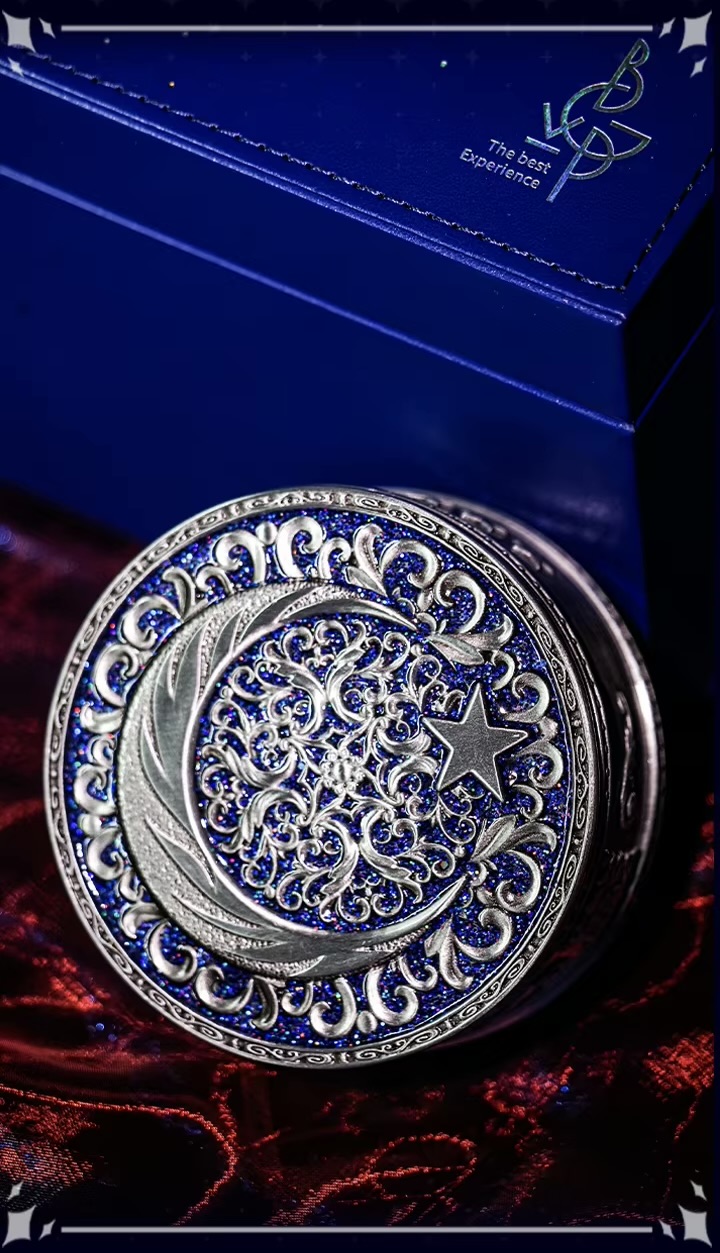
The ear pieces are stunning, the cable top shelf, and I did find a photo of a very ornate metal carry case.
Pros and Cons:
Semi custom resin shells are high quality, seamless build.
Vented, and fitted with metal nozzles.
I would rate these mid sized, with a shallow to mid insertion depth.
In my ears they are very comfortable. They have a moderate size wing, and nozzle angle that works very well for a secure fitment.
Fit is of course very personal, Astrum works very well for me, and I often struggle with fitment, your mmv.
Colourful and immaculate shell art adorns both the shell and faceplate.
Stock cable is an exquisite looking, high purity graphene/copper offering terminated 4.4mm.
Supple and not prone to tangling.
Purple clad cable, with metal hardware, featuring coordinated painted inserts, and, embossed with the 12 signs of the zodiac on both the termination and splitter.
The chin toggle requires 2 hands to position, but definitely stays in place.
Excellent bass.
Mids centric tuning that, at times, can become over saturated.
Rolled off treble, EST’s do provide some sparkle and air.
Staging is clear and detailed.
Source Device:
I spent a lot of listening hours with Astrum. And part of that process was targeting the best source device pairing.
I find the Astrum mid centric tuned.
Let me clarify that.
It is NOT over elevated or over forward in the mids, nor is it peaky, harsh or sibilant in the mids.
It just has a lot of musical information in the mids region, and can, at times, become cluttered or “oversaturated”.
I didn’t cable roll, I always review with the stock cable, and tip rolling did not give me the result I was looking for.
Selecting the best source device pairing provided the most enjoyable listening experience geared to personal preference.
This was a source that did not have a mid forward focus, and provided good clarity and detail.
The iBasso DX340 with stock amp 15, the Astell and Kern Kann Max and SP2000T, and the Activo P1 were candidates.
The sound evaluation will be done using the A&K SP2000T.
Stock high purity graphene ACOOL copper cable terminated 4.4mm.
Eletech Baroque wide bore ear tips.
Sound:
The dual 8mm dynamic drivers deliver a nicely balanced bass.
Sub bass pulls low with a deep rich rumble or boom as per the recorded source. Turn up the volume and it will give the skull a rattle.
Mid bass is tight and punchy. Stringed bass solo performances exhibit excellent texture and string resonance on individual notes.
Kick drums have nice impact and thump.
Bass is well mannered and stays in its place with enough carry forward to warm the mids but doesn’t pervade the head space.
Mids and vocals are the stars of the show.
Very detailed, both macro and micro, clean and clear with spacious enough staging for good separation and individuality.
Male and female vocals sound natural with accurate tonality.
As mentioned above, there is a lot of music information tuned into the mids region and on occasional tracks I find the mids can become a little oversaturated.
Source device selection helped limit these occurrences, and lowering the volume a bit when they do occur helps take the edge off.
Treble is rolled off, and carried mostly by the upper mids.
The EST drivers add welcome sparkle and air, but typically don’t extend high into the head space.
It seems this is a common tuning practice recently, and on most of my library this is not much of a detraction.
But on certain genre like symphonic, classical, and jazz it limits the ability of instruments like violin, flute, trumpets etc. to seamlessly soar high.
Head stage is very nice overall.
Width left to right is nicely outside the ears. Height top to bottom is good, bass can pull low and deep, but rolled off treble does limit extension upward.
Front to rear depth is good. Not exactly holographic, but does have a nice head filling sense of “depth of stage”.
Spaciousness falls somewhere in between intimate and expansive which results a very nice head space.
Stage is clear, open and spacious enough to provide good individuality and excellent imaging and layering.
Summary:
As mentioned above Astrum has a mid centric tuning. I do find, on occasion, there can be a bit too much information in the mids region for my brain to process properly, resulting in some clutter. Source device selection, volume, and quality of the recorded source all factor in.
I did find I had a more consistent listening experience using a streaming service (Qobuz) than listening to recorded sources on the SD card.
Astrum lays poorly recorded source tracks bare.
While not tuned to my personal preference, overall I very much enjoyed several lengthy listening sessions with Astrum.
Once my setup was dialled in, I was able to easily slip into, and remain fully engaged, in each listening session.
Astral is more a detailed and mildly energetic drift than a relaxed easy going one. But engaging all the same.
Who is Astrum for?
Those who like a solid balanced bass presentation that knows its place, enjoy a prominent and detailed mids experience, and are ok with a relaxed treble.
Those who like emphasized bass, or true treble enthusiasts may be left wanting.
My music sources:
Qobuz, and, FLAC and DSD files stored on the SD cards of my daps.
My music genre are primarily Rock, Blues, Jazz, Symphonic, Country, Rap, R&B, Pop, Electronic.
My take on NF Acous latest NM25 Professional Series Monitor IEM’s
For music lovers more like Neutral Very Bright , great for string instruments and female vocalist monitor set. Takes a EQ like a champion and has a really light shell and really high quality driver
Designed in Collaboration with well known Japanese reviewer Kaji Kaji
** 10mm Composite Bio-Diaphragm Driver for Bass.
** 8mm Composite LCP Diaphragm Driver for Mid Bass and Mid Range.
** One Customized High-Performance Balanced Armature Driver for Treble.
** One Customized High-Performance Balanced Armature Driver for Ultra Highs.
** Impedance: 37Ω@1kHz.
** Sensitivity: 105dB/mW.
**Frequency Response Range: 5Hz~40kHz.
** THD+N: <0.5%@1kHz.
Preamble:
Thanks and appreciation go out to HiFiGo and DUNU for providing the Canuck Audioholics with the DUNU x KOTO ITO review sample.
Tone Deaf Monk
Kingnubian
Krusty’olBastid
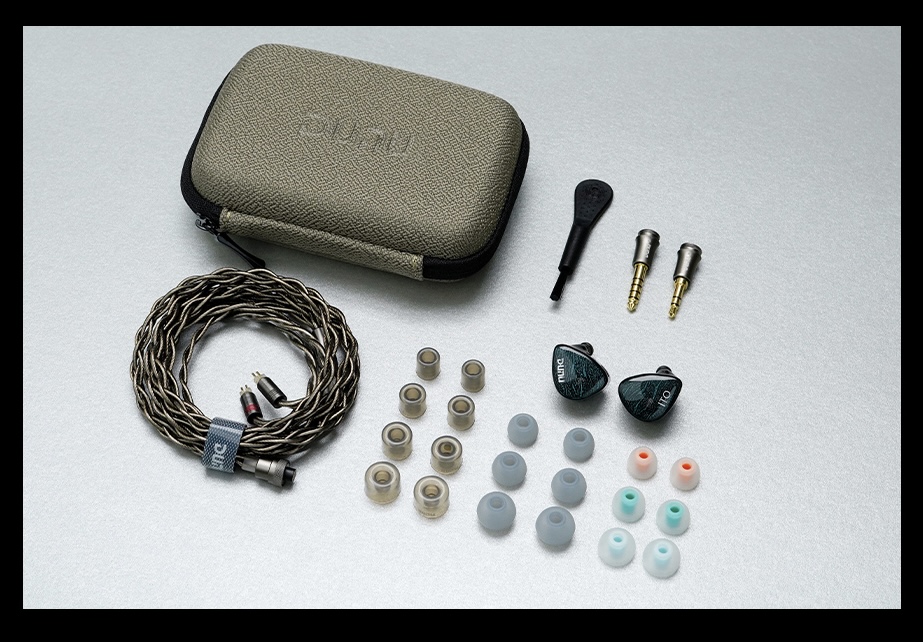
I received only the ear pieces, cable with 3.5 and 4.4mm terminations, and carry case.
The photo from the website shows the full compliment of what’s included in the retail package. Standard fare, but all the important stuff is there, and what I received is good quality.
Pros and Cons:
Vented 3D printed all resin shells are high quality with seamless integration with the faceplate.
Medium sized shells fit my ears easily.
Standard shell design, no wing or semi custom elements.
Good nozzle angle and a mid point insertion depth.
No issues for me getting a good anchor and seal.
The stock, modular, High-Purity 4-Core Single-Crystal Copper Cable is a nice offering.
Reasonably supple, metal clad hardware, plastic chin toggle, 3.5 and 4.4mm terminations included.
Bass is boomy, lacks both texture, and definition between sub and mid bass.
Bass does work well with electronic, rap, and other bass focused genre.
Mids are scooped with a pinna peak around 3k, then rolled off.
Some sparkle and air adds a bit of energy to the treble.
Staging is average.
Equipment:
DUNU x KOTO ITO IEM aged 100+ hours.
FiiO JM21 DAP, mid gain, 4.4mm balanced out.
Stock pure copper modular cable, terminated 4.4mm.
Eletech Baroque Stage wide bore ear tips.
FYI:
The following two statements are direct excerpts from ITO marketing literature.
“The pair boasts a lively, full-bodied sound signature that complements Different Genres of Music Altogether.”
“DUNU X KOTO ITO is perfectly tuned for rhythm-driven genres like Rock, Hip-Hop, and Electronic.”
My personal experience is the second statement is more accurate. ITO is better suited to bass prominent genres.
Less so an all-rounder.
ITO’s tuning doesn’t really compliment my preferred sound signature/preference.
I will do my best to remain as objective as possible, but understand, I do hold a bias.
Sound:
Bass is sub over mid.
Sub bass is really deep and boomy, very nicely suited to bass heavy tracks.
Doesn’t have much for texture or dynamics, but will rattle your skull at moderately high volumes on sub bass focused tracks.
Mid bass has nice impact, but there is not a lot of definition between sub and mid bass, and sub bass will overtake mid bass when present.
On non bass prominent genre the bass remains prominent, but eases off and generally works well with most genre.
Lower mids are scooped and then rise at a moderate rate through the mid range peaking out in the upper mids at around the 3k mark, where they roll off going into the high frequencies.
Mostly macro detail in the mids, which keeps them from becoming harsh, but also limits detail and clarity.
Vocals are mostly natural sounding, warmed a bit by bass carry over. They don’t present elevated, nor overly forward.
Treble continues to roll off so there is not a lot of micro detail on the top end either. A couple peaks here that add some welcome sparkle and air.
Staging is average.
Good width, outside the ears left to right. Top to bottom height is average, bass pulls low, but rolled off treble keeps what sparkle and air are there from soaring high in the head space.
I find front to rear depth quite limited.
Stage is not very open or spacious, but it is wide, and left to right stereo imaging is good and accurate. Layering is tight.
Summary:
ITO are not really right for me.
This is 100% based on personal preference.
On a library of mixed genre, at times ITO had me engaged and tapping my toes, and, other times, hitting the skip button.
But for those who listen primarily to bass prominent music, and those who like a V shaped tuning, DUNU x KOTO ITO could very well be a great fit.
My music sources:
Qobuz, and, FLAC and DSD files stored on the SD cards of my daps.
My music genre are primarily Rock, Blues, Jazz, Symphonic, Country, Rap, R&B, Pop, Electronic.
Preamble:
Softears Acoustics is a celebrated manufacturer of IEMs. They have a reputation, rightfully garnered, of producing quality products with an eye on research and sound quality.
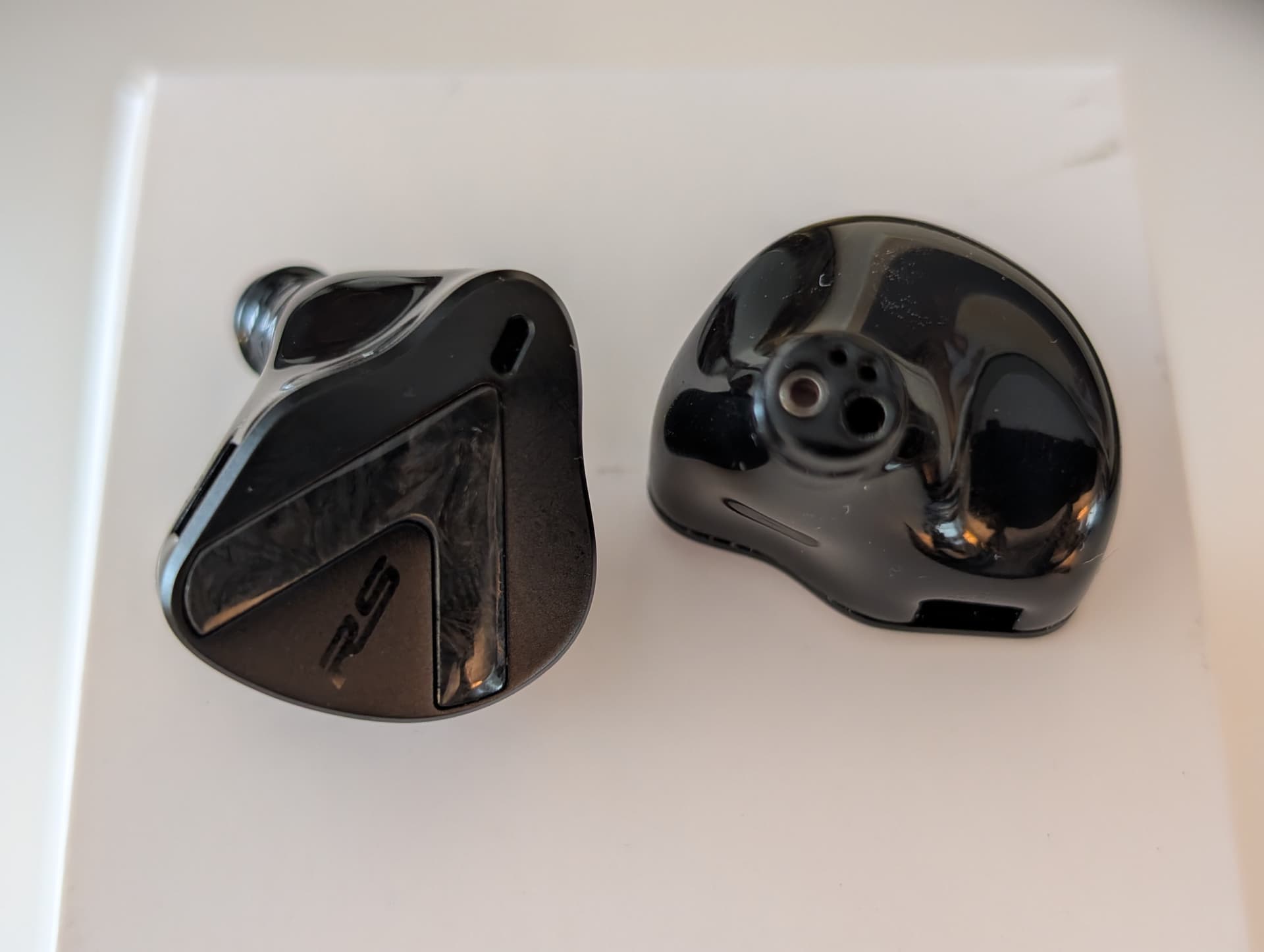
The RSV MK2 is the second iteration of the much-loved RSV. In fact, the MK2 employs the same driver configuration as the OG RSV, but with an updated acoustic design. As with the original RSV, the MK2 has a driver configuration of five balanced armature drivers mated to tuned acoustic tubes.
Some may have preconceived ideas of what balanced armature sound “is”. Personally, I don’t subscribe to attributing a sound signature to any specific driver tech or configuration. IMHO, it is all about implementation and tuning. I have heard good and bad examples of all driver technologies. That being said, the RSV Mk.2 is a stellar example of what skilled implementation sounds like.
The RSV Mk2 is easy to drive with its low impedance and high sensitivity, but does scale notably with better sources. A neutral source brought out the best from the RSV MK2. Regarding tuning, we have a balanced presentation with some moderate bass emphasis. As for tips, I recommend a short-stemmed, wide-bore tip for best effect.
The bass has excellent control and is tight, clean, and with deep extension.
Sub-bass has a slight prominence over mid-bass. Bass has a rich fullness and density.
The bass is notably clean. Great impact, speed and snap.
The sub-bass is very present when called for in the music. Powerful when called upon.
Bass detail is notable and does not bleed into the midrange.
The bass texturing is also notable.
Midrange:
Exceptionally clear and detailed midrange with good balance.
Detail retrieval is notable for a pleasing mix of macro and micro details heard.
The midrange has a touch of warmth. Vocals are expressive and clear.
Lively midrange presentation but no harshness. Somewhat forgiving of poorer recordings.
Pleasing timbre and texture with an overall richness of sound.
Pinna gain is controlled, with no harshness.
Note-weight and density are good.
Layering and separation are excellent.
Transients exhibit a sharp, rapid attack with natural decay.
Overall, the midrange has natural and organic playback.
Immersive presentation.
Treble:
The treble has good extension.
Adequate sparkle and air. This depended on the source.
Detail retrieval is quite good.
There is a natural liveliness in the treble.
The treble adds spaciousness to tracks.
Treble presentation is organic. Cymbal work sounds natural.
The relaying of treble nuances and texturing is standout.
The Softears RSV MK2 is an exceptional IEM. Its cohesive and organic sound really allows the listener to become quickly absorbed into the music. This is an IEM that serves to help redefine the balanced armature “sound” misconceptions that are still out there. Probably fuelled by most manufacturers, who struggle with its proper implementation. Bass quality, density and fullness were standout; this being traditionally thought to be a failing of balanced armature bass drivers.
From top to bottom, the RSV MK2 provided a cohesive and well-balanced sound that allowed the music to breathe, the iem not getting in the way. Initially, I noticed that the sparkle and air could have been a touch more prominent. That is until I drove the RSV MK2 with the incredible Burson Conductor GT4 dac/amp. Not only was my little criticism laid to rest, but it reinforced the notion that this IEM scales noticeably with quality sources.
The RSV MK2 ticks all my boxes for its immersive sound experience when driven by a quality source.
A moderate-sized soundstage. More intimate than expansive.
Instrument placement is precise.
Well-balanced between dimensions, width slightly more prominent.
Notable instrument spacing and detailing.
Layering and instrument separation are excellent.
Vesrus:
-Xennes Mangrid Top Pro-
The Top Pro offers a somewhat livelier, if thinner, sound, particularly regarding the upper midrange and treble, with greater sparkle and air. Bass is more prominent with the RSV MK2.
The RSV MK2 is more balanced throughout. Note-weight and density are a win for the RSV MK2, in particular in the mid-bass and midrange. Imaging and soundstage are a toss-up. Detail retrieval is also a toss-up.
The MK2 offers a denser and weightier sound than the Top Pro. The MK2 also exhibited more source sensitivity, impacting primarily sparkle and air. Each IEM provides excellent sound and is a winner in its own right. If I had the agonizing choice of choosing just one, I would, after much deliberation, side with the RSV MK2. It has that additional note weight and density where it matters, and you can bring up sparkle and air by carefully selecting the source.
I could easily live happily with either.
CONCLUSION:
Softears has a clear winner with the RSV MK2. It is an exceptionally good-sounding iem with a clean and balanced sound. Natural organic playback is on offer here and was immersive, making reviewing difficult as I just wanted to enjoy the music.
Softears is proud of its research and tech, offering impressive sound. They have succeeded in spades with the RSV MK2. It joins just a handful of IEMs I have heard recently that easily draw me into the music. That in itself speaks volumes.
To say that I am impressed with the Softears RSV MK2 is an understatement.
If you’ve never heard of Melody Wings, I can’t blame you. Rumour has it that the company, which recently appeared seemingly out of nowhere, is a one-man show. Their product portfolio is as small as the company itself, with only two products: the Venus in for review and the just announced Jupiter.
In this crowded market, first impressions are crucial. I believe with the Venus, Melody Wings has made a bold statement indeed.
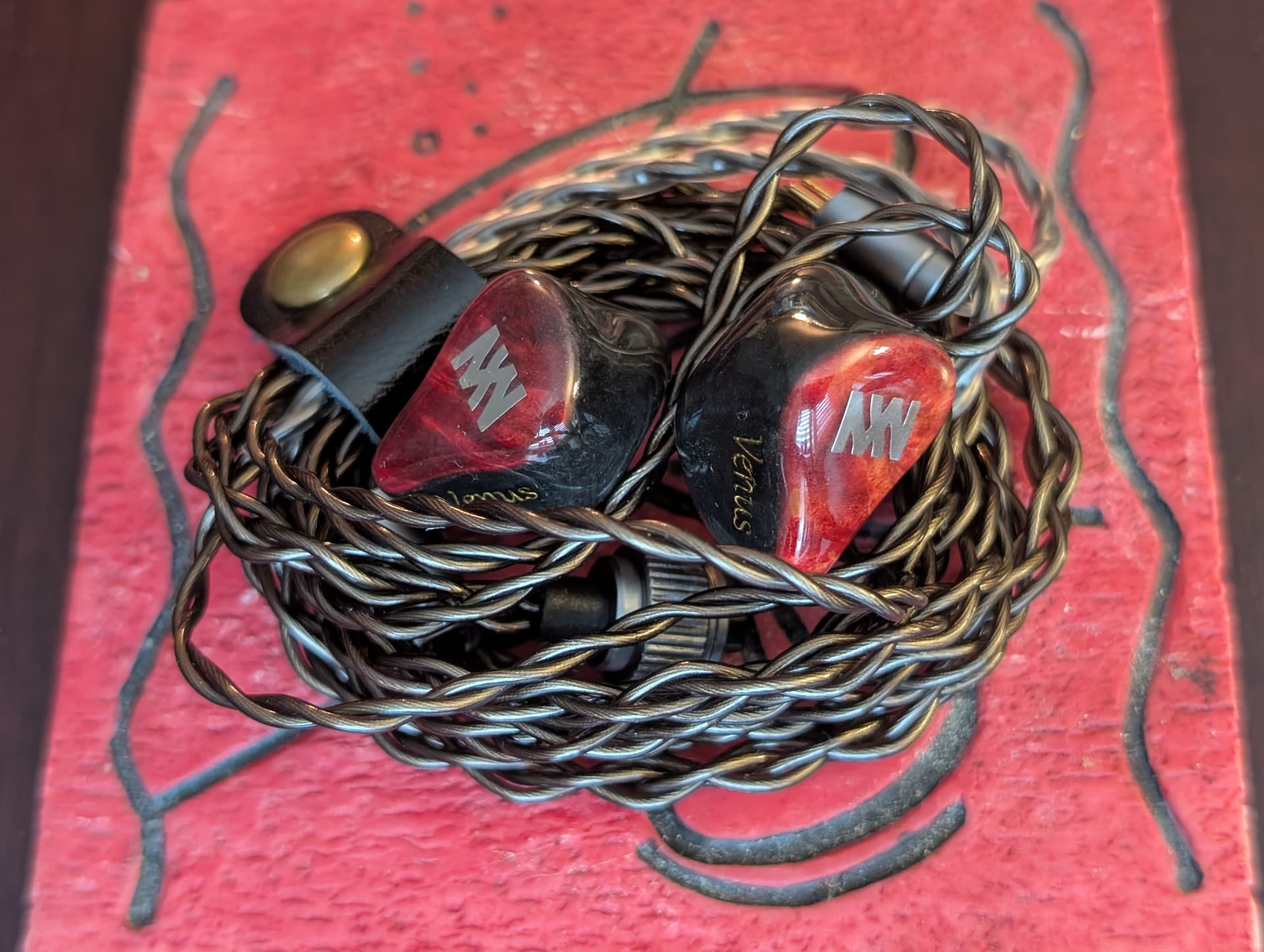
The $170 Venus boasts a driver complement of a single beryllium dynamic driver and three, manufacturer undisclosed, balanced armature drivers housed in a beautifully finished resin shell.
Regarding the tuning, we find a nicely done moderate v-shaped sound, which I like to call “Mature V-Shape”. Take that for what it’s worth.
More capable sources allowed a noticeable improvement in the clarity and separation, even though the Venus is easy to drive and not too picky overall. I recommend a neutral source to drive the Venus, as well as wide bored tips.
While utilitarian in its specs, the Venus surprises the senses, being a wonderfully engaging and technically adept iem. It’s not an exaggeration when I say that it performs above its asking price, and in fact puts many competitors on notice.
1. Beautiful design boasting a flawless black resin shell with red end caps adorned with large branding.
2. The build quality of the iem is exemplary.
3. Comfort and fit are excellent. IEM is medium sized and ergonomically shaped.
4. The modular cable is of decent quality with good haptics.
5. The included case is small, and the accessories are of good quality.
SOUND:
Bass:
1. The bass delivers great power and slam while remaining controlled.
2. Sub-bass has a slight prominence over mid-bass. Bass has a rich fullness and density.
3. Nice speed and snap.
4. The sub-bass is very present when called for in the music. Powerful when called upon.
5. Bass texture is notable and does not bleed into the midrange.
6. The mid-bass texturing is also notable.
Midrange:
1. Clear and detailed midrange with a pleasing energetic balance.
2. Detail retrieval is notable for a pleasing mix of macro and micro details heard.
3. The midrange has some warmth.
4. Vocals are more immediate than recessed, relayed clearly, demonstrating pleasing expressiveness.
5. Pleasing timbre and texture with an overall richness of sound.
6. Pinna gain is controlled, with no harshness.
7. Note-weight and density are good.
8. Layering and separation are good.
9. Transients exhibit a sharp, rapid attack with natural decay.
10. Overall, the midrange has natural playback, in particular for vocals.
11. Midrange has a nice energy factor without becoming irritating.
Treble:
1. The treble has good extension.
2. Good sparkle and air.
3. Detail retrieval is also notable.
4. There is a natural liveliness in the treble.
5. Musical treble presentation.
6. The treble presentation is crisp yet non-fatiguing.
7. The relaying of treble nuances and texturing is notable.
        Melody Wings Venus has a lively and engaging sonic profile that is pleasingly musical as well. The bass is a standout with great power yet remains agile and textured. Vocal lovers will have much to please them as vocals are more immediate than recessed, and have a clarity and emotional drive that is impressive. The treble is crisp yet still smooth and does not fatigue, with details to match.

            Overall, the Venus offers the listener a cohesive and well-controlled sonic experience I found most pleasing.
3. Wide with great definition and precise & stable imaging.
4. Notable instrument spacing and detailing.
5. Layering and instrument separation are pleasing.
CONCLUSION:
Melody Wings has a winner here. It easily competes against some more expensive competitors I have heard. The sound is engaging and lively yet musical. If this company is indeed a one-man show, then I am even more impressed.
I have read more than once that purchasing a Venus can be difficult because of delays in production. I say, at its price and performance, it is worth it. The Melody Wings Venus has impressed me, and given its asking price, it is a more than compelling option in the iem space. Well done indeed.
Preamble:
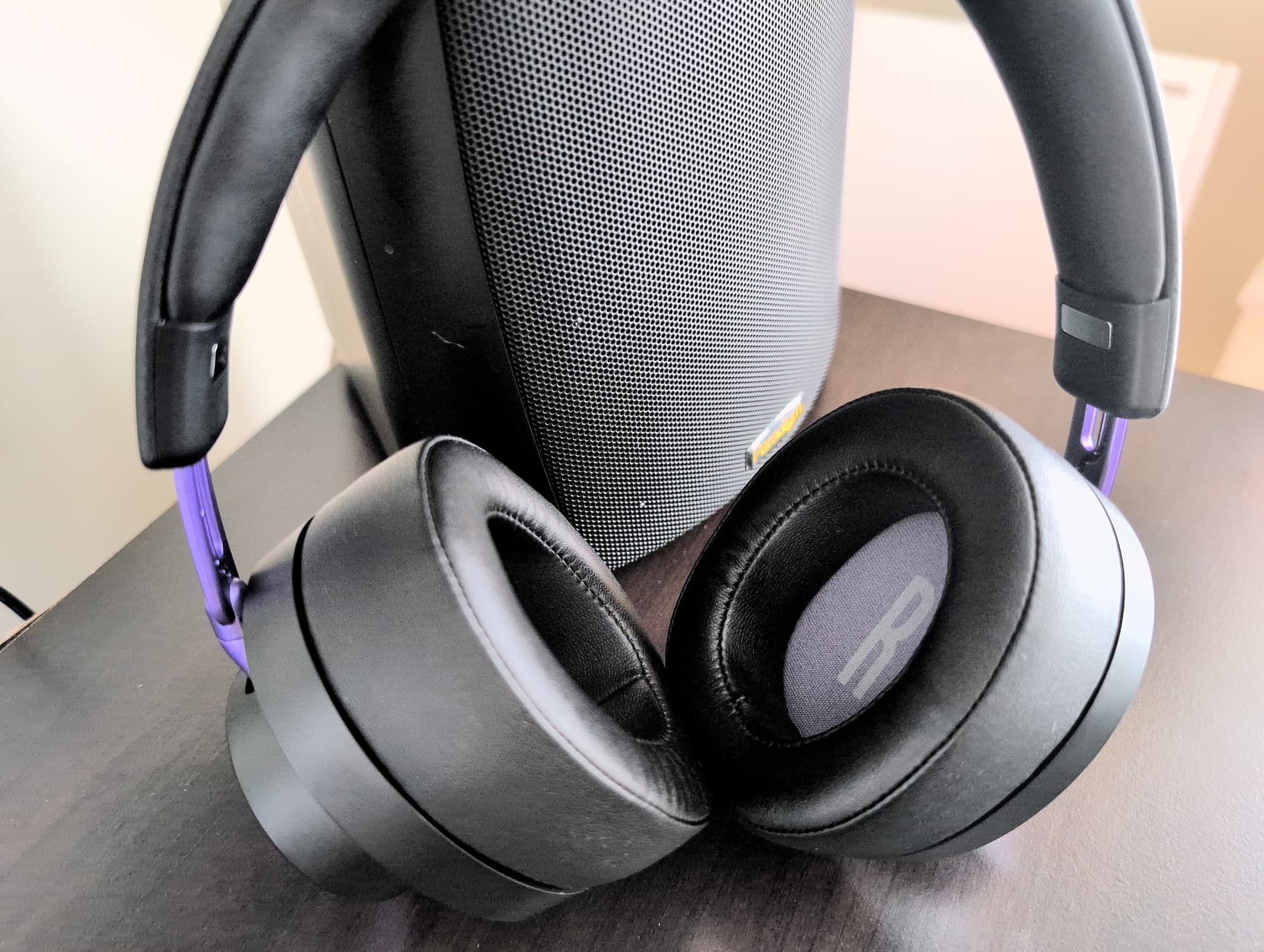
Kiwi Ears is on a roll. Their product line has expanded to include both IEM and full-sized headphones. The Serene is the latest release of the latter. The Serene is a collaborative effort between Kiwi Ears and Z Reviews. The fruit of this collab is the Serene, a closed-back planar magnetic headphone.
The Serene uses a 72mm x 89mm proprietary driver with what they describe as a “Bass Tilted” tonal balance. More on that later, but the tuning does more or less confirm their description, with a caveat though.
Tuning wise the Serene out of the box offers a bass-emphasized tone, being more neutral as we go up in the frequency range. The Serene isn’t easy to drive, and its sound suffered when it lacked adequate power. When driven with a very capable source, the Serene opened up, sounding even more controlled in the bass, with added expressiveness in the upper ranges as well, which now offered a better balance with the low end.
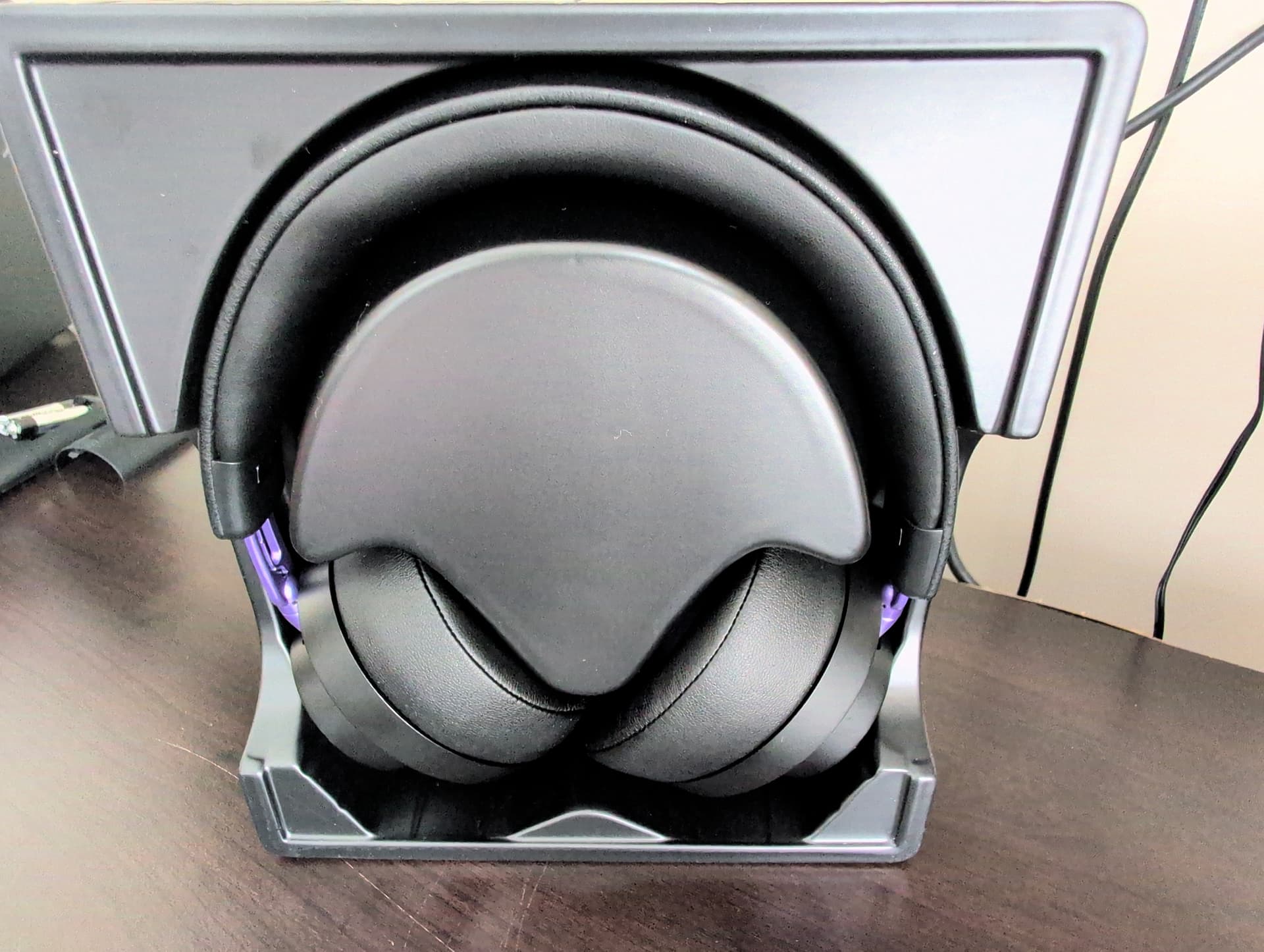
The Serene has what I like to call a “Throwback” design, which may not allow those with larger ears to allow the pads to cover them completely. I did not have any issues and overall found my experience a comfortable one.
Specs:
Driver Information: 72mm x 89mm Planar Magnetic Driver
Impedance: 50ohms±15% at 1kHz (DC)
F0 / Lowest Resonant Frequency: 130Hz±20%
Sensitivity: 102dB±3dB (at 1kHz, Test Voltage: 0.179V)
Rated Power: 10mW
Maximum Power: 20mW
Test Frequency Range: 20Hz–20kHz
Voltage: 0.57V
Total Harmonic Distortion (THD): Less than 3%
Build & Fit:
Interesting minimalist design.
Build quality is adequate. Significant driver flex noted when pressing on pads while on ears.
Comfort and fit are okay. Limited cup swivel/tilt. Those with larger ears may have fitment problems.
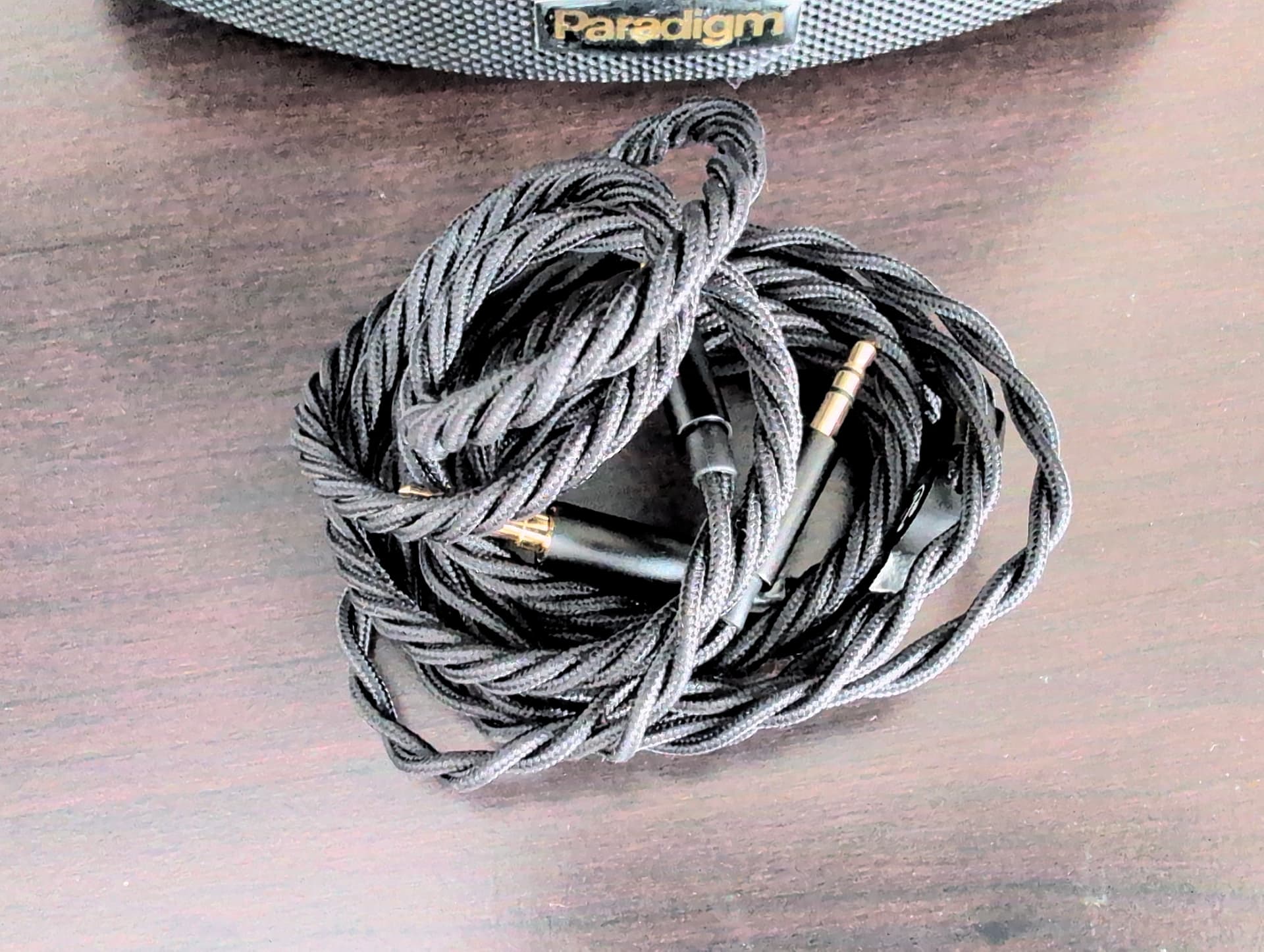
The fabric-sheathed cable is just okay and suffers microphonics. Could have been longer.
The bass has good control and is tight, clean, and with deep extension.
Sub-bass has a slight prominence over mid-bass. Bass has a rich fullness and density.
Good impact and reasonable texturing. Source dependant.
The sub-bass is very present when called for in the music.
Bass detail is notable and bleeds slightly into the midrange, adding warmth.
Powering adequately can offset bass prominence and tighten up the low end.
Midrange:
Good clarity, which improves when properly powered.
Detail retrieval is a pleasing mix of macro and micro details heard. Macro over micro.
The midrange has a touch of warmth. Vocals are expressive and clear, and they are slightly recessed.
Lively midrange presentation but no harshness. Somewhat forgiving of poorer recordings.
Pleasing timbre and texture with an overall richness of sound.
Pinna gain is controlled, with no harshness.
Note-weight and density are good.
Layering and separation are good.
Transients exhibit a rapid attack with natural decay.
Overall, the midrange has a natural and unfatiguing playback.
Balanced mids with some mild upper-midrange lift.
Treble:
The treble has good extension.
Smooth treble with adequate sparkle and air. This depends on the source.
Detail retrieval is quite good.
There is a natural liveliness in the treble, again when powered properly.
The treble adds spaciousness to tracks.
Treble presentation is organic. Cymbal work sounds natural.
The relaying of treble nuances and texturing is pleasing.
The Sound of the Serene depends on how it is driven. This isn’t an easy headphone to drive, and your basic dongle or amplifier will probably limit the sonic potential of these headphones. A capable source is critical for listening to the Serene, or the listener will miss out and possibly form a skewed impression.
When driven well, the Serene was found to offer more than just a bassy signature. In fact, while the bass sounded notable on such tracks as “Son Trop” by Frederic Alarie, which is an acoustic track, it also acquitted itself well on electronic tracks such as “Ekuseni” by Caiiro. The double-bass really stood out on tracks featuring this instrument. Its rendering of well-recorded acoustic bass is standout, with great tone and rendering of the instrument’s harmonics.
Also, when driven correctly, the midrange and treble of the Serene came to life and offered a good balance to its bass tilt, not only regarding quantity but also quality. For a closed-back headphone, the stage width on offer was notable with imaging overall spaciously presented.
Drive the Serene well, and it will deliver.
CONCLUSION:
Listeners will welcome the Kiwi Ears Serene differently depending on their audio chain. When properly driven, it offers a pleasing sound, which lends itself to longer listening sessions. The difference in sonics coming from a less capable source is significant. It is quite audible, and this I felt has to be restated.
While noting some reservations, the Serene is capable of quite pleasing sound and in my listening excelled at acoustic tracks in particular, although electronic music did also fair well.
Before starting the review, I want to thank Shanling for sending the Xi2 beta in for a review.
Accessories
The accessories package is pretty bare-bones. Inside the box, you only get a Type-C to Type-C cable and a Type-C to A converter. There’s no case included, which I feel is a big miss at this price point; a protective case should really have been part of the package, considering the cost.
That said, the included Type-C cable is genuinely high quality. It’s very flexible, feels premium in hand, and comes across as quite robust. So while the accessory list is minimal, at least the cable they provide is excellent.
Design and build
Onix XI2 follows the signature Onix design language, professional yet striking. It carries a similar colour theme to the XI1, featuring an all-black body with gold accents. The XI2 is slightly larger this time, with more curved sides compared to the XI1, and personally, I really like this look.
One especially cool touch is the small glass windows on each side that let you see the tubes glowing inside, adding a layer of visual sophistication and “wow” factor to the design.
Build quality is excellent as well. It strikes a great balance between weight and feeling solid. It has just the right amount of weight that it feels solid and dense but not too heavy that it puts strain on the USB ports of your device.
Usability (Device and Eddict Player App)
The user interface on the dongle is pretty simple and intuitive. You can access all the DAC settings directly from the device without needing the app, which is a big plus for people who prefer not to install extra apps.
That said, the app itself is quite good, it’s clean, easy to navigate, and functions smoothly. It’s an all-in-one type of app, acting as both a music player and a control center for the DAC. Within the app, you can see your current volume level and switch between high and low gain, enable or disable Turbo Tube mode, choose between five different WAV filters, and adjust channel balance.
The only downside is the lack of EQ support. Considering brands like Moondrop and Fiio include EQ features in their apps, I really wish they had added it here as well. It would have made the app feel even more complete and customizable.
Handling
How a tube dongle handles day-to-day usage is a very crucial part of the experience. The XI2 is engineered really well, the tubes are mounted securely, and they don’t show much ringing or pinging during regular use. Even if you tap on the dongle vigorously, it stays completely silent, which is impressive for a tube device.
The main issue, however, comes with RF interference. The XI2 is quite susceptible to it, so if you’re using it with your phone, you’ll likely need to turn off 5G. With sensitive IEMs like the V16, this becomes noticeable and can get a bit annoying at times. So while the physical handling and microphonic control are excellent, RF interference is definitely something to keep in mind.
Power Consumption and Heat Management
The Onix XI2 handles both power consumption and heat very well. It’s quite efficient, so it doesn’t drain your source battery too quickly. Heat management is also impressive; it only gets mildly warm during use and never reaches an uncomfortable temperature. For a tube dongle DAC, this is excellent performance.
The power output is perfectly sufficient for IEMs; it drove all of my iems without any issues. It also has enough juice to handle headphones like the FT1 Pro or any other moderately power-hungry headphone like edition xs or ananda. Xi2 also handled high impedance hd650 very well too.
**Sound
Tube Mode**
Most people are buying the XI2 for the tube sound, so let’s start the sonic performance section by talking about the tube mode. The XI2 in tube mode sounds fantastic. The overall presentation is warm and musical. It has that tubey goodness and magic. But despite the tube character, it still strikes a great balance between musicality and technicality.
The bass is definitely colored, it carries that tube flavour. The notes are slightly rounded, making the bass feel gentler and giving it that smooth, analog character. Sub-bass extension is excellent, with satisfying rumble and texture. To my ears, there is a slight elevation in the mid-bass, giving it great thump and slam.
The midrange is the star of the show on this dongle. Lower mids have that lush, warm tone you expect from a tube device, giving male vocals and instruments a beautiful body and weight. The upper mids are also excellent. I don’t sense any strong colouration here. They sit at a perfect level, balancing and complementing the lower mids very well. Vocals have a liquid-smooth quality, but that doesn’t come at the cost of texture or detail. The midrange overall has excellent texture.
The treble on the XI2 is also really well done. It’s smooth, yet incisive and detailed. I didn’t experience any roll-off or recession. Treble extension into the air region is impressive, and again, it finds that sweet spot between smoothness and detail.
The detail retrieval and technical performance of the dongle is also a standout feature. The macro detail retrieval is good; it has good sense of dynamics and punch. Micro detail retrieval is also excellent; Xi2 extracts and presents micro nuances in the tracks well. The Stage is a clear standout for me. Xi2’s staging is very wide and dare I say, holographic with excellent front and back depth pickup. It just throws the sound a little farther than a regular solid-state dongle. Instrument separation, layering and imaging within that stage is also very good.
Solid State Mode
How does Solid-State mode sound? Short answer: remove the tube characteristics and voilà, you get Solid-State mode. But let me explain a bit more. The bass in this mode is more neutral. That slight mid-bass boost is gone, and the bass attack becomes sharper and more precise. The midrange, especially the lower mids, is less warm and lush here. It still has good body and heft, but it lacks the warmth and richness you get in tube mode. Upper mids are also quite similar, just a touch cleaner and more straightforward. The treble in Solid-State mode is slightly less smooth, leaning more toward a clean and neutral presentation. Staging also becomes more normal, still good, but less holographic compared to tube mode.
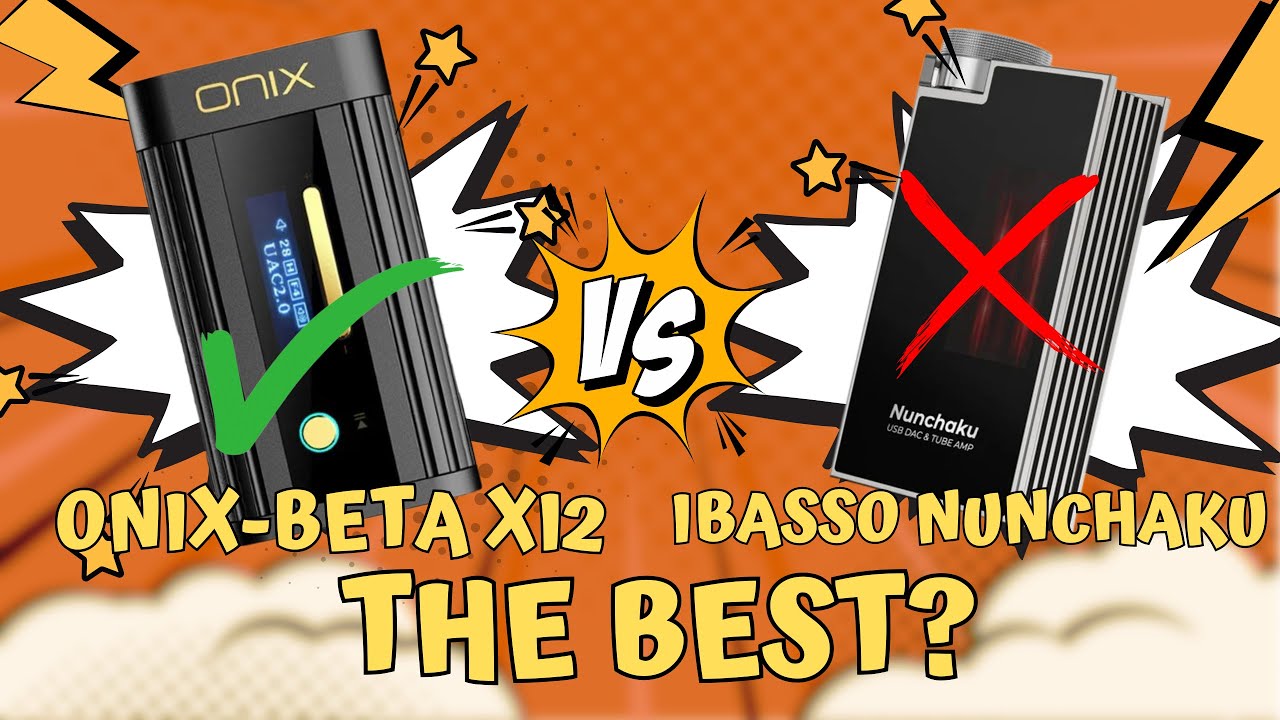
Onix Xi2 Vs Ibasso Nanchaku
Nanchaku is the biggest competitor to the XI2, so it makes perfect sense to compare them directly.
Starting with accessories, the Nanchaku has the edge here. It comes with a case in the box, and it’s a really good one, premium-feeling and protective. I really wish Onix had included a case as well at this price point. Both come with a USB-C cable and a USB-C to A converter, but the XI2’s cable feels more premium, better built, and more robust.
In terms of design and build, this will come down to personal preference. Both look premium and purposeful. I personally prefer the colorway and design language of the Onix, but the Nanchaku also looks great, and its tubes are more visibly showcased. Build quality is excellent on both, however, the Nanchaku is heavier and feels even more premium in hand, though that extra weight can put more strain on your device’s USB port. Size-wise, the XI2 is slightly taller than the Nanchaku.
For usability, both offer very similar UI and app experiences. You can change all key settings directly from the device. The main difference is the control method; XI2 uses buttons, while Nanchaku uses a knob. Personally, I like the knob more; it’s tactile and makes adjusting settings and volume feel more satisfying.
The apps for both dongles are straightforward and easy to use, but both lack EQ functionality. I think both brands should definitely consider adding EQ support, as it’s becoming more common.
In terms of handling, each has its strengths and weaknesses. Nanchaku is more susceptible to microphonics (pinging and ringing) when handling, while the XI2 is more prone to RF interference.
In terms of drivability, Xi2 is ahead. On paper, the difference seems small but when I tested with headphones I had to push the volume on nanchaku more. For example for Hd650 I was around 80 on xi2 and on nanchaku I had to push the volume to 92. So, there is more headroom available on Xi2.
Now for the most important part, sonic performance. In tube mode, the XI2 exhibits more of the tube characteristics than the Nanchaku. Nanchaku is more digital and less musical sounding overall.
Both have excellent sub-bass extension, but the XI2 has a slight mid-bass lift, giving it a bit more warmth and thump. However, the Nanchaku’s bass notes are a touch more defined and crisper.
The midrange is where the biggest difference lies. The XI2 has a thicker, lusher lower midrange, giving vocals and instruments more weight and body. The Nanchaku doesn’t deliver the same warmth and fullness in tube mode, and the XI2 simply presents this region better. Upper mids are fairly similar, but vocal texturing and details are better on the XI2.
Treble performance is close on both units; both have excellent bite and clarity. The difference is that the XI2’s treble is slightly smoother, while the Nanchaku leans a bit brighter. Both have good air and extension.
Detail retrieval is very close overall. Micro-detail retrieval is neck-and-neck, but in terms of macro-details, especially vocal texture and note weight, the XI2 pulls ahead. Staging is another clear win for the XI2. Its soundstage is wider, deeper, and has a more holographic presentation compared to the Nanchaku. Imaging and layering are very similar between the two.
In solid-state mode, the pattern remains similar. The Nanchaku sounds more clinical and neutral, while the XI2 maintains slightly more body and weight, especially in the lower mids. Bass performance is basically the same on both. Treble is also very similar, and detail retrieval remains close, but once again, the XI2 offers better staging in this mode as well.
Conclusion
Onix has absolutely knocked it out of the park with the XI2. I am genuinely impressed with its performance, and I have to say, they’ve truly lived up to the reputation they created with the legendary XI1. The XI2 carries that same spirit, but with a more refined and mature tuning, both in tube and solid-state modes. It feels like a proper evolution of the lineup, not just a small upgrade.
Of course, it’s not all sunshine and rainbows. There are a couple of flaws worth mentioning. First, the XI2 is quite susceptible to RF interference, especially when paired with phones, so that’s something to be aware of. Second, at this price point, the lack of a protective case in the box is a bit disappointing; it would have added a lot to the overall value and experience.
That said, when you actually sit down and listen to it, the XI2 more than makes up for those shortcomings. The sound quality, the staging, the musicality, the tube charm, everything comes together beautifully. While it isn’t cheap by any means, I can wholeheartedly say it stands among the very best tube dongle DACs currently available.
If you are looking for a high-end portable tube DAC and want that lush, holographic sound without compromising detail, I can confidently recommend the XI2. It is a fantastic piece of gear and gets a big thumbs-up from my side.
I first became more aware of Burson Audio through their high-end opamps. Digging further, I saw that their obvious focus on quality and performance included a broader product line that included desktop headphone components.
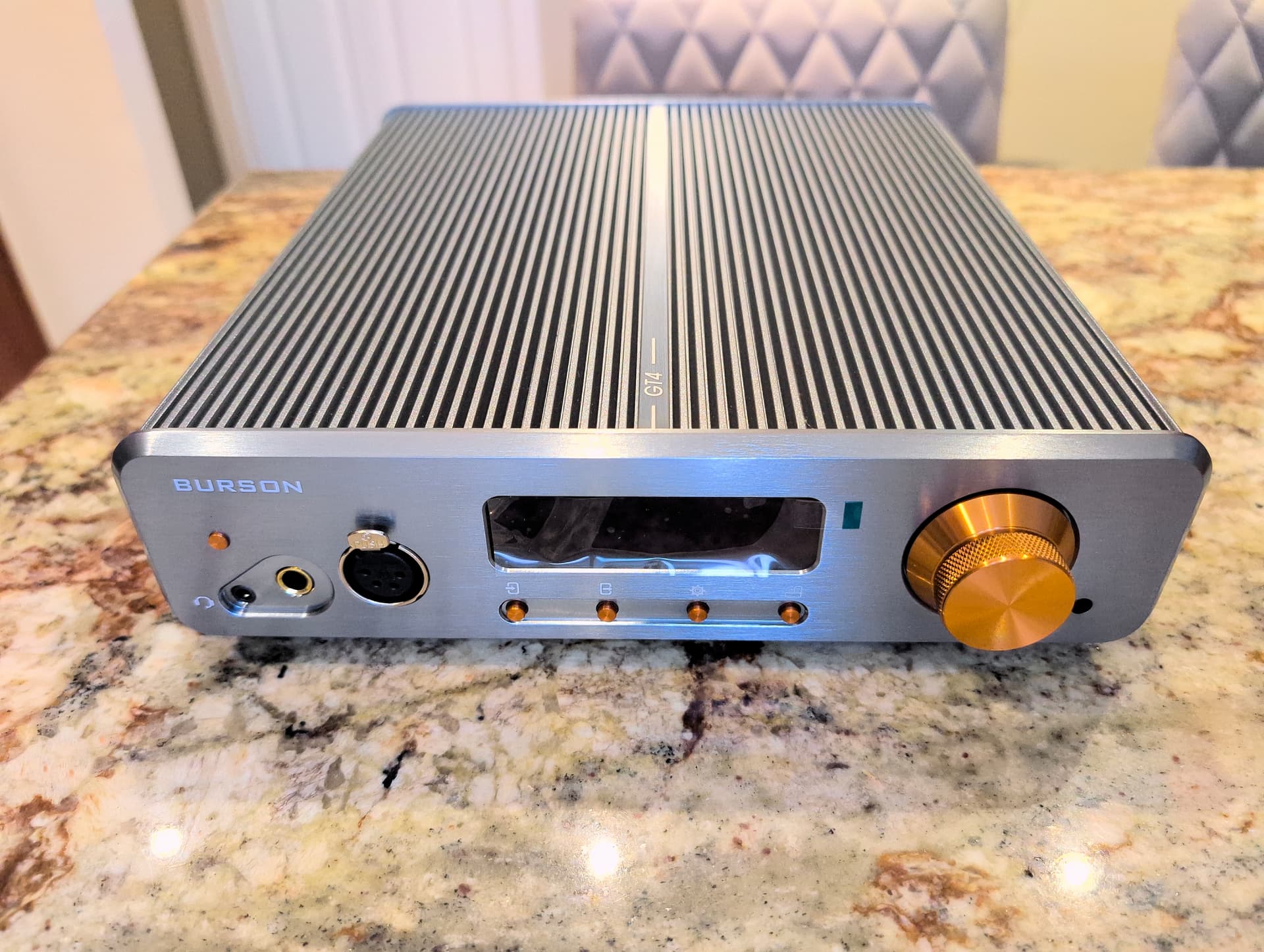
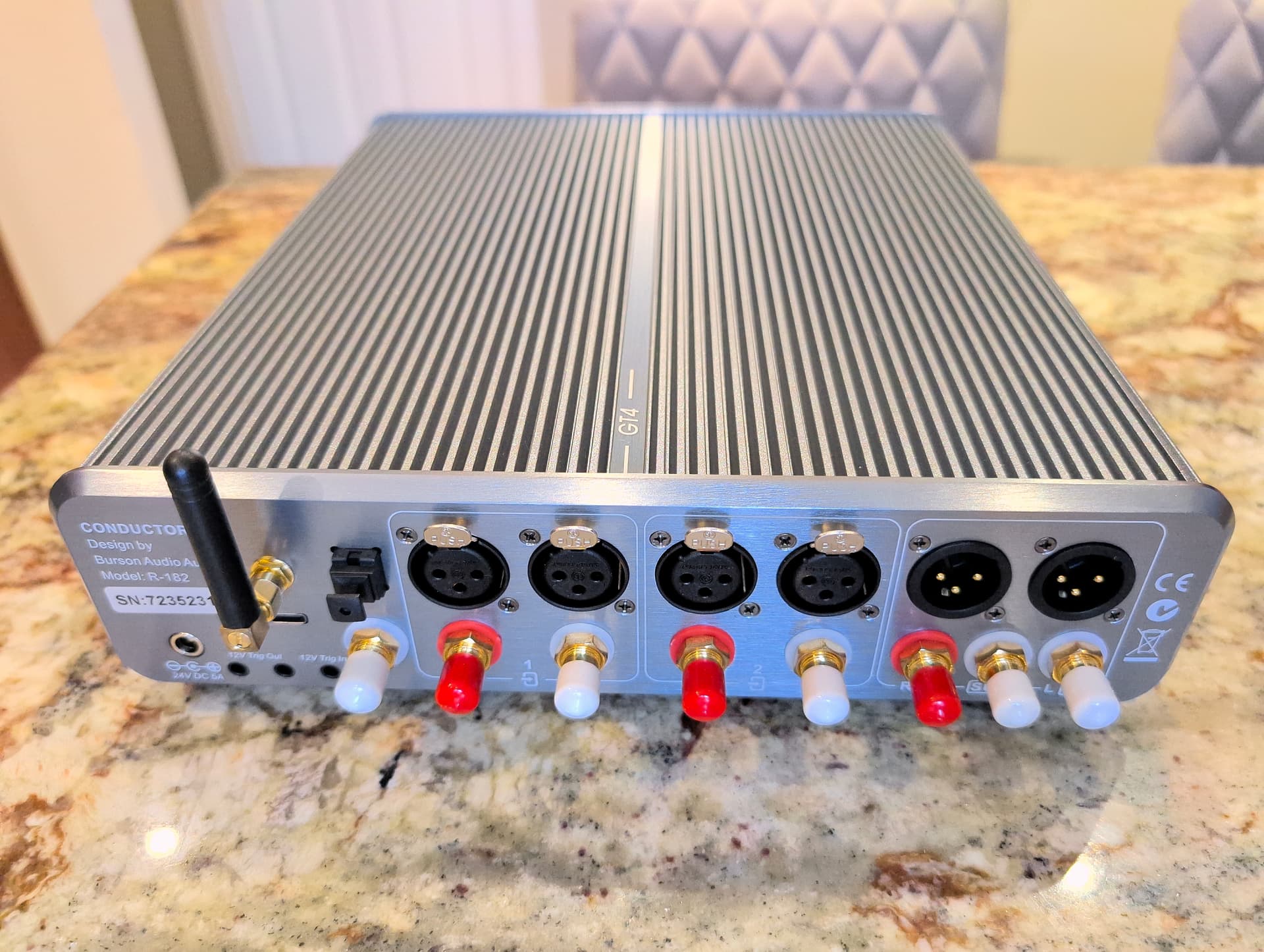
Burson positions the Conductor GT4 somewhere in the middle of its amplifier offerings, and it should be called an amp/dac, which combines both. In addition, it boasts Bluetooth 5 connectivity and a full set of input/output options.
The Conductor is not your typical gear. Just lifting the box and having the component in your hands gives the immediate impression of the obvious serious effort Burson has put into this product. It features a true Class-A discreet head amp, high-current power modules that are designed to be silent and a myriad of other electrical design touches that scream paying attention to detail. This obvious obsessive attention even extends to the power supply, of which there are a few options available depending on trim.
You can also use the slim remote control to control many of the GT4 functions. During testing, the Conductor’s true strength came by virtue of its balanced input and output. Still, there is a complete set of I/O options even down to a 3.5mm mic input. There are few, if any, scenarios that I can think of where the provided connective options would not be enough for 99.9% of users.
I could go on and on about the six stackable max-current power modules, noise filtering sp modules, the American-made power transistors used, comprehensive coolcase design, fusion-core power supply, dual ES9036 Q2M DAC chips with a dedicated power supply, comprehensive filter adjustments, swappable opamps, ect. That would sound more like a tech manual than a review. I am here to tell you how this $ 3K-$ 5K USD device, depending on trim and opamps chosen at ordering time, sounds. The price differential is because there are a few interesting upgrade options available to the buyer. Depending on the buyer’s budget, they can easily swap out the external power supply and internal opamps at the time of purchase.
One thing of note is that the Conductor GT4 runs hot, which is as expected with a true, discreet class-A design with 10 watts of output capability. The amp’s design clearly accounts for that, and I was told that leaving it on leads to more stable, but still warm, thermals, which will positively affect the sound.
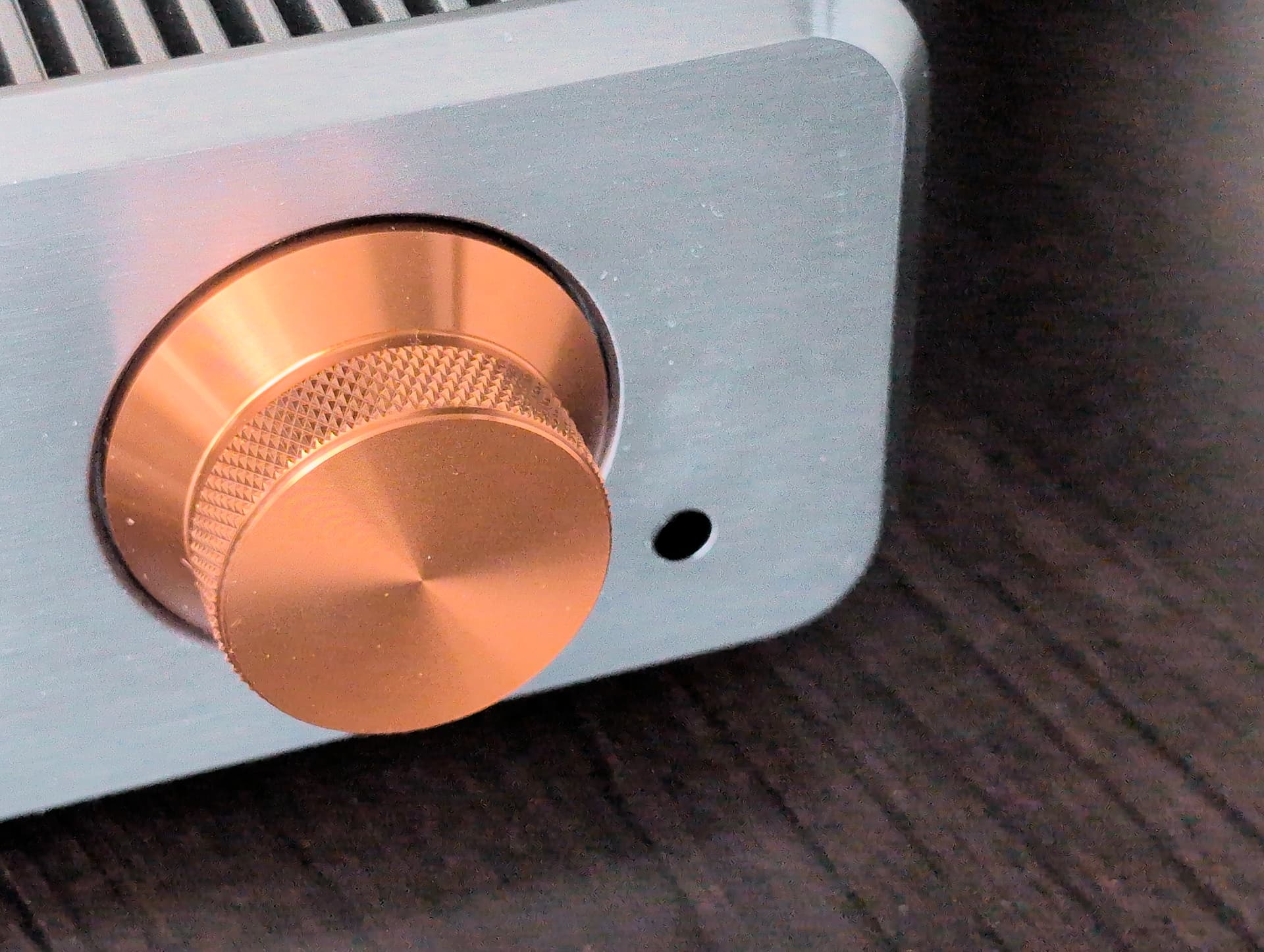
1. Beautiful design and exceptional overall build quality.
2. The whole chassis acts as a heat-sink for this warm-running dac/amp.
3. Ergonomics are ok. The screen is small but readable with a larger font and good clarity.
4. The remote control is style-matched to the amp and is smaller but functional.
5. The package contains a host of accessories, despite the plain retail presentation.
Sources:
1. Personal FLAC & DSD music collection
2. Apple Music lossless files
3. Bluetooth files streamed from my NAS
SOUND:
        The Burson Conductor GT4 is an exceptional-sounding component. Incredibly clean and cohesive throughout the frequency range, the GT4 seemed to extract the max performance out of any iem or headphone when used as a source. This was even more apparent with full-sized, harder to drive headphones, but mostly when using its balanced output.

            Bass was bottomless, but even more impressive was its control. I had on hand an older Venture Electronics headphone, the Super Nova, and when driven by the GT4 the sound was fuller than I have ever experienced with this headphone. This took me by surprise, and I sat right up.

            Midrange separation and clarity are two of the many takeaways I have from the Conductor regarding the midrange presentation. If the iem or headphone possessed those sonic attributes, the Conductor made them clear. Compared to several sources I had on hand, the Conductor GT4 just sounded cleaner and somewhat tighter.
Regarding the treble, the same attributes heard in the midrange carried over. As a source, the Conductor GT4 excels at letting the music breathe.
            All is not perfect, and nothing really is in the audio world. Using the single-ended output, there was not as much power available as I would have liked. More difficult headphone loads, such as the Kiwi Ears Serene and Venture Electronics Vanguard, could not be driven to higher volume levels. The levels were adequate for chill listening, but even on high gain, there was a limitation. The balanced output was a beast though and easily handled tougher headphone loads. I should point out that the single-ended output did sound wonderful.

            For the more sensitive IEMs, the noise floor was sometimes audible in between tracks as a faint hiss. However, I never heard this when music played. This is not a comprehensive review, and possibly there is a setting I could have activated on the GT4 to negate this. If there is, I am not aware of it.

            Imaging and soundstage are expansive and precise. The Conductor GT4 again being able to extract the max performance of whatever it is driving and stay true to the source material.
The Conductor GT4 cannot make silk out of a sow’s ear, and I want to make this perfectly clear. If the headphone or iem has inherently poor sound, there is no coming back, and the Conductor GT4 will not revive the dead.
The Burson Audio Conductor GT4 is one of the rare components I will truly miss long term. It is an exceptional device and shows the benefits of meticulous design and focus on detail. The Conductor GT4, according to my eyes and ears, has more in common with a quality home audio component than the vast majority of devices we all use and love.
Cost is always a factor, and the Conductor GT4 demands a relatively high price. I can confidently say the price is justified considering its build quality and performance, and also considering that again, it is more closely related to a home system component that typical.
I will miss the Burson Audio Conductor GT4, but a tour is a tour. Still parting is like sweet sorrow.
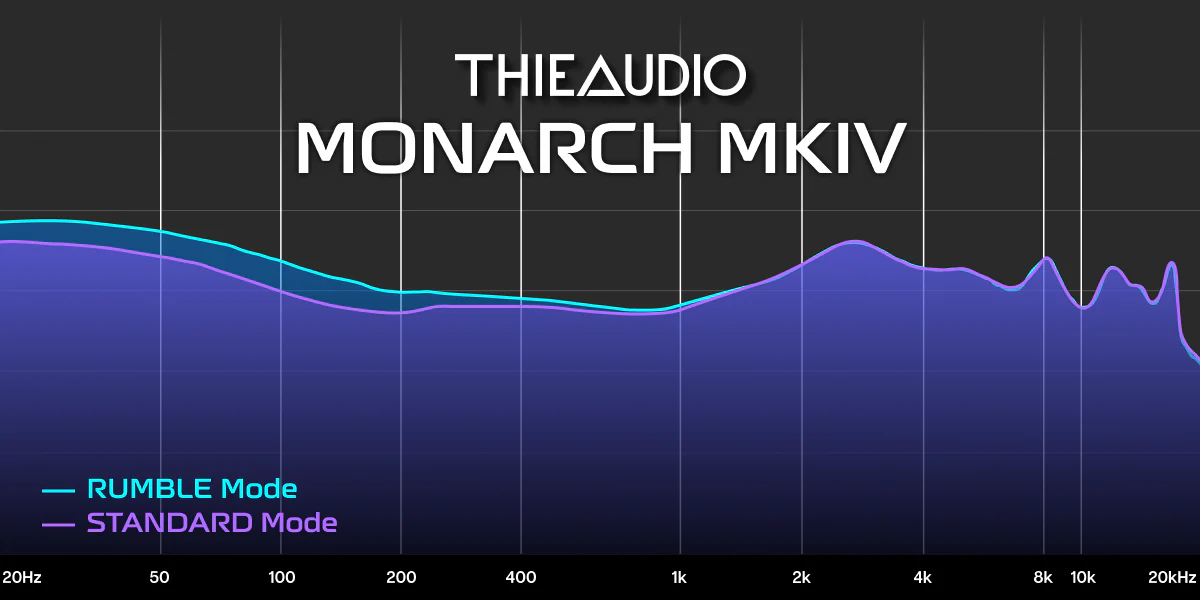
Single tuning switch offers two sound modes. Standard and Rumble.
Preamble:
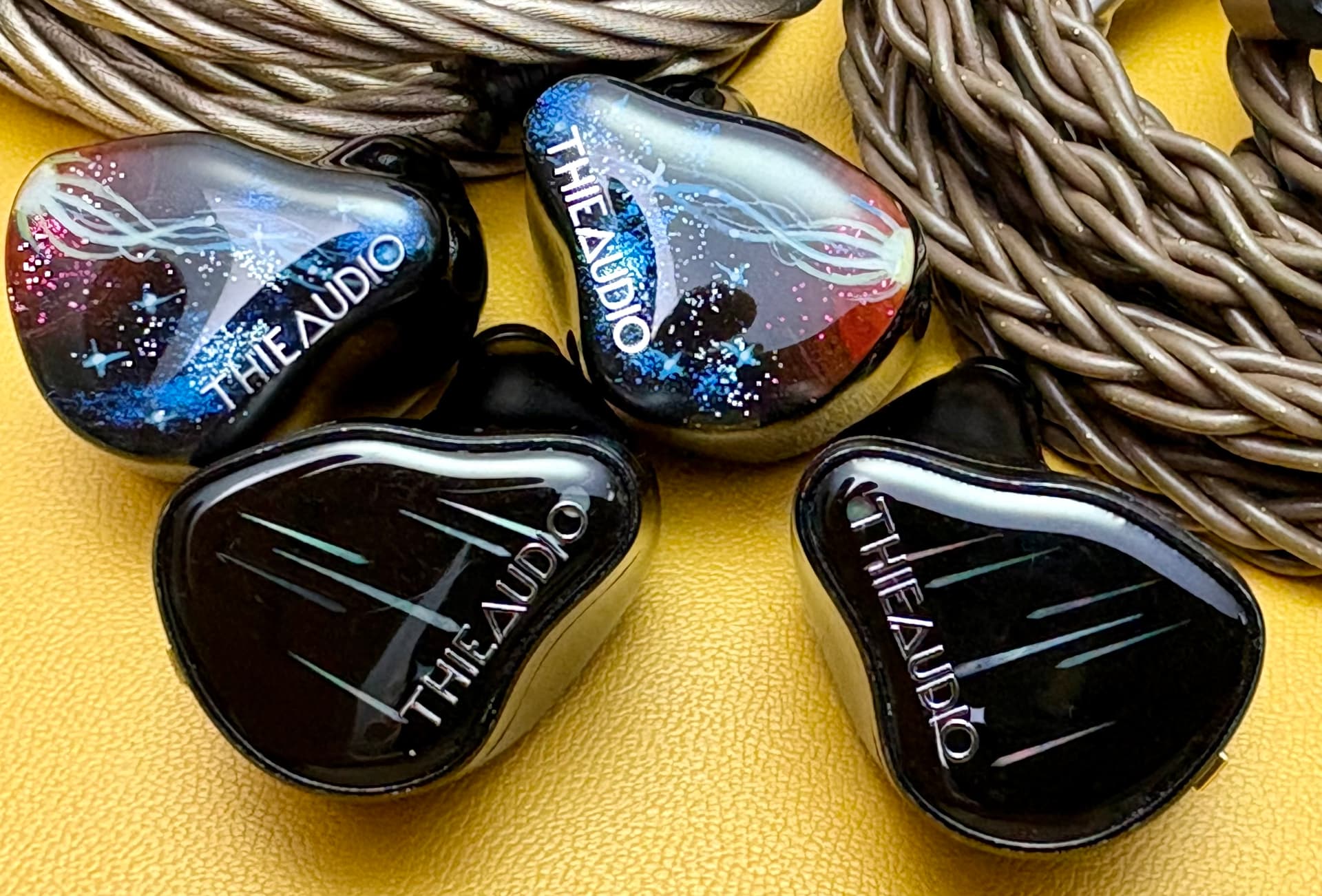
The Monarch MKIV is from Canuck Audioholics private stock, so thanks for this listening, and review opportunity, go out to two very good friends who share my passion for music and audio gear.
Tone Deaf Monk
Kingnubian
Kaye Dee
I didn’t receive the retail packaging so can’t speak to the unboxing.
Tuning Switch:
I’m not a fan of tuning switches. Just putting that out there.
A single tuning switch however is a nice addition, allowing for individual personalization, or genre matching the sound signature.
I won’t be detailing the sound signatures individually in the sound evaluation portion of this review.
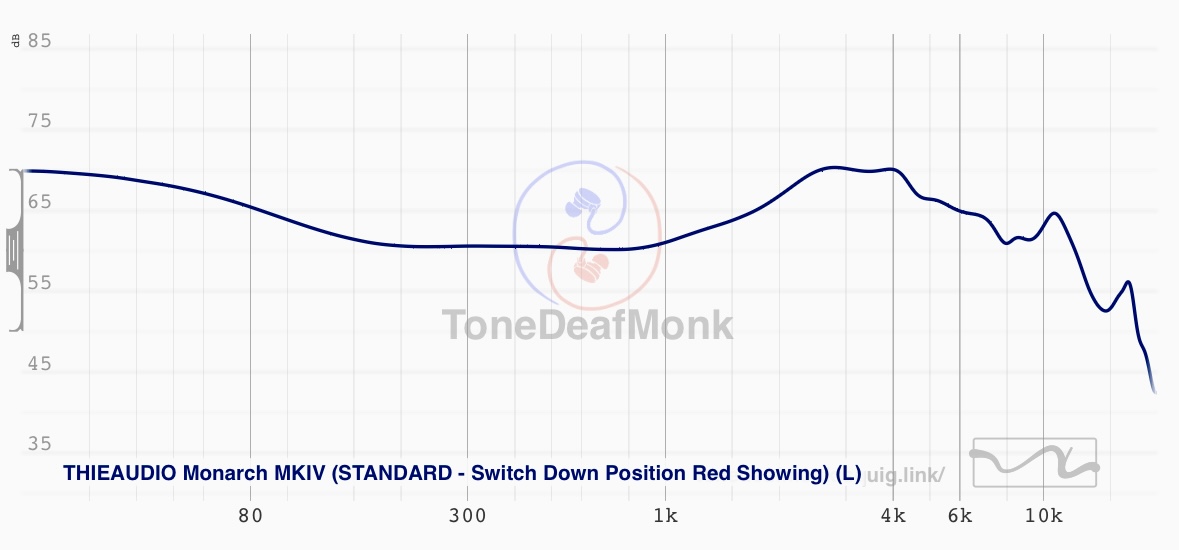
Suffice it to say with Rumble activated (red NOT visible on switches) there is about a 3dB bass boost that adds some extra Rumble down low, and, a lush warmth and fullness to the mids.
The trade off is a minor loss of some mids macro detail.
Pros and Cons:
CNC milled, premium T6 aluminum alloy shell features a hardened surface to help resist corrosion and scratching.
They do not appear to be vented, unless it’s around the tuning switch.
I don’t experience any pressure build up.
On the large size of medium, or, the small side of large, depending on individual perspective. Also fairly thick.
Semi custom design with a moderate “wing”, and nozzle length that will likely be mid to somewhat deep in many ears.
Personal fit for me is good, but I’m not able to comfortably go to full insertion depth, so they stick out a little extra on my ears. Fortunately a secure anchor and seal are easily attainable.
Stock, modular cable is a very nice hybrid offering, 8 strands with mix of ultra pure oxygen-free copper (OFC) wires and silver plated OFC wires.
It’s thick, but reasonably supple, and not prone to tangle easily.
Functional chin toggle does require two handed adjustment.
3.5mm and 4.4mm terminations included.
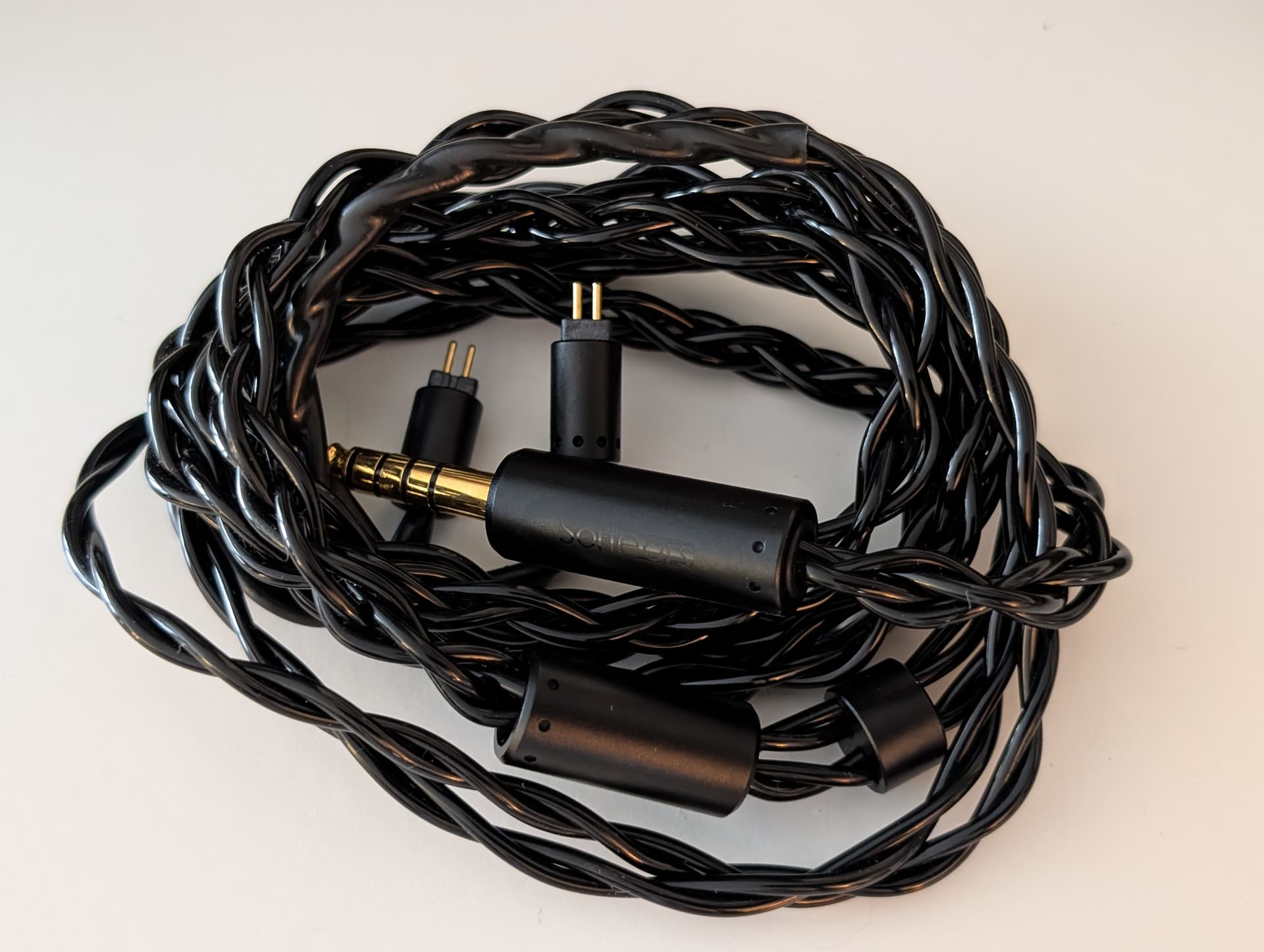
** Note: there is an extra hardware “sleeve” permanently mounted on the cable approx. 16cm away from the termination fitting.
It’s not mentioned in the manufactures literature. I am uncertain as to whether or not it has some operational functionality, or simply there for aesthetics.
An overall warm and smooth music presentation with a moderate mids/vocals lift.
Excellent tuning switch implementation.
Activating Rumble mode definitely adds sub bass rumble and a warmth that carries forward, adding richness and depth to the mids and vocals.
A welcome bass lift, that adds to, but doesn’t over shadow the mids and highs.
Source Devices:
Monarch MK4 is not difficult to drive, nor is it source fussy, it played nice with all I tried.
Warmer sources will add some warmth, and brighter or more resolving sources will enhance the mids and highs.
I didn’t note significant changes, just enough to tip the scale to favour a personal preference.
The Hiby R8II was my choice for the sound evaluation portion of the review.
It does add some additional warmth but maintains clear detailed mids and highs, and very good staging.
Equipment:
Thieaudio Monarch MK4 IEM aged 100+ hours.
Tuning switch set to Rumble mode.
Hiby R8II DAP, low gain, 4.4mm balanced out.
Stock, modular, hybrid pure copper/silver plated copper cable, terminated 4.4mm.
Eletech Baroque wide bore ear tips.
Sound:
** As mentioned at the start of the review, I’m not doing Individual evaluations on Standard and Rumble modes.
Sound evaluation is done in Rumble mode.
Bass is textured, well mannered, and stays in its place, just enough extension to add a rich warmth and depth to the mids.
Unless the recorded track calls for more.
Bass prominent tracks step up with a deep rumbling sub bass that pulls low, and also permeates across the breadth of stage, for a head filling bass experience that steers clear of becoming overwhelming.
Good mid/sub bass definition.
Mids and vocals are politely lifted in the head space with good macro detail retrieval and some micro detail in the upper mids as well.
They are clear, and detailed without being over forward or “in your face”.
Vocals are clean, accurate and natural with a hint of added warmth.
Highs are rolled off with mid and upper mids carrying most of the load.
The EST drivers add some sparkle and air in the ultra high range.
Despite finding it a bit odd to put high quality EST drivers in an IEM for the ultra highs, and not tune the lower treble with some added clarity and detail support. I can’t fault the set up in the MK4 because I really enjoy listening to this IEM as it is.
The MK4 stage is more intimate than expansive. It is clean and open, but not overly spacious.
It does fill the head nicely on all three axis, with very good imaging and layering.
Summary:
I find the Monarch MK4 to have a warm, overall balanced, and somewhat relaxed presentation.
Very good bass, but not overbearing. Nice detail and clarity in the mids and vocals that are never harsh or over elevated. Rolled off highs that nicely match the rest of the sound profile.
The MK4 was one of those “hard to review gems” that had me wanting to listen to them, not write about them.
On more than one occasion I found 2 or 3 hour listening sessions passed without jotting a single thought, and occasionally drifting off to sleep, then waking up to another great song in my head.
Personally I can’t really find fault with the MK4 as far as listening enjoyment goes.
The Thieaudio Monarch MK4 is for those who enjoy a balanced “just enough of everything” tuning.
Die hard bass enthusiasts, prominent mid centric fans, and true treble heads could possibly be left wanting.
$1300.00 usd is a significant ask, so it has to fit the customers listening preference.
The Monarch MK4 is an IEM I would be happy to have in my rotation.
Unfortunately, this one is soon on its way to the next reviewer.
My music sources:
Qobuz, and, FLAC and DSD files stored on the SD cards of my daps.
My music genre are primarily Rock, Blues, Jazz, Symphonic, Country, Rap, R&B, Pop, Electronic.
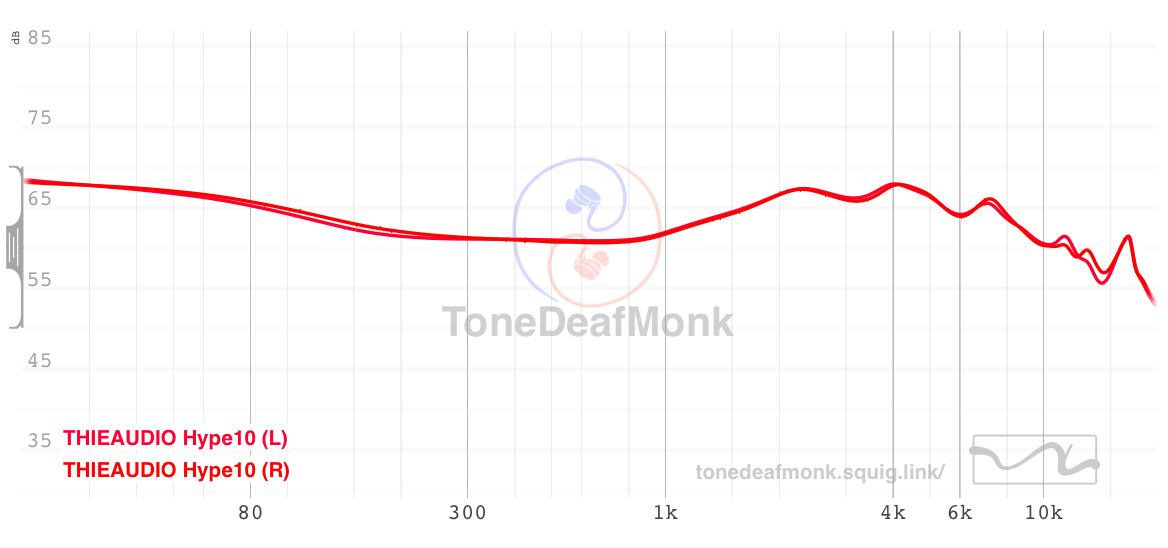
I have the Thieaudio Monarch MK4 on loan to me for review, and, the Thieaudio Hype 10 is one of my personal IEM’s.
They have a couple similarities, so out of curiosity, and just for the fun of it, I thought I’d share some brief thoughts on how they compare with each other.
This is not a review, just a sort of quick comparison between the two IEM.
Comparison:
Source Device: Astell and Kern SP2000T.
Bass:
*Hype 10
Sub bass pulls low with really good rumble. Add a little volume and it can rattle your skull. Transients are quick and sub bass stays in its place. Adds warmth but doesn’t overwhelm.
Mid bass is tight and has very good impact and punch.
Mid/sub bass are well defined, and really good dynamics and texture in the bass.
*Monarch MK4 - Rumble
Sub bass pulls lower with considerably more rumble and depth. Will give your skull a shake even at lower volumes.
Transients are not as quick, allowing sub bass to permeate further throughout the head space adding overall warmth, but masking some detail.
Definition between sub/mid bass is less defined, with sub bass over riding mid bass on many tracks.
Mid bass has less impact and becomes more “thumpy” sounding.
Texture is still very good, but, not as dynamic as Hype 10.
*Monarch MK4 - Standard
With tuning switch set to the Standard setting, the bass slots in somewhere between the Hype 10 and MK4 Rumble.
Sub bass still pulls lower and with more rumble than the Hype 10, but not as thunderous as MK4 Rumble.
Mid bass gains back some impact and dynamics, Mid/sub bass definition is more distinct than Rumble mode.
Less carry over into the mids adding detail and energy.
Mids/Vocals:
*Hype 10
Has very defined , clear, precisely detailed, and energetic mids.
Enough warmth carry over to prevent them from becoming “clinical” sounding.
Vocals are elevated and moderately forward, accurate and natural.
*Monarch MK4 - Rumble.
Good clarity and detail in the mids.
The additional warmth carry forward offers a smoother, somewhat more relaxed mids experience, at the expense of some loss of micro detail.
Vocals present forward, but a bit less elevated than Hype 10.
They are warmer, but still sound mostly accurate and natural.
*Monarch MK4 - Standard
Pretty much slot in between Hype 10 and MK4 Rumble.
Highs:
*Hype 10
Has crisp clean highs with very good micro detail retrieval.
Ultra highs add excellent air and sparkle without being harsh or sibilant.
Violins, flutes, cymbals, piano, and some vocalists soar high and free in the head space.
*Monarch MK4 - Rumble
Has more roll off in the highs, and more warmth carry over. Still good presence, but less micro details, and, air and sparkle don’t stretch as high into the head space.
*Monarch MK4 - Standard
Still more rolled off, but with less bass carry over the highs recover some detail, and air and sparkle reaches higher in the head space.
Staging:
Hype 10:
Has an open and spacious stage.
Left to right width is outside the head, top to bottom height is very good with sub bass that can pull low, and air and sparkle that reaches high into the head space. I wouldn’t call front to rear depth “holographic” but it is head filling.
Imaging and layering is precise and accurate.
Monarch MK4 - Rumble
Bass fills the spaces in the stage making it a bit less open and spacious.
Left to right width is more inside the head, top to bottom height is very good, sub bass can pull very low, and while air a sparkle don’t stretch as high in the head as the Hype 10, it is still very good.
I still wouldn’t call front to rear depth “holographic” but I do get an increased sense of “depth of stage”.
Imaging and layering is very good, but Hype 10 has the edge on accuracy and precision.
Monarch MK4 - Standard.
Staging is very similar to Rumble mode. But with less bass presence, stage is a bit more open and spacious.
Conclusion:
When the Hype 10 was released very late into 2023 (I received my preorder Jan 2024) it was competing for “best in class for bass” amongst any IEM I had personally had the good fortune to listen to up to that point in time.
Fast forward to late 2025 and, between these two IEM’s I relinquish that honour to the Monarch MK4.
The Hype 10 has better definition and dynamics, but in Rumble mode the thunderous quantity and richness of the sub bass is too sweet to resist.
For me, mids supremacy stay with the Hype 10.
The clarity, detail, and openness of the mids and vocals have enough warmth to keep them musical, but none of the nuances or intricate sounds are lost or buried.
Highs I also have to award to the Hype 10, more micro detail, and air and sparkle.
Staging, by a slim margin I give to the MK4.
Hype 10 is more detailed and open, but the warmer more intimate stage presentation of the MK4 is like a warm hug.
IMO, there is no clear winner here.
They are both excellent IEM’s, just different.
The Hype 10 is tuned more toward being detailed, precise, accurate, and energetic, while the MK4 is tuned more toward a smooth, balanced, and more relaxed, bass laden joy ride.
My mood at the time would determine which was my “best” in the moment.
My happy place would be having both these IEMs in my collection.
But, alas, the Monarch MK4 is scheduled to hit the road today en route to the next stop on the review tour.
My music sources:
Qobuz, and, FLAC and DSD files stored on the SD cards of my daps.
My music genre are primarily Rock, Blues, Jazz, Symphonic, Country, Rap, R&B, Pop, Electronic.




 Preamble:
 Seamless 3D printed shells are compact sized and should fit the vast majority of ears without problem.
 Nozzles are long enough most ears will achieve approximately a mid point insertion depth.
 Intuaura Balance single DD IEM, aged 100+ hours.