Canuck Audioholics Anonymous CAA Reviews & Fun Banter

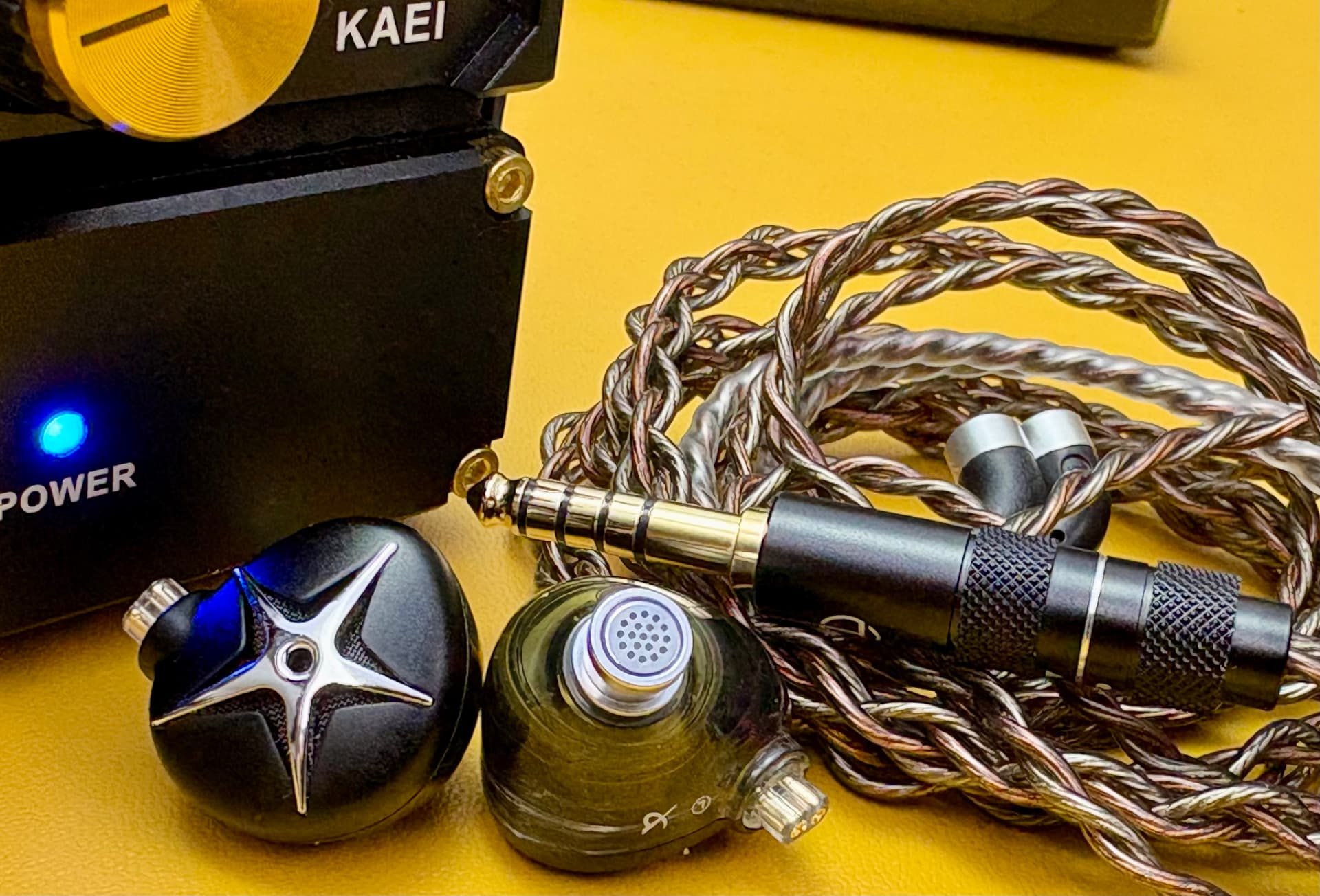
TRN STARFISH

12 mm Dynamic Driver. $33-35.00 usd

Product model: TRN Starfish

Transducer type: 12mm

Dynamic driver.

Frequency response: 20Hz-20kHz

Sensitivity: 112dB

Impedance: 32Ω

Jack type: 3.5mm/4.4mm modular.

Wear: In-ear

Color: Black

Cable length: 1.2m±3cm

Weight: ~3.7g + 22g (earphone + cable)

:backhand_index_pointing_right:t2: Preamble:

Canuck Audioholics give thanks and a shout out to TRN Audio for providing the Starfish IEM for review via TRN’s official store on AliExpress.

I did not receive the retail packaging, but the ear pieces appear to be of good build quality, generous selection (9 pair) of ear tips are included, and, the hybrid copper/silver plated copper modular cable is above average quality and includes both 3.5 and 4.4mm terminations.

Package contents alone represent good value.

Pros and Cons:

:blush: Quality, vented, resin shells with metal nozzles, and a metal “starfish” emblem on the faceplate.

:blush: Shells are medium/small sized, are comfortable in ear with a good nozzle angle for my ears.

:blush: The hybrid copper/silver plated copper modular cable is an above average offering. QDC style connectors, and 3.5 and 4.4mm terminations.

:blush: Good bass and mids.

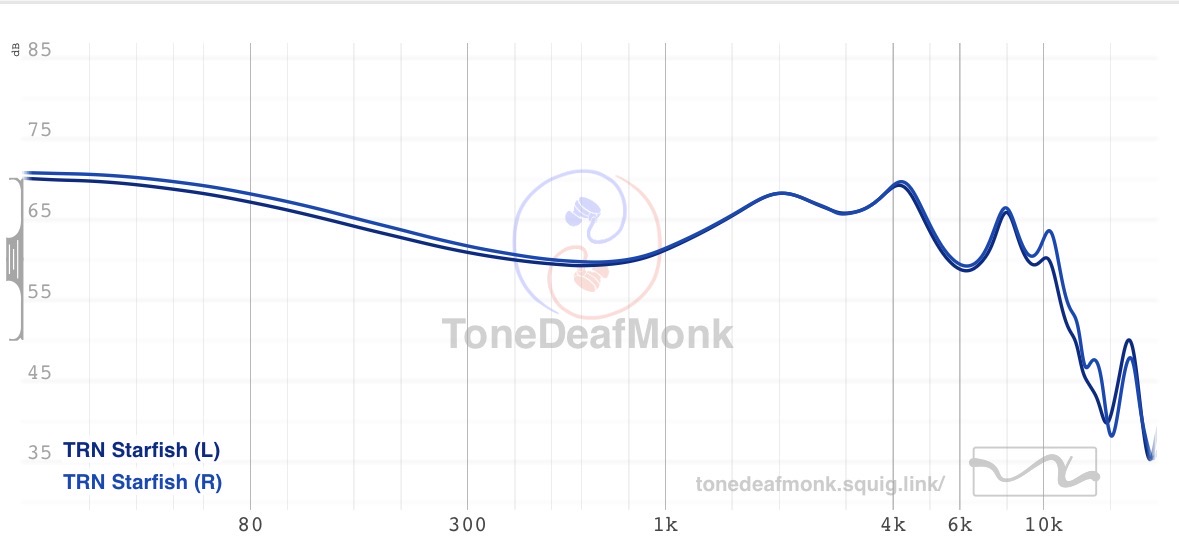
:blush: Treble is rolled off.

:backhand_index_pointing_right:t2: Equipment:

:headphone: TRN Starfish IEM, aged 100+ hours.

:headphone: A&K Kann Max, low gain, 4.4mm out.

:headphone: Stock hybrid copper/SPC modular cable, terminated 4.4mm.

:backhand_index_pointing_right:t2: Sound:

Starfish has a very nice bass presence.

Sub bass can pull low with a good deep rumble.

Mid bass is impactful, and there is good definition between sub/mid bass.

Mids and vocals have very good macro, and, some micro detail retrieval.

Vocals present somewhat elevated in the headspace with natural and accurate tonality.

Treble is rolled off but manages some air and sparkle, but recessed in the mix.

Cymbals and high hats, top end of violins, flutes etc. don’t push up high in the headspace and lack that extra bite of energy.

Head stage is pretty good.

Definitely more intimate than expansive.

Left to right imaging just outside the head.

Top to bottom height is good.

Front to rear stage depth is pretty average.

Imaging and layering are good. Within the confines of the IEM.

:backhand_index_pointing_right:t2: Summary:

I can’t find much to fault with the Starfish. Good quality resin shells and a well above budget modular cable defy the $30.00ish usd price tag.

The dynamic driver is adept and offers up well textured bass, and energetic detailed mids.

The “safe” rolled off treble tuning leaves me wondering if the driver is nimble and capable enough to be a great all rounder.

Starfish is an easy to listen to IEM that shouldn’t irritate many, if any, personal sensitivities.

My one nit pick is I like good upper/ultra treble. With some genres in my library, Jazz, classical, symphonic, it is notably absent.

But that’s a personal preference.

Personal bias aside, I found the Starfish very easy and enjoyable to listen to for lengthy sessions with fatigue.

A great value for around 30.00 dollars usd based on quality components and a safe tuning offering a pleasant listening experience.

:headphone: My music sources:

Qobuz, and, FLAC and DSD files stored on the SD cards of my daps.

My music genre are primarily Rock, Blues, Jazz, Symphonic, Country, Rap, R&B, Pop, Electronic.

Enjoy your music. :+1:t2:

1 Like

Pula Unicrom: Classy Design, Comfortable Fit, Competent Sound

Pros:

  • Good accessories package
  • Classy faceplate design
  • Great Fit and comfort
  • Good mid bass thump and slam

Cons:

  • Sub bass rumble and texture could be better.
  • Not for people who want clean and well separated lower mids (Subjective)
  • Some may want more upper treble.

Specs And Driver Configuration

  • Driver configuration: 10mm beryllium-plated dynamic driver
  • Sensitivity: 101dB ±3dB
  • Impedance: 32Ω
  • Shell Material: Resin with stabilized maple wood faceplates
  • Total Harmonic Distortion (THD): <0.5%
  • Weight: Approx. 6.6g per side

Before starting the review, I want to thank Hifigo for sending this iem for a review.

Accessories Package

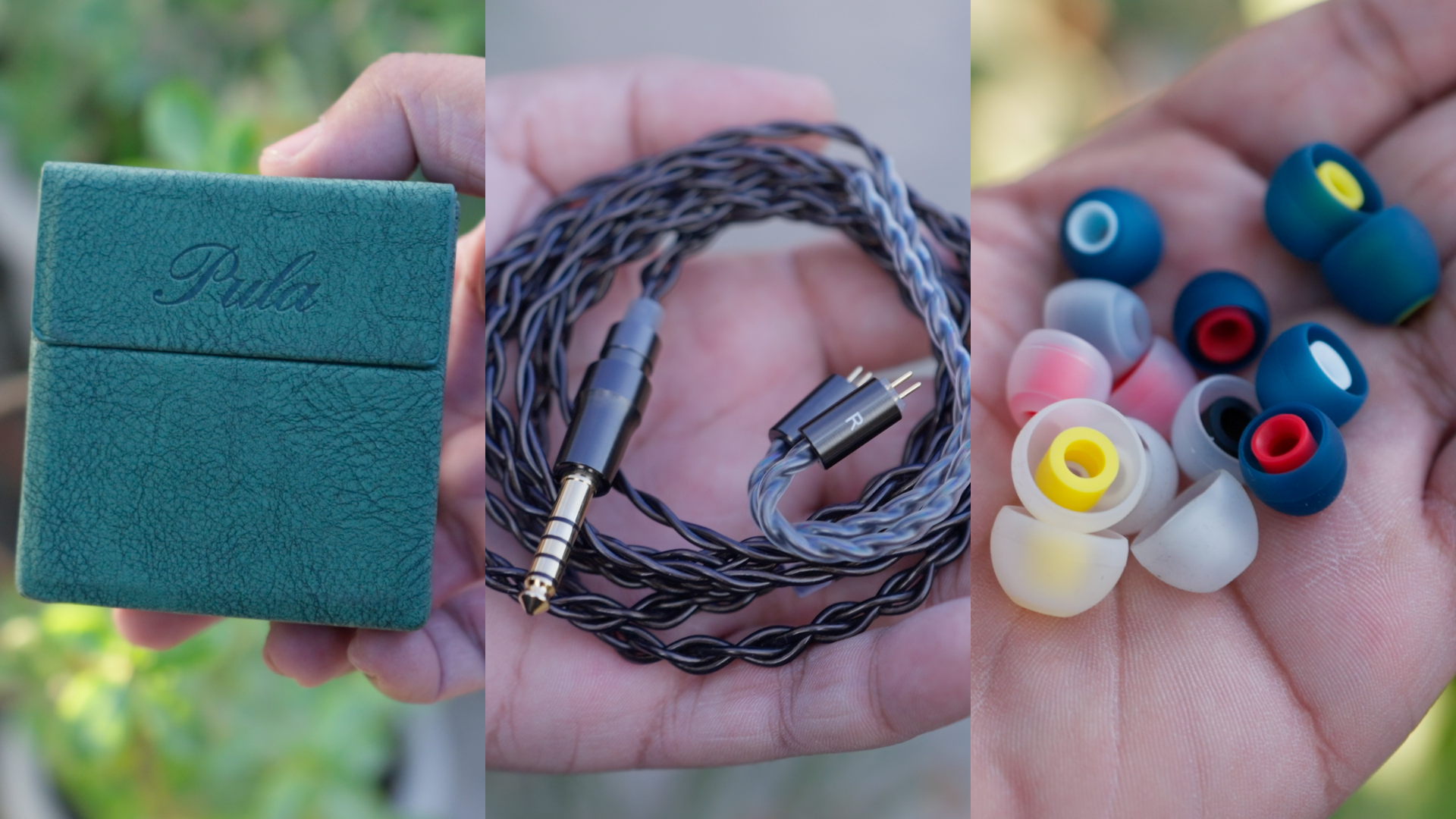
The accessories package is good for the price. Things provided in the box are 1. Carry case 2. Two different types of tips 3. Modular termination cable 4. 3.5mm termination

collage 1.png

The carry case is excellent. It offers great protection for the IEMs. It is built well and feels sturdy and robust. It’s nice to see this good quality of a case provided. The included cable is also very good; it feels premium and solid. It behaves well and doesn’t have any memory. The ear tips are decent too, providing a good seal and solid isolation.

Aesthetics and Build Quality

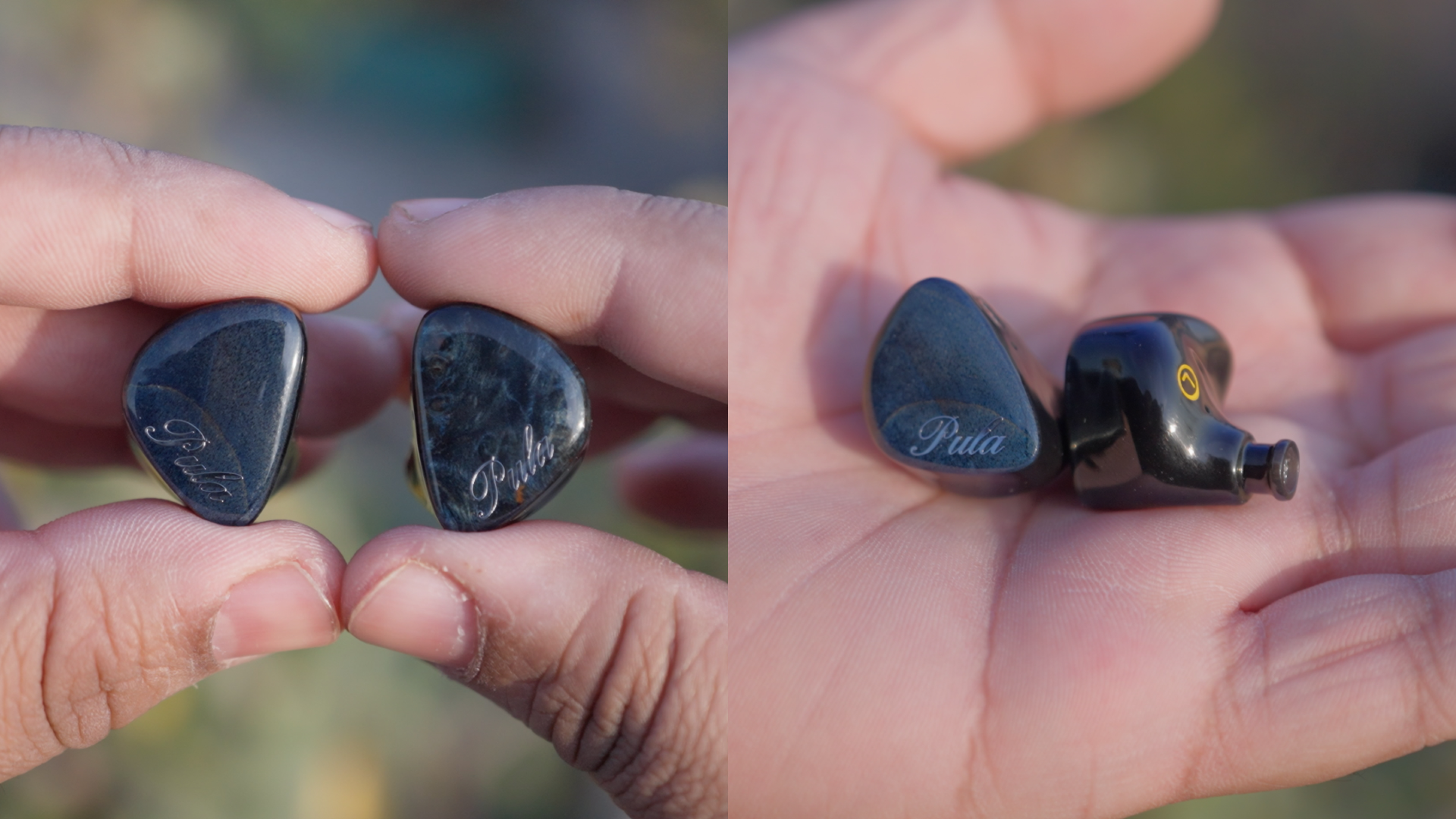
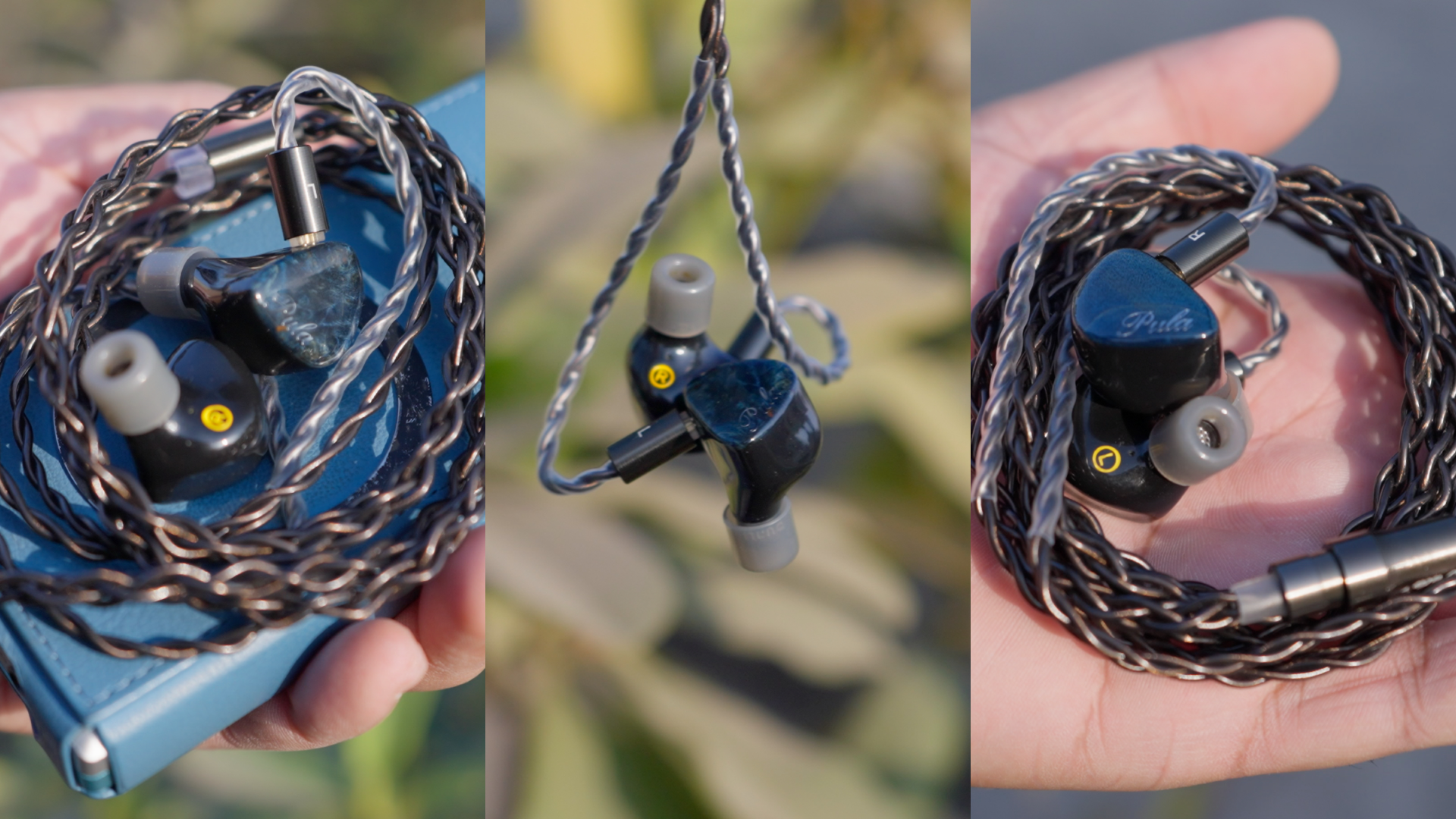
Pula has done a commendable job with the aesthetics of the unicrom. It looks beautiful and classy. The stabilised wood faceplate looks gorgeous yet understated. If you are not a fan of loud and blingy faceplates, this will be right up your alley.

collage 3.png

The build quality is also good for the price. The shells are made of resin and feel sturdy and well-built. It strikes the perfect balance between being lightweight and feeling solid.

Fit and Comfort

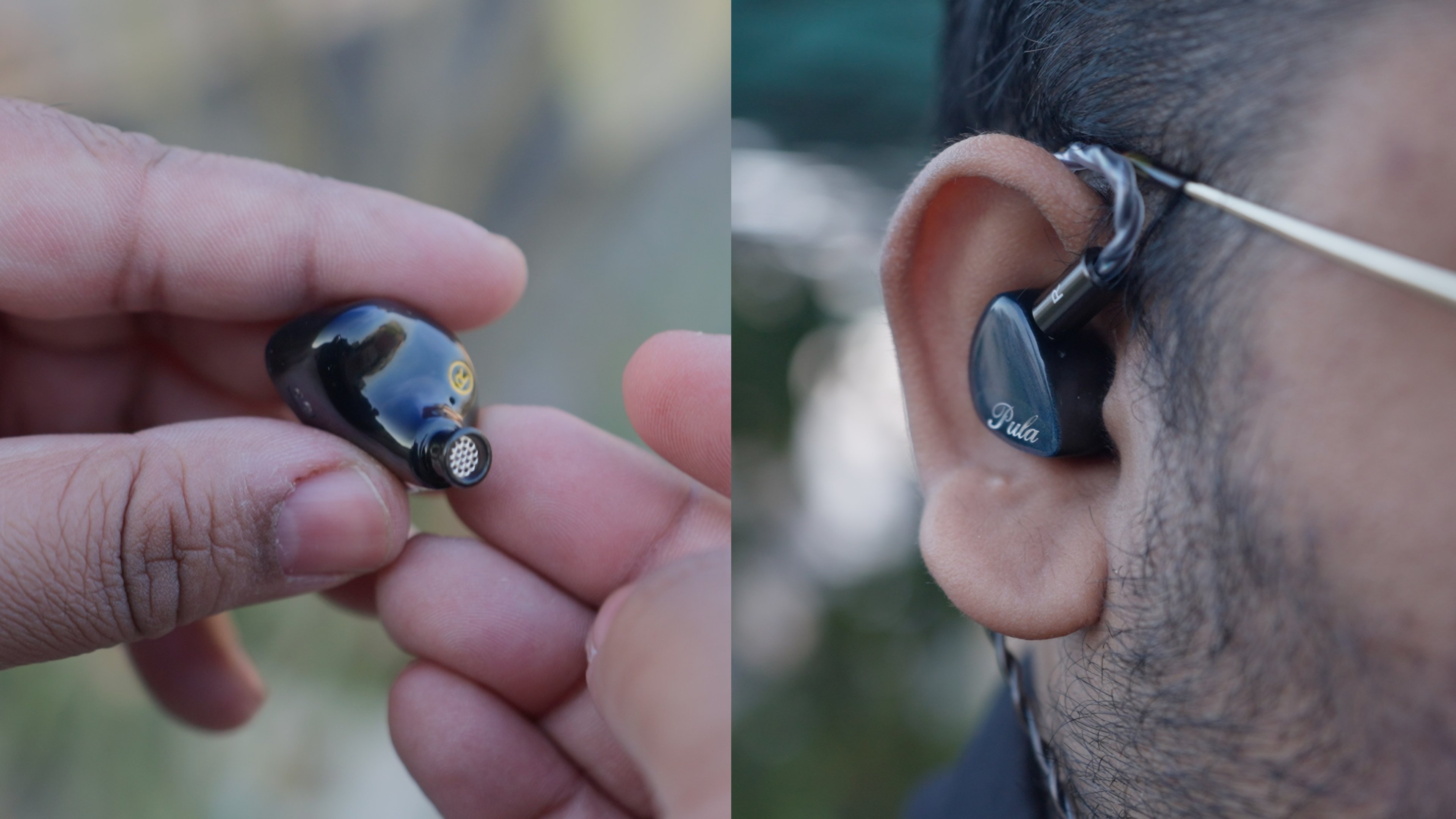
The fit and comfort of the IEM are excellent. The shell is quite small, and the nozzle isn’t too large, so it fits my ears really well. The overall design isn’t bulky either, so they sit nicely in the ear and don’t jut out much. I have no complaints about fit or comfort. I can wear them for hours without any issues.

Still 2025-12-13 164130_2.7.1.jpg

Sources Used & Drivability

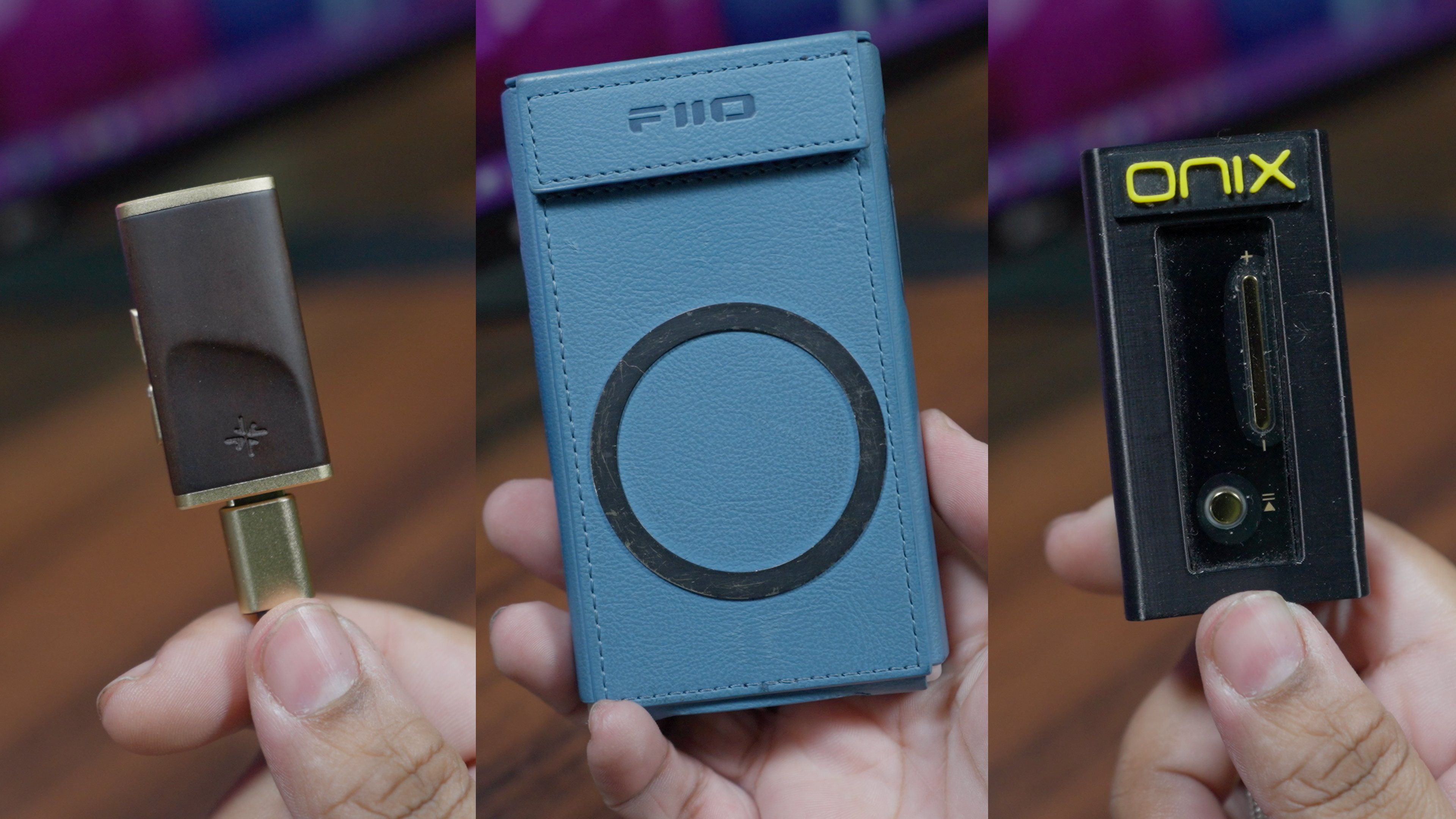
To test the Unicrom, I used the FiiO JM21, fiio Melody and Onix XI1. Unicorn requires a fair bit of power to perform at its peak, so pair it with a decently powerful neutral-sounding dac amp.

Still 2025-12-13 164130_2.8.1.jpg

Sound

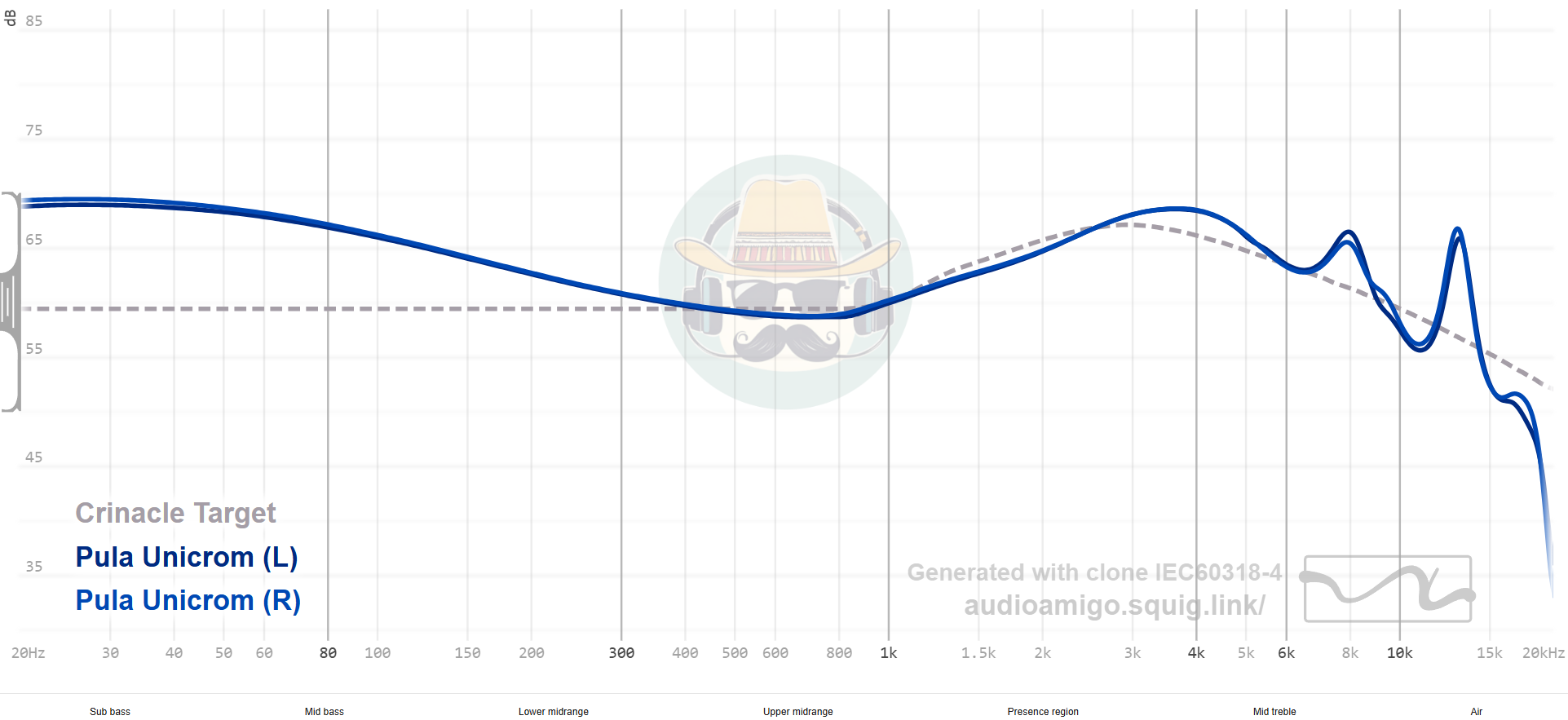
I used the Dunu S&S for my sound testing, as they gave me the best fit and sound. The Pula Unicrom has a very pleasing and non-offensive V-shaped tuning that plays multiple genres well.

Screenshot 2025-12-09 024801.png

Bass

The bass on this set is good. The Unicrom’s low end has both quantity and quality. The bass is fast and snappy, and the beryllium DD holds its composure well during hard hits.

collage 2.png

The sub-bass rumble and texture are decent, not the best at this price, and the Unicrom clearly favours mid-bass over sub-bass. The mid-bass has good thump and slam. The attack is crisp, but the decay is slightly on the faster side, which keeps the bass tight and quick, though it does lack a bit of density.

Mids

The mids are also good. Mid bass gradually transitions into the Lower mids, imparting warmth and body to this region. Upper mids are also tuned to balance the lowermids, and they also cut out through the mix well. Both male and female vocals have good heft and extension to them.

collage 4.png

However, if you prefer your vocals to be cleaner and more separated from the bass then this iem might not be for you. The presence region (4-6kHz) is just below my edge of tolerance. Vocals have good bite, but “SS” and “Ch” sounds can come across as sharp on poorly mastered tracks.

Treble

The treble on unicrom is also executed well. The focus is more on the mid treble than the air region. The treble is reasonably smooth and has good bite to it. It does not sound grainy as well. Extension into the air region is decent; it’s not boosted, but there’s enough energy to keep the sound balanced and prevent it from feeling cramped or dark.

Still 2025-12-13 164130_2.11.1.jpg

Detail Retrieval and Technical Performance

The detail retrieval and overall technical performance of the Unicrom are decent for the price. Macro detail retrieval is good; it sounds fairly punchy and dynamic. Micro detail retrieval is also decent for its price bracket, though it’s not the most detailed set in its class. The soundstage isn’t the widest, but it doesn’t feel cramped either. Front-to-back depth is handled nicely, and instrument separation, layering, and imaging are all quite good for the price.

Still 2025-12-13 164130_2.12.1.jpg

Conclusion

Pula has created a well-rounded package with the Unicrom. It’s not the most exciting IEM in its price range, but it doesn’t have any major flaws either. You get a good accessories package, great looks, solid sound, and excellent fit and comfort. It’s an all-rounder that gets a lot of things right.

collage 5.png

There’s a lot of competition in this price bracket, but the Unicrom is still a very competent IEM and definitely deserves a spot on your shortlist. Overall, it gets a thumbs-up from my end.

5 Likes

NiceHCK Yuandao Tears

Single DD IEM. $29-32.00 usd.

*Brand: NICEHCK YUANDAO

*Model: Tears

*Product Type: IEM

*Driver: Dual-Magnet, Dual-Chamber Dynamic Driver

*Connector: 0.78 2pin

*Effective FR: 20Hz-20kHz

*Impedance: 200@1kHz

*Sensitivity: 127dB/Vrms @1kHz

*Housing: ABS

*Plug: 3.5mm or Type-C (Optional)

*Cable Material: High-Purity Oxygen-Free Copper Plated With Silver

:backhand_index_pointing_right:t2: Preamble:

Thanks go out to Da Bao and NiceHCK for providing the Canuck Audioholics with the NiceHCK l Tears IEM for review.

Tone Deaf Monk

Kingnubian

Krustyol’Bastid

:backhand_index_pointing_right:t2: Unboxing:

Packaging is upscale for a budget offering. Nice flip top box reveals the IEM’s with cable attached displayed securely in a foam insert.

Underneath the insert is the cable, a “change purse” style carry pouch, and documentation.

In a separate box are the ear tips, 5 pair in total from XS to XL size.

:backhand_index_pointing_right:t2: Pros and Cons:

:blush::pensive_face: Vented ear pieces are plastic not resin.

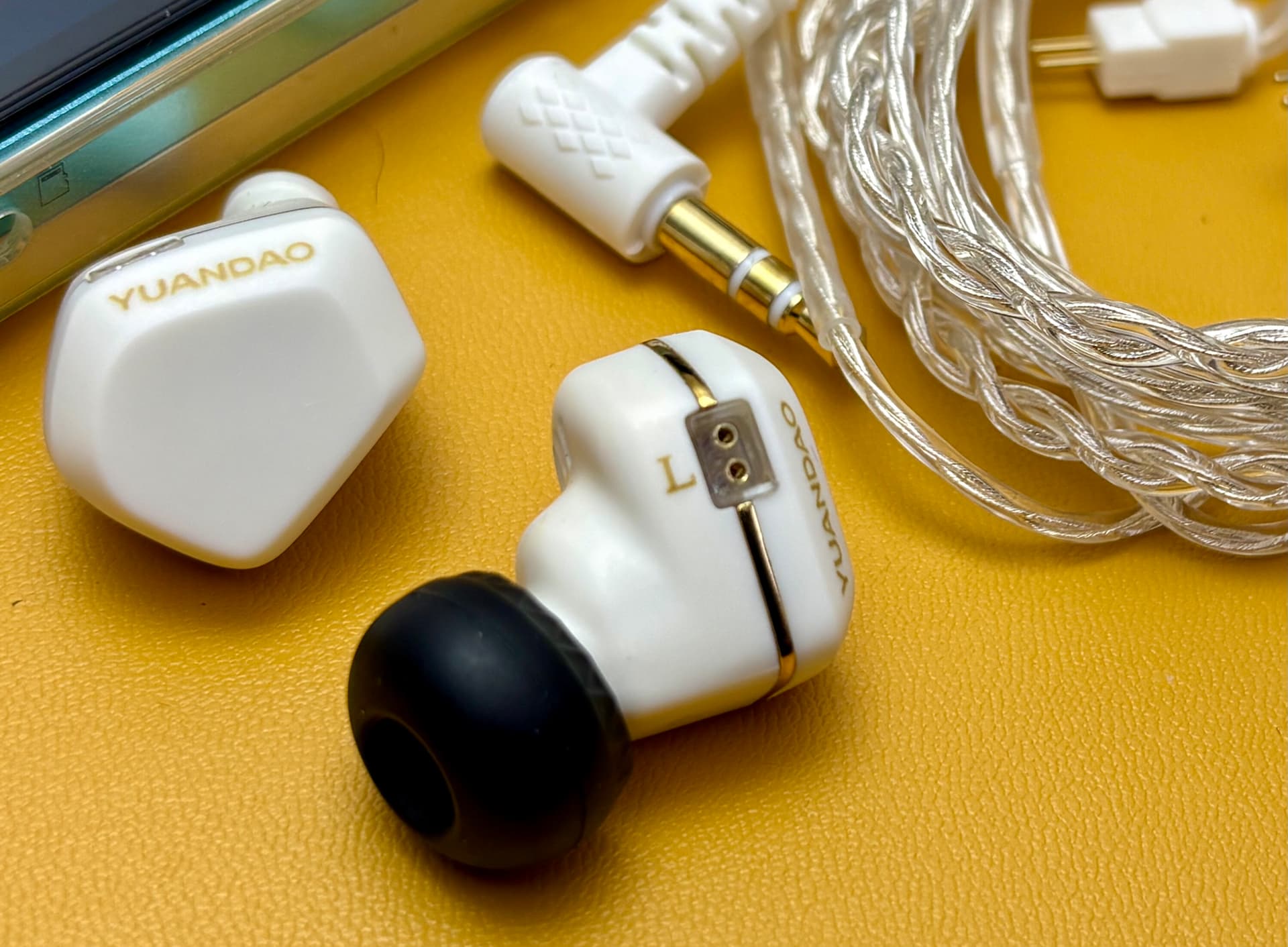
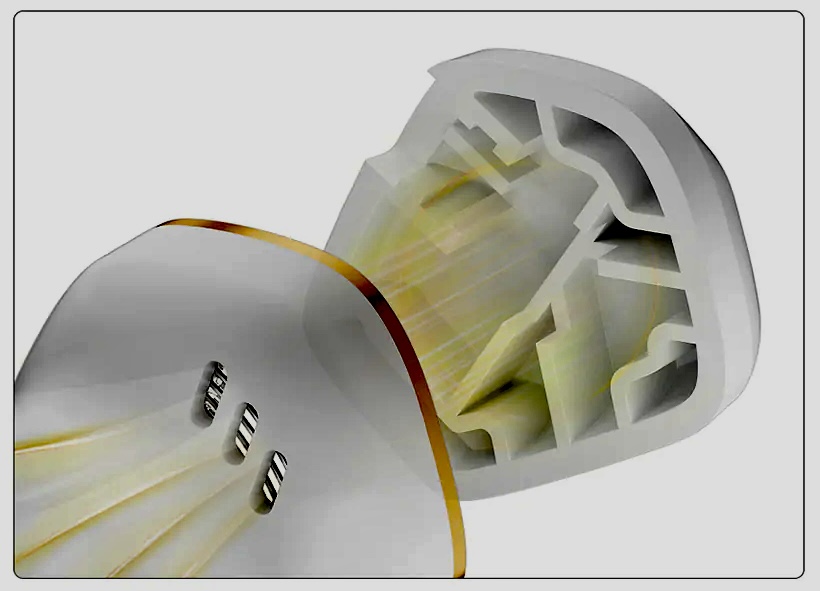
They feature an Acoustic Labyrinth Chamber, Low Frequency Airflow Channel. (See Pic)

Simple classy look with clean lines.

Shells are small so outer ear fit shouldn’t be a problem for the majority.

But fit is extremely fussy for my ears. The Dynamic Driver chamber creates a hump, and the very short nozzles are mounted on top.

I have large ears, but that hump really limited positioning.

I finally achieved a seal on the very outer edge of my ear canal using XL Eletech Baroque ear tips, but anchor wasn’t secure and required constant repositioning while listening.

Fit is of course personal and subjective and individual results will vary.

:pensive_face: The stock silver plated copper cable is very much a budget offering.

I have the Non-DSP, no mic, 3.5mm termination cable.

I was hearing electrical interference when listening.

I swapped the cable out to a generic 3.5mm SPC cable and the interference was mitigated.

:blush: Good Bass

:blush: Bright, clear mids

:blush: Splash of sparkle and air.

:blush::pensive_face: U or v shaped tuning. Good or not so good, depending on personal preference.

:blush: DSP cable is supported by an app that will allow for some EQ adjustments.

I don’t have the DSP version and can’t speak to the features or effectiveness of the app.

:backhand_index_pointing_right:t2: Equipment:

:headphone: NiceHCK Yuandao Tears IEM, aged approx. 20+ hours.

:headphone: FiiO JM21 DAP, mid gain, 3.5mm SE out.

:headphone: Generic silver plated copper cable terminated 3.5mm. Still a budget level cable, but an upgrade from stock offering.

:headphone: Eletech Baroque wide bore ear tips.

:backhand_index_pointing_right:t2: Sound:

Tears makes nice sub over mid bass.

On tracks that call for it sub bass has great rumble and depth, and when it’s boomy it has a nice “airyness” to it.

Sub bass can easily over ride mid bass, but on many tracks there is definition between the two.

On acoustic double bass tracks individual string plucks are clear and each note has nice resonance to it.

Over all a well textured bass that should please most sub bass enthusiasts.

The promotional literature states that the Acoustic Labyrinth Chamber enhances the low frequencies.

There is a strong possibility that it works.

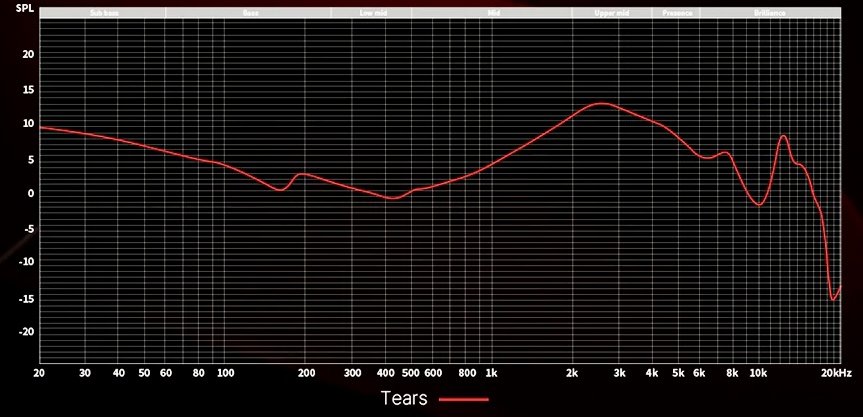
Lower mids are scooped and the pinna rise peaks early around 2.5k and rolls off pretty much immediately again.

The mids are clean clear and what’s there is detailed and uncluttered.

Vocals tend to blend in rather than present elevated or forward and for the most part are natural and accurate.

But, occasionally I find vocals on some tracks can have a “shimmer” or thinness to them.

Highs are rolled off so the mids are carrying most of the load.

Surprising, despite what the FR graph would suggest, there is some reasonable air and sparkle in the upper end, but, I do find they decay fairly quickly, limiting shimmer/sizzle on cymbals and hi hats to some degree.

Staging is pretty much inside the head.

Left to right stereo imaging is good.

Height top to bottom is good, with decent layering.

Front to rear stage depth is limited.

:backhand_index_pointing_right:t2: Summary:

Unfortunately, due to fit issues, a cable prone to electrical interference, as well as not being my preferred tuning, my own personal experience with the Tears IEM is not overly positive.

However, with a cable swap and some perseverance continuously adjusting the IEM’s in ear, I can say the Tears have some positive attributes sound wise. Good bass, what’s left of the mids presents well, and there is some sparkle and air.

Due to the good bass, but lack of breadth in mids frequencies, I found these best suited to sub bass focused genre that don’t rely on a lot of mids macro and micro detail.

Audio enthusiasts are a diverse group, just because they are not for me, they may well be someone else’s caviar.

:headphone: My music sources:

Qobuz, and, FLAC and DSD files stored on the SD cards of my daps.

My music genre are primarily Rock, Blues, Jazz, Symphonic, Country, Rap, R&B, Pop, Electronic.

Enjoy your music. :+1:t2:

3 Likes

1 Like

Nice review. I really like the Unicrom. The Unicrom still is on my desk as a daily driver. The Unicrom reminds me of the Cadenza but with better bass and better technical performance.

3 Likes

Interesting review. The Tears has a very early starting point (500 Hz) for the rise of the simulated pinna gain.

3 Likes

1 Like

KB TOURBILLON PRO

10mm Single Dynamic. $99.00usd.

Brand: KBEAR

Product Name: Tourbillon-Pro

Model: TB-Pro

Color: Black / White

Sensitivity: 101dB‡3dB/mW@1KHz

Impedance: 19‡22 @1KHz

Frequency Response: 20-20KHz

Driver: 10mm PU+PEEK diaphragm with DLC Blue Coating DD

Pin: 0.78mm 2-pin

Plug: 3.5mm / Type-C

Cable Lenth: 120cm

:backhand_index_pointing_right:t2: Preamble:

Thanks go out to KBear via their official store on Aliexpress for providing the Canuck Audioholics Review Group with the KBear TourBillon IEM review sample.

:backhand_index_pointing_right:t2: Pros and Cons:

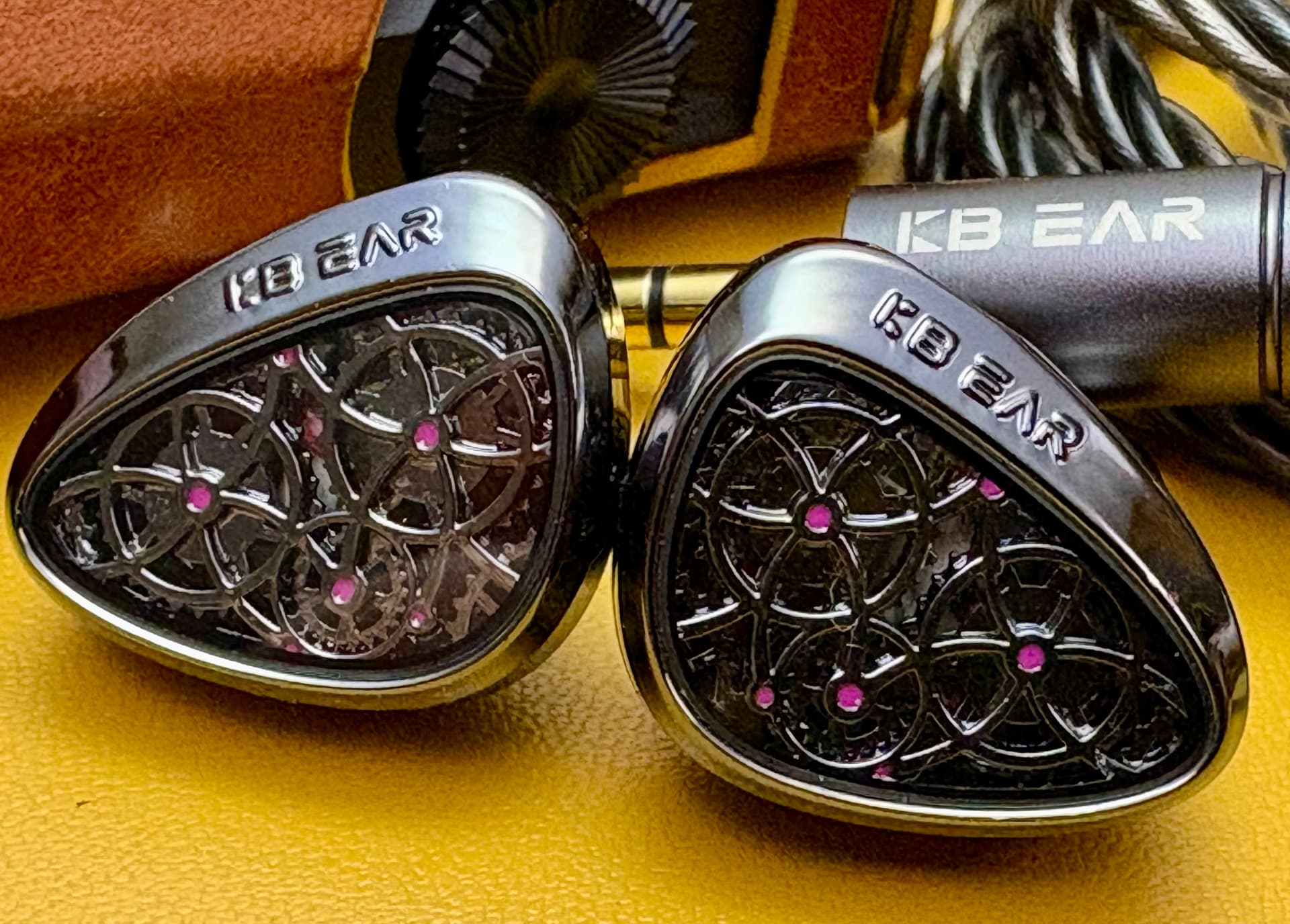
:blush: Vented, solid Zinc alloy shells and faceplates are durable and sculpted with smooth rounded edges.

:blush: Shells are medium large size with a nozzle length that gives me a full insertion depth. They are comfortable in ear and anchor and seal well.

:blush: 49 core silver plated cable has a tight wind, and is supple and flexible.

Termination options are 3.5mm or type C, both available with or without mic.

:pensive_face: No 4.4mm or Modular cable option.

:blush: Not source fussy.

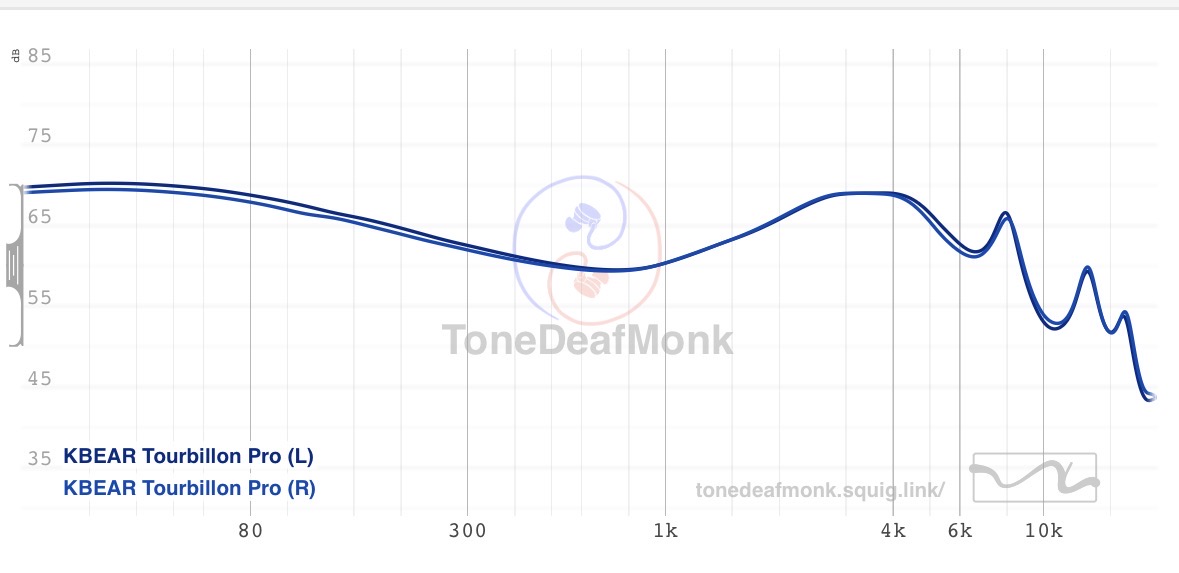
:blush: Smooth, mostly balanced sound, with warmish mids and relaxed treble.

:backhand_index_pointing_right:t2: Source Devices:

I only rolled a few source devices:

-FiiO JM21

-Hiby R4

-A&K SP2000T OP amp mode, not tubes.

-iPhone connected to Kaei Design Tap1 Pro via USBc.

I won’t detail each device, Tourbillon sounds good on all.

I chose the Astell & Kern SP2000T for the sound evaluation because it enhanced and brightened the mids and treble a touch.

:backhand_index_pointing_right:t2: Equipment:

:headphone: KBear Tourbillon IEM, aged 100+ hours.

:headphone: A&K SP2000T DAP set to OP amp mode, 3.5mm out.

:headphone: Stock silver plated copper cable, terminated 3.5mm, no mic.

:headphone: DUNU S&S wide bore ear tips.

:backhand_index_pointing_right:t2: Sound:

Nice blend of sub/mid bass, but sub bass has the hammer, on many tracks sub bass can over power mid bass.

Bass carries into, and warms the mids, but doesn’t override the entire head space.

Mids have a relaxed and pleasing overall warmth.

Good macro detail, and some micro detail, but some instruments and vocalists can be shy on upper mids bite.

Treble is rolled off and carried primarily by the mids.

There is a rise around 8k that adds some welcome sparkle and air.

Staging is intimate.

Between the ears for width.

Decent top to bottom height.

Front to rear stage depth gives a nice head filling roundness to the staging, but falls short of holographic.

Imaging and layering are very good.

:backhand_index_pointing_right:t2: Summary:

More than one review session turned into a listening session with the KBear Tourbillon.

For my own personal preference, I may have liked just a touch more upper mids and treble energy, but, Tourbillon’s smooth, balanced, warmth easily captivated me and pulled me into listening mode, and review notes became scarce.

When any piece of ear gear can do that, nit picking the technicals takes a back seat.

At just under $100.00 usd you get nicely sculpted solid metal shells. A decent cable, albeit no 4.4mm termination offered, but USBc is.

And a captivating, non-offensive sound that’s easy to listen to for hours.

Tourbillon is a very nice middle of the road offering.

Very good strong bass, but not over emphasized, so may leave some dedicated bass enthusiasts wanting.

The relaxed mids may not thrill true mid centric enthusiasts, but likely will satisfy many others.

And for true treble heads, no need to apply.

For those who just want to plug in and enjoy drifting with a playlist. Tourbillon is worthy of a listen.

:headphone: My music sources:

Qobuz, and, FLAC and DSD files stored on the SD cards of my daps.

My music genre are primarily Rock, Blues, Jazz, Symphonic, Country, Rap, R&B, Pop, Electronic.

Enjoy your music. :+1:t2:

5 Likes

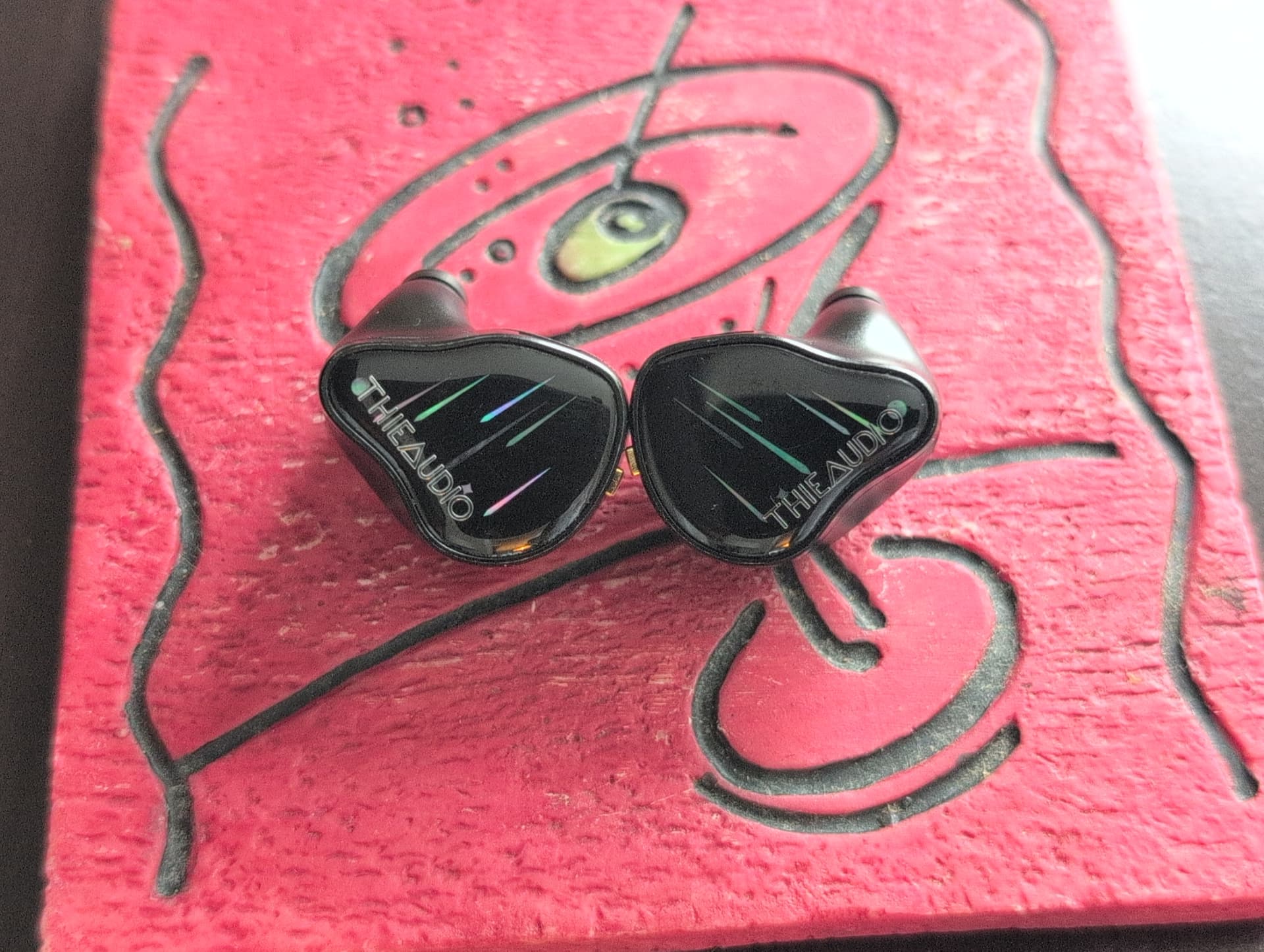
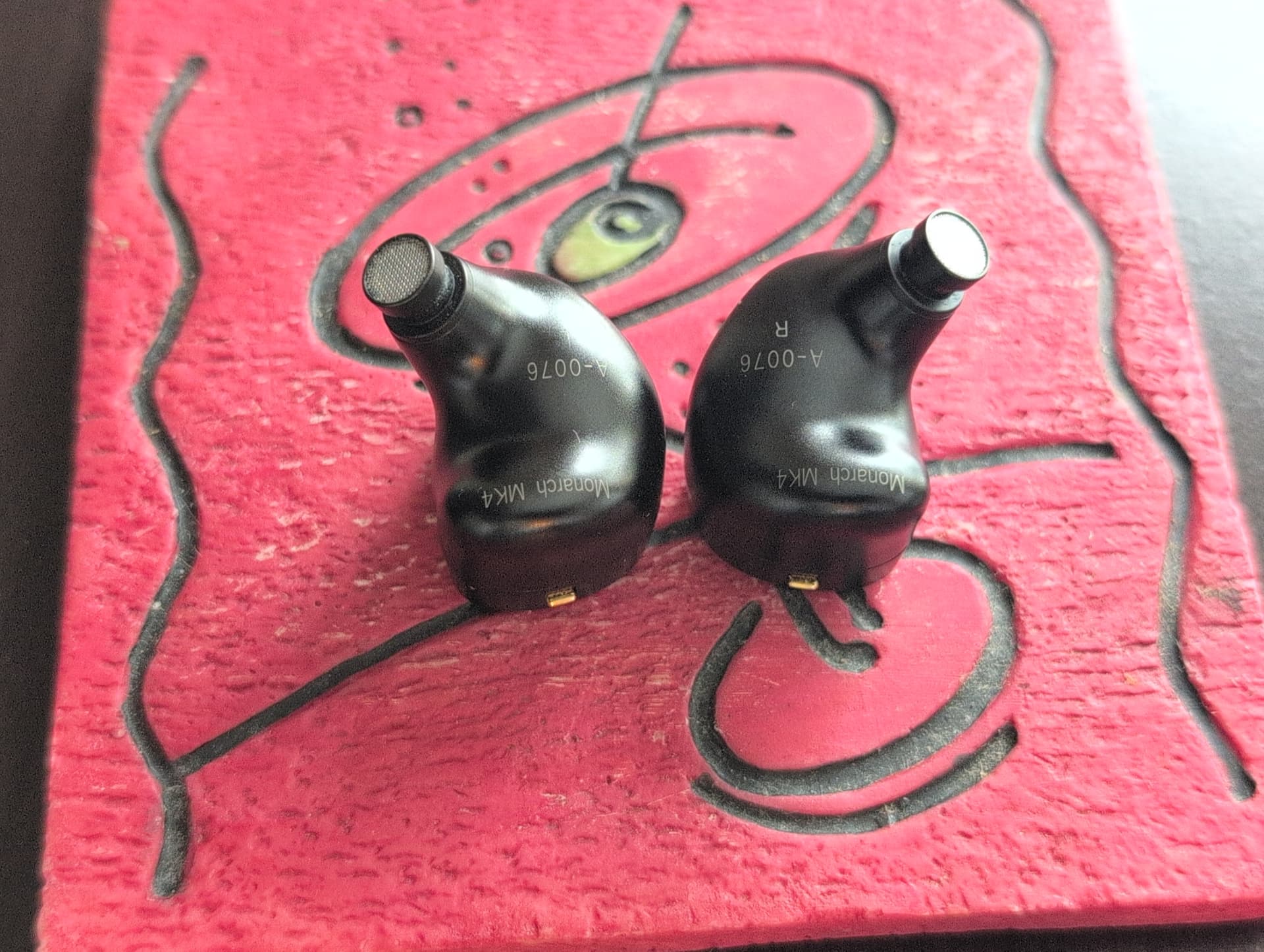
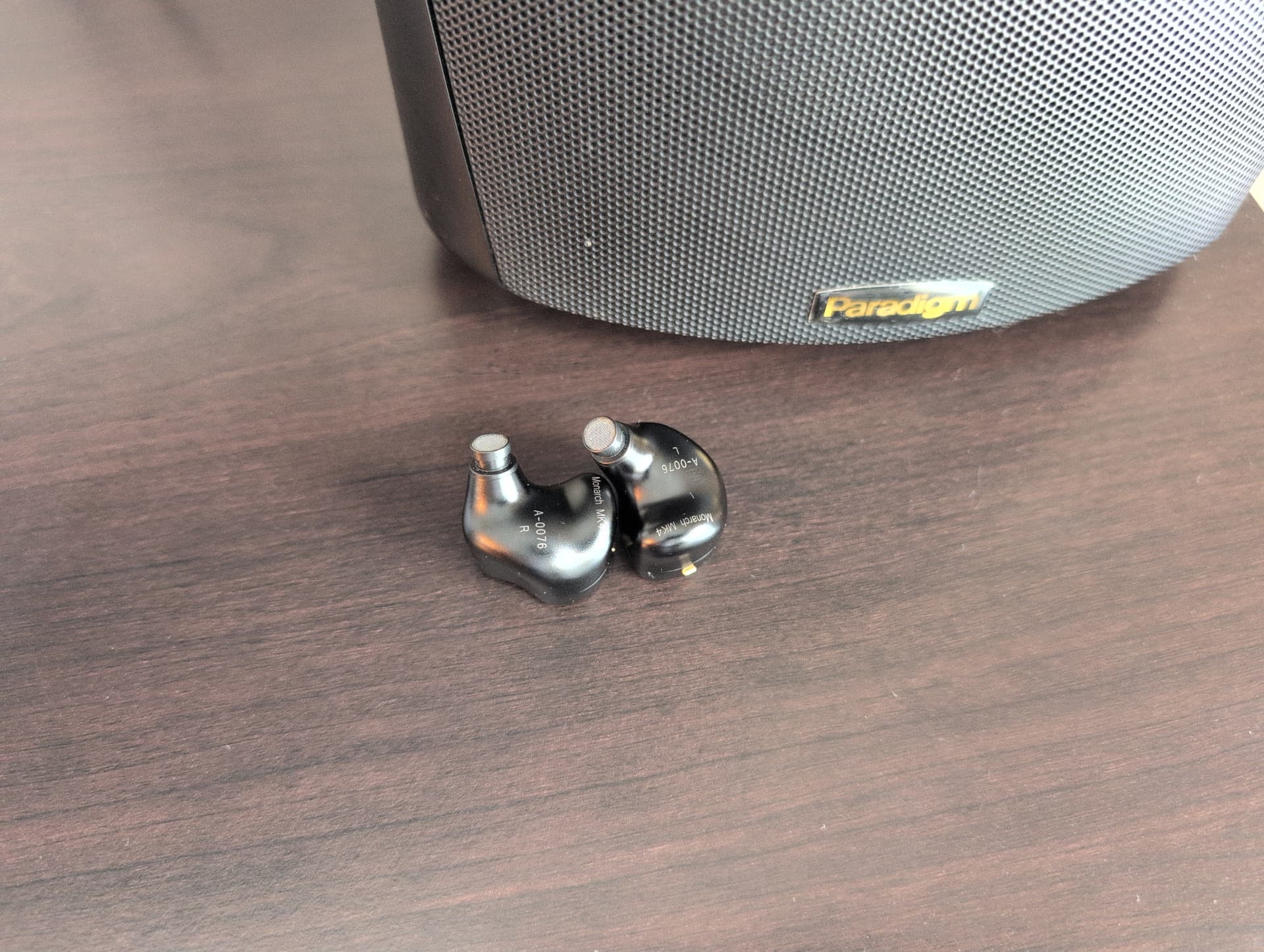
Thieaudio Monarch MK4 – Life Is Music

Preamble:
Shenzhen-based Theiaudio is a celebrated brand with a reputation for producing quality products. The Monarch MK4 is another in the series of the well-respected Monarch line.
With an ambitious driver layout of two 8mm dynamic drivers mated to six Sonion balanced armatures and finishing up with two EST drivers, the MK4 certainly offers lots of tech in line with the $1150 USD asking price.
The Monarch MK4 features a tuning switch that cycles between two nodes, Standard and Rumble. The sound signature closely matched the labels’ expected effects, but the effects were more subtle than dramatic.
The Monarch MK4 has a sound with great technicalities and a tuning that waffles between neutral and a mild V-shape depending on the switch position. I preferred the “Standard” setting overall even if the “Rumble” mode has its merits.

Specs:
Driver: 2DD (8mm) + 6 Sonion BA +2EST
Crossover: 4-way crossover with 4 sound tubes+2 ultra-high frequency drivers+4 high frequency drivers+2 mid frequency drivers+2 low frequency drivers
Frequency Response: 10Hz – 44kHz
Impedance: 10/9 ohms (±1 ohm) @1kHz
Sensitivity: 100dB ±1dB @1kHz
Total Harmonic Distortion (THD): <1% @1kHz

Build & Fit:

  1. Beautiful, if somewhat basic design.
  2. Build quality is very good.
  3. Comfort and fit are excellent despite its larger size.
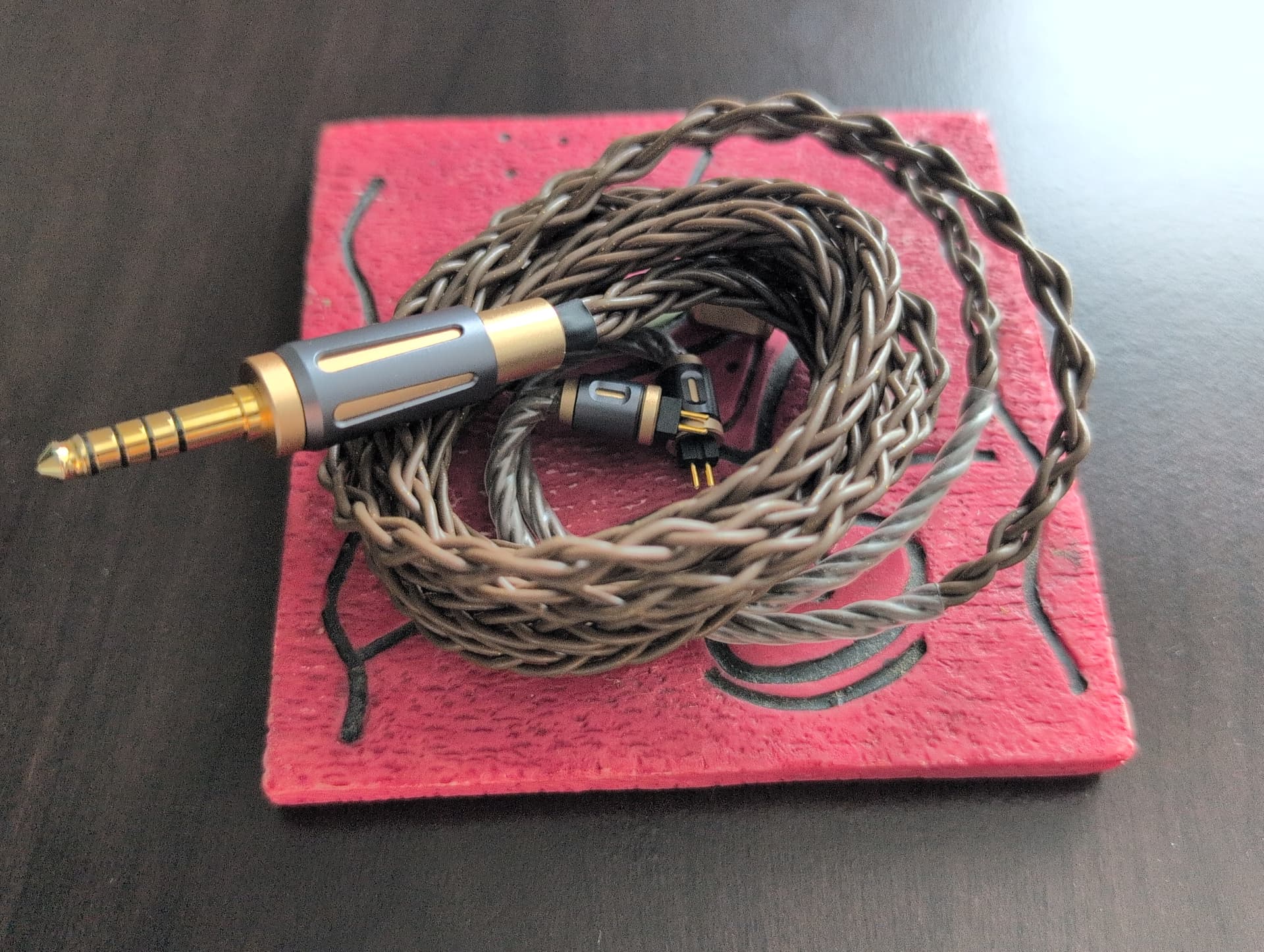
  4. The cable, fixed 4.4mm termination, is of high quality. Thick and with good haptics.
  5. The case is standard fare with prominent branding.

SOURCES:

  1. Burson Conductor GT4
  2. XDuoo XA-02
  3. EPZ TP-35
  4. Various dongles

SOUND:
Bass:

  1. The bass digs deep with visceral impact. Loses some texture in Rumble mode.
  2. Standard mode reveals great texture and good control.
  3. Mid-bass lags behind sub-bass. In terms of impact.
  4. The sub-bass is very present when called for in the music. Nothing seems missing.
  5. Bass does not bleed appreciably into the midrange.
  6. Bass presentation really serves as a solid foundation.

Midrange:

  1. Effortless clarity, with a touch of warmth.
  2. Detail retrieval is very good, both macro and micro.
  3. The midrange has a touch of warmth. Vocals are prominent in the mix and are expressive.
  4. Lively and lush midrange presentation but no harshness.
  5. Pleasing timbre and texture with a rich and engaging sound.
  6. Pinna gain is controlled, with no harshness.
  7. Note-weight and density are good.
  8. Layering and separation are very good.
  9. Transients exhibit a rapid impactful attack with natural decay.
  10. Overall, the midrange has a natural yet lively playback.
  11. Balanced midrange with some mild upper-midrange lift.

Treble:

  1. The treble is well extended.

  2. Lively yet smooth treble with notable sparkle and air. No harshness or overhang.

  3. Detail retrieval is very good.

  4. There are occasionally some timbre issues.

  5. The treble adds notable spaciousness to tracks.

  6. The relaying of treble nuances and texturing is also notable.

    The Monarch MK4 is certainly technically adept. There is a sense that nothing in a track is being missed. Bass is exceptionally solid with an impact in Rumble mode that would satisfy even some basshead lovers, and while in standard mode, it is still solid.

The midrange is open with great clarity yet still with a dark background, which adds to the sense of high-resolution playback. Not the best I have heard at this price, yet the midrange is still satisfying. The treble has ample detail; however, a slightly off timbre occasionally marred the sound, which was heard on cymbal work.
The Thieaudio MK4 engaged me while listening, and it suited any music genre I tried. Standout technicalities and detail retrieval are the takeaways from the sound. The switches proved useful, even if I settled on the Standard mode for most of my time with the MK4. It is not without its faults, though, and the treble timbre issues were present on some of the jazz tracks I use for evaluation.

IMAGING & SOUNDSTAGE:

  1. A moderately sized soundstage of notable air.
  2. Instrument placement is stable within that soundstage with ample space around the instruments.
  3. Well-balanced between dimensions, width slightly more prominent but height and depth well done.
  4. Notable instrument spacing and detailing.
  5. Layering and instrument separation are very good within that soundstage.

CONCLUSION:
Thieaudio has rightfully earned its reputation, and the Monarch MK4 continues that trend. The two sound modes are different enough to make a real difference while not adversely affecting the overall sound.
This is not a laid-back sound, but one that is vibrant enough to engage the listener quickly, yet without the harshness of overdone bravado that plagues lesser sets. There are some concerns with the treble presentation, but more often than not it did not offer enough of a presence to be overtly distracting. Of course, this can be genre-specific.
There is stiff competition at this price range, but that being said, the MK4 has enough going for it to garner a recommendation.

3 Likes

Fiio Melody Review – A Compact Dongle DAC with Serious Performance

Pros:

  • Beautiful design
  • Small size
  • Good driving power for iems & headphones
  • Great App that supports 10-band parametric EQ
  • Excellent heat management and very little power consumption.
  • Dac and amp implementation is very good
  • Great Sound
  • Great detail retrieval & technical performance

Cons:

  • Loose type-C port.
  • No type-C to type-B adapter in the box.

Specifications

  • DAC: dual CS43131
  • Decoding: PCM up to 384 kHz, 32-bit; DSD256.
  • Max Power: 250 mW per channel at 32 Ω
  • Output: 3.5mm, 4.4mm

Before starting the review, I want to thank Fiio for sending this Dongle Dac in for a review

Design and Build Quality

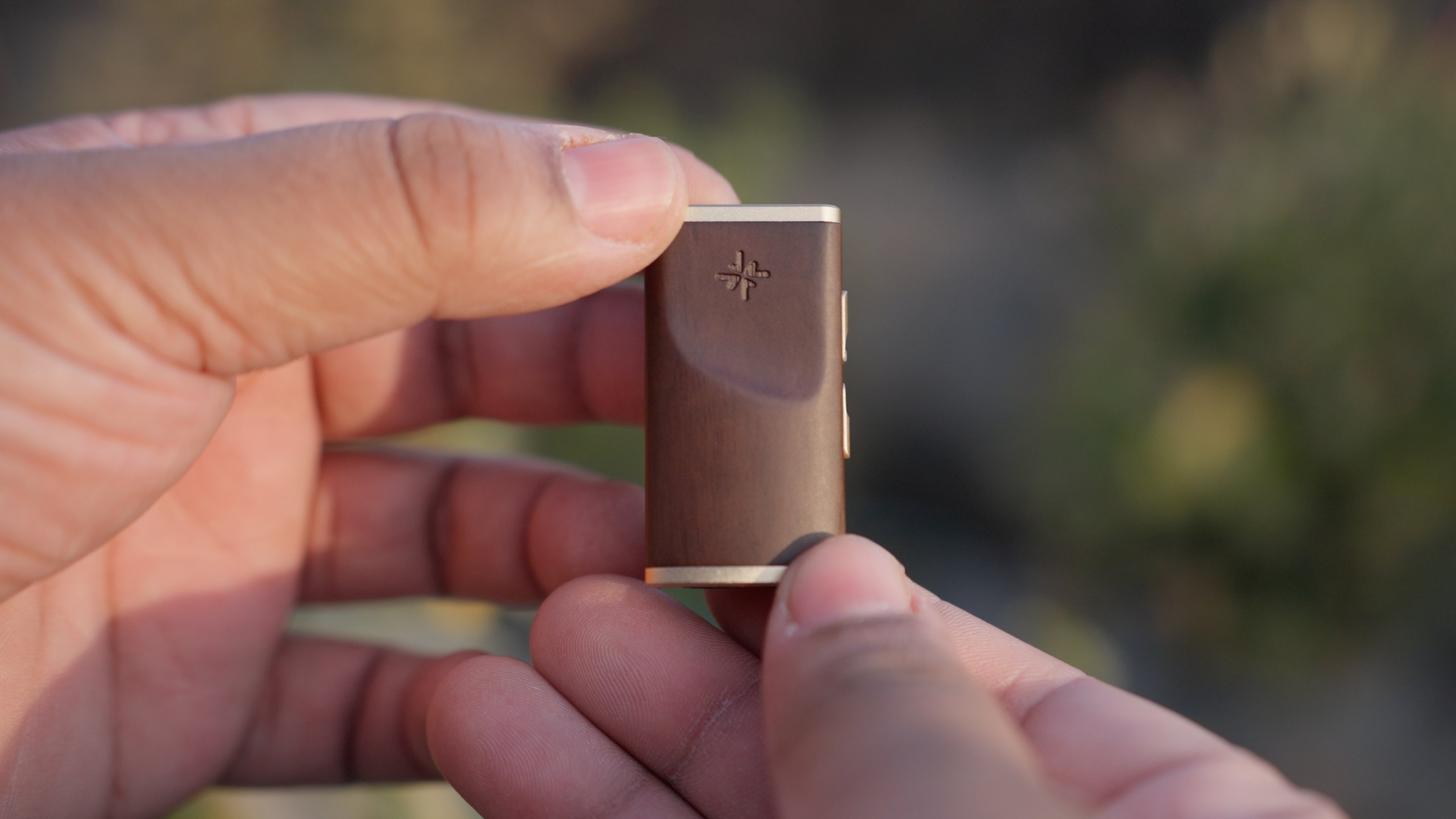
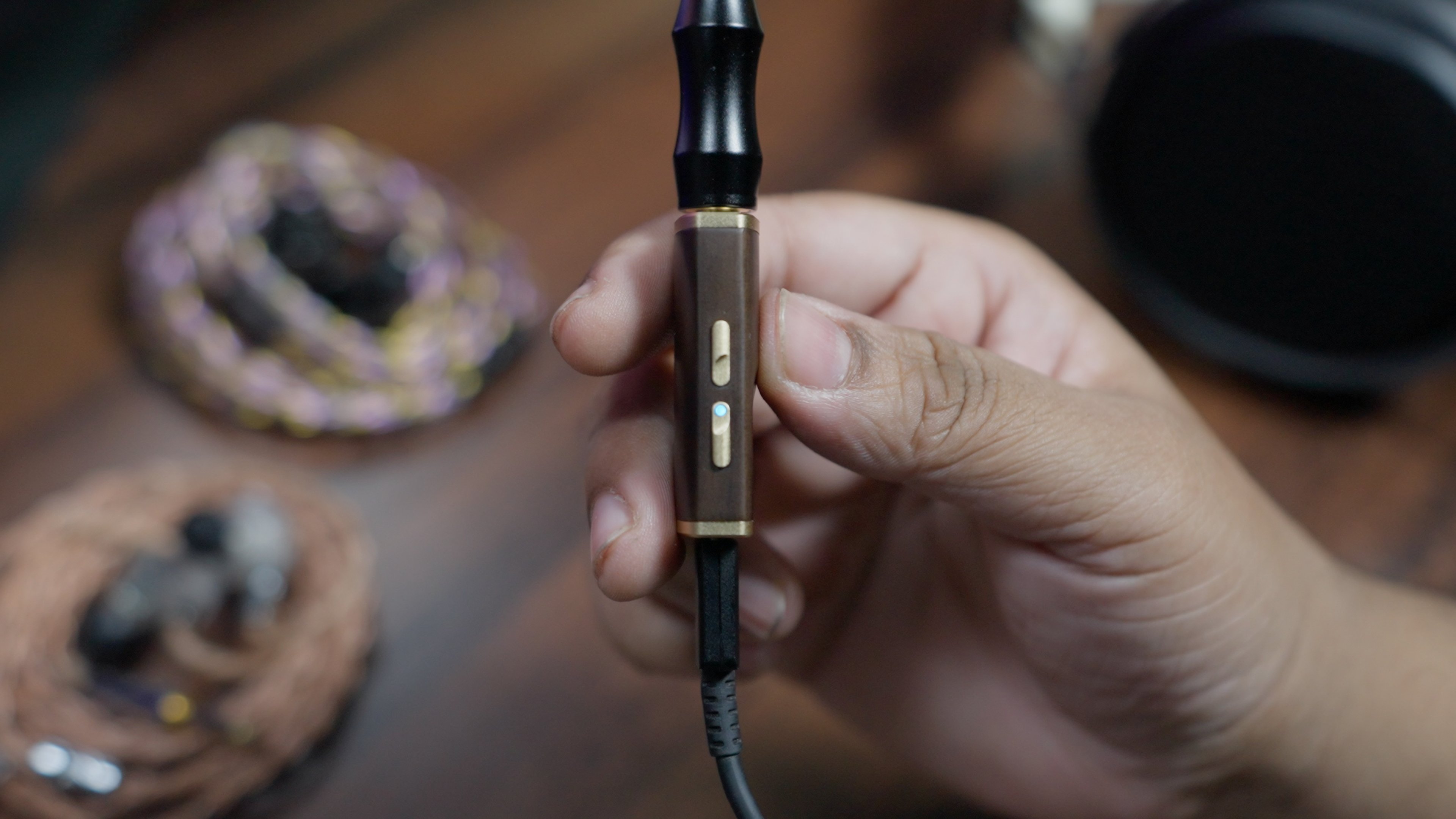
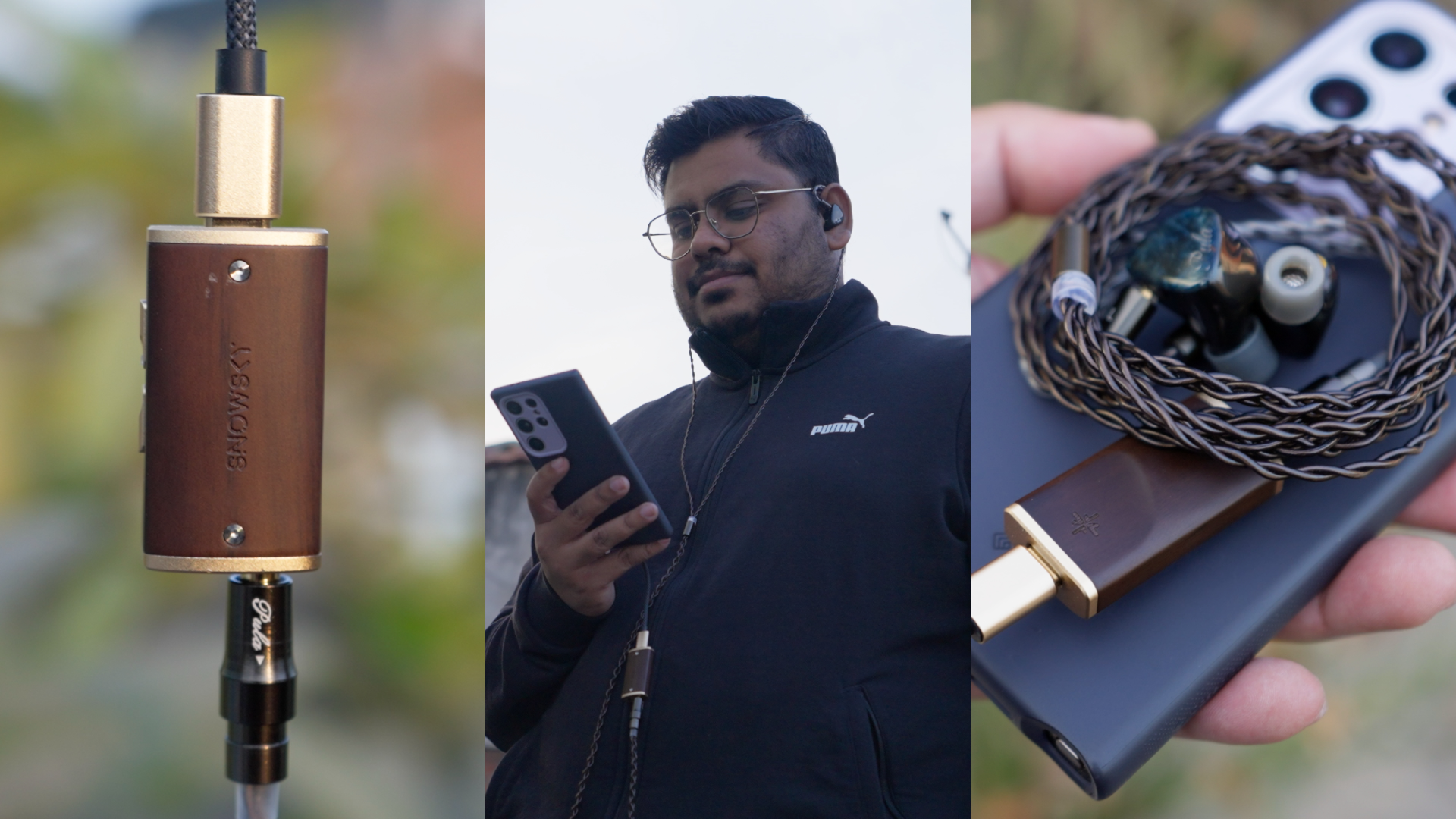
The design of the Melody is beautiful and mature. The wooden body with bronze accents looks very premium and classy. The Melody’s design moves away from the regular fun and playful aesthetic Snowksy is known for, and I actually love this change. This more mature look will be appealing to a wider audience.

Still 2025-12-17 225725_2.3.1.jpg

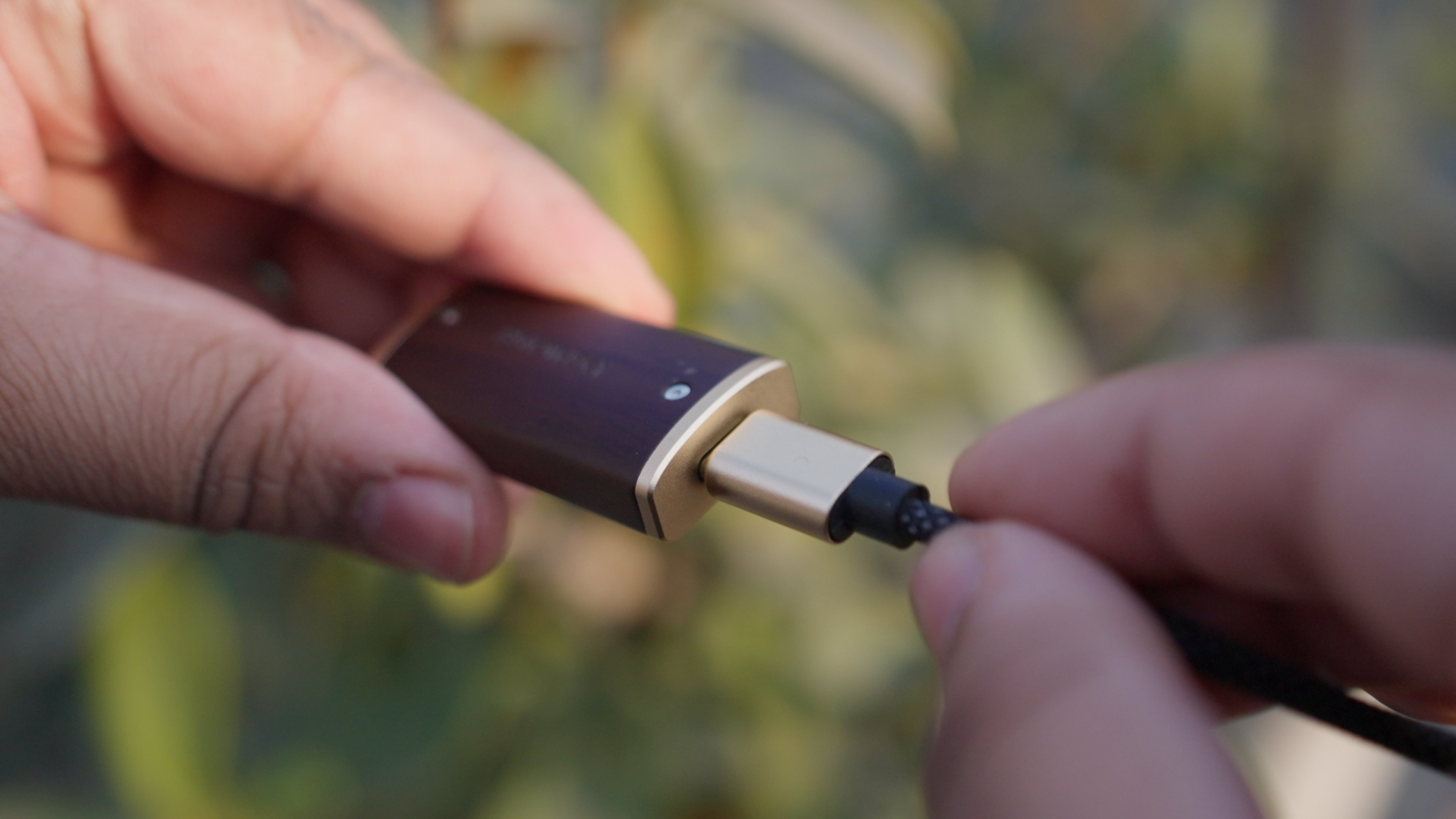
The build quality is also good for the price. The wooden shell and the metal plates on both ends feel solid and sturdy. One issue I found with the Melody is the slighly loose PCB; it isn’t mounted as securely as it should be, and it moves slightly when plugging in a Type-C cable. Fortunately, this didn’t affect the sound quality.

Still 2025-12-17 225725_2.4.1.jpg

Usability (Device and Fiio App)

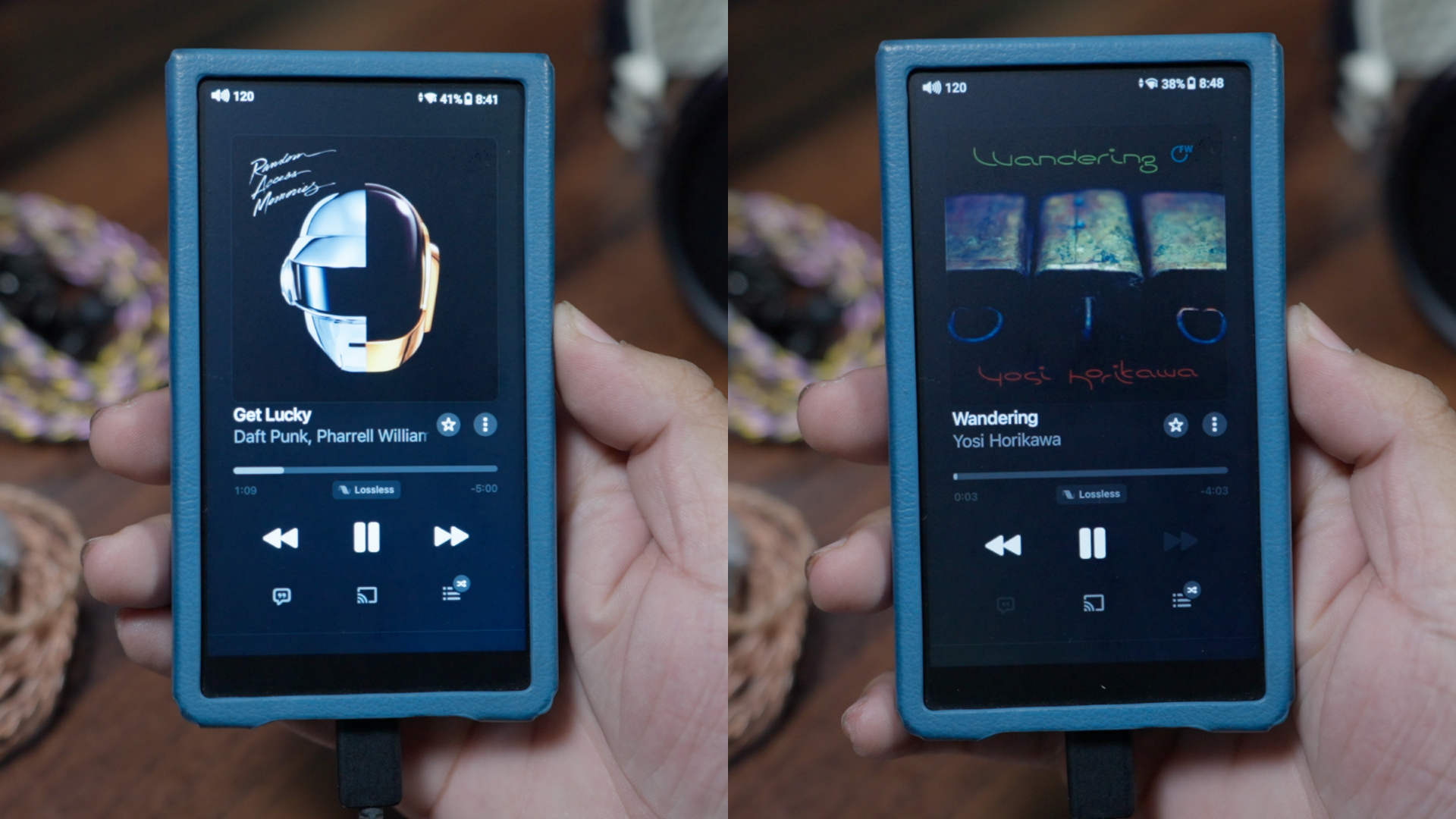
The user interface of the dongle is pretty simple; you can only change the volume using the volume switch, and there’s a small LED that shows the current sample rate, and that’s about it.

Still 2025-12-17 225725_2.5.1.jpg

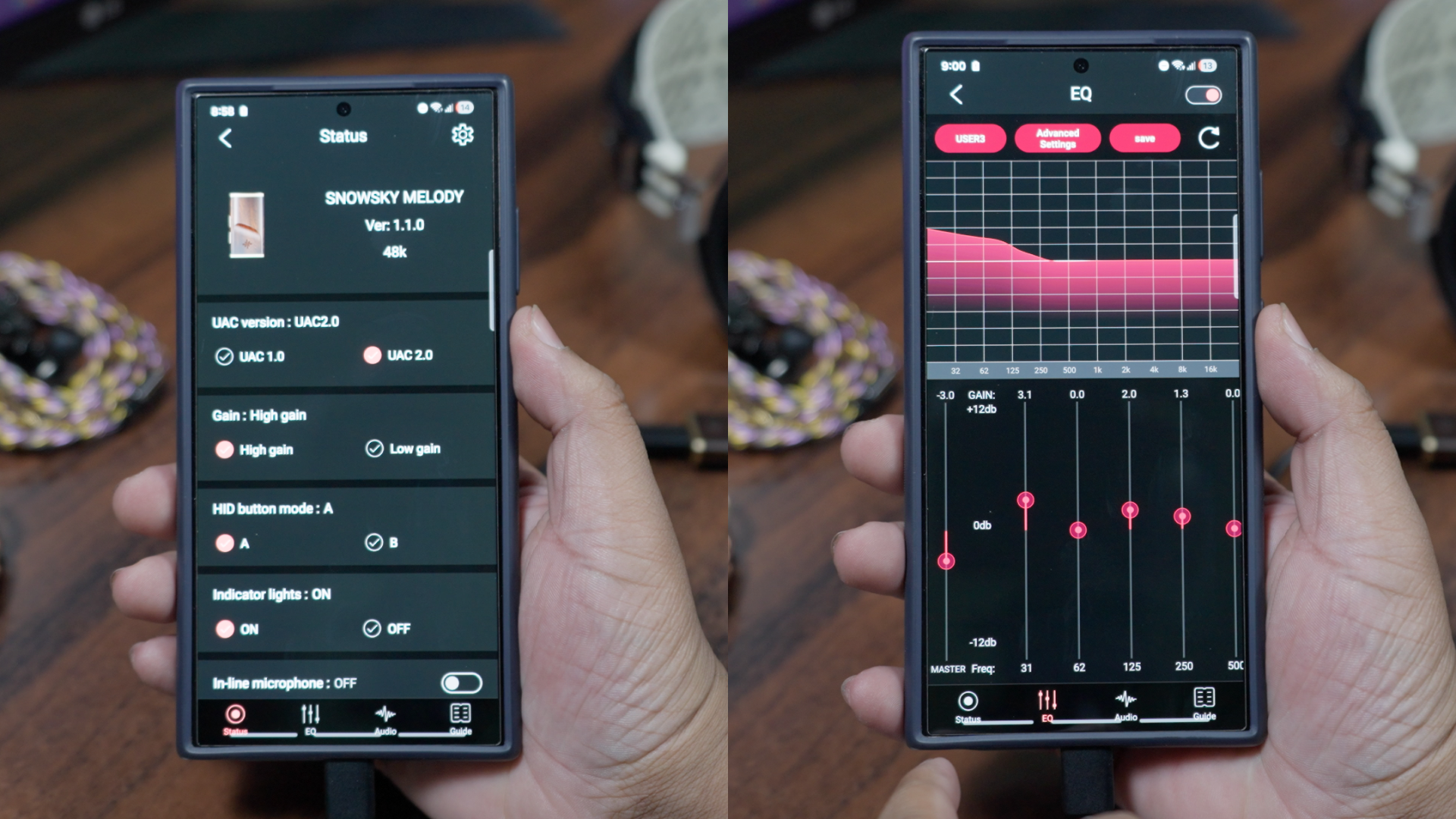
If you want to access any advanced functionality, you’ll need to use the FiiO app. Through the app, you can adjust all the basic settings, apply EQ, and change filters. The app itself is decently smooth and slick. It’s not the smoothest app out there, but it gets the job done.

collage 1.png

The coolest thing about the Melody and the FiiO app is the support for full parametric EQ, allowing you to fine-tune the sound exactly to your needs and taste. It’s one of the few dongle DACs in this price range that offers proper EQ support. Huge kudos to FiiO for that.

Power Consumption and Heat Management

The Melody handles both power consumption and heat very well. It’s very efficient, it sips power and doesn’t drain your source battery too quickly. Heat management is also impressive; it only gets mildly warm during extended use and never reaches an uncomfortable temperature.

Gears Used for Testing

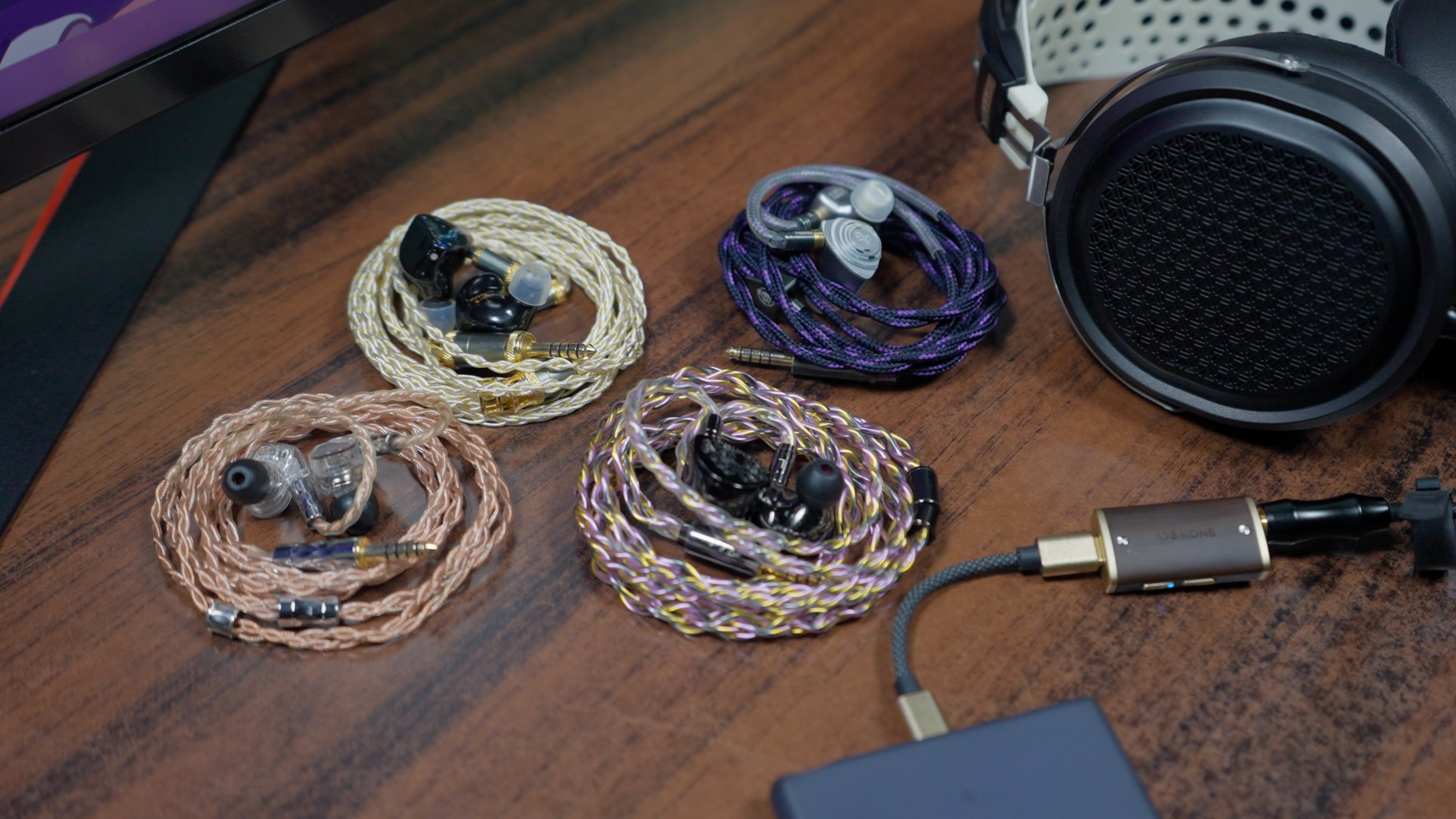
In terms of iems, I used Tanchjim Bunny, Zetian Wu Heyday, Elysian Pilgrim and hype 10. In terms of headphones, I used the Fiio FT1 Pro.

Still 2025-12-17 225725_1.18.1.jpg

Drivability

The Melody drove all of my IEMs, from entry-level to high-end, really well. When it comes to headphones, it handled them nicely too. It drove the FT1 Pro without any issues, and there was still enough headroom left for some EQ. For the price, I’m genuinely impressed by the driving power this small dongle delivers.

Sound

The sonic performance of the Melody is excellent. The overall signature leans mostly neutral with a touch of warmth in the lower mids. It sounds very natural, with no hint of digitalness or artificiality.

The bass is clean and uncoloured. The Melody handles deep sub-bass notes very well, offering good texture and rumble. Mid-bass thump is presented with solid impact and authority. Overall, the bass performance has great dynamics and weight, especially for this price point.

collage 2.png

The mids are slightly coloured with a hint of warmth in the lower mids, giving vocals and instruments in this region a nice sense of heft and body. I actually like this coloration because it prevents the mids from sounding lean or dry, yet it’s subtle enough that the Melody still pairs well with warm IEMs. The upper mids are presented faithfully, without any harshness or forwardness. Overall, the mids sound natural and realistic.

Treble is also well executed. It’s smooth yet well articulated, with a good amount of bite. The Melody represents this region accurately without boosting it or making the sound metallic and artificial just to fake extra detail. Treble extension into the air region is excellent; I didn’t notice any roll-off, and this extension gives the Melody a nice sense of space and openness.

collage 3.png

Detail retrieval and technical performance are very good for the price, and I would say they punch slightly above their weight. Macro-detail and dynamics are handled well, with a satisfying sense of punch, while micro-detail retrieval is also very solid. The staging has good width and depth, not huge, but appropriate for the price. Imaging and layering within that stage are handled impressively well.

Conclusion

FiiO has done a fantastic job with the Melody. It’s one of the best budget dongle DACs currently available on the market, genuinely amazing value. If someone asked me for the best dongle DAC under $50, I would recommend this without hesitation. It offers excellent sound performance, solid power output, and full EQ capability, which is extremely rare at this price.

collage 4.png

So, who do I recommend this dongle to? For new IEM users, this is a complete no-brainer. If you’re just stepping into headphones, say with something like the FiiO FT1 or FT1 Pro, and you’re looking for a budget-friendly way to power them, the Melody is also a good option. Just keep in mind that headroom with more power-hungry headphones won’t be as generous as it is with IEMs. If you plan to use EQ heavily or need more power, it might be worth saving up for something stronger. Overall, the Melody gets a huge thumbs up from me.

6 Likes

Interesting. Fine review.

Is the FiiO app on iOS and Android or just Android? Thanks.

1 Like

Seems to be on ios as well.

But even if not, you should be able to use their web app anyway.

3 Likes

It is on iOS, Paul! I use it with my BTR17 from time to time. It’s surprisingly usable. The PEQ works well enough and with the BTR17 you can save it on device, which is dope imo.

4 Likes

Intuaura Impact – Impactful Musicality

Preamble:

Intuaura is a small company that produces in-ear monitors. Interestingly, they specialize in single dynamic driver-based products, although they have one model, the Uniqueness, which uses a multi-driver setup.

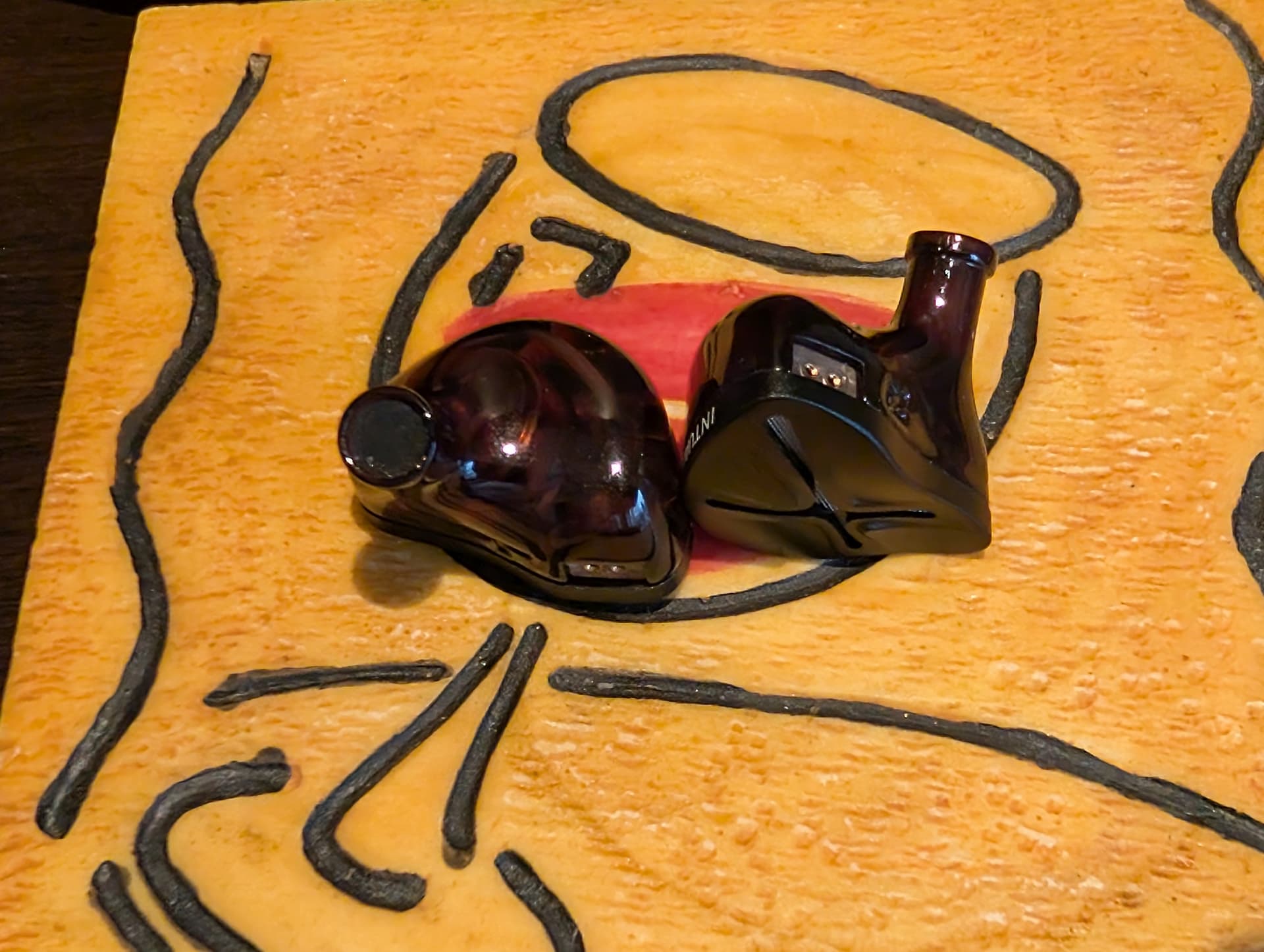
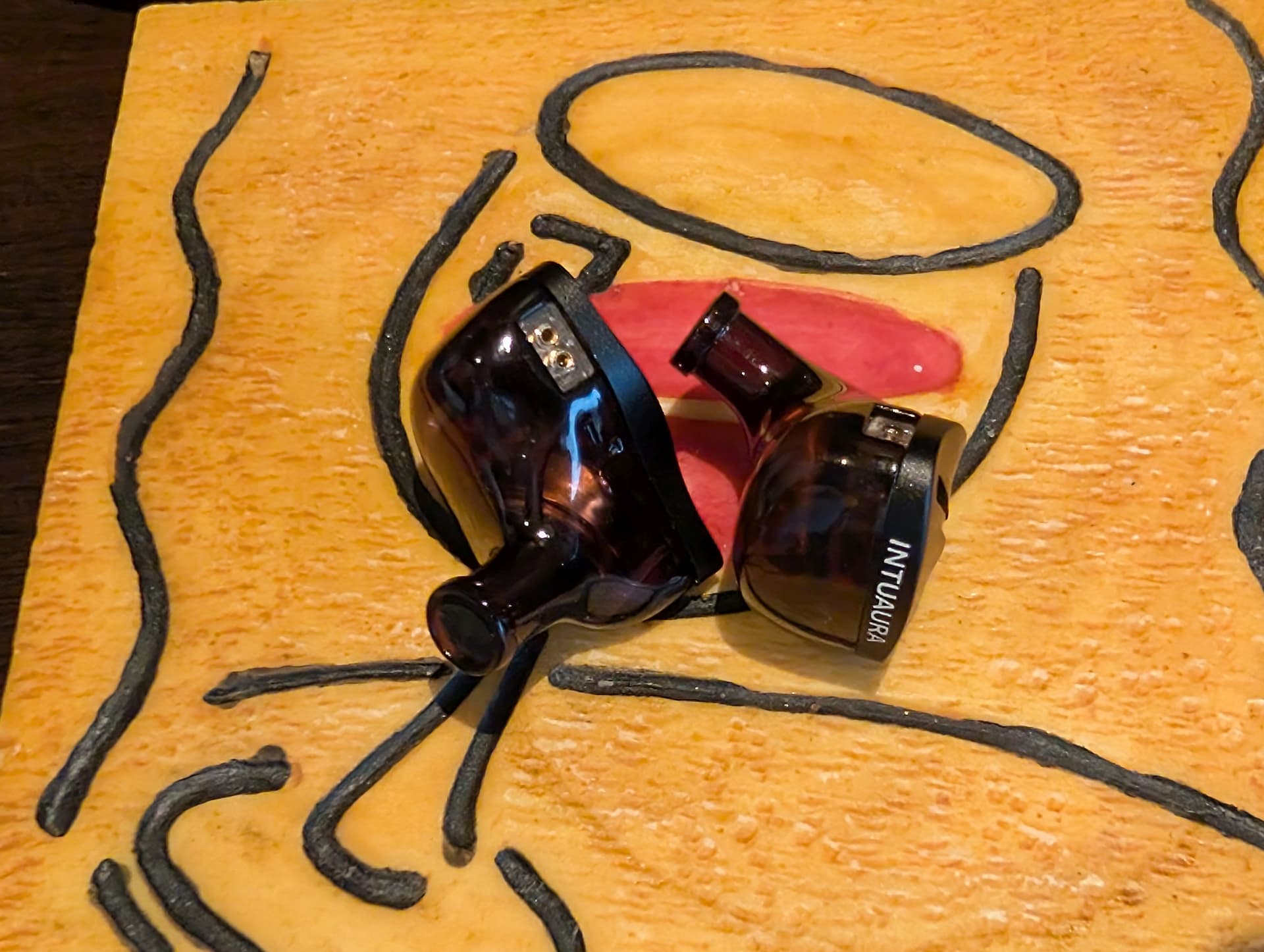
The $95 Impact uses a single 10mm dynamic driver housed in an attractive yet simple resin shell. The shell is remarkable for its design, which features a semi-open back. Internally, there is a dual-chamber resonator that houses the driver.

The Impact offers a V-shaped tuning with great poise and control., to such an extent that it is remarkable for the price.

Specs:

Driver: 10mm Dynamic Driver

Frequency Response: 20Hz – 20kHz

Impedance: 19 Ohms

Sensitivity: 123dB ±1dB @1kHz1kHz1kHz1kHz

Total Harmonic Distortion@1kHz1(T@1kHzD): @1kHz1% @1kHz

Build & Fit: (Did not receive the full retail box)

1. Beautiful, if somewhat basic design.

2. Build quality is very good.

3. Comfort and fit are excellent with its medium size.

SOURCES:

1. XDuoo XA-02

2. EPZ TP-35

3. Various dongles

SOUND:

Bass:

1. The bass digs deep with ample control.

2. Bass here is about quality over quantity, organic playback heard on double-bass.

3. Mid-bass has a touch more focus than sub-bass.

4. The sub-bass is very present when called for in the music. Nothing seems missing.

5. Mid-bass has notable clarity, speed and snap.

6. Bass does not bleed into the midrange.

Midrange:

1. Wonderful clarity, with a touch of warmth, particularly for male vocals.

2. Detail retrieval is very good, both macro and micro.

3. Vocals are engaging and immersive.

4. Lively and lush midrange presentation but no harshness.

5. Pleasing timbre and texture with a rich and engaging sound.

6. The tuning controls pinna gain without harshness.

7. Note-weight, density & timbre are natural.

8. Layering and separation are good.

9. Transients exhibit a rapid, impactful attack with natural decay.

10. Overall, the midrange has a pleasing presentation and is organic.

11. Balanced midrange with some mild upper-midrange presence.

Treble:

1. The treble is moderately well extended.

2. Fairly lively yet smooth treble with adequate sparkle and air.

3. Detail retrieval is good.

4. Nicely balanced.

5. The treble adds notable spaciousness to tracks.

6. Treble strikes a balance between safe and expressive.

The Intuaura Impact has a wonderfully natural sound that suits any genre. Bass is nicely present with pleasing density when called upon in the track. Listening to the “Mega Bass” cd from Frederic Alarie, I found the organic bass presentation more than pleasing. This is an album that features only stringed bass instruments, and the playback on the impact was, in a word, beautiful.

The midrange has ample clarity and is open with enough liveliness to engage immediately and enough detail to maintain the listeners’ attention.

Treble balances being safe and expressive. It offers a complement to the midrange, which, while a touch livelier than the treble, offers a seamless transition.

IMAGING & SOUNDSTAGE:

1. A moderately sized soundstage.

2. Instrument placement is stable within that soundstage with space around the instruments.

3. Well-balanced between dimensions, sounding natural in size and scope.

4. Notable instrument spacing and detailing.

5. Layering and instrument separation are good within that soundstage.

CONCLUSION:

The Intuaura Impact has been a great surprise. It, along with the Melody Wings Venus I had previously reviewed, has really impressed this jaded, opinionated music lover on how much impressive sound can be achieved for a modest cash commitment.

The level of natural and organic playback offered by this sub $100 earphone is in a word, startling.

The Impact suits all genres well, being also a versatile performer. For those looking to score a natural yet lively sounding set with good organics and a satisfying natural playback, the Intuaura Impact should be on your shortlist. It is a genuine contender for one of my best of 2025.

1 Like

I went for a really deep dive on this one . Loved It but it needs abit of time to dial it in and a deep eartips insertion.

Thank you HiFiGo and Binary Acoustics for the sample for the Canuck Audioholics Anonymous (CAA)

2 Likes

Melody Wings VENUS

4 Driver Hybrid. $168.00usd

  • Drivers: (3x) BA + (1x) DD

  • Impedance: 32 ohm @1kHz1kHz

  • Sensitivity: 108dB@1kHzmW @1kHz

  • Frequency Response: 20Hz-20kHz

  • Connector: 0.78mm 2-pin

  • Plugs: Interchangeable 4.4mm balanced, 3.5mm single-ended, and USB-C

  • Cable Length: 1.2m

:backhand_index_pointing_right:t2: Preamble:

Thanks go out to Melody Ears for providing the Venus IEM to the Canuck Audioholics for review.

Tone Deaf Monk

Kingnubian

Krustyol’Bastid

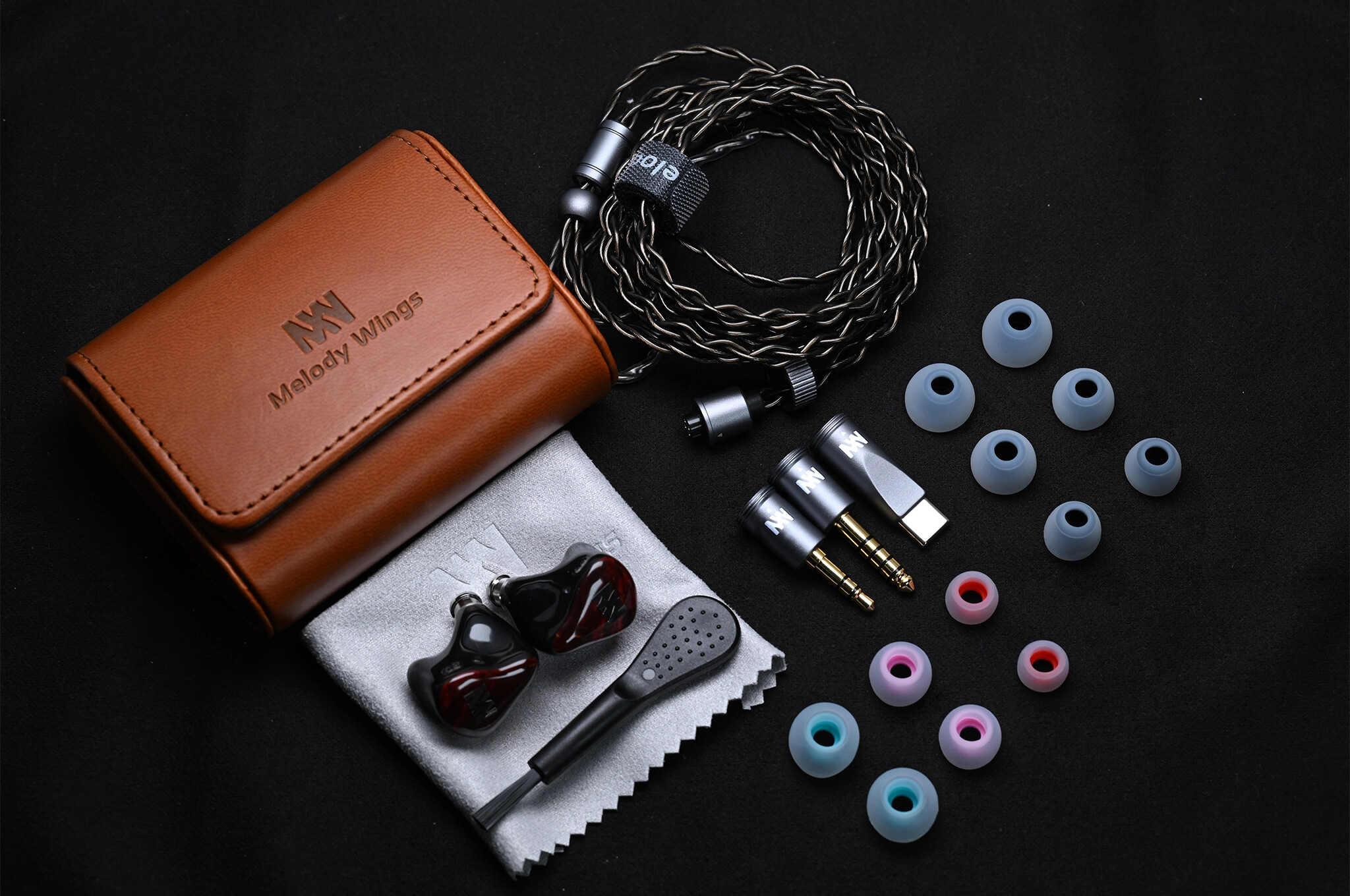
:backhand_index_pointing_right:t2:In the Box:

  • Melody Ears Venus IEMs

  • Detachable cable

  • Interchangeable plugs (x3)

  • Ear tips (two types)

  • PU storage case

  • Cleaning tool + cloth

See Photo.

:backhand_index_pointing_right:t2: Pros and Cons:

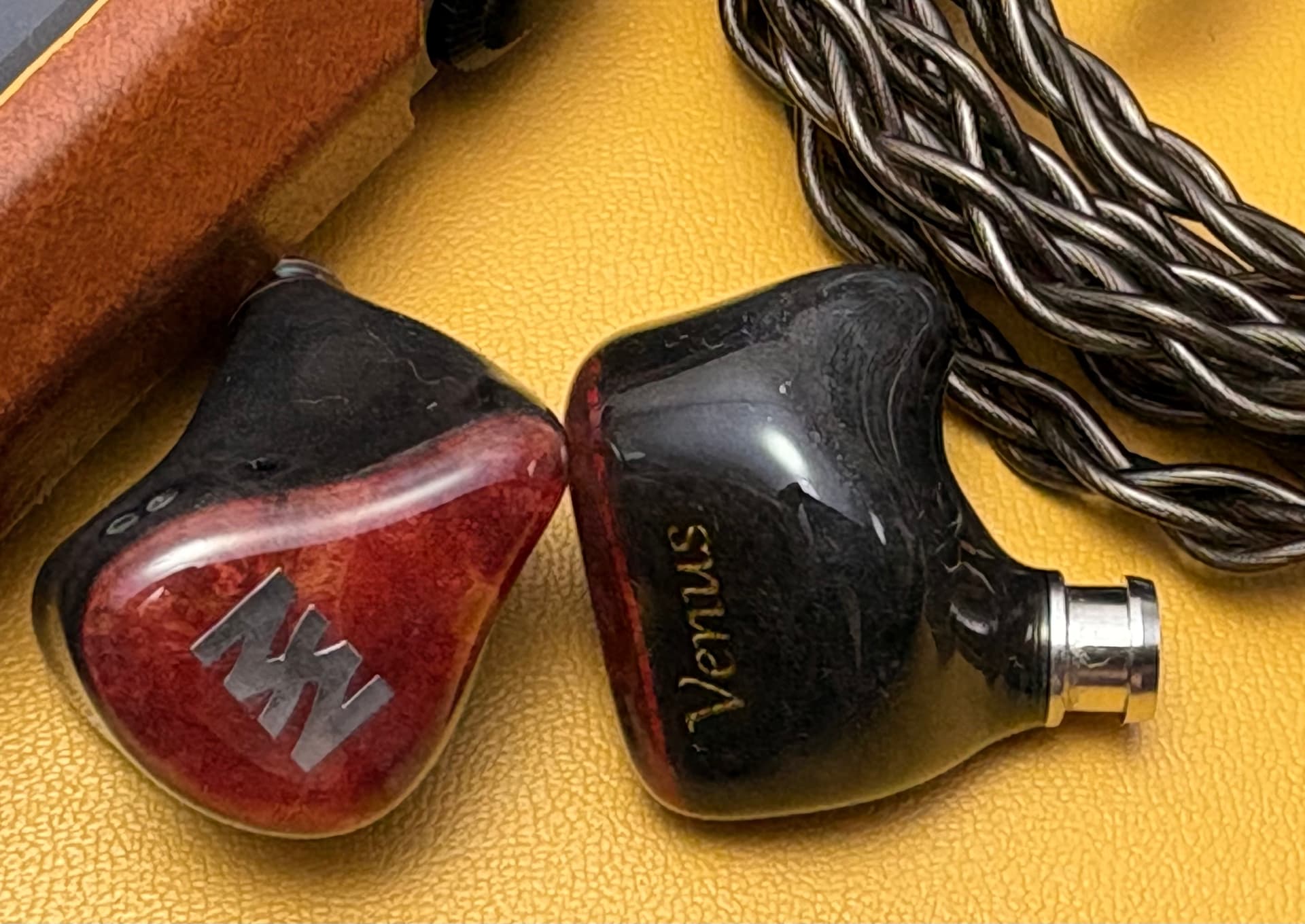
:blush: Vented, semi custom shells are commensurate with what we have come to expect from 3D printed resin shells, seamless and smooth with metal nozzles.

Fit is good for me. Mid sized with a mid point insertion depth and a moderate wing to assist with nozzle angle.

:blush: Modular silver plated copper cable is a supple, but somewhat average , 4 core offering.

It does include 3.5mm, 4.4mm, and USBc terminations.

:pensive_face: Unfortunately the tour unit arrived missing the terminations so I wasn’t able to use the stock cable for the review.

:blush: 10mm beryllium-plated diaphragm dynamic driver, 1 customized mid-frequency balanced armature driver, and 2 customized high frequency balanced armature units, are precisely managed via 3 way crossover.

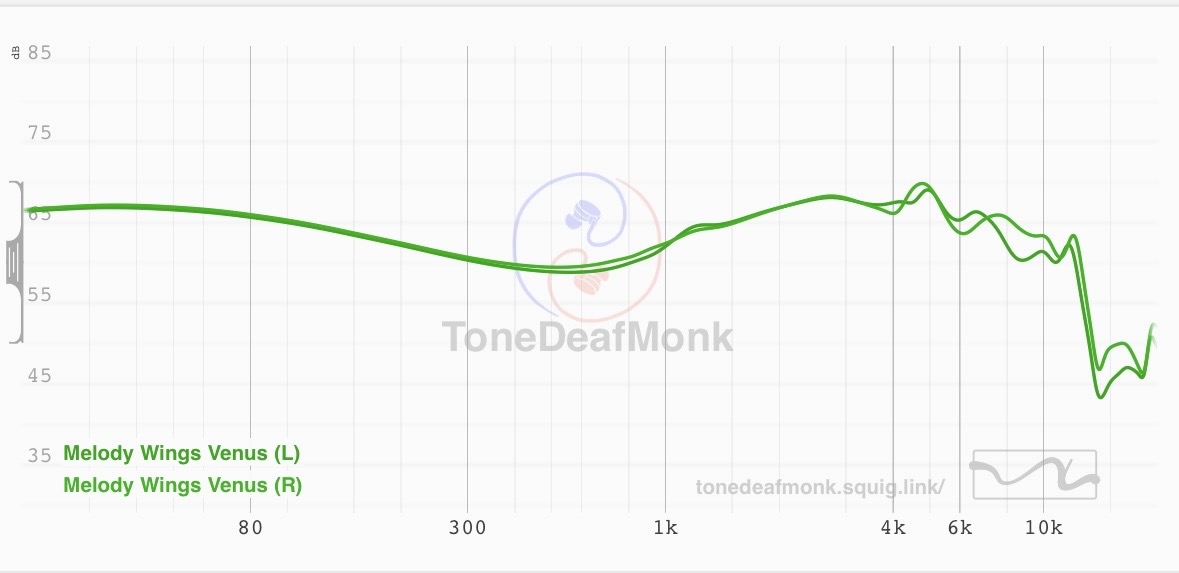
:blush: One of the smoothest and coherent sounding IEMs to cross my desk in awhile.

:blush: Easy to drive, a basic dongle or budget DAP will work well.

Individual source devices will impart their own unique personality to the sound.

:backhand_index_pointing_right:t2: Source Devices:

** FiiO JM21 - Warm and mellow, lacking some mids detail.

** Hiby R8ii - Also on the warm side, good mids detail and staging.

** Astell & Kern SP2000T - Bright, clean and resolving, excellent mids detail.

** Astell and Kern HC4 dongle paired with iPhone 16. - Articulate detail throughout, quick transients, opens up staging. Leans a bit toward monitor sounding.

Sound evaluation will be done on the SP2000T.

:backhand_index_pointing_right:t2: Equipment:

:headphone: Melody Wings Vulcan IEM, aged 100+ hours.

:headphone: Astell & Kern SP2000T, OP amp mode, 4.4mm out.

:headphone: KBear ST16 silver plated copper cable, terminated 4.4 balanced.

:headphone: Dunu SS wide bore ear tips.

:backhand_index_pointing_right:t2: Sound:

Playing the track Woofer Workout (Techmaster P.E.B.) the sub bass is authentically rendered and legitimately sounds like two small subwoofers in your ears.

Impactful mid bass holds its own alongside the sub bass, although sub bass has a slight edge when push comes to shove.

Overall bass presentation is textured, with good dynamics and decent definition between sub and mids.

Listening to Eden Atwood (He’s a Carioca) her vocals are moderately forward, but not overly elevated.

Crystal clear and precise with natural tonality.

Male vocals present the same, clear and accurate.

None of the mids are overly elevated, all instruments stay grounded “on the stage” so to speak.

There is still height to them, and accurate and adequate layering, they’re just not towering high in the head space.

Very good macro and micro detail here.

Listening to Poncho Sanchez (Poncho Sanchez Medley #2) just past the 3 minute mark trumpets and flutes get energetic and the flute bright, they rise high into the headspace. But never harsh or sibilant.

Melody Wings hasn’t tuned the treble out of Vulcan, but has kept it in control.

A similar experience listening to Allegro Molto Appassionato (Tiana Yang, Sinfonia Finlandia) A classical selection featuring violins that soar high and sweet. There is one point where the track gets busy and congests just a bit, but that’s a bit of a nitpick.

Staging is clear open and spacious, but leans more toward intimate than expansive.

Width left to right is just outside the head. Height top to bottom is very good when treble is present, but less height when the mids are prevalent.

Front to rear stage depth is good, but not out of the ordinary. Good head filling presence, but shy of truly holographic.

Summary:

Disclaimer: The Vulcan suits my personal listening preference exceptionally well, I really like this IEM.

So yes, this is a bit of a shill.

Melody Wings has brought to market an extremely good “all rounder” suited to a wide range of genre.

Great bass, with excellent but controlled mids and treble.

Enthusiasts that prefer certain frequencies enhanced may find themselves wanting, but those with a varied music library that want to hear it as recorded, the Vulcan is very worthy of consideration.

I can’t speak to world wide, but here in North America I could only find one vendor, located in the US, stocking the Vulcan.

Melody Wings doesn’t have them listed for sale on their website, but I reached out to their help desk and they confirmed they will sell direct to consumer. Just contact the help desk and they will get you set up.

For $168.00 usd

For me. Worth every penny of it :+1:t2:

:headphone: My music sources:

Qobuz, and, FLAC and DSD files stored on the SD cards of my daps.

My music genre are primarily Rock, Blues, Jazz, Symphonic, Country, Rap, R&B, Pop, Electronic.

Enjoy your music. :+1:t2:

3 Likes

Kiwi Ears x Z SERENE

Planar Magnetic, Closed Back, Over Ear Headphone.

$143.00 usd.

*DRIVER INFORMATION

72mm x 89mm Planar Magnetic Driver

*IMPEDANCE

50ohms±15% at 1kHz (DC)

*LOWEST RESONANT FREQUENCY

130Hz±20%

*SENSITIVITY

102dB±3dB (at 1kHz, Test Voltage: 0.179V)

*RATED POWER

10mW

*MAXIMUM POWER

20mW

*TEST FREQUENCY RANGE

20Hz–20kHz

*VOLTAGE

0.57V

*TOTAL HARMONIC DISTORTION (THD)

Less than 3%

:backhand_index_pointing_right:t2: Preamble:

Kiwi Ears has generously been supporting the Canuck Audioholics Review Group for some time now.

Our gratitude and thanks goes out, both for past support, and for the most recent piece of review gear to cross our desks, the Serene x Z over ear planar headphone.

Tone Deaf Monk

Kingnubian

Krustyol’Bastid

:backhand_index_pointing_right:t2: In the box:

  • Serene x Z headphone

  • Fabric wrapped cable terminated 3.5mm

  • User manual

  • Original box with molded styrene inner tray as storage case.

Unboxing is straight forward and simple, but has everything needed, except a proper storage case.

:backhand_index_pointing_right:t2: Pros and Cons:

:blush: Nice looking set, with decent build quality. Appears to be mostly plastic, including the headband, only the yokes and decorative ear cup inserts are metal.

Ear cups swivel 90+ degrees forward, and 5-10 degrees to the rear.

:pensive_face: Ear cups are small, they fit over my ears without issue, but I can feel contact points the full circumference around my ears. Fortunately I don’t find this an irritation or distraction, but for those who might, take note.

:blush: Overall fit is comfortable, ear pads are plush and comfortable, and clamping force is adequate to achieve a good seal, but doesn’t feel tight on the head.

Fit is personal and subjective, individual results may vary.

:blush: Stock 3.5mm cable is a nice offering. Flexible, with tightly woven, fabric wrapped strands.

:pensive_face: A 4.4mm termination option would be beneficial. Serene scales very well with extra power applied.

:pensive_face: This is a bit of a nit pick for me since I live in a temperate and somewhat dry climate. Ear pads are full pleather covering. A velour or micro fibre contact surface would be welcome to help reduce sweating.

:blush: Where it counts the most; sound, Serene performs very well, tight bass, excellent clarity in the mids, bright airy treble.

:backhand_index_pointing_right:t2: Source Devices:

** Note: Fellow Canuck Audioholic Bennett Kelly mentioned that taking advantage of the extra power from a balanced connection helped scale Serene nicely, and I concur with his finding.

BUT, all sound evaluation of the Serene will be done with the stock 3.5mm cable.

I rolled several source devices, and while the Serene does scale nicely with more powerful sources, it’s not a necessity. I will highlight a few of the devices below.

At 50 ohm impedance, and having a planar driver, Serene requires a bit more power than a typical IEM does, but a capable DAP will suffice. A dedicated headphone amplifier is a nice add, but not a necessity.

:headphone: Astell & Kern HC4 dongle/iPhone 16:

The HC4 is a non powered dongle, and paired to the iPhone, volume levels of 70-90% were needed to drive the Serene anywhere close to adequately.

Sound was good, but a bit lean/lacking fullness and body. Not quite enough to do the planar driver justice.

A powered dongle likely a better option.

:headphone: FiiO JM21 high gain:

Warm and smooth sound. Can max volume out without being too loud.

Very workable, but not making the most of what Serene has to offer.

:headphone: Hiby R4 mid gain:

Warm and smooth sound. Nice mids, clean clear treble. Drives Serene adequately on mid gain at volume levels 70-90%

:headphone: Activo P1: (no gain options)

Clear detailed sound, tight bass, highly detailed and clear mids, bright airy treble. Drives the Serene very adequately at 60-70% volume.

:headphone: Dedicated Amp or DAC/Amps like the Burson GT4 or Kaei Design Tap 1 Pro really bring out the best of Serene’s planar driver, but I opted to stay with a more moderately priced DAP for the review.

I’m split between the Hiby R4 and Activo P1 for the sound evaluation, I like the warmth of the R4, but also find the clarity and detail of the P1 addicting.

In the end, I chose the Activo P1 because I felt the brighter more resolving P1 better accentuates the quick transient strengths of the planar driver.

:backhand_index_pointing_right:t2: Equipment:

:headphone: Kiwi Ears Serene closed back planar headphone. Aged ?? hours, assume 50+ minimum.

:headphone: Activo P1 DAP, 3.5mm SE out.

:headphone: Stock Kiwi Ears 3.5mm SE cable.

:backhand_index_pointing_right:t2: Sound Evaluation:

** NOTE:

By personal choice the majority of my “just listening” time was done using a 4.4mm balanced cable paired to various capable source devices.

Sound evaluation is done “out of the box” using the stock cable

On the track Woofer Workout (Techmaster PEB) Serene’s Planar driver comes as close to competing with Dynamic Driver bass as I’ve heard.

Rumble pulls really low, but does decay a touch quickly and misses out on that lingering “ultra low” residual grumble that’s almost felt, rather than heard.

The acoustic double bass track George (Frederick Alarie) plays back flawlessly, each note thick and full with a natural resonance.

Cherish the Day (Sade, remastered) Mid bass is tight and punchy, and when the bass guitar edges in, the kick drum maintains its presence albeit slightly outmatched by the sub bass.

Overall an engaging dynamic bass presence that adds warmth to the mids, but knows its place.

Mids and vocals shine in the mid ranges.

Typical of planar drivers transients are quick and nimble allowing for clarity and individuality on vocals and instruments.

Robert Glasper Trio (No Worries) is a jazz track that gets “busy” but easily maintains “space between the notes”.

Each piano note is clear and individual,

Every drum and cymbal strike clean and distinct.

Beth Hart (Without Words in the Way)

Beth’s smoky voice stands apart, without sounding separated, clear concise and natural.

** NOTE: the mids benefit the most from more powerful source devices. More space between the notes, and enhanced clarity and detail, without become harsh.

Treble area has very good micro detail, mildly elevated in the head space. The quick transient response of the planar driver gives cymbals and high hats a good sense of individuality without becoming clinical sounding.

Listening to Violin Sonata in G major (Holland Baroque) the top registers of the violin soar high into the head space crisp and clear, without burying the harpsichord playing beneath it. Highlighting again the ability to allow individually, without loosing musicality.

Staging is very good overall.

Left to right stereo imaging is nicely outside the head. Top to bottom height is excellent due to the ability of the driver to pull sub bass low, and stretch ultra highs well into the top of the skull.

Front to rear stage depth is average.

I have always found planar drivers struggle with depth. They have improved over the years, and Serene demonstrates this improvement.

I’m still not hearing a true head filling front to rear sense of depth. But honestly it’s not something that detracts from the overall enjoyment of listening to this headphone.

Imaging and layering are precise and accurate, individual instrument placement is easily identifiable.

Summary:

Kiwi Ears has a winner on their hands with the Serene x Z Planar Driver headphone. I can find little to truly find fault with the sound reproduction capabilities of this driver. And so far as the physical nit picks, small ear cups and ear pad material selection, these may or may not be important considerations for other enthusiasts.

While it does require some decent power from your source device to push the driver to its full ability, it still drives reasonably well on lower powered sources.

FiiO JM21 is 245mw per side on SE out.

On high gain you can achieve volumes that are pushing too loud as you approach max volume. But due to the lower power output, you are missing out on some of the technical capabilities of the headphone.

ACTIVO P1 is rated 2Vrms per side at no load, which is useless information to me personally, but, the P1 drives the Serene to moderate listening levels at 60-70% volume with good technicals.

My personal experience is; while self powered dongles and lower powered DAPs provide an enjoyable listening experience, and mid powered daps will wake up the technical prowess of the planar adding extra clarity and detail in the mids and highs.

To really get the absolute most out of this headphone 700-800mw, or more, per side really wakes things up.

Swapping on a 4.4mm balanced cable is the easiest way to get more out of your available source devices.

At $143.00 usd I think the Serene x Z offers good value overall, so long as you have a source device that will drive it to your personal satisfaction.

It would be nice if Kiwi Ears had included a 4.4mm cable option to take advantage of balanced outputs, but the attainable technical prowess and overall musicality of this headphone is worth the price of admission.

:headphone: My music sources:

Qobuz, and, FLAC and DSD files stored on the SD cards of my daps.

My music genre are primarily Rock, Blues, Jazz, Symphonic, Country, Rap, R&B, Pop, Electronic.

Enjoy your music. :+1:t2:

2 Likes

Great review on the Venus it’s a winner

2 Likes

SOFTEARS RSV MKII
5 BA Driver IEM. $699.00 usd.

** Model: RSV-MKII
** Series: RS(reference sound)
** Sensitivity: 122dB/Vrms @ 1kHz
** Driver Configuration: 5 Balanced Armature Drivers
** Impedance: 70@1kHz (‡15%)
** Effective Frequency Response: 20-20kHz (IEC60318-4)
** THD: <1%@1kHz
** Frequency Response Range: 15-40kHz (1/4-inch free-field microphone, -3dB)
** Connector Type: 2pin 0.78mm)
** Shell: Medical-grade resin + CNC aluminum alloy + forged carbon fiber
** Stock Cable: 6N Oxygen-Free Copper, 4.4mm Balanced Plug +2-pin 0.78mm
** Connectors: Includes a 4.4mm to 3.5mm Adapter Cable

:backhand_index_pointing_right:t2: Preamble:
Sincere and gracious thanks to Softears for providing the Canuck Audioholics with the RSV MKii IEM for our listening pleasure, and review.
Tone Deaf Monk
Kingnubian
Krustyol’Bastid

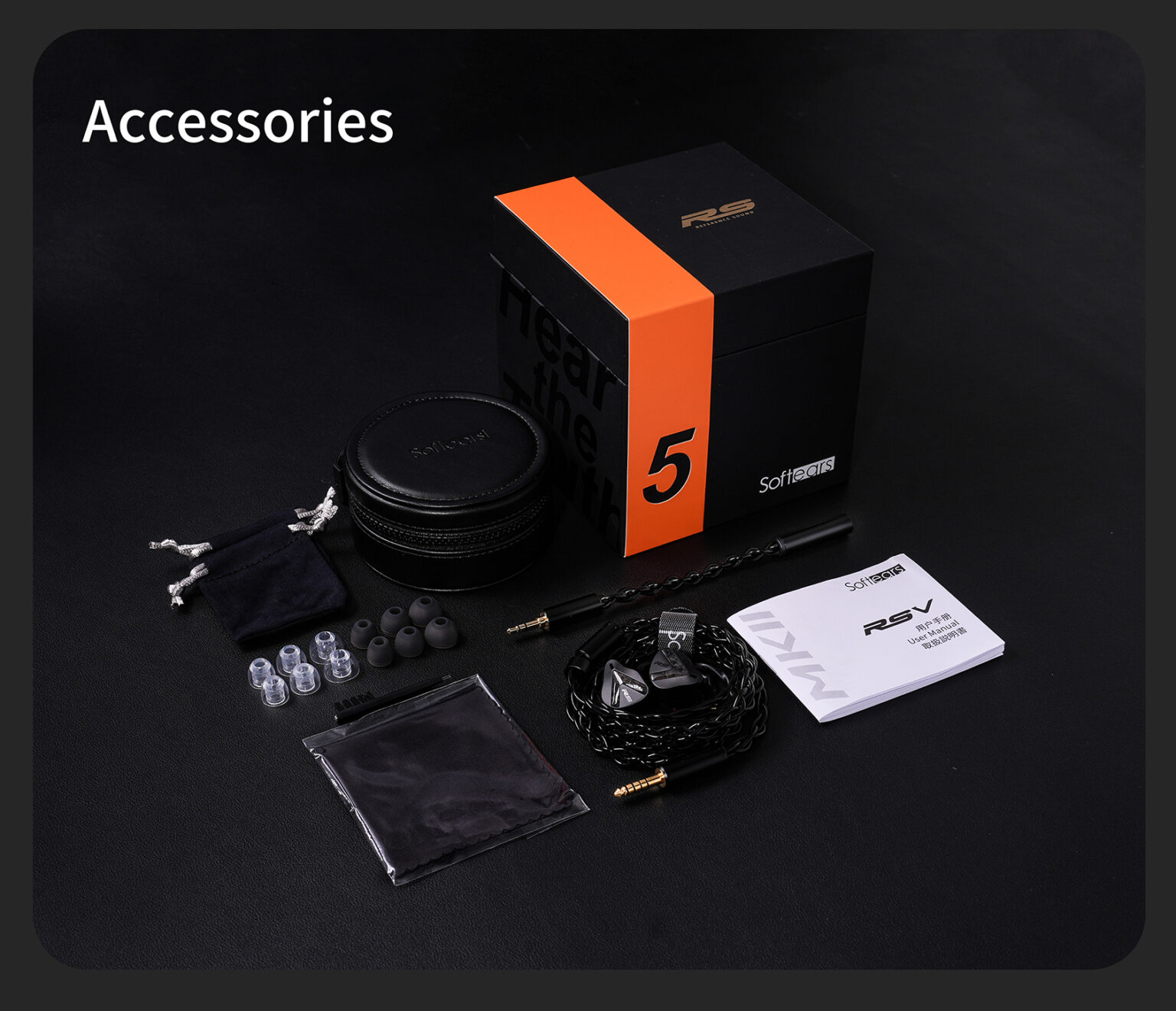
I didn’t receive the retail packaging with the RSV MKii. Just the ear pieces, cable, adapter cable, and carry pouch.
But it appears they come well appointed. (See photo)

:backhand_index_pointing_right:t2:Pros and Cons:
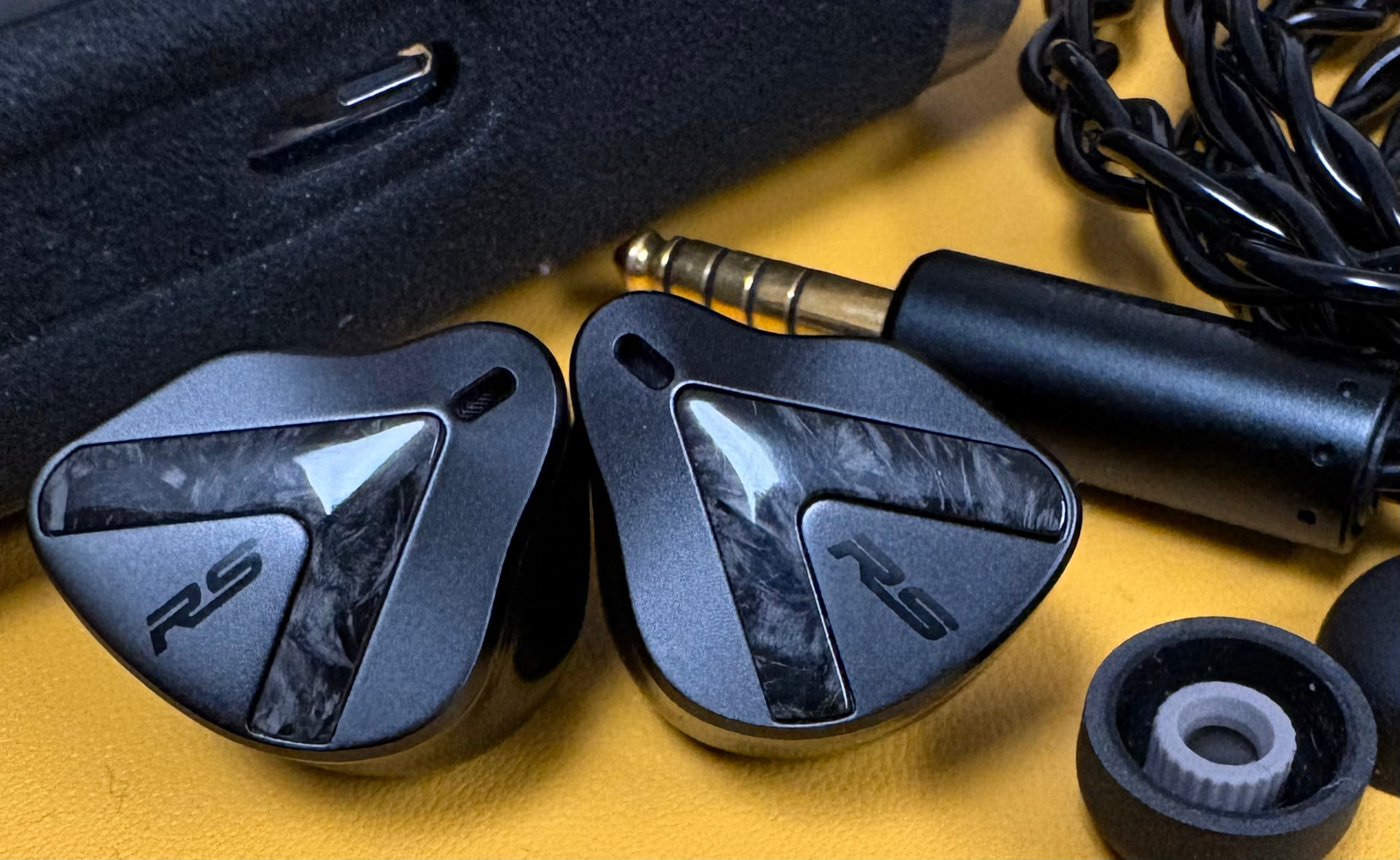
:blush: Vented at the faceplate, the 3D printed resin shells are mid sized, and feature an “anti-slip” lip on the nozzle. The aluminum alloy faceplates are adorned with a decorative carbon fibre “V” emblem.
Fit is excellent in my ears with a mid to deep insertion depth, and perfect nozzle angle for solid and secure anchor and seal.
Fit is of course subject and individual experience may vary.
:blush: Softears offers a few new innovations with sound chamber design, and a 4 tube, 4 way crossover tuning design. Detailed information on their website.
:blush: 4.4mm pure copper cable is a nice offering. Subtle in its all black appearance, it has a quality feel, is reasonably supple, doesn’t tangle easily, and has a usable chin toggle.
A 4.4mm to 3.5mm adapter is included.:pensive_face: Easy to drive, but somewhat source dependent.
:pensive_face: Tip rolling recommended.
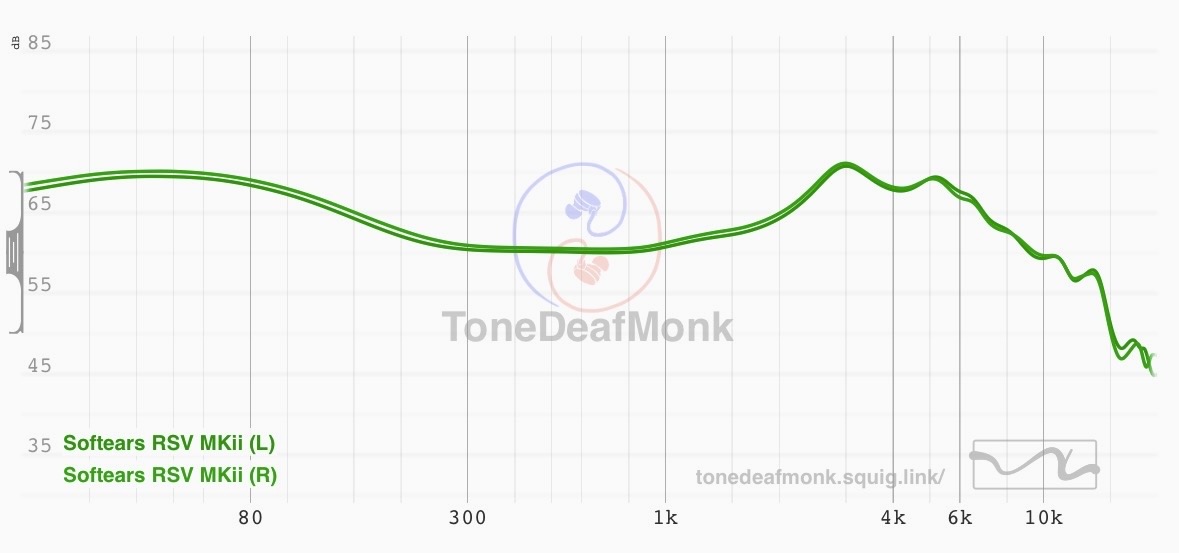
:pensive_face::blush: Pinna rise peaks around 3k. It’s not excessive but close to where my sensitivity lies. Not directly irritating for me, but found it mildly fatiguing on long sessions. This is a personal nit pick, but for others with mids sensitivities, take note.
Fortunately I was able to successfully counter it with source and tip rolling. :+1:t2:
:blush: Excellent bass, clear detailed and natural mids, nice treble energy.

:backhand_index_pointing_right:t2: Source Devices:
I rolled several source devices:
** ACTIVO P1 - Sounded thin across the board, mids were very detailed and forward.
** FiiO JM21 - Warmer than the P1 and not as thin sounding, but less detailed.
** Astell & Kern SP2000T - Very nicely detailed in the mids and highs, but bass was a bit muddy.
** Hiby R8ii - Deep rumble to bass, detailed mids have a nice warmth, good treble energy, great staging.
** IBasso DX340 with stock Amp15 - Harsh in the mids.

I choose the Hiby R8ii for the sound evaluation.

:backhand_index_pointing_right:t2: My Ear Tip Journey:
I have hard to fit ears, and most often my ear tip choice is guided primarily by what will provide a good seal and anchor.
I also typically default to wide bore tips. Something in my soul feels it’s wrong to block the sound path.
Because the RSV MKii fit so well I was less restricted, so I targeted the mids energy to bring it more in line with personal preference.

** Dunu SS, wide bore - Good mids and highs, bass a bit bloated.
** Eletech Baroque, extra wide bore (my current go to favorites) - Thin in the mids and highs.
** Final E series, small bore - Really deep sub bass, warmer mids, highs recessed.
** Final Fusion G, wide bore - Deep rumble to sub bass, tight impactful mid bass, warm mids, clear detailed highs.
** Note: for those not familiar with the fusion G tips, they are a mid/wide bore silicone tip with a thin layer of foam on the outside of the flange.

For me, the Final Fusion G was the clear choice on the RSV MKii.

:backhand_index_pointing_right:t2: Equipment:
:headphone: Softear RSV MKii IEM, aged 100+ hours.
:headphone: Hiby R8ii DAP, low gain, 4.4 balanced out.
:headphone: Stock pure copper cable, terminated 4.4mm.
:headphone: Final fusion G hybrid silicone/foam hybrid wide bore ear tips.

:backhand_index_pointing_right:t2: Sound Evaluation:
Sub bass will serve up a deep rumble or boom when called upon. But I don’t perceive it as pulling really low in the head space. More on stage, than along the floor.
But, it can, and will, rattle your skull with some volume applied.
Mid bass is tight and impactful, good definition between sub and mid bass.
On the acoustic double bass track George by Fredrick Alarie the resonance of individual string plucks does decay moderately quickly. But overall clarity, tonality and accuracy is excellent.

Mids and vocals are crystal clear, highly detailed, accurate and natural.
When dialed in with the source device and ear tip pairing of choice.

The FR graph certainly indicates the treble and ultra highs take an early nose dive.
The upper mids do carry most of the load for the high end, but surprisingly, the RSV MKii does manage some nice sparkle and air with cymbals and high hats etc. elevated up and above, higher in the head space.

Staging may get an assist from the R8ii DAP, it puts up a nice stage on its own.
If it does offer any advantage, the RSV MKii takes full advantage of the opportunity.
Quiet background, with an open spaciousness provides plenty of room for individual instruments to shine.
Size wise, I wouldn’t call it overly expansive, and certainly not intimate, but rather somewhere nicely in between.
Good width left to right with excellent and precise stereo imaging.
Good height top to bottom offers very good layering.
And above average front to rear stage depth provides a nice head filling atmosphere.

:backhand_index_pointing_right:t2: Summary:
My initial impression of the RSV MKii was an IEM with excellent clarity and detail throughout but also musical, maybe just a touch thin or lean.
With some source and tip rolling I was able to shape the RSV MKii into an IEM that suited my preferences very well, and had no desire to take them out of my ears.

It’s a good all rounder working very well with every genre I auditioned on it.
Perhaps not ideal for extreme sub bass focused genre due to the bass not pulling really low.
But I found it an excellent fit for classical, symphonic and jazz music.
And very good for everything in between.

At $699.00 usd, it has to be an IEM you would naturally reach for and want to have in ear.
For those who have a few source devices available, or those willing to EQ a touch to dial it in to personal preference, there is a strong chance many would find the SoftEars RSV MKii a desirable addition to their collection.
I know I would.

:headphone: My music sources:
Qobuz, and, FLAC and DSD files stored on the SD cards of my daps.
My music genre are primarily Rock, Blues, Jazz, Symphonic, Country, Rap, R&B, Pop, Electronic.

Enjoy your music. :+1:t2:
5 Likes

Nice one , I have to try those tips more as well.

1 Like