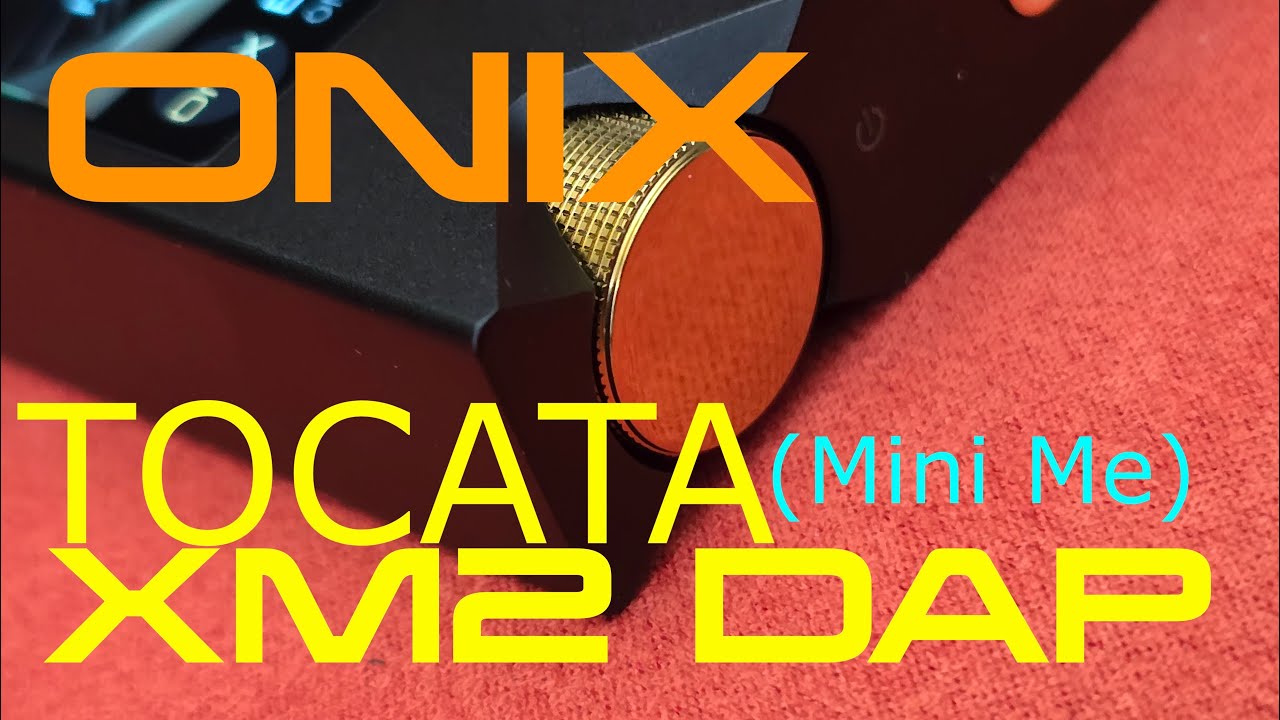
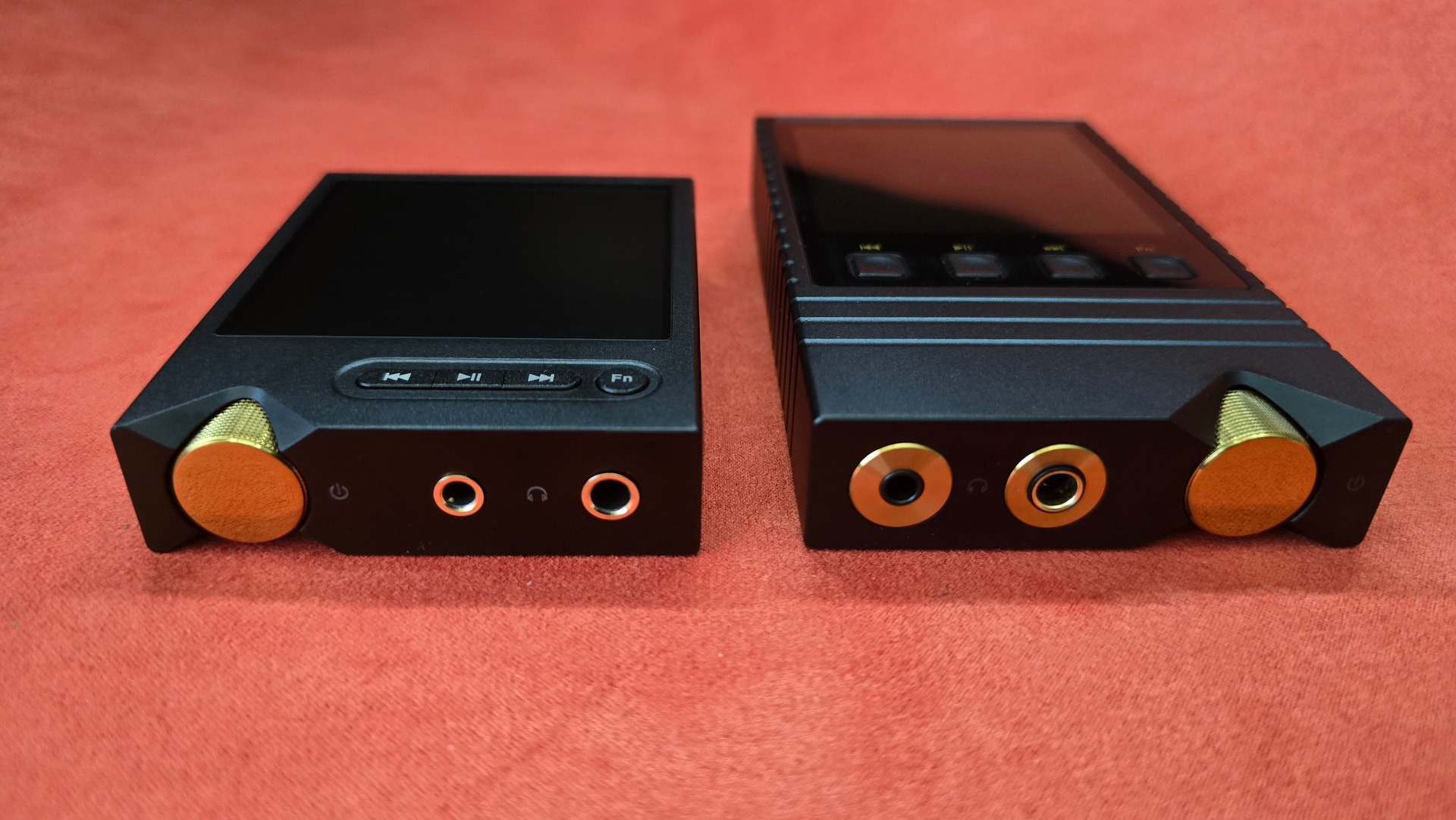
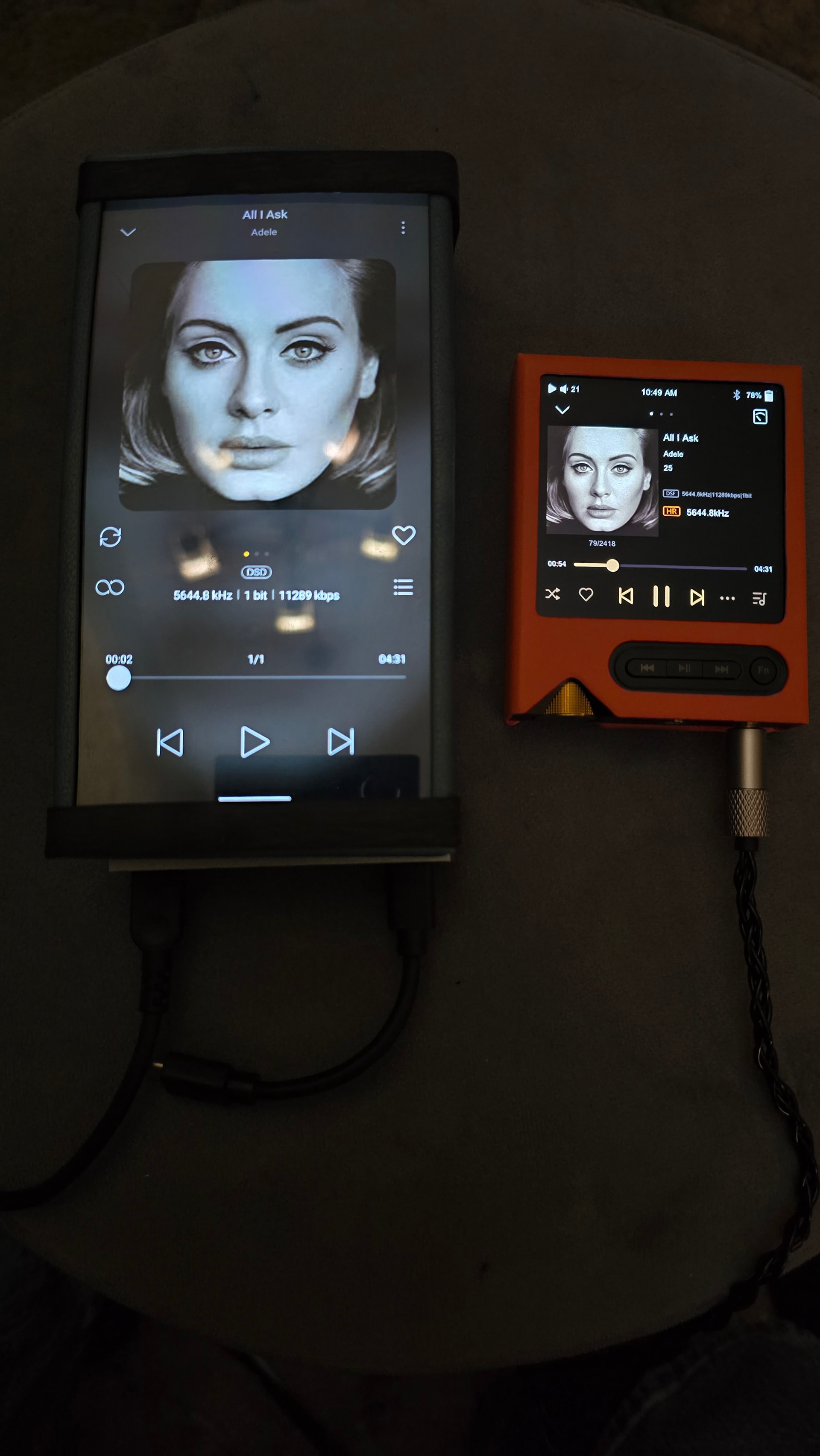
Well well Mini Me is actually better for me than the Big Brother XM5 what a huge surprise.
The XM2 is really a pocketable powerhouse of clean sound


!
Well well Mini Me is actually better for me than the Big Brother XM5 what a huge surprise.
The XM2 is really a pocketable powerhouse of clean sound
!
What a mind blowing trip of a IEM - the most Un IEM … IEM
IBasso Audio slayed with this one 2 years in the making and it’s Flagship Level Fantastic and it better be for $3499!
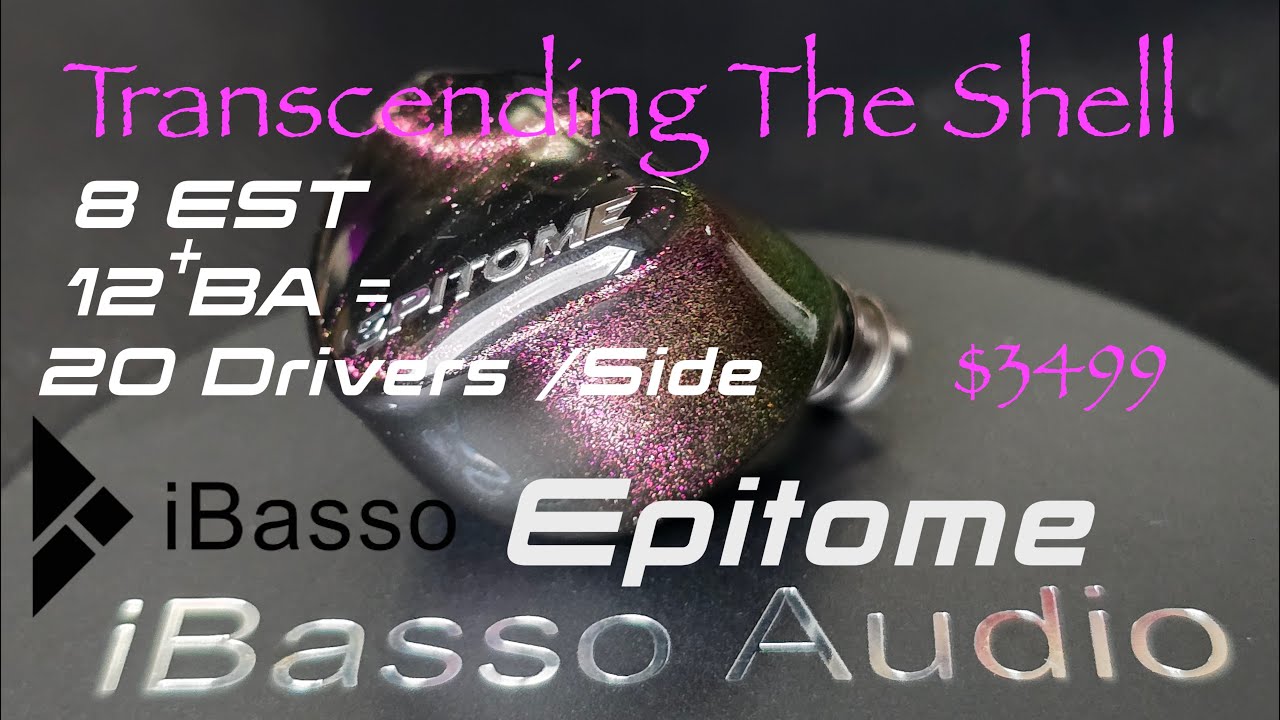
The Epitome has a unreal holographic stage that wraps around you , you truely feel you are listening to a surround sound speakers system.
20 of the very best drivers are inside each shell that are simply magical.
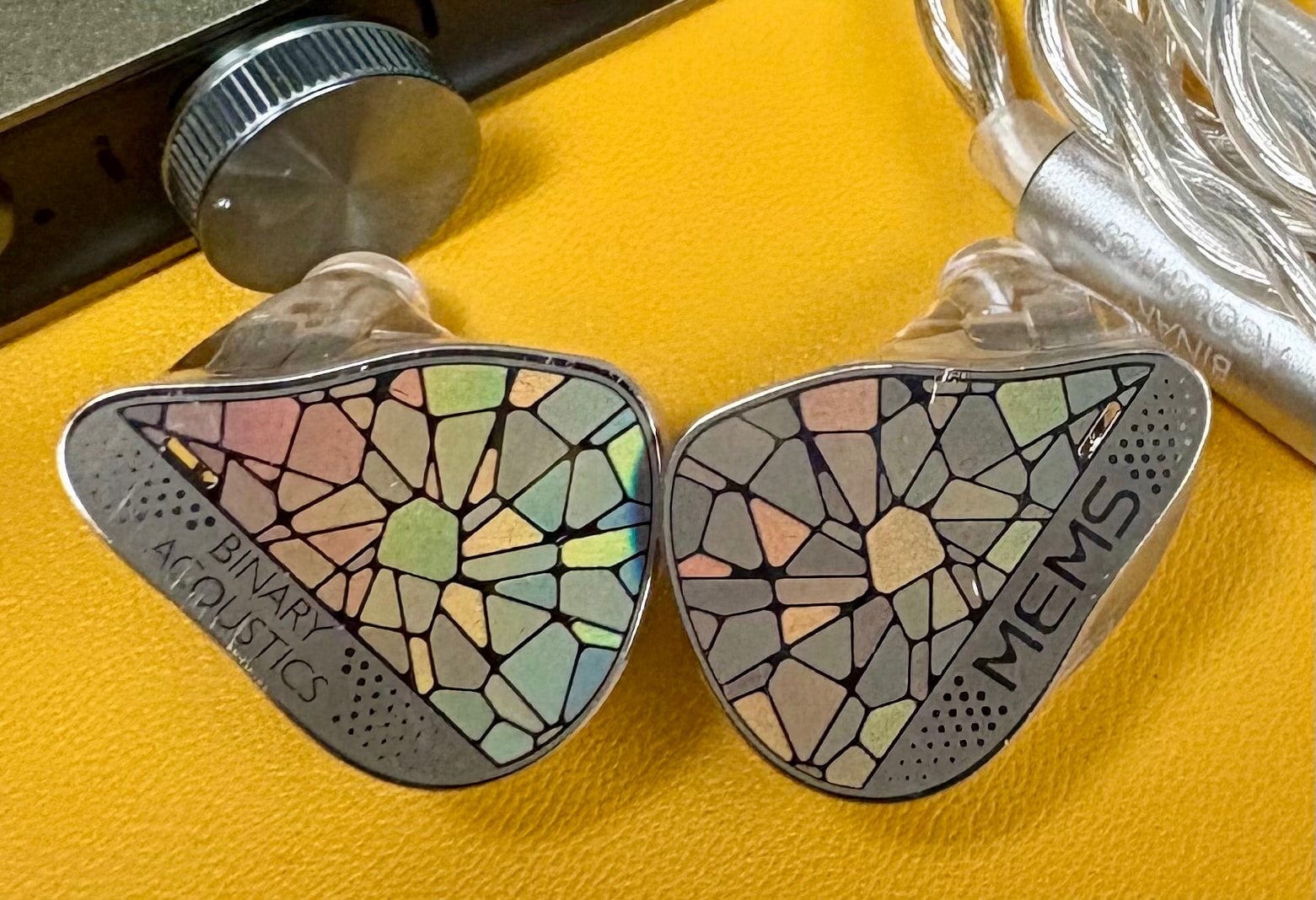
BINARY ACOUSTICS EP321 MEMS
6 Driver Tribrid IEM. $309.99 usd.
SPECIFICATIONS:
>Driver Setup: 10mm DD+ 6mm Passive Diaprhagm+3BA+1 MEMS.
>Impedance: 13Ω@1kHz.
>Sensitivity: 122dB/Vrms.
>Frequency Response: 8Hz~40kHz.
>THD+N: <1%.
>Connector Type: 0.78mm 2-Pin.
>Termination Plug: 3.5mm/4.4mm.
>Weight: 7.5 grams.
 FEATURES:
>World’s First Direct Drive MEMS Hybrid IEMs.
>Six-Driver Tribrid Setup Each Side.
>Dual Dynamic Drivers(1 Active+1 Passive).
>Three Balanced Armature Drivers.
>One Direct Drive MEMS Driver Unit.
>Professionally Designed Three-Way Frequency Crossover Design.
>Strong Details, Rich Tonality, Engaging Sound Profile.
>Exciting Design With Stainless Steel Face Panels.
>Face Panels have Irregular Geometric Elements.
>High-Precision 3D Printed Ear Cavity.
>Easily Swappable Detachable Cable.
>Standard 0.78mm 2-Pin Connectors.
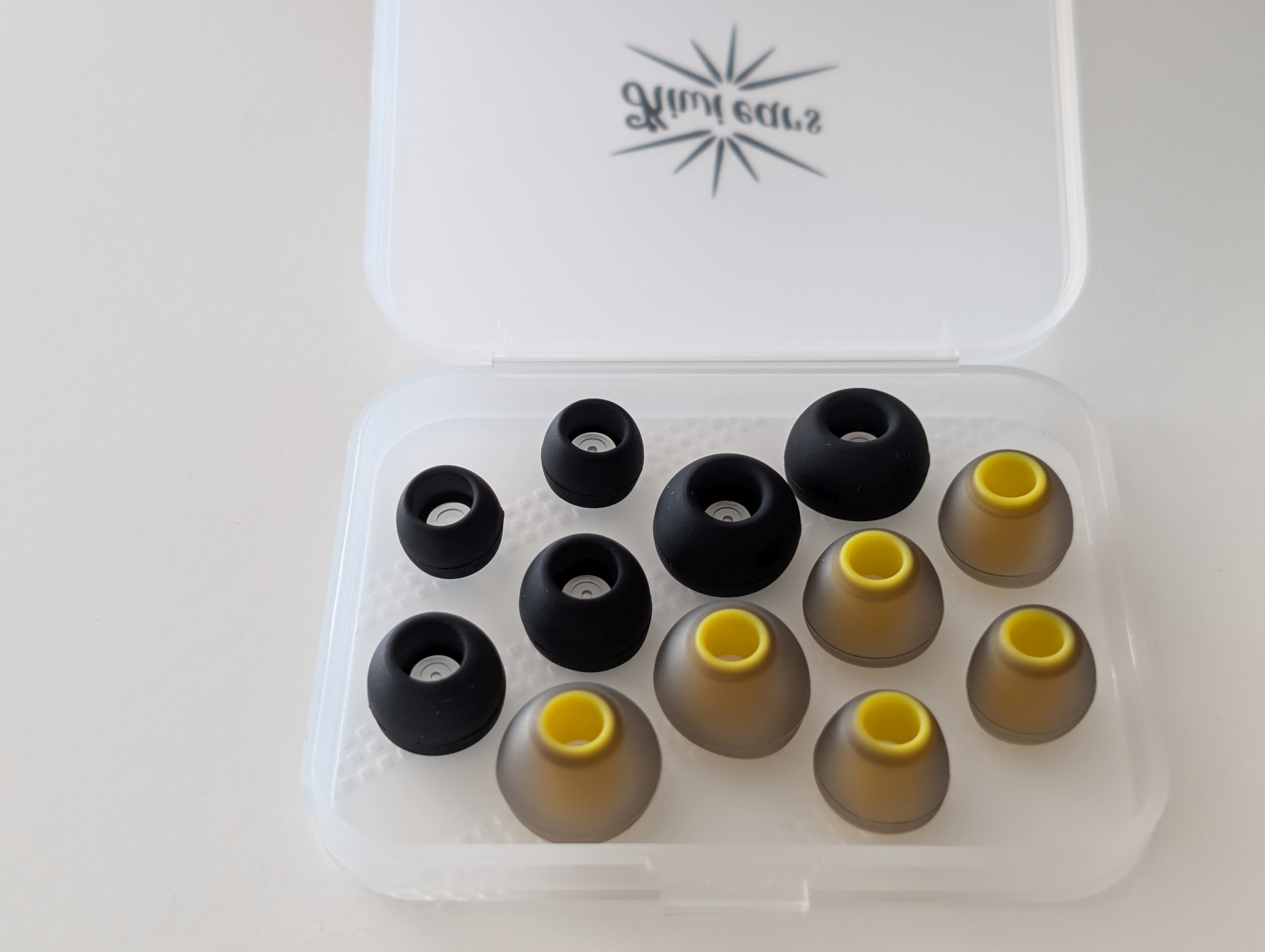
>High-Quality Stock Ear Tips.
Preamble:
Thanks go out to Binary Acoustics and HiFiGo for generously providing the EP321 MEMS IEM for review, and personal enjoyment, for the short time it’s on our desk.
Tone Deaf Monk
Kingnubian
Krustyol’Bastid
I didn’t receive the retail packaging, but the IEMs, carry case, and cable appear to be quality offerings.
Pros and Cons:
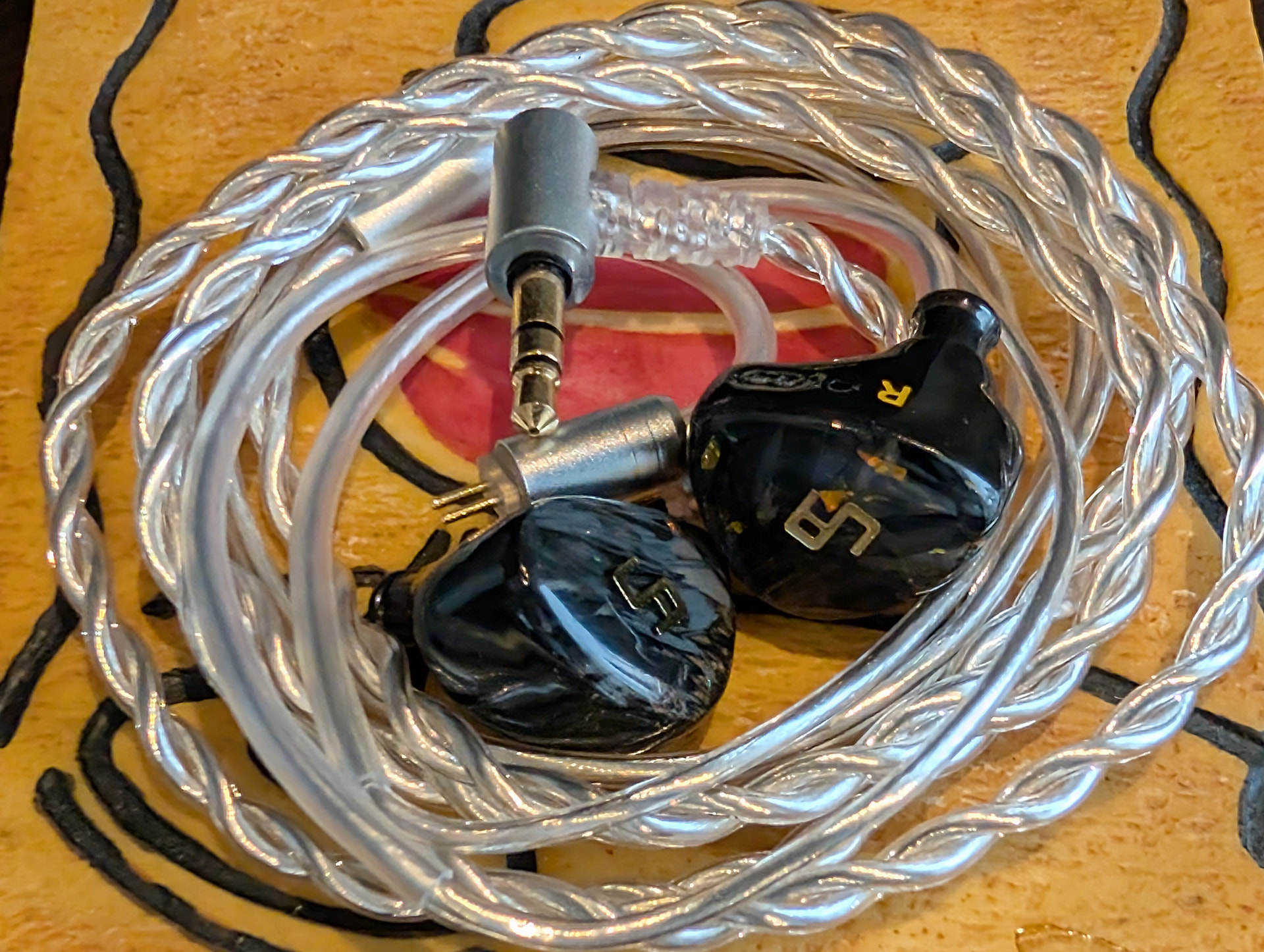
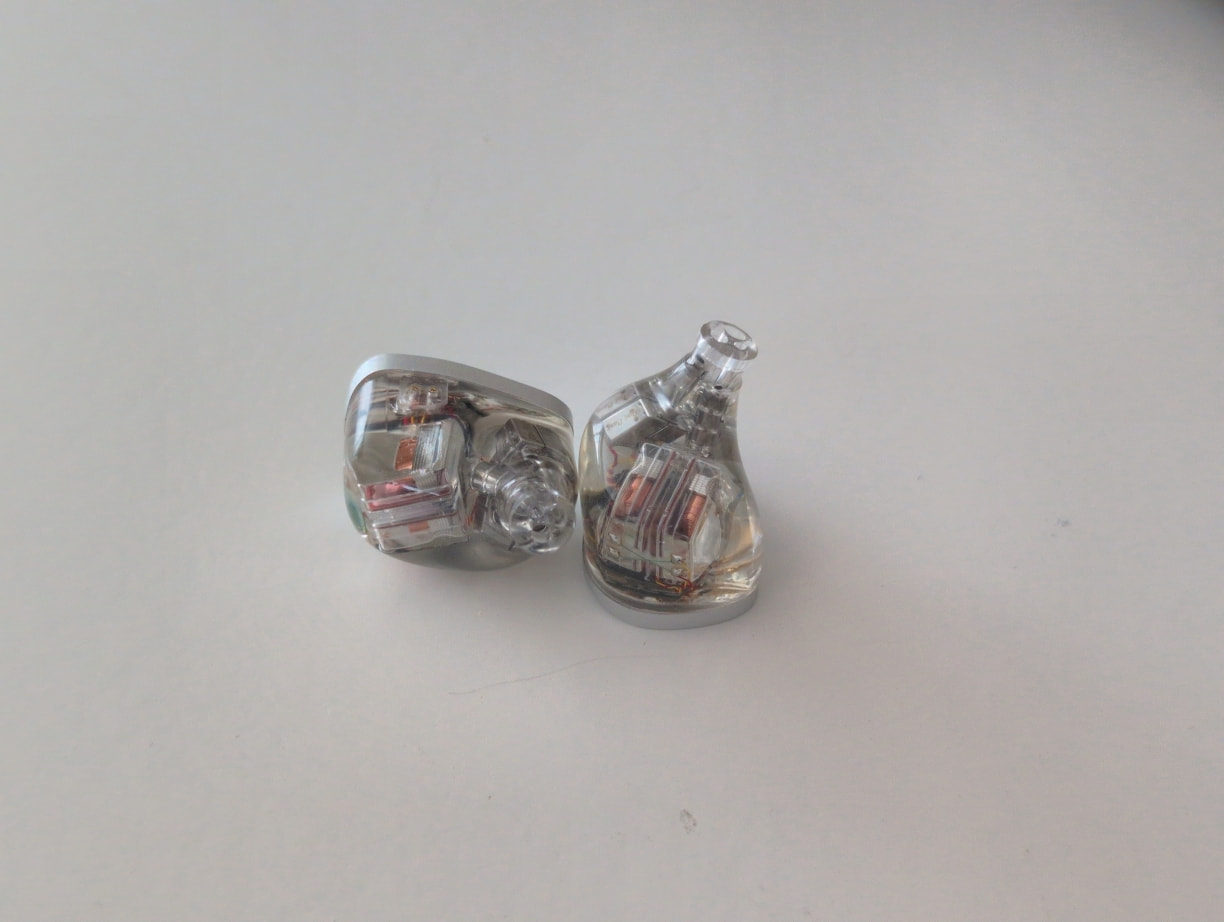
 Vented, Clear resin shells with stainless steel faceplates are commensurate with current high quality 3D printing standards. And allow a glimpse at the driver array.
Fit is very good in my larger ears. Nozzle angle is good and I easily get a comfortable and secure anchor and seal. Personal fitment is of course subjective.
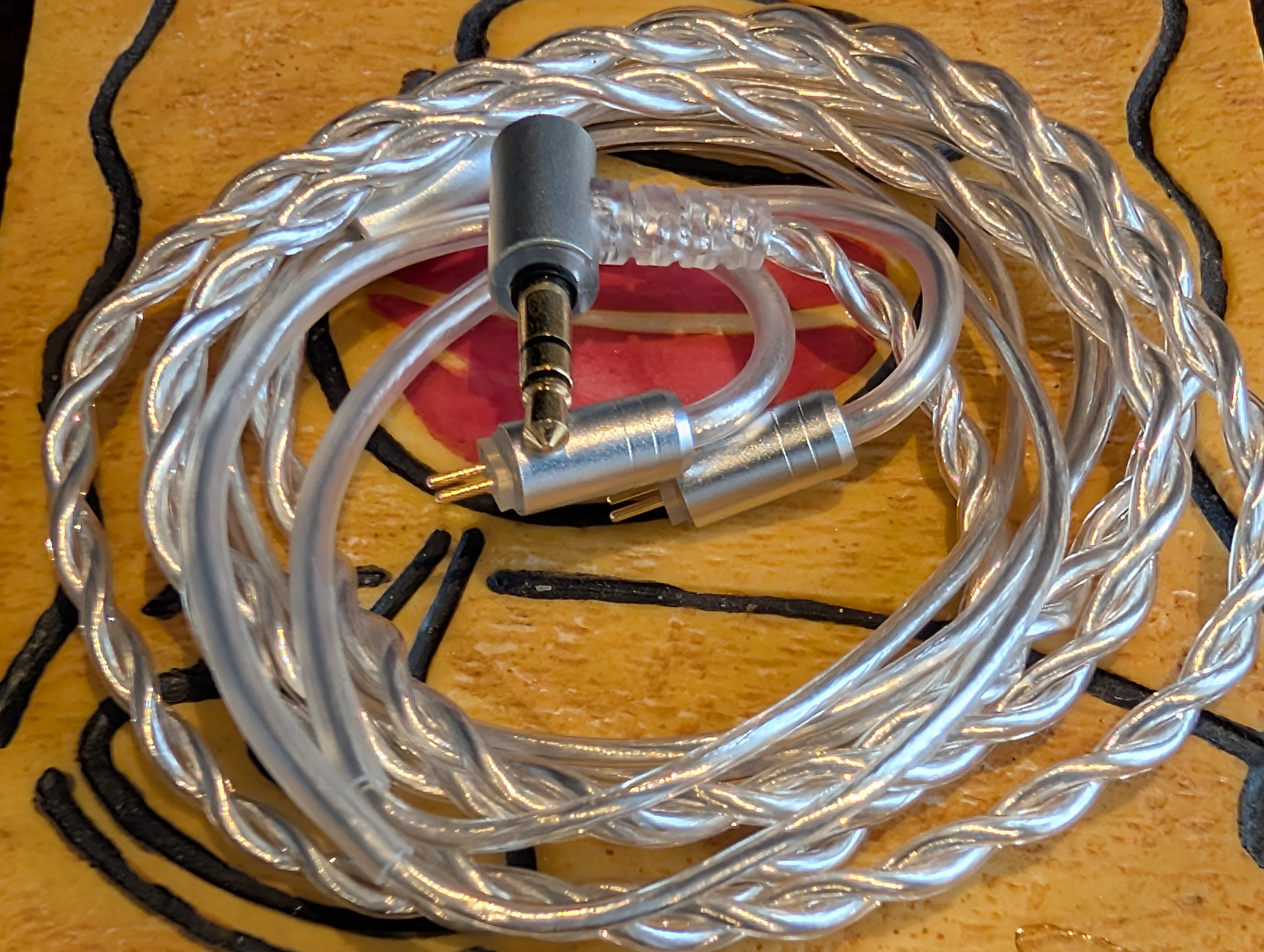
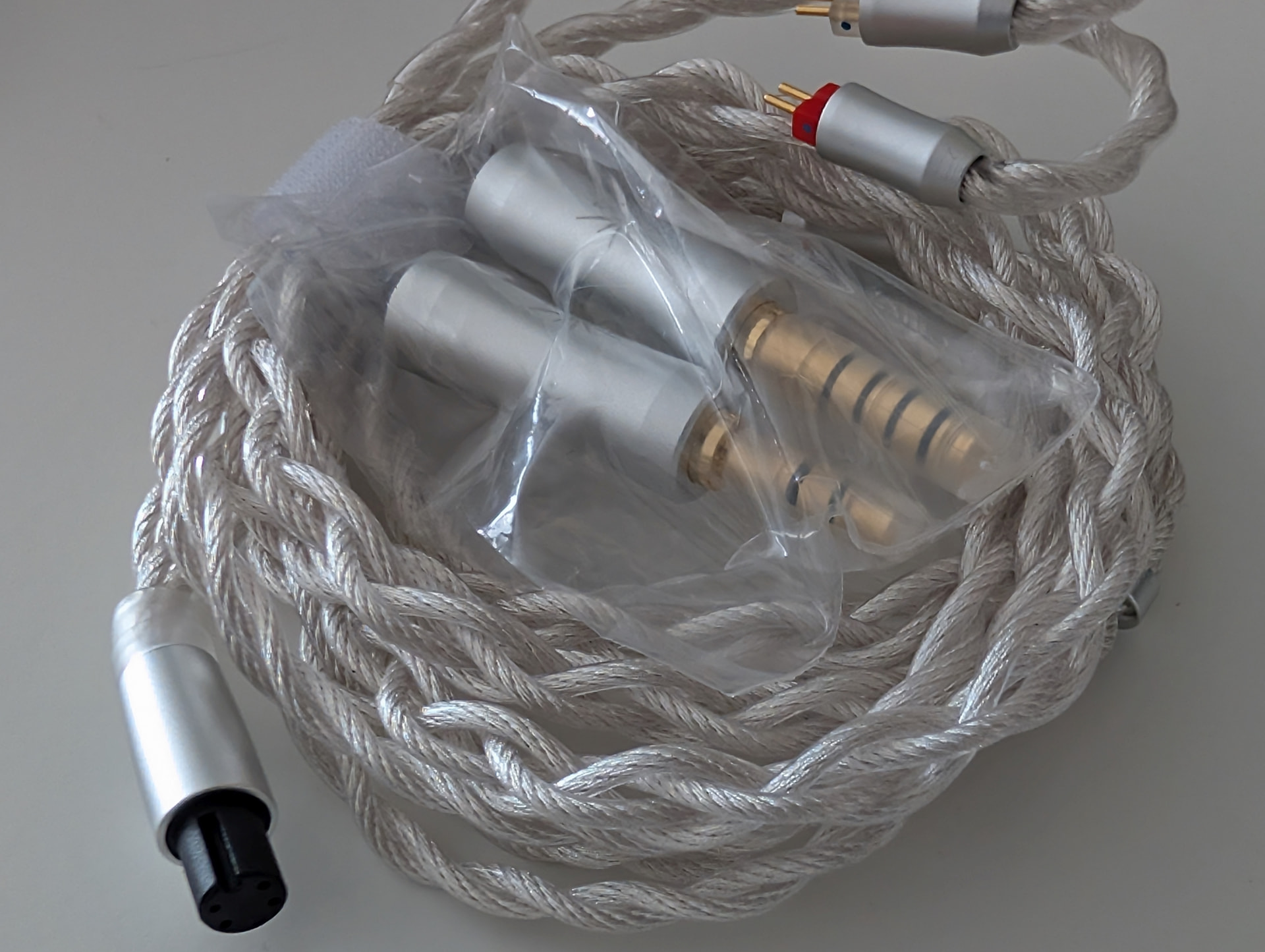
Cable is two core, silver plated copper, with a mix of metal encased and plastic fittings. Choice of 3.5mm or 4.4mm termination available at checkout.
 Chin toggle doesn’t stay in place.
Direct drive MEMS driver doesn’t required a separate amplifier. This driver effectively adds nice sparkle and air to the mix.
Excellent clarity, detail, and separation. Good bass, exceptional mids, decent upper end.
Source devices:
I rolled several source devices and found that my personal preference lie with warmer source devices. The EP321 is already clear and detailed and I found brighter/resolving sources pushed the EP321 too far that direction.
In the end my two favourites were the Hiby R8ii and the IFi Hip DAC 3 paired to my iPhone 16.
I chose to use the Hip DAC 3 for the sound evaluation.
Equipment:
 Binary Acoustics EP321 MEMS IEM, aged 100+ hours.
iFi Hip DAC 3 paired to iPhone 16. 4.4mm out.
Stock silver plated copper cable, terminated 4.4mm.
Eletech Baroque extra wide bore ear tips.
Sound:
** NOTE: all source music via Qobuz.
Overall bass presentation is not enhanced or elevated, you get pretty much what the recorded source delivers .
Sub bass has a very nice deep, loose, and textured rumble. It doesn’t present as pulling very low in the headspace, but that reflects more as a staging feature, not a fault in sub bass quality.
Mid bass has good impact and a reasonably quick decay. On tracks that are not bass prominent it sounds very good, and in quantities as per the recorded source. But can easily be buried by the sub bass.
Mids and vocals feature prominently without becoming over forward or elevated, nor, over bearing.
Clear, well defined, detailed, and mostly natural and accurate. On rare occasions, particular tracks can sound a bit lean and thin. This is the exception not the norm.
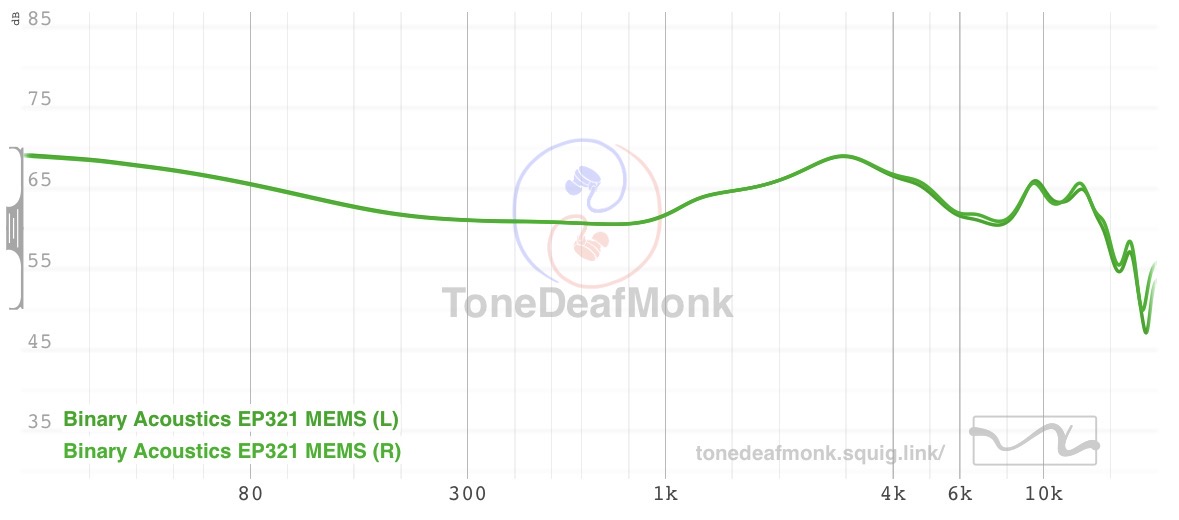
The EP321 has a better high end than the FR graph would indicate.
The ultra high end is quick and tight, but doesn’t decay too quickly, and remains present long enough to enhance the treble experience.
Cymbals and high hats add a welcome serving of air and sparkle to the upper end, as do instruments like violins, flutes, trumpets, etc. when present in the recorded source.
Staging is good, but has its limitations.
Left to right width is pretty much confined to within the head, with occasional artifacts that are perceived just outside the head.
Height top to bottom is limited by the bass/sub bass that doesn’t pull very low in the head space. It does reach nicely upward into the upper reaches of the skull.
Front to rear depth is average, but all in all the stage does fill the head, but it does fall short of holographic.
Thanks to the dexterity of the drivers creating a detailed and spacious stage within this more “intimate” stage; Imaging and layering are precise and accurate.
Summary:
It took me some time to warm up to the Binary Acoustics EP321 MEMS IEM.
It was after a couple of review listening sessions that unintentionally transitioned from critical listening, to relaxed and drifting in, that I started to appreciate the musical capabilities of the EP321.
Not necessarily an IEM for enthusiasts whose library consists primarily of bass focused genres. The bass is good, but falls short of skull rattling.
Those who have a wide range of genre in their library are more likely to be appreciative of the well rounded nature of the EP321.
My music sources:
Qobuz, and, FLAC and DSD files stored on the SD cards of my daps.
My music genre are primarily Rock, Blues, Jazz, Symphonic, Country, Rap, R&B, Pop, Electronic.
Enjoy your music. 
HiBy Digital Re-Imagined how to make a dongle fun, colorful and fully loaded for under $100
 % Easy Recommended Buy

Venture Electronics UA Guangzhi – Strive for Balance and Gain Rewards
Preamble:
Venture Electronics is a well know manufacturer primarily of portable audio gear with a keen eye on price/performance. Their comprehensive product line includes electronics, earbuds, iems, cables, dac/amps, etc.
Venture Electronics has carved a space in the market mind-space and is now expanding its product line with another IEM. The Guangzhi is an unassuming little earphone that turns out to fully realize that price/performance balancing act, and I believe will further enhance the reputation that Venture Electronics has built so far.
The $50 Guangzhi is an attractive single dynamic driver-based design using a beryllium-plated dome sitting in a dual magnetic circuit. I did say that the Guangzhi was unassuming, didn’t I? We have seen this type of offering many times before from countless different manufacturers. What sets the Guangzhi apart here is how it sounds, and in that regard, it has that special sauce.
Regarding tuning, the Guangzhi offers an overall neutral presentation with a slight uptilt in the bass. The thicker sound quality makes it suitable for many music genres, and it didn’t cause fatigue even during longer listening sessions.
I found that while not a detail monster; the Guangzhi did not mask the sound quality of poorer recordings and fared better with well-recorded material. It was also easy to drive and sounded great on desktop amplifiers and quality dongles.
Specs:
Driver: 10mm Beryllium- Plated Dynamic Driver
Frequency Response: 20Hz – 20kHz
Impedance: 32 Ohms
Sensitivity: 101dB
Cable: 2pin SPC
Build & Fit: (Did not receive the full retail box)
1. Attractive IEM of a smaller size. Like the lip on the nozzle to hold eartips firmly.
2. The build quality is very good. The shells have a flawless finish with gorgeous backplates.
3. Great comfort and fit. Those with larger ear canals will have to experiment with tips due to iems size.
4. Included accessories are basic as is packaging.
SOURCES:
1. XDuoo XA-02
2. EPZ TP-35
3. Various dongles
SOUND:
Bass:
1. The bass digs deep with good snap and control.
2. Bass has a thicker texture without sacrificing detail.
3. Mid-bass is quick with good texture.
4. The sub-bass is very present when called for in the music. Nothing seems missing.
5. Mid-bass has notable clarity, speed and snap.
6. Bass does not bleed appreciably into the midrange.
Midrange:
1. Good clarity, with a touch of warmth, particularly for male vocals.
2. Detail retrieval is good, macro over micro.
3. Vocals are a touch forward, engaging and immersive.
4. Balanced yet lush midrange presentation but no harshness.
5. Pleasing timbre and texture with a rich sound.
6. The tuning controls pinna gain without harshness.
7. Note-weight, density & timbre are notable.
8. Layering and separation are good.
9. Transients exhibit a rapid, impactful attack with natural decay.
10. Overall, the midrange has a pleasing presentation.
11. Balanced midrange with some mild upper-midrange presence.
Treble:
1. The treble is moderately well extended.
2. Neutral yet smooth treble with adequate sparkle and air.
3. Detail retrieval is good.
4. Nicely balanced.
5. The treble balance complements the rest of the frequency range.
6. Treble is safer but not boring with enough energy to keep the sound open.
The Guangzhi gets many things right with sound quality.
Here we have a balanced tuning with a thicker presentation yet with enough detail and poise that really does well with any genre of music I threw at it.
From a bass that has enough density, control and responsiveness topped by a balanced midrange and complementary treble, the Guangzhi impresses with how well-keeled it is.
Sound is not about individual metrics as much as it is about how all those elements synergize to make a sonic whole. The Guangzhi does not top the charts in any individual metric, but what impresses is the cohesive and pleasurable listening experience it can provide when taken as a whole. Here, the whole is greater than the sum of its parts.
IMAGING & SOUNDSTAGE:
1. A moderately sized balanced soundstage.
2. Instrument placement is stable within that soundstage.
3. Well-balanced between dimensions, slight width prominence, sounding natural in scope.
4. Instrument spacing and detailing are adequate.
5. Layering and instrument separation are good within that soundstage.
Versus:
**-Kiwi Ears Belle-**
The Guangzhi presents more bass presence and impact in the low end than the Belle, although the Belle also has sufficient bass, IMHO. Bass quality is really a toss-up here with both having nice texturing and snap, although when nitpicking I would give a slight edge to the Guangzhi with its denser yet still snappy low end.
The midrange sonics are quite different, with the Belle having a livelier presentation and a touch better separation and layering as well. This contrasts with the Guangzhi’s tuning, which is warmer, with better note weight and while arguably a touch less detailed, comes across as more balanced overall. Neither suffers from harshness at reasonable volume levels. Both have midrange sonics well suited to multiple genres of music and long listening sessions.
In the treble, they are also notably different, with the Belle having more treble energy and sparkle and air. Both stay away from harshness, thankfully.
Regarding soundstage and imaging, both offer a moderate-sized soundscape, with the Belle having a touch more width and depth. The Belle’s layering and separation also come into play on busier tracks such as “Beautiful Lie” by Vick Lavander, making it easier to pick out the individual instruments.
The Guangzhi is not lacking here, and listening to it outside of direct comparison was a pleasant experience as well. The sound density of the Guangzhi helped here as well, which offered a slightly more palpable sense of the space in the soundstage.
CONCLUSION:
The Venture Electronics Unabridged Audio Guangzhi is an IEM I enjoy. It presents the listener with a level of balanced playback that makes listening to it easy while having enough musical qualities to engage. For $50, I’d say that Venture Electronics has certainly lived up to its reputation as the price/performance experts with the release of the Guangzhi.
I could only imagine what Venture Electronics would do with a no-holds - barred IEM. That being said, for $50, the Guangzhi does better than good and is definitely one of the better offerings at that price range and even somewhat beyond. Both in sound and build quality, the Guangzhi does merit serious consideration.
Want to take your DX340 to the next level or 3?
The trio consists of a loose band of coders; a gent in Bangkok goes by tekChansin, along with another in Florida, Matt and yet one more I don’t know where he is, Whitigir…I think US. I’m in San Diego County.
I’ve been an active tester for the past ~6 weeks. I didn’t root to try the previous iterations as the DX was new to me and simply sounding fantastic. And it still does but these modules open up so much freedom of choice beyond the 5 stock harmonic choices. Choice to decide which ‘flavor’ you like best. No cost, just a little time, learning, potentially recoverable failure…but until you are rested and can concentrate, read all the way through before beginning then sit down when you have a focused hour, perhaps two and do it carefully and step-by-step.
Tek does a great job of explaining the process of rooting the Android 13 OS and ways to recover if anything goes awry. 
One only needs to root a device once and then it’s done and it can be completely reversed if you so choose. This allows replacing the boot rom. It’s the local file on internal NVRAM that the boot hardware knows how to ‘address’ at power on. It reads this file and your system starts up. Perhaps this isn’t all the precise parlance used. I spent my career on the networking and cybersecurity side of the technical world and only brushed shoulders with guys like these that wrote code. Tek writes kernels. The most fundamental core of the OS. Matt optimizes operating systems with extra emphasis on Linux/Android. Whitigir knows FPGA design optimization.
Between them they’ve created a very significant trio of tuning modules that are loaded and unloaded at will using Magisk. Magisk is the tool that allows this boot rom swap to occur and load other fully privileged code.
Thanks to iBasso for not only allowing this kind of tinkering but fully endorsing it by making available the factory boot image files for their DAPs AND access to the core code under GNU license. Usually things like FPGA ‘tuning’ is protected…at least the big guys like Chord and PS Audio protect theirs.
iBasso is a fantastic hardware artisan crafts people company! However, OS leaves a good bit of tuning to be done to remove the drivers and software that supports things like mobile phone functions, GPS, cell radio, even how often the WiFi adapter scans for new networks. On and on, the debloating script stops and/or disables/uninstalls a dozes of services no longer needed preventing start at boot. All of these processes startup from time to time or every few seconds to do some work. Non of this improves system noise for audio playback. Everything from minor corruptions the DAC must work out, timing errors the slightly skew the what gets amplified and ultimately the response of the signal driven to your IEMs.
Tek has also included over the air (OTA) updates so one need not connect a cable to PC or Mac…once it’s all installed of course. If you want to geek out and watch processes run this can be done via USB cable or over Wifi network.
Many of the other iBasso and other makes are also in the works but I know this crew on HF is most likely using the DX340 because of your deep rooted fascination, err addiction, with sound and hardware
Enjoy my friends. I hope you’re all safe and well where ever you are!
Oh, I should note, the DX340 needs to be on v1.07 firmware to fully exploit the boot modules. The base module Moon Diamond and the harmonic tuning module both work with 1.06 and like prior but have been optimized for the changes iBasso made in 1.07. Tek has a way to slipstream update without losing any data (but best to backup configs and note what apps you can’t live without just in case). An update to 1.08 was released by iBasso. Tek will update his scripts in a few days. He’s camping.
My personal favorite options are NOS Mode and Isolated Analog Profile, along with base Moon Diamond. I’ve not recently explored all of the vast array of sound profiles as I’m simply slacked jawed listening to beautiful music! Oh, I got to name ‘Nap on a beach’ profile. Try it!
I do know that for me it’s best to make a choice and leave it for a few hours of listening at least…these are subtle refinements that not every track will reveal.

Kiwi Ears Belle
Preamble:
Kiwi ears have been busy of late with many in-ear and full-sized headphone releases. The $30 Belle sits at the lower end of their IEM line. A simple and unassuming earphone, the Belle is simple in both form and function.
There are two colour and three cable variations available. There are 3.5mm, 3.5mm with microphone and USB-C options available. The Belle sports a single 10mm DLC driver housed in a simple yet attractive shell.
Regarding tuning, the Belle is warm-neutral with some mid-bass emphasis. Its tuning suits more casual listening than critical, and it does well with all genres of music. Tip selection is crucial here as the Belle has a smaller size. As well, while the Belle is easy to drive by most front-ends out there, I recommend pairing the Belle with a more neutral source. Pairing a warm source will overemphasize the lower midrange and bass bleed effects.
Specs:
Driver: 10mm DLC Driver
Frequency Response: 20Hz–20kHz
Impedance: 32 Ohms
Sensitivity: 103dB
Cable: 2pin SPC
Build & Fit:
SOURCES:
SOUND:
Bass:
Midrange:
Treble:
The treble is moderately well extended.
Neutral yet smooth treble with adequate sparkle and air.
Detail retrieval is good.
Nicely balanced.
The treble balance complements the rest of the frequency range.
Treble has enough energy to keep the sound open without being overbearing.
The Kiwi Ears Belle is yet another IEM where the whole is greater than the sum of the parts. Judged by individual metrics, the Belle doesn’t really stand out. When listened to as a whole, and this is how most people listen to music anyway, the Belle actually does well.
The sound is fairly well balanced with minimal harshness, which makes it suitable for longer listening sessions when not listening at higher than normal levels. One aspect where the Belle shines is layering and separation. While it can’t compete against much more expensive IEMs, the Belle layers nicely when considering the $30. This contributes to a nicely open sound that really comes into its own on well-recorded music.
IMAGING & SOUNDSTAGE:
Versus:
-Venture Electronics UA Guangzhi-
Overall, the Belle has a crisper sound than the Guangzhi. In the bass the Guangzhi has a greater bass presence with slightly better control in the lowest registers, likewise for the mid-bass.
The midrange is more expressive on the Belle, but with comparative detail retrieval versus the Guangzhi. The Guangzhi has less upper-midrange energy.
Both extend moderately in the treble, and the Belle has more energy in this part of the frequency range. The Belle has better layering and separation, while the Guangzhi offers a more balanced presentation overall.
Choose your poison here. Neither is perfect, but each makes a respectable account of itself in the sub $50 price range.
CONCLUSION:
Kiwi Ears is on a tear lately with the Belle becoming available at the same time as the upper-end Orchestra 2. Taken at its price of $30, there isn’t really much to be negative about with the Belle. The Belle might not top any specific metric, but its ability to deliver a finely tuned sound that will probably appeal to many, particularly given its cost, is noteworthy.
Pros
Cons
Specs And Driver Configuration
Before starting the review, I want to thank Dunu for sending this iem for a review.
Accessories Package
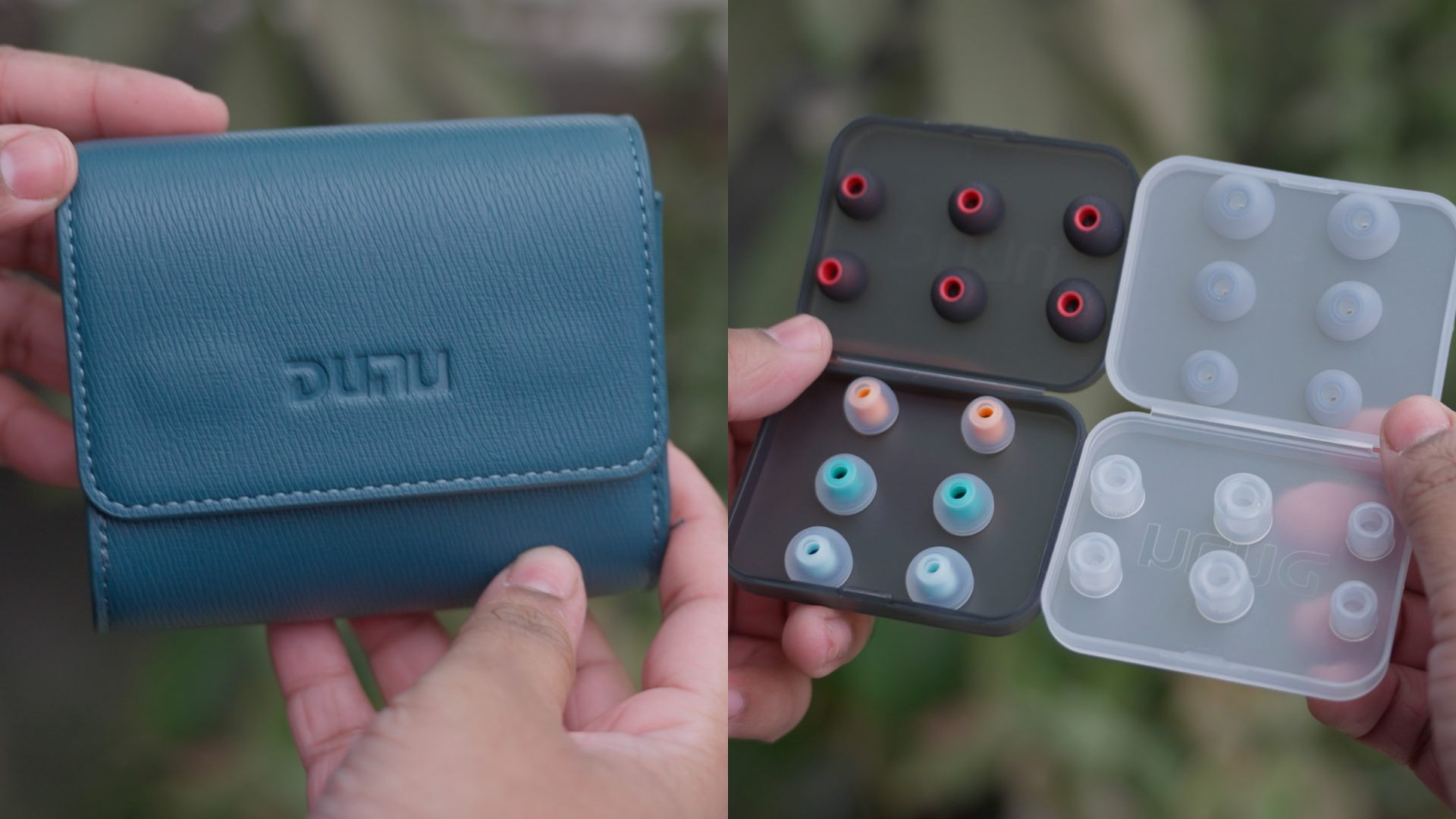
Accessories are Dunu’s game, and you simply can’t beat them at it. The accessories provided here are excellent. Things provided in the box are 1. Cable 2. Replacement terminations 3. 6.35mm adapter 4. Carry case 5. Four different types of silicone tips, including the excellent S&S and candy tips 6. Cleaning tool 7. Polishing cloth.
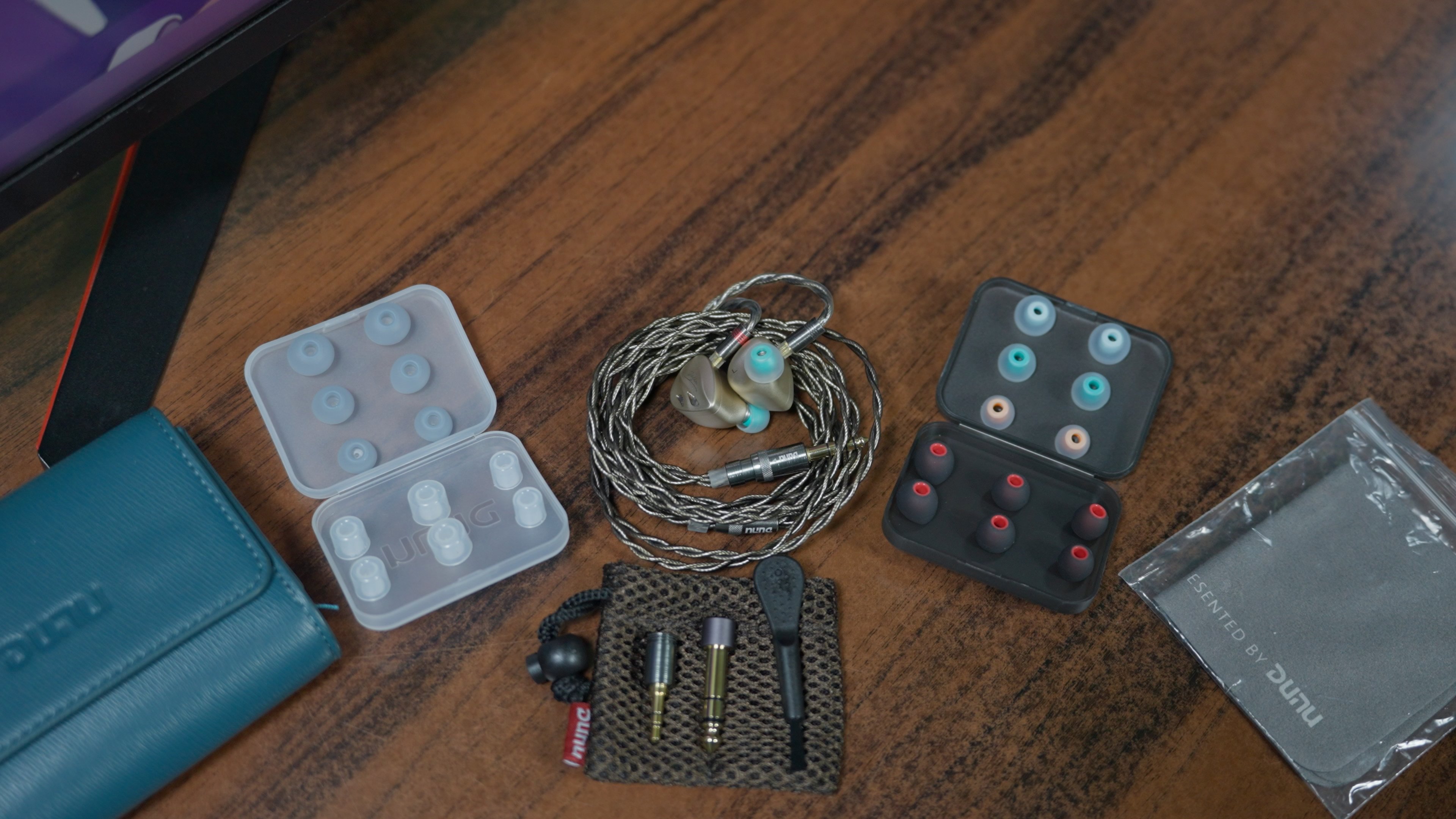
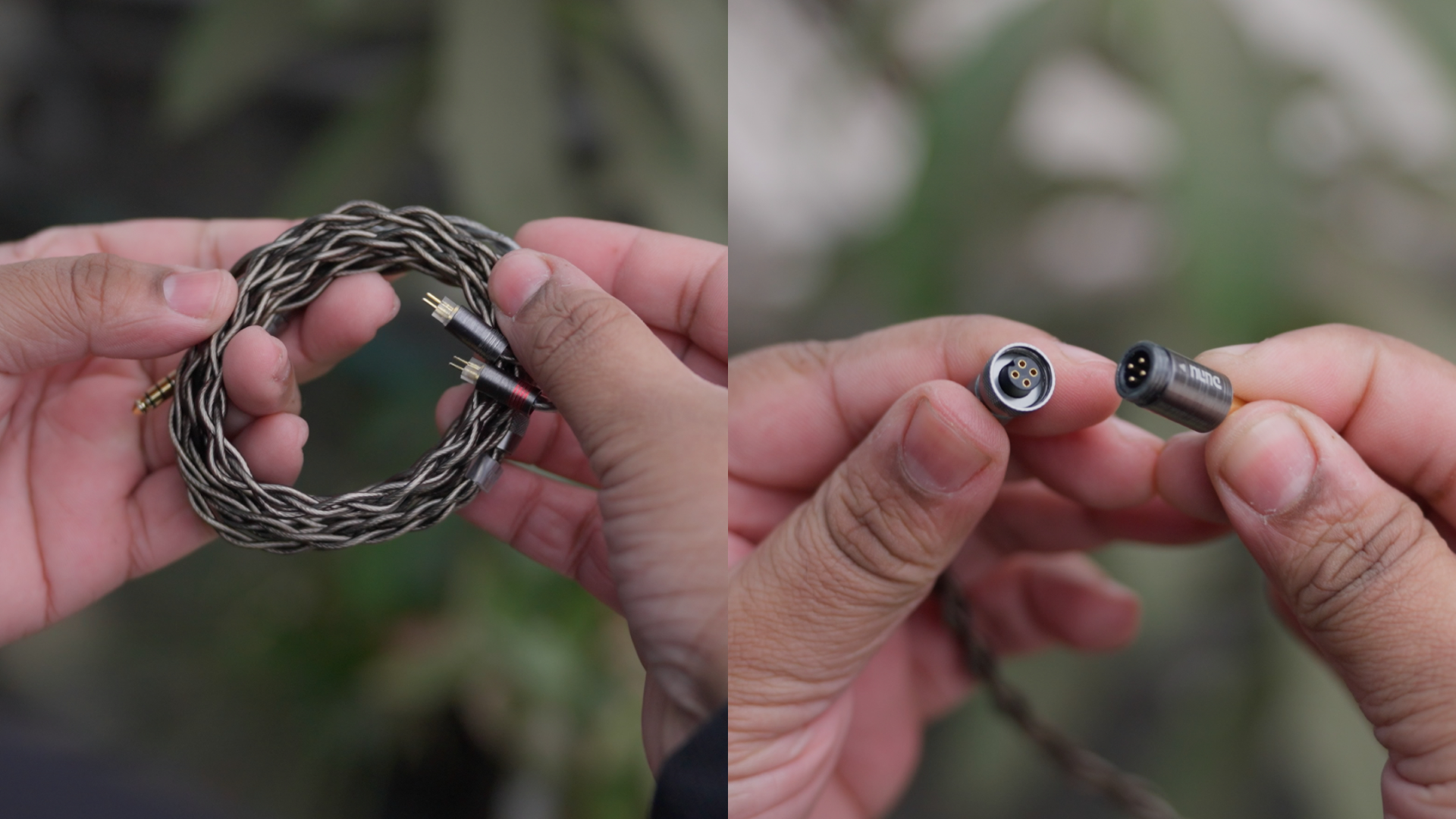
The stock cable is excellent; it feels premium, sturdy, and robust. It behaves really well, too: it has slight memory, but it has softened over time. The cable features the excellent Q-Lock Mini interchangeable termination system, which is my preferred type of modular system. The threaded design allows you to securely tighten the connectors after changing the termination, ensuring a reliable fit. In comparison, friction-fit systems tend to loosen over time, making the Q-Lock Mini a superior choice.
The carry case is the same as Dk-3001BD, just in a darker shade of teal, that looks and feels very premium. It has ample space for the IEMs and even a small dongle DAC. As for the eartips, they’re great. The S&S and Candy tips especially are top-tier, and with the variety provided, you can easily tip-roll to find what suits you best.
Aesthetics and Build Quality
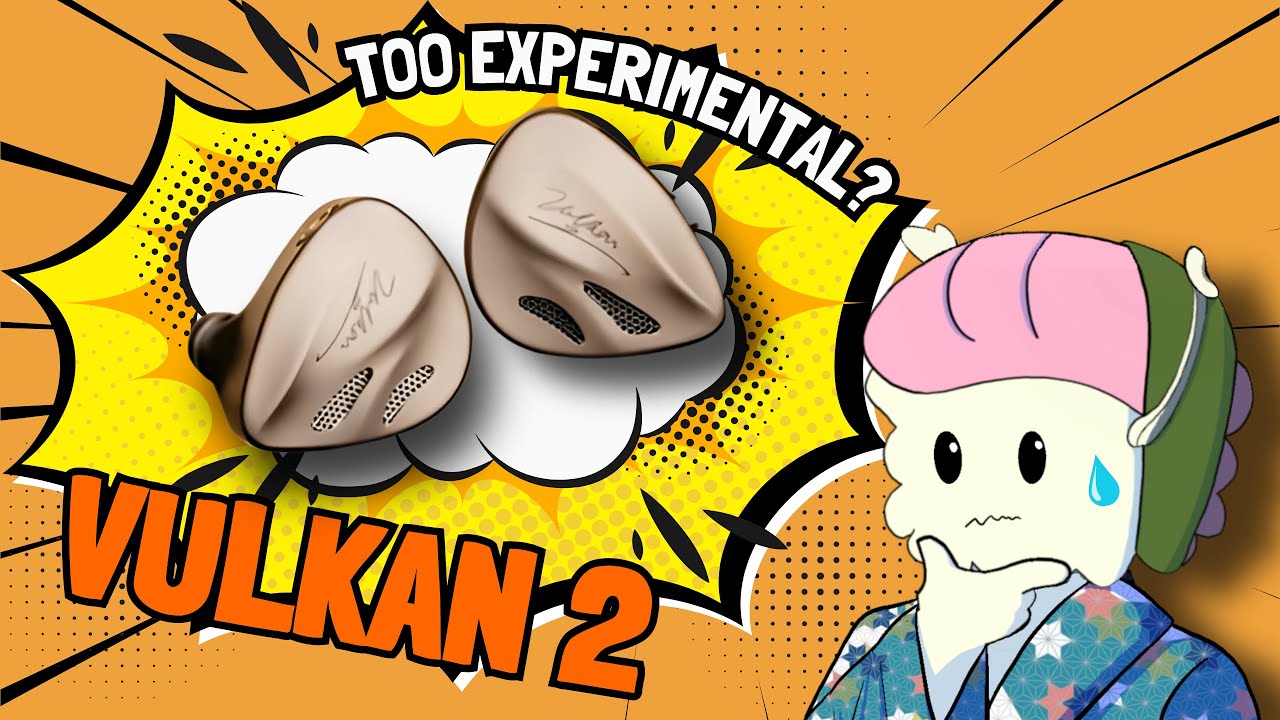
The aesthetics of the Vulkan 2 are clean, simple, and very professional. The champagne gold color gives the IEM a sophisticated, almost royal look. The wave pattern and vents on the faceplate add some character and prevent the IEM from looking too bland or boring.
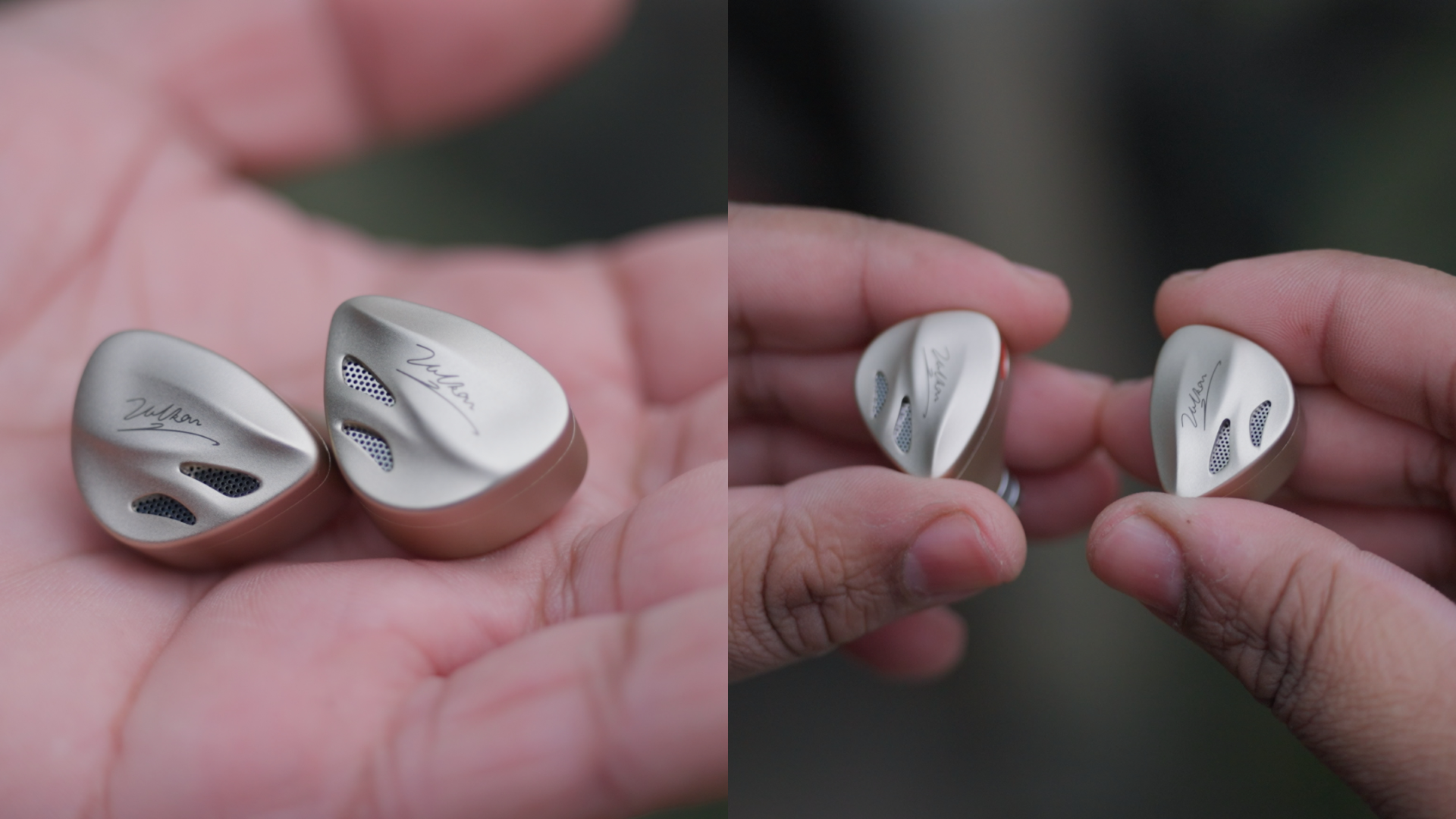
The shells are made of metal using aerospace-grade aluminium alloy. As a result, the build feels very premium, dense and robust with a satisfying heft to it, without being overly heavy.
Fit and Comfort
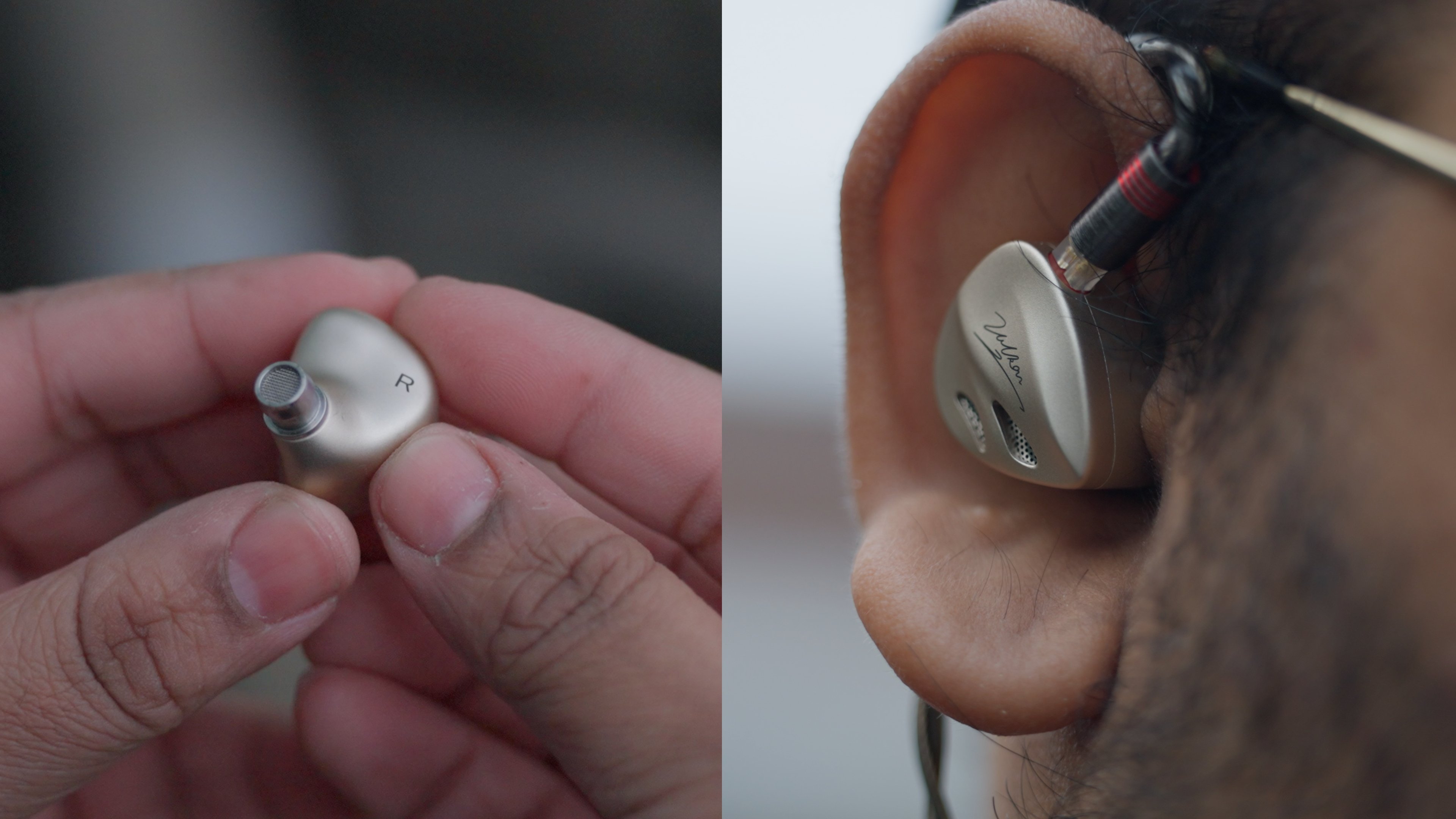
The fit and comfort of the IEM are quite good, but you’ll need to do a bit of tip rolling to get the best seal and comfort. The nozzle is on the shorter side, and the shells are a bit thick, so they do stick out of the ears slightly. That said, the mild contouring on the shells helps with fit stability. Once I found the right tips, I had no issues at all. I could wear them for hours on end without any discomfort.
Sources Used
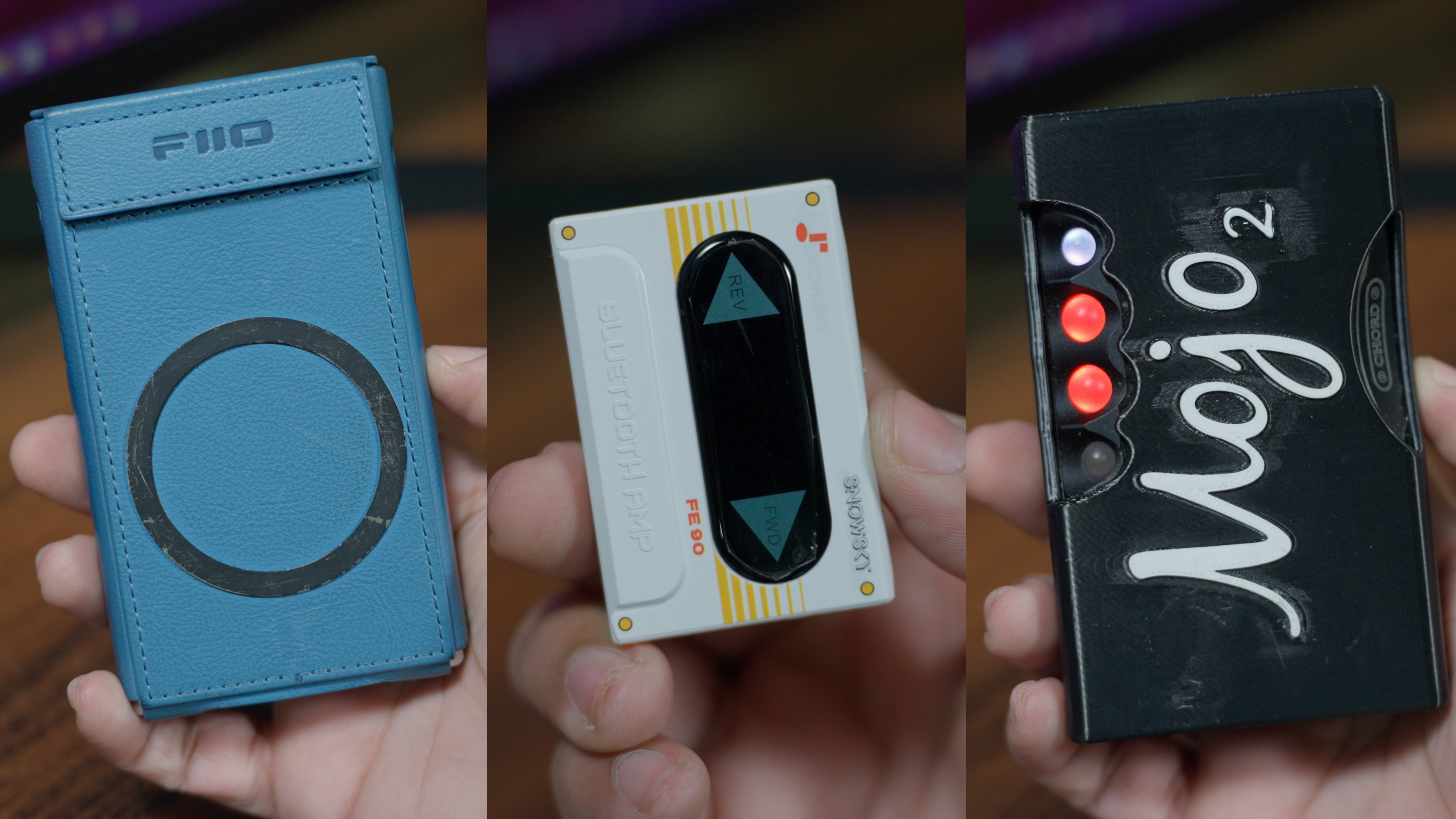
I used Fiio JM21, retro nano and mojo 2 for the sound testing. It requires slightly more power to open up so pair it with a decently powerful dongle dac, and I also found it pairs best with a slightly warmer-sounding source.
Sound
I used the DUNU Candy tips with the Vulkan 2, as they gave me the best fit and sound. Lately, Dunu has been experimenting a lot with their tunings for example, the DK-3001BD and I really enjoyed that iem. With the Vulkan 2, however, they’ve taken things a step further and in my opinion little too far. This is a very unique and somewhat esoteric tuning, and DUNU has essentially created a specialist set with the Vulkan 2. The overall tuning is more geared toward classical, acoustic, and jazz. Let me explain.
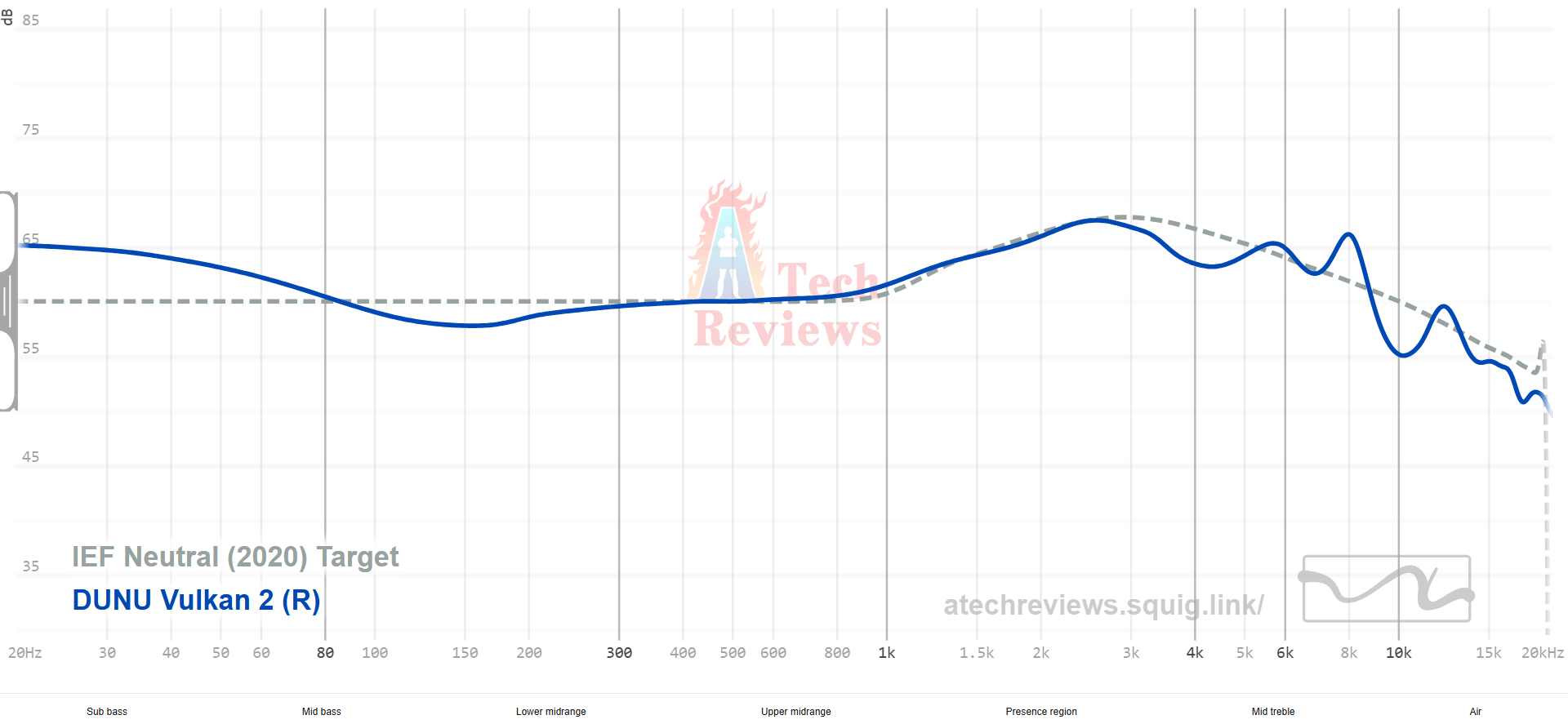
Bass
Let’s start with the bass. As you can see from the graphs, this IEM is not for bass lovers. If you’re someone who prioritizes bass, this IEM is simply not for you. The bass sits in the background and plays more of a supportive role in the overall tuning rather than drawing attention to itself.
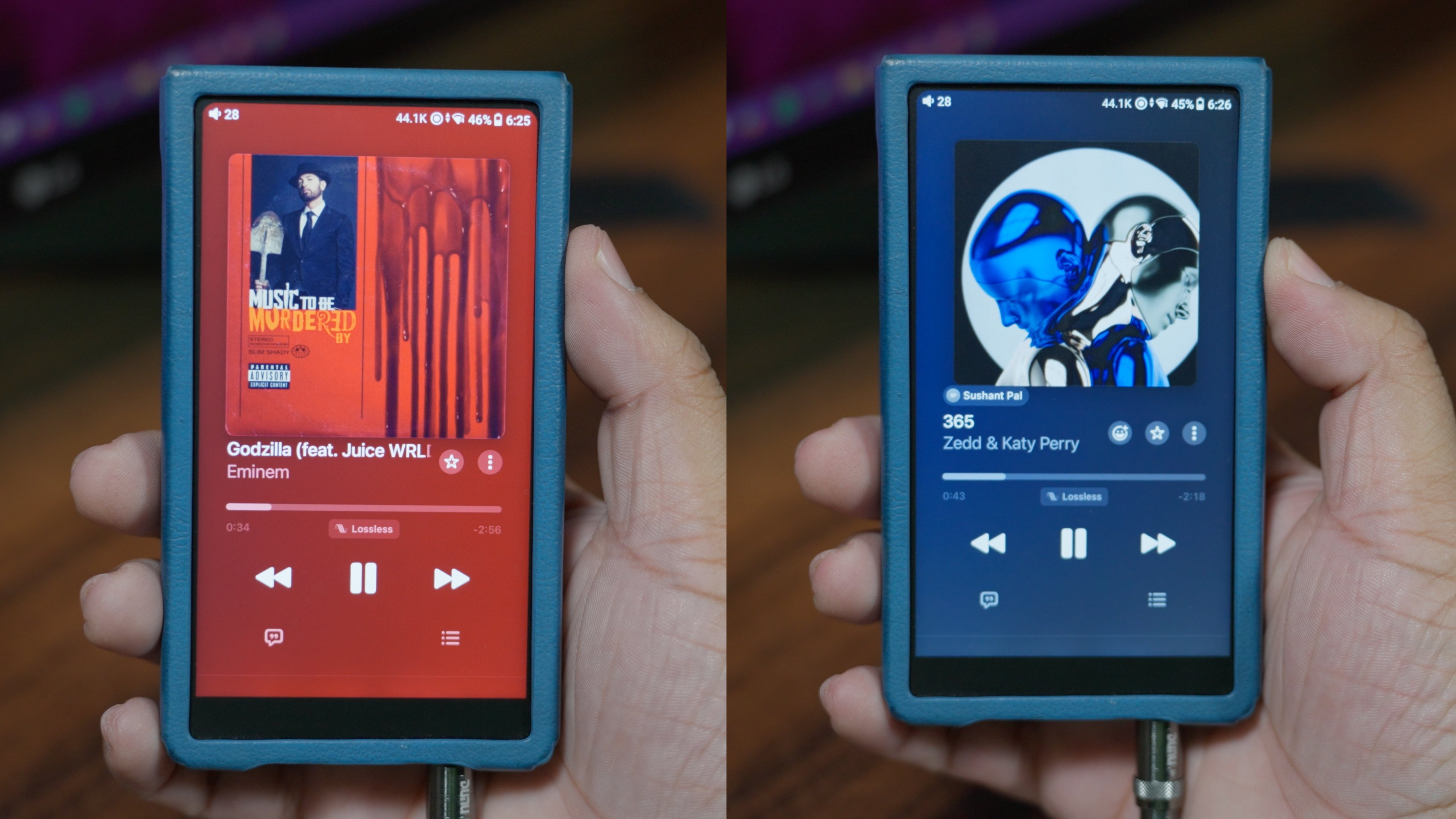
The sub-bass is there when the track calls for it, but it never overpowers the rest of the frequencies. Overall rumble and texture are decent, but the mid-bass is lacking. Drum hits and mid-bass drops miss that thump and body needed to sound fully natural. Because of this, I wouldn’t recommend this IEM for bass-heavy genres like hip hop, rock, or pop.
Mids
The mids are the star of the show on this iem. Dunu has used some clever tuning choices to achieve this sound signature. Starting with the mid-bass scoop around 150 Hz, the graph gradually rises toward the upper mids, which prevents the mids from sounding too recessed or pushed into the background. At the same time, the upper mids aren’t overly boosted either, helping maintain balance and avoiding a shouty or aggressive presentation. This relaxed upper-mid tuning keeps vocals and instruments in this region smooth and controlled.
Vocals sound quite unique on this IEM. Male vocals, despite all the tuning trickery, come across as slightly thin and lack enough body to sound fully natural. Female vocals, on the other hand, sound very good. They sound very airy, open, and nicely extended. The overall vocal presentation tends to favor the upper registers (head voice) rather than the lower registers (chest voice), which makes the midrange distinctive but also quite genre-specific.
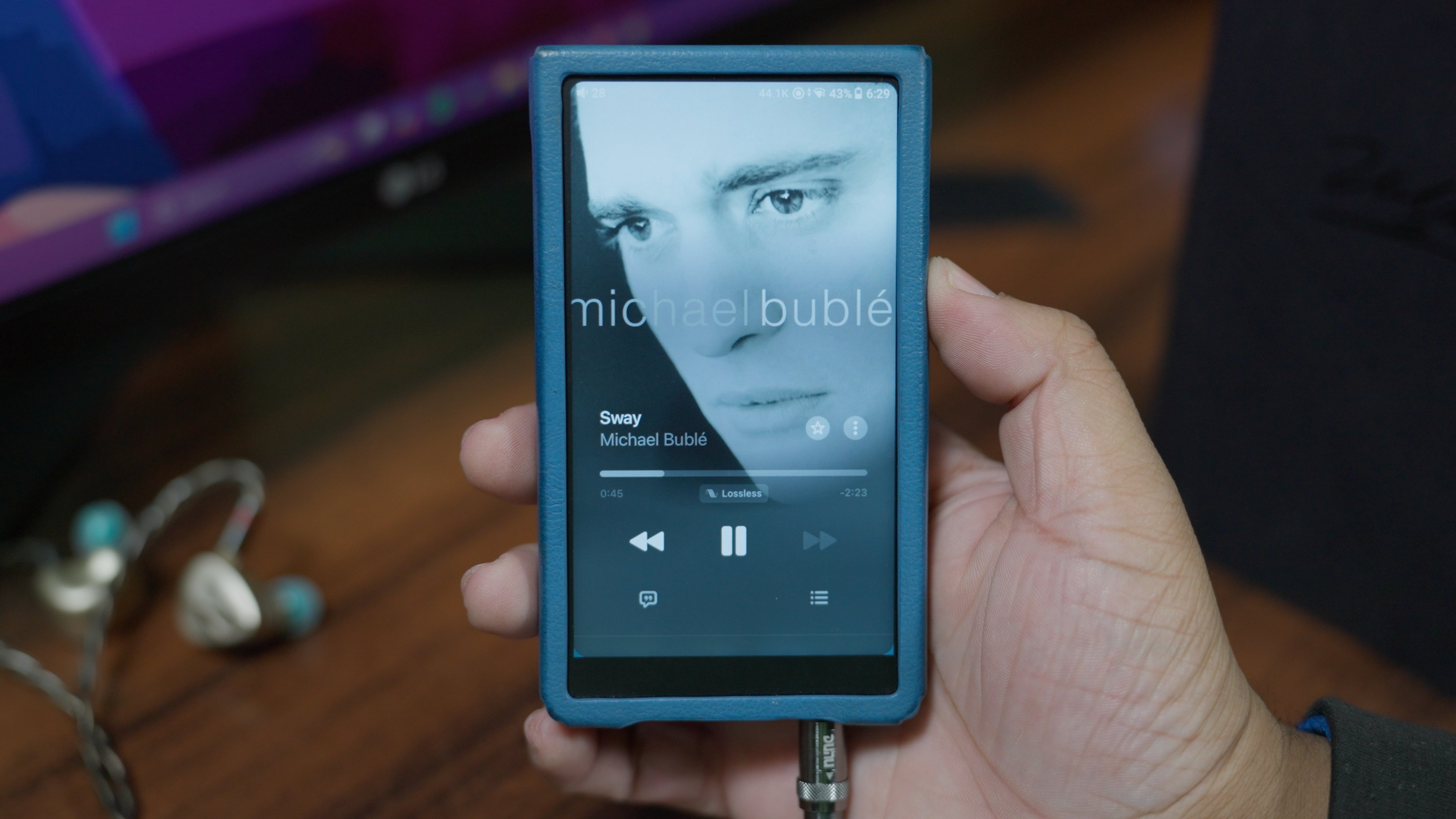
The presence region has just the right amount of energy, giving vocals enough bite and clarity without making them sound sharp or sibilant.
Treble
The treble is also tuned to complement the overall sound rather than drawing attention to itself. It’s relatively smooth, with very good extension into the air region. The mid-treble has just the right amount of energy, giving the treble a nice bite without sounding aggressive. The energy in the air region is dialed in perfectly anymore, and it would have stuck out like a sore thumb, especially since there isn’t enough bass and lower mids to balance an overly boosted top end.
Detail Retrieval and Technical Performance
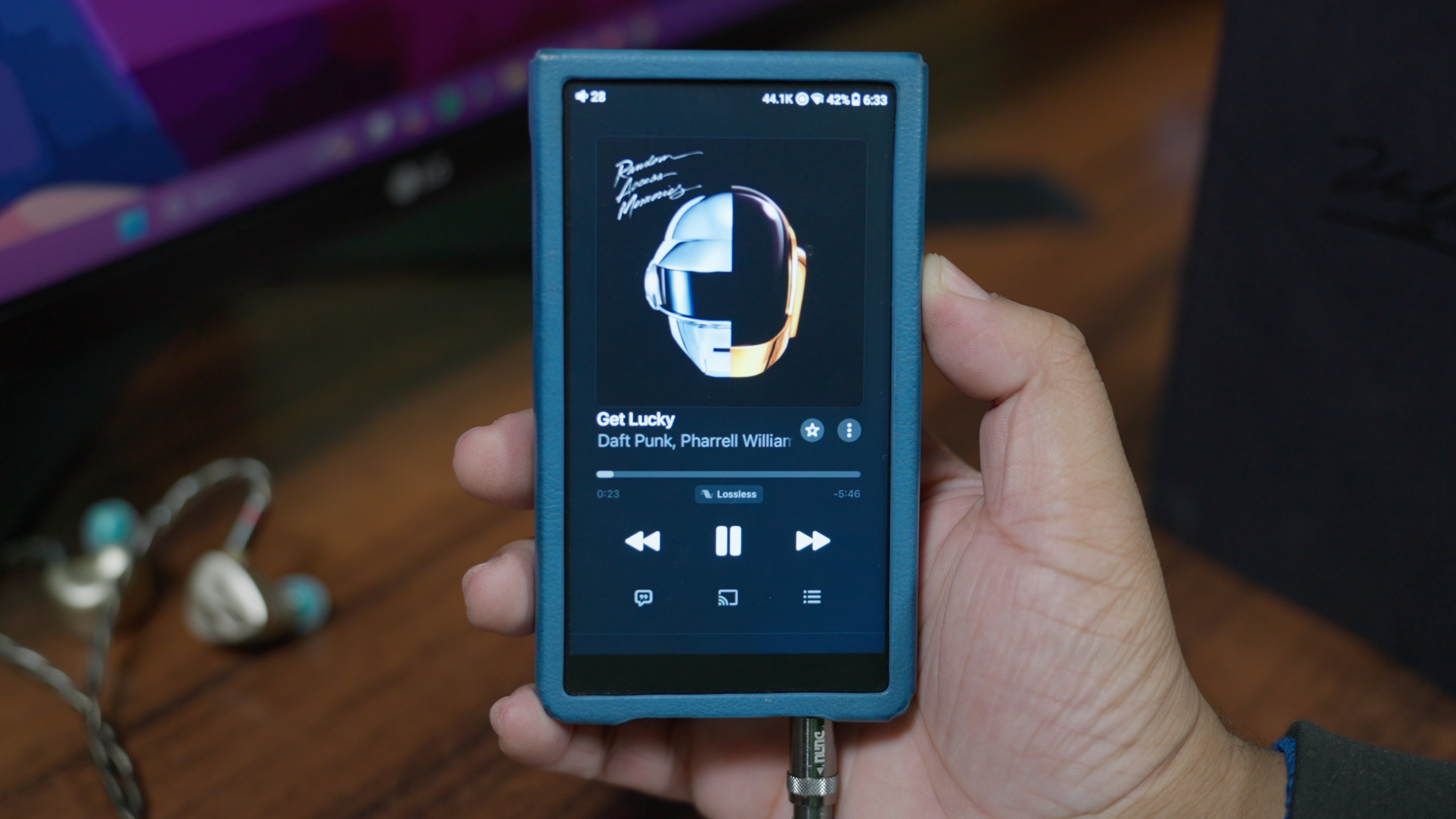
Detail retrieval and overall technical performance are very good. Micro-detail retrieval is especially strong the Vulkan 2 picks up minute nuances in tracks very well. Macro-detail retrieval, however, is below average, as it doesn’t sound particularly punchy or dynamic.
The staging is very good, with a wide presentation and solid front-to-back depth pickup. Imaging, layering, and instrument separation are all handled very well, contributing to a clean and well-organised soundstage.
Conclusion
So what’s the conclusion then? As you can probably tell from this review, I’m not totally sold on this IEM. Dunu has created a very niche tuning here, one that clearly suits certain genres like classical, ballads, acoustic, and jazz. If you’re looking for an IEM that can handle multiple genres equally well, this might not be the one for you. It’s a specialist, not a generalist.

That said, when it comes to the fundamentals like build quality, accessories, fit, and comfort, there’s really nothing to fault. Dunu has done a fantastic job on those aspects. Overall, it gets a semi thumbs-up from my end. I’d strongly recommend demoing it before purchasing and keeping its shortcomings in mind.
Thanks for sharing, I would hate this one with no mid bass , DUNU doesn’t match my sound preferences
Really nice review, but the mid bass is way too recessed for me. The most mid bass recession which I can tolerate is on the DN-142. This is okay since I absolutely love female vocals on the DN-142.
Yeah I personally hate the scooped out midbass tuning they just sound too thin and unnatural
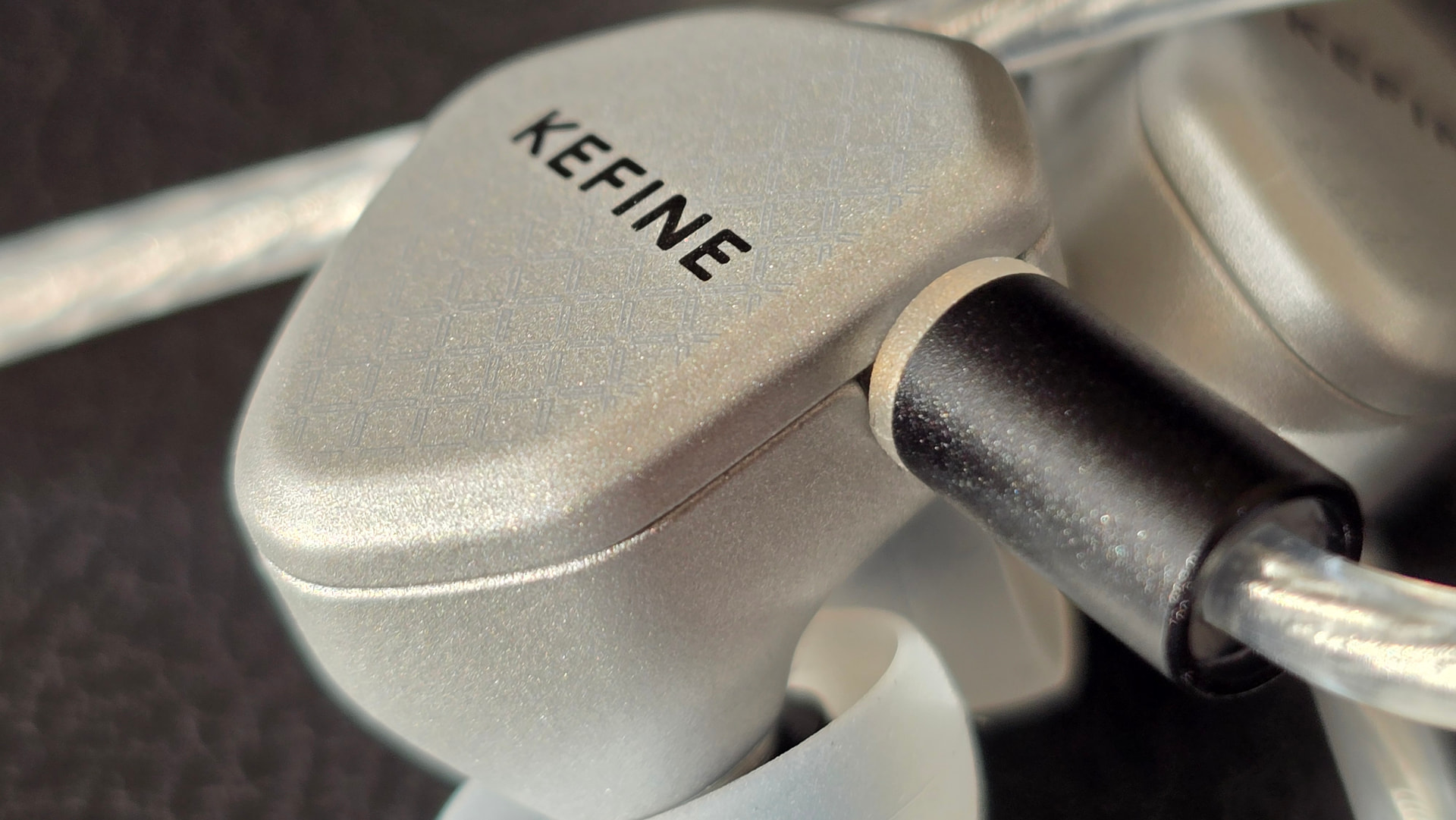
Imagine if Kefine jumped away from their house tuning and strongly scooped out the mid bass. The shock will probably make me have a second heart attack. Seriously though, the silver Kefine IEM is another Klean version?
Yeah the two sound very different with all 3 tunings, I think I prefer the OG
Kiwi Ears Orchestra 2 – Unassuming Musicality
Preamble:
Kiwi Ears have graced us with yet another release. Taking the name at face value, the $350 USD Orchestra 2 represents the second iteration of the well-known original Orchestra. The addition of two additional balanced armatures is the first difference noted between the OG orchestra, 8 BA’s, and version 2 which boasts ten BA’s.
The Orchestra 2’s tuning does not aim to wow or surprise. Here we have an iem tuned for natural playback with wonderful balance and a well-presented, neutral midrange. Easy to drive, the Orchestra 2, called the O2 for the rest of this review, scales wonderfully with more capable sources and thrives when driven by clean sources with good power reserves. I recommend a more neutral source with maybe a touch of warmth to drive the O2.
Tip selection will also be important as the O2 is a larger IEM, and I went with a short-stemmed and wide-bored tip. Despite its size, I found the O2 surprisingly comfortable to manage for even longer listening sessions.
The O2 lays bare the flaws in poorly recorded music and the differences in sources, though a quality recording fed to the O2 via a capable source will meet the listener’s ears with impressive playback.
Specs:
Driver: 10 Custom Balanced Armatures & 4-way Crossover
Frequency Response: 20Hz–20kHz
Impedance: 150 Ohms
Sensitivity: 110dB
Cable: 2pin SP-OCC
Build & Fit:
SOURCES:
SOUND:
Bass:
Midrange:
Treble:
The treble has great extension.
Neutral yet smooth treble with notable sparkle and air.
Detail retrieval is very good without being sharp.
Nicely balanced with the rest of the frequency range.
The treble relays harmonics well with clearly audible decay.
Treble has enough energy to keep the sound open without being overbearing.
The Kiwi Ears Orchestra 2 is a wonderful-sounding set. It offers a delightfully natural tuning, showcasing outstanding balance and poise. It is not a set for those who crave that “wow” factor or energetic embellishments of sound. The O2 acts as a tool that carves the real out of sound and sounds musical throughout.
There were times I heard an extra layer of glare in the upper midrange/lower treble. This occurred with some tracks that had extra energy at those frequencies. Turns out that the O2 was exposing the questionable recording quality of those tracks, and probably deficiencies in the playback chain, and when switching to known high-quality recordings, this effect vanished, even on those tracks with extra energy in that band of frequencies.
One area where the O2 excels is the playback of the space between notes. This, IMHO, is rare regardless of price and, to my opinionated and jaded ears, is absolutely necessary for what I like to call “Organic” sound. It is one of my four basic elements for organic sound, those being space, balance, coherence, and weight.
IMAGING & SOUNDSTAGE:
CONCLUSION:
Kiwi Ears Orchestra 2 is a great IEM. Kudos to whoever tuned this IEM for keeping a focus on being natural rather than leaning towards added sonic emphasis like far too many others.
This though comes with a caveat. The O2 demands well-recorded material to reach its performance potential, and while it can be driven by almost any source, careful source chain selection will go far in allowing the O2 to sound its best.
Considering this, I must say that I am impressed with the Kiwi Ears Oxygen 2. It reminds me of being a slightly more refined and balanced Kiwi Ears Astral is some respects, but clearly carves its own sonic path overall.
The last sentence of your review says Oxygen instead of Orchestra!
I enjoyed the sound of O2 but man I wish they would put a small vent somewhere to help defeat the suction…it’s a no go for me.
kingnubian made the typo since he probably is suffering from dihydrogen peroxide poisoning.