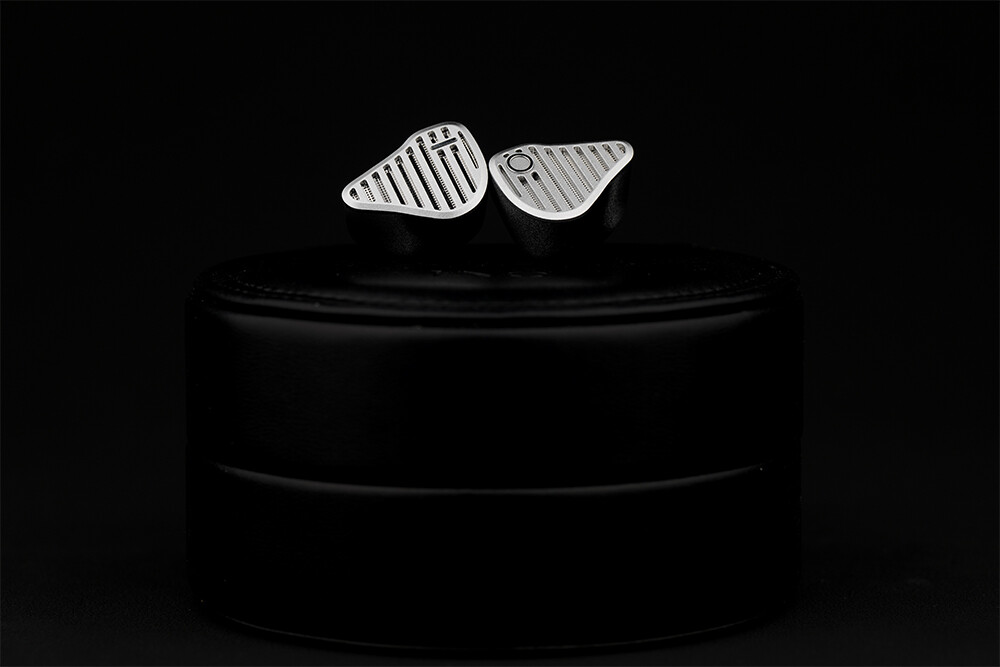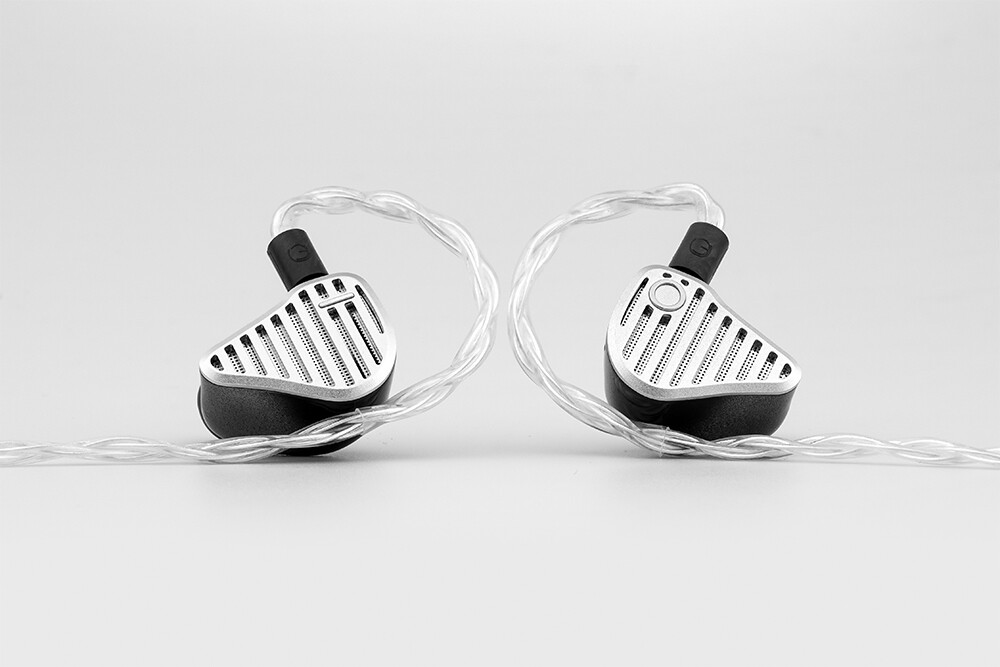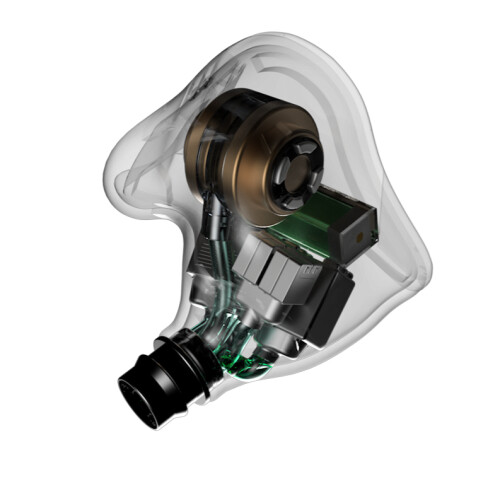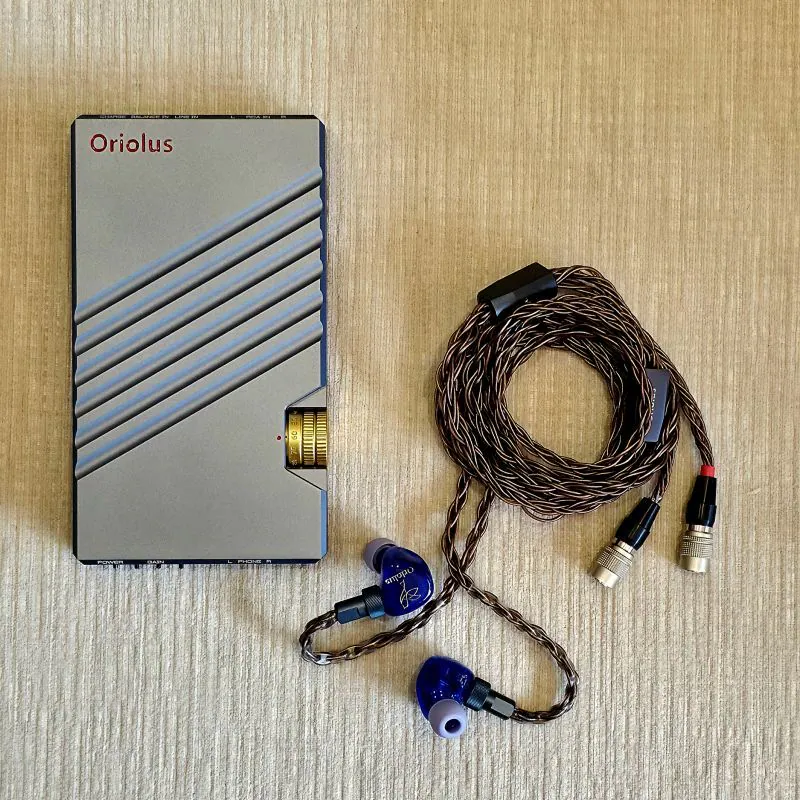
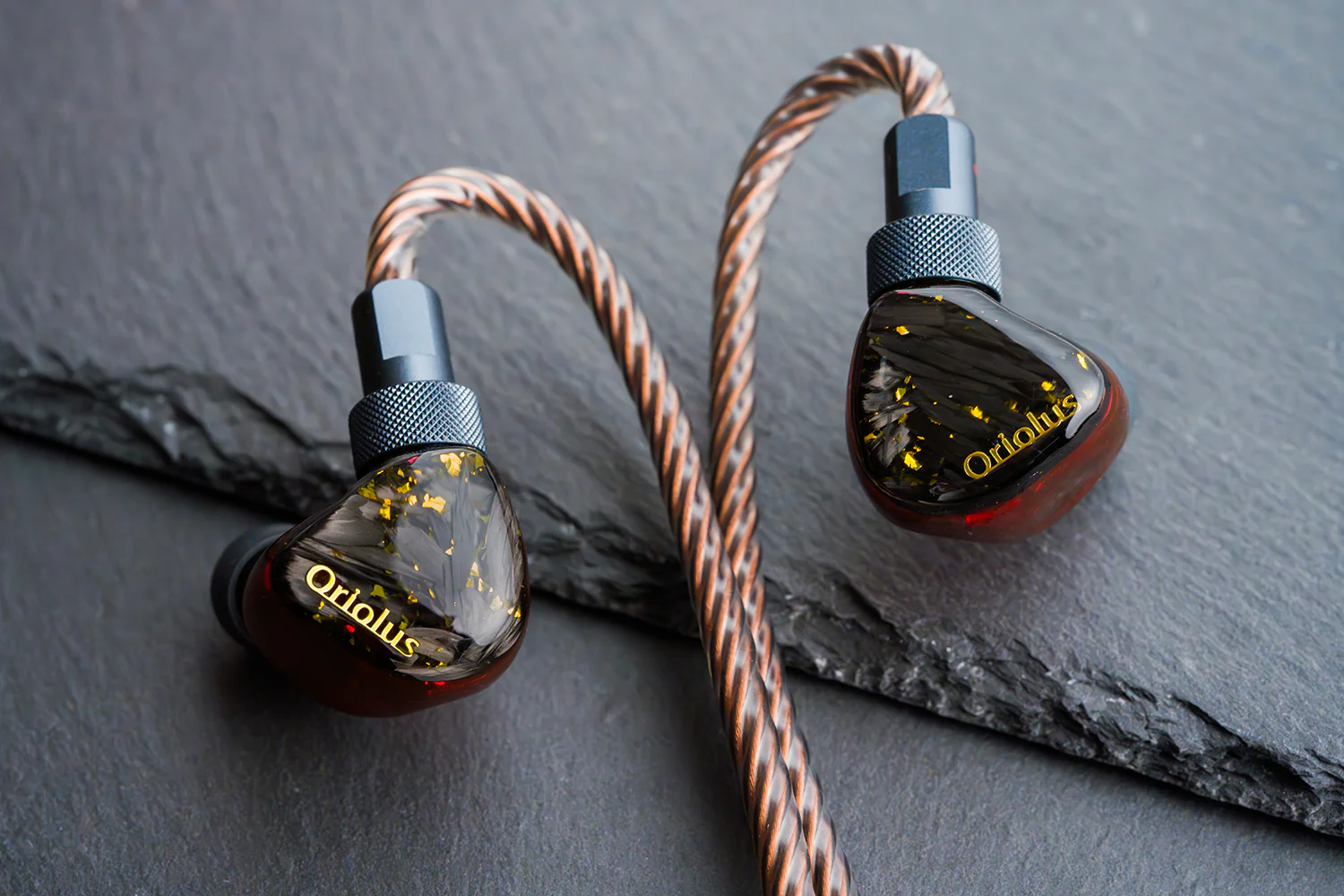
“The Oriolus Traillii Ultra IEM System elevates the sound performance of headphones from “multi-driver stacking” to “precisely coordinated active system”.
After ten years of research and development, it emerges with an unprecedented architecture:
a digital three-way crossover system + 12 independent analog amplification channels,
bringing a truly meaningful “active three-way crossover” solution to multi-driver in-ear-earphone.
What is Digital Crossover?
Digital crossover differs from traditional analog filtering. Its core technology involves
using a 32-bit audio DSP to directly divide frequency bands with computational precision.
There are no tolerance errors from inductors, capacitors, or resistors; no temperature drift; and no mutual interference.
DSP accurately reconstructs the filter curve mathematically, thus enabling:
-
Cross point accuracy near the ideal value, without relying on component precision
-
Ultra-flat frequency response of ±0.2 dB
-
Nearly negligible phase shift
-
Fully programmable bandwidth, slope, and phase.
This is a mature technology in the high-end active speaker field, which is now being compressed into a compact IEM system.
System Instructure
The front-end uses a DSP to perform three-way crossover processing,outputting 6 channels (low/mid/high frequencies) × left/right channels = 12 channels of analog signals.
Each signal is driven by an independent high-fidelity analog amplifier and buffer circuit to power the corresponding unit in the IEMs.
Essentially, this is a “miniature three-amplifier active system”.
This instructure means that:
each unit is controlled by a dedicated power channel, and its behavior is completely independent of the load changes of other units.
The Sound Enhancement Brought by a Three-Way Crossover
The advantages of a digital active three-way crossover are not just about “separating frequency bands,” but also include:
-
Low frequencies: Deeper, higher energy density, and faster transient response
-
Mid frequencies: More information-rich, solid sound imaging, and natural texture
-
High frequencies: Lighter extension, more realistic sense of air, and more complete detail
-
Spatial imaging: Extremely high phase coherence and more precise soundstage positioning
-
Dynamic performance: Reduced multi-driver load, significantly expanded overall dynamic range
Why not use a traditional analog crossover?
The passive crossover (inductor/capacitor/resistor) inside the headphone inherently has limitations:
-
Component tolerances cause crossover point shifts.
-
High-frequency phase rotation is unavoidable.
-
Inter-component interference.
-
Insertion loss affects transparency.
-
Significantly affected by temperature and humidity.
-
Electronic interference is more severe inside the small cavity.”

This one had better not be a snooze with that name 

..wonder if that name is copyrighted perhaps?
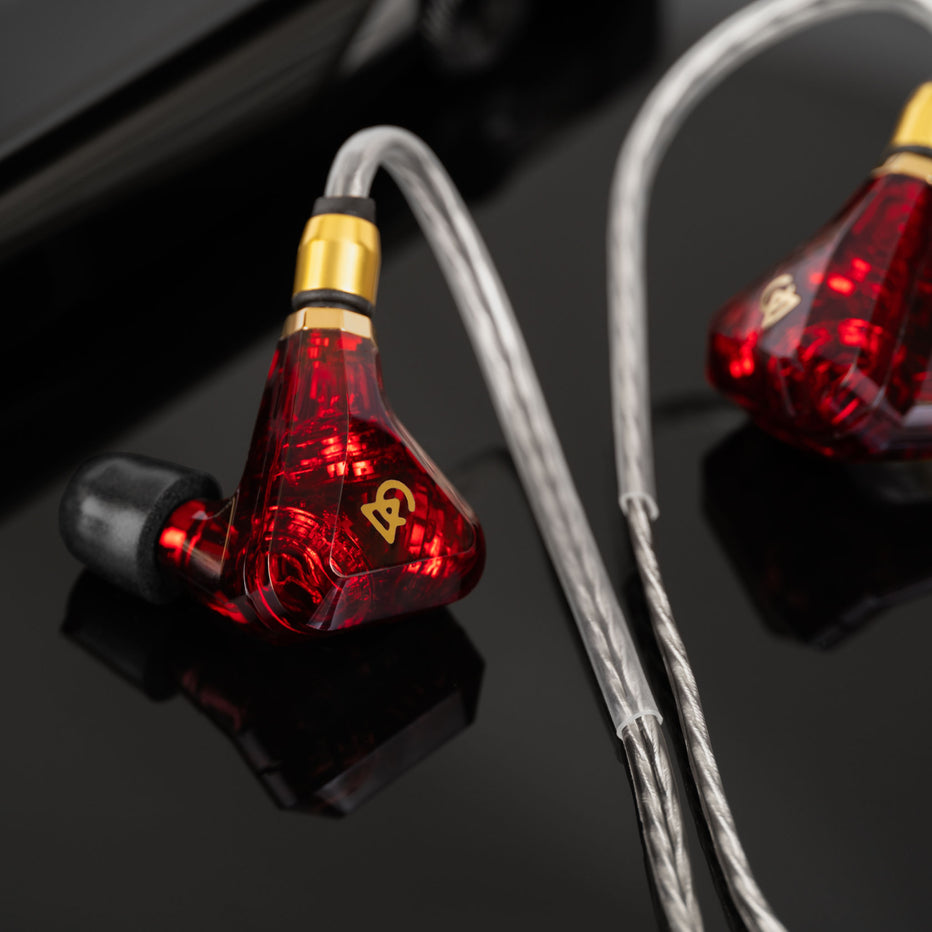

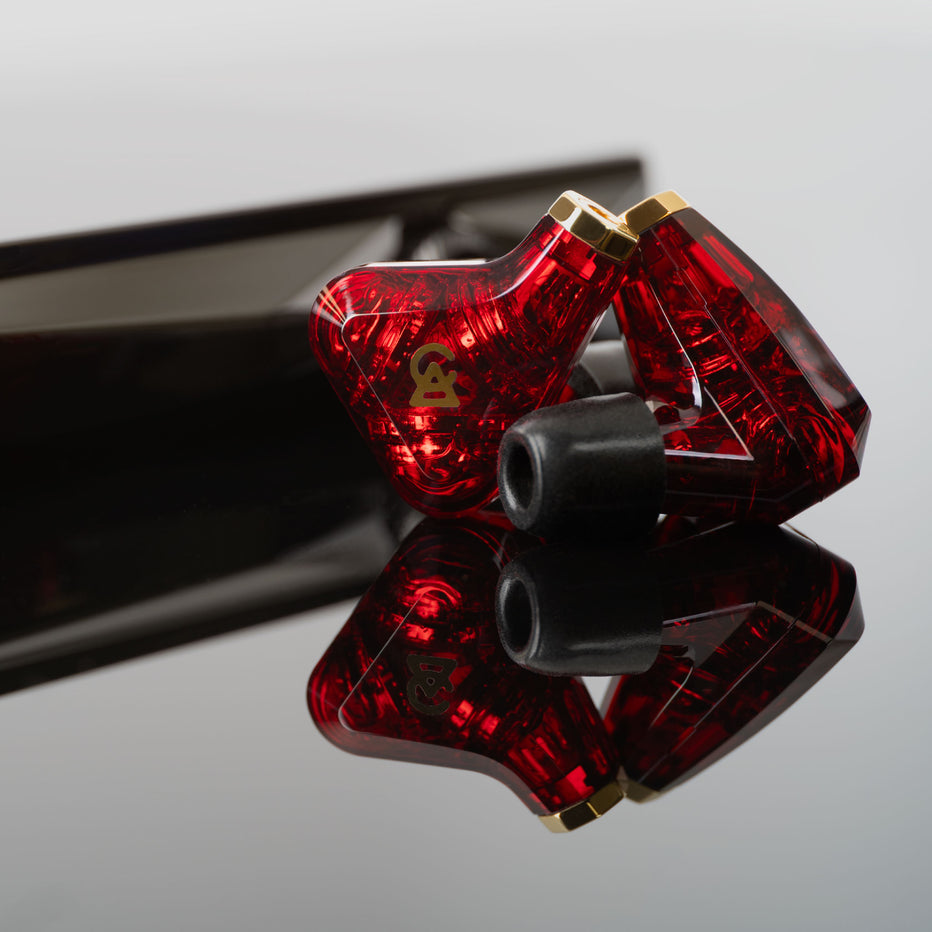

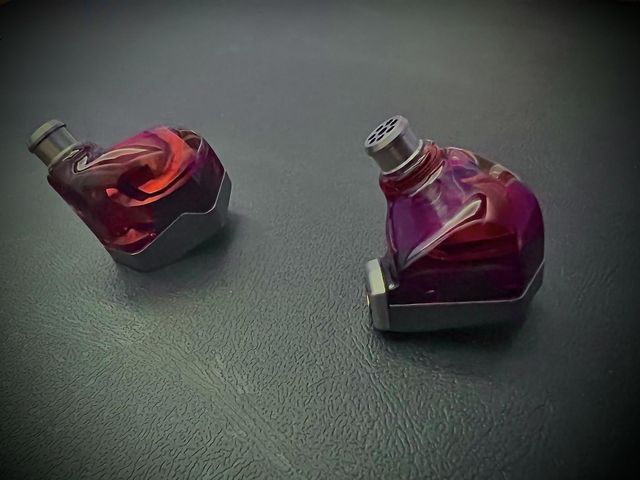
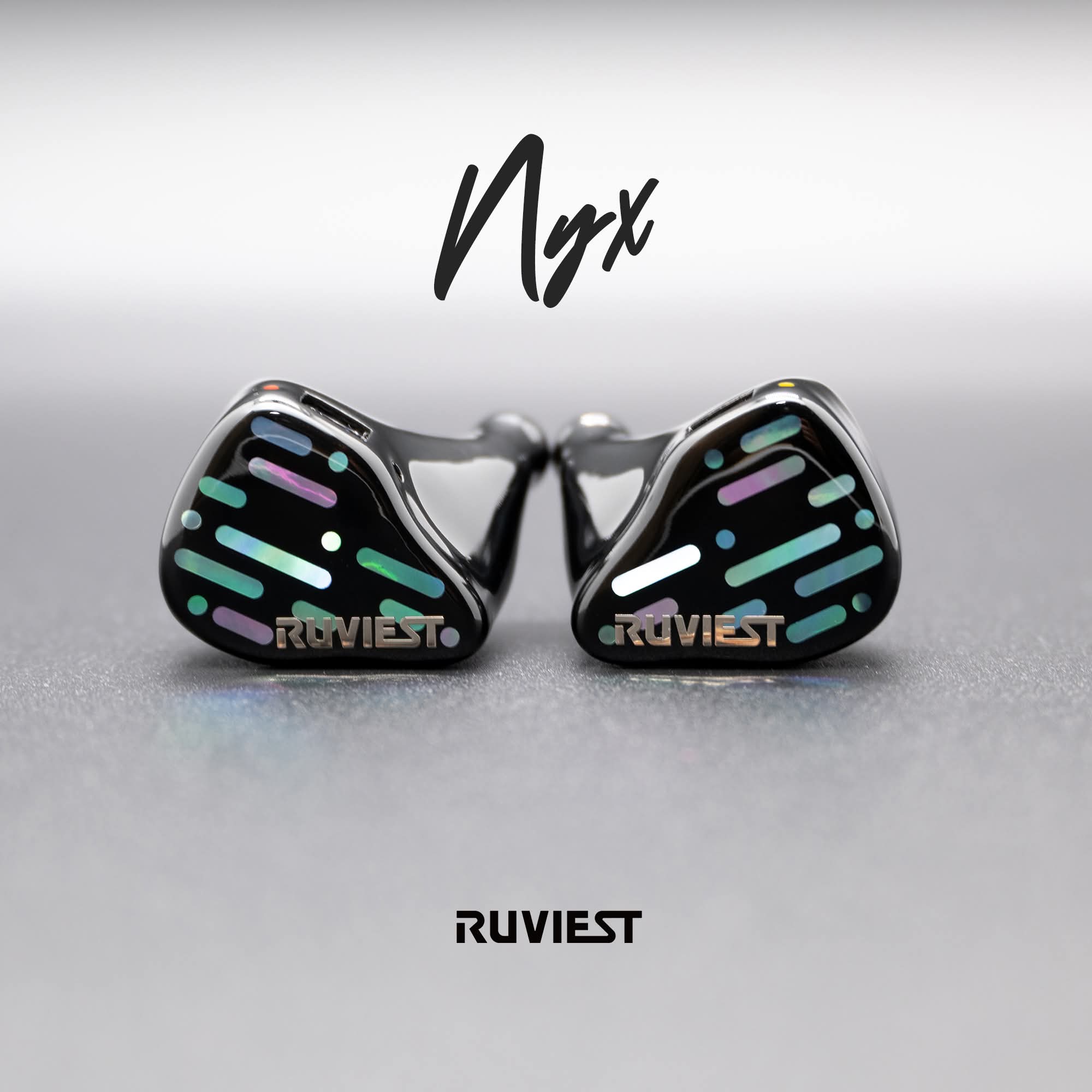
What in the name of Monarch MK4 vibes? 
A few years ago at an audio show I listened to MEZE ADVAR and I didn’t like it. It had a slow bass for my liking and a library, slightly fuzzy mids and not very good treble extensions with average resolution. The soundstage was average, but not bad. Overall it was warm, but not a better way, imo. Hopefully ASTRO has fixed all this, because I think MEZE AUDIO are good at what they do.
I’m writing this with SVANAR in my ears and I can’t express my admiration for this IEM - very capable driver technology, fantastic resolution for 1DD!
“ Empty cascade repetition effect (ECRE) ” - this is when someone who is doing a review repeats the same thoughts as everyone before him. I propose to officially introduce this term.
Now we will observe it in some new IEMs, for example ASTRU.
It’s interesting to observe this. It’s been in many reviews before.
It’s part of science after all  .
.

^^^ If this person rates the IEM as S+, that means that this IEM is worthless. Just kidding! Enjoy the music, even when they tell you that your IEM is the worst in the world, especially when the person in the clip above tells you so.
JM1 - it’s boring, imo  …
…
IMO, Super Review is more often than not putting on this ‘been there, done that’, blasé act, which is why I stopped watching him a long time ago. That’s why I tend to put more stock in people who actually get enthusiastic about what they hear when using an IEM (and of course make sure to demo them first). It’s like you said, enjoy the music.